
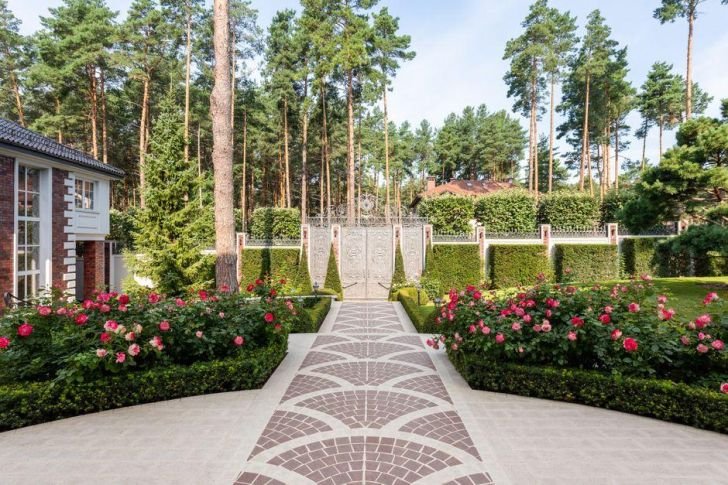

Your front yard does a lot of talking before anyone even knocks on the door. If it looks neat, warm, and easy to walk through, your whole home feels more inviting. That is one reason natural stone keeps showing up in smart landscaping plans. In places like San Antonio, it also helps to choose materials that can handle heat, dry spells, and everyday wear without acting dramatically, note Keyrenter Hampton Roads experts. The good news is you do not need a giant budget or a design degree to make stone work beautifully.
Why Stone Works
Natural stone has a way of making a yard look finished without feeling fussy. It adds texture, shape, and a little personality, which is more than you can say for a patch of plain dirt trying its best. Stone also lasts a long time, so you are not redoing the same area every year because weather or foot traffic wrecked it.
It works well with lots of home styles too. A traditional house can look polished with a stone border or walkway. A modern home can feel warmer with clean stone lines and soft planting around them. Even small front yards benefit because stone helps create order.
Another plus is function. Stone can guide guests to your front door, define garden beds, and cut down on muddy areas. It often needs less upkeep than grass-heavy designs. If you want something that looks good and pulls its weight, stone is a solid pick. Yes, that pun was set in stone.
Finding The Right Match
Not all stones give the same look or performance, so choosing the right one matters. If you are considering sandstone in San Antonio, you will usually notice it stands out for its warm color range, natural texture, and easygoing style that fits many local homes. It can feel softer and more relaxed than some sharper-looking stone choices.
Compared with concrete pavers, sandstone often looks more natural and less uniform. Compared with flagstone, it can offer a similar casual charm, though the exact finish and color will vary. Gravel is cheaper, but it moves around and can end up in places it was never invited to visit.
Think about your house color, your yard size, and how you use the space. If you want a welcoming look rather than something formal or overly polished, sandstone is often a great middle ground. It feels classic, practical, and not too stiff.
Best Places To Use It
One of the easiest ways to use stone is in a front walkway. A stone path makes your entrance feel intentional, and it helps guests know exactly where to go. That may sound obvious, but you would be surprised how many front yards accidentally say, good luck, find the door yourself.
Stone also works well as a border around planting beds. It creates a clean edge that helps flowers, shrubs, and mulch look more organized. If your yard slopes a bit, stone steps can make the space safer and easier to navigate.
Other smart spots include:
Small patio pads near the porch
Tree rings or garden accents
Low retaining edges for raised beds
Seating nooks with a bench or two planters
The key is not using it everywhere at once. A few well-placed stone features usually look better than covering every inch of the yard. Let the stone support the landscape instead of stealing the whole show.
Colors And Style Tips
Stone color changes the mood of your yard more than most people expect. Warm tan, cream, and sandy tones usually make a home feel relaxed and inviting. Gray stone can look sleek and modern, but if everything else is warm, it may feel a little out of place.
Try matching stone with one or two features already on your house. That could be your roof tone, trim color, brick detail, or even the shade of your front door. When things connect visually, the yard feels pulled together instead of random.
A few easy pairings work especially well:
Warm stone with stucco and drought-friendly plants
Mixed beige tones with red brick homes
Soft brown stone with dark mulch and green shrubs
Lighter stone with black hardware for contrast
Texture matters too. Rougher finishes feel more natural and casual. Smoother cuts look cleaner and more formal. If you want a front yard that feels welcoming, a little texture usually goes a long way.
What To Budget For
Stone projects can vary a lot in price, which is why two walkways that look similar from the street might have very different costs. The amount of material is the biggest factor, but it is not the only one. Shape, thickness, delivery, and installation all affect the final number.
Irregular pieces often create a natural look, but they can take more time to install. Thicker stone may cost more up front, though it can hold up better in high-use areas. Labor also adds up if the ground needs leveling, edging, or drainage work first.
To keep your budget from wandering off, decide where stone matters most. A front path or entry area usually gives more visual payoff than filling a side corner nobody notices. You can also mix materials by using stone as the main feature and less expensive gravel or mulch around it.
Spending a bit more on the right area often looks better than spreading a small budget too thin. Focus on impact, not just square footage.
Keeping It Looking Good
Stone is low maintenance, but low maintenance does not mean zero effort. A little care keeps it looking sharp and helps you avoid bigger repairs later. The basic routine is simple and does not require fancy tools or a weekend sacrifice.
Start with regular sweeping or blowing off leaves, dust, and debris. If dirt builds up, a gentle rinse usually helps. Weeds are the main party crashers, especially between stones, so pull them early before they settle in and act like they pay rent.
It also helps to check for shifting pieces every now and then. If a stone starts wobbling, fix it sooner rather than later. That tiny problem can become an ankle-twisting surprise. Look for cracks, uneven spots, or erosion around the edges after heavy rain.
A few habits make a big difference:
Keep drainage flowing away from stone areas
Refresh joint filler if needed
Replace broken pieces before damage spreads
Clean stains before they set deeply
With simple upkeep, your stone features can stay attractive for years without becoming a chore.
Mistakes To Skip
A common mistake is choosing stone only because it looks pretty in a photo. Real life includes rain, heat, foot traffic, and people carrying groceries while half-paying attention. Stone needs to work with your space, not just pose for it.
Poor drainage is another big issue. If water collects around a path or step, the area can shift, stain, or become slippery. It is also easy to overcrowd a front yard with too many materials. Stone, brick, gravel, mulch, and three kinds of edging all at once can make the space feel busy instead of beautiful.
Watch out for scale too. Large stone pieces may overwhelm a tiny yard, while very small pieces can look scattered in a wide entry space. And do not forget comfort. A walkway should be easy to use, not a decorative obstacle course.
The best front yard designs usually feel simple, useful, and natural. If your stone choices make the space easier to walk through and nicer to look at, you are already on the right path. Literally.