

Reviewing Utility Bills Before Making an Offer
One of the most practical steps a buyer can take is to request 12 to 24 months of utility bills from the seller. This data provides a real-world picture of the home’s energy consumption across all seasons and eliminates the uncertainty of theoretical estimates. High utility bills relative to comparable homes in the area are a reliable indicator of energy efficiency deficiencies, and they provide a quantifiable basis for negotiating a price reduction or requesting improvements as a condition of sale.
When reviewing utility bills, normalize the data by dividing the annual energy cost by the home’s square footage to arrive at a cost-per-square-foot figure. This allows for meaningful comparison across homes of different sizes. Additionally, note whether the home uses natural gas, electricity, or a combination for heating and cooling, as fuel type significantly affects both the cost and the efficiency profile of the home’s systems.
Assessing the Building Envelope
The building envelope – the physical boundary between the conditioned interior of the home and the exterior environment – is the most fundamental determinant of energy efficiency. A well-sealed, well-insulated envelope minimizes the transfer of heat between the interior and exterior, reducing the load on the heating and cooling systems. Deficiencies in the building envelope are among the most common and most impactful sources of energy waste in residential buildings.
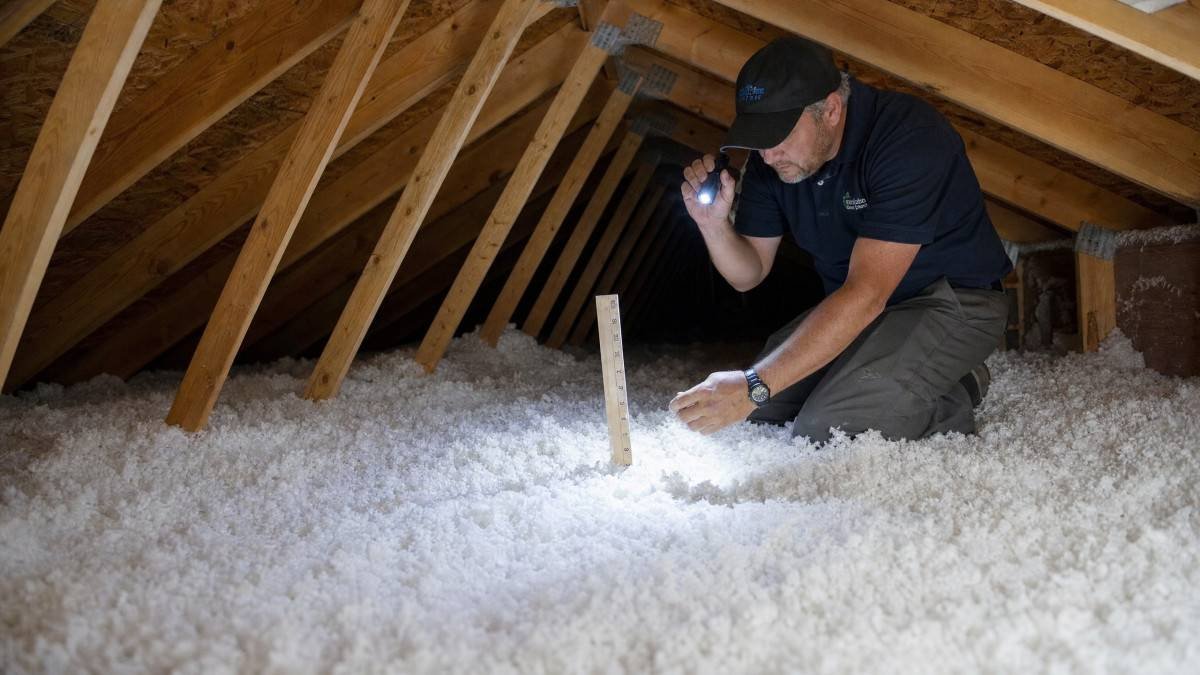
In the attic, assess the depth and type of insulation. The U.S. Department of Energy recommends R-38 to R-60 of insulation in attics for most climate zones. Blown-in fiberglass or cellulose insulation should be at least 10 to 15 inches deep to achieve adequate R-values. Inspect the attic for gaps around light fixtures, plumbing penetrations, and HVAC ducts that allow conditioned air to escape – these air leaks are often more significant sources of energy loss than inadequate insulation alone.
Evaluating Windows and Doors
Windows and doors are among the most significant sources of heat loss and gain in a residential building. Single-pane windows, which are still present in many older homes, have an R-value of approximately 1, compared to R-3 to R-5 for double-pane windows with low-emissivity (low-E) coatings and R-5 to R-10 for triple-pane windows. The difference in energy performance between single-pane and modern double-pane windows is substantial, and replacement windows represent one of the most impactful energy efficiency upgrades available to homeowners.
To assess window quality during a property tour, look for condensation between the panes of double-pane windows, which indicates that the insulating gas seal has failed and the window is no longer performing at its rated efficiency. Check for drafts around window frames by holding your hand near the edges on a windy day. Inspect weatherstripping on exterior doors for compression and integrity, and check the threshold seal at the base of each door.
HVAC System Age and Efficiency
The heating, ventilation, and air conditioning (HVAC) system is typically the largest single consumer of energy in a residential building, accounting for 40 to 50 percent of total energy use in most climates. The age and efficiency rating of the HVAC system are therefore critical factors in evaluating a home’s energy performance and future maintenance costs. Most central air conditioning systems have a useful life of 15 to 20 years; furnaces and heat pumps typically last 15 to 25 years. Systems approaching or exceeding these ages should be evaluated for near-term replacement.
HVAC efficiency is rated using standardized metrics: SEER (Seasonal Energy Efficiency Ratio) for air conditioners and heat pumps, and AFUE (Annual Fuel Utilization Efficiency) for furnaces. Higher numbers indicate greater efficiency. Current federal minimum standards require a SEER rating of at least 14 to 15 (depending on region) for new central air conditioners. A system with a SEER rating of 10 or below is significantly less efficient than current standards and will cost meaningfully more to operate. Ask the seller for maintenance records and the model numbers of all HVAC equipment so you can research the age and efficiency ratings independently.
Professional Home Energy Audit
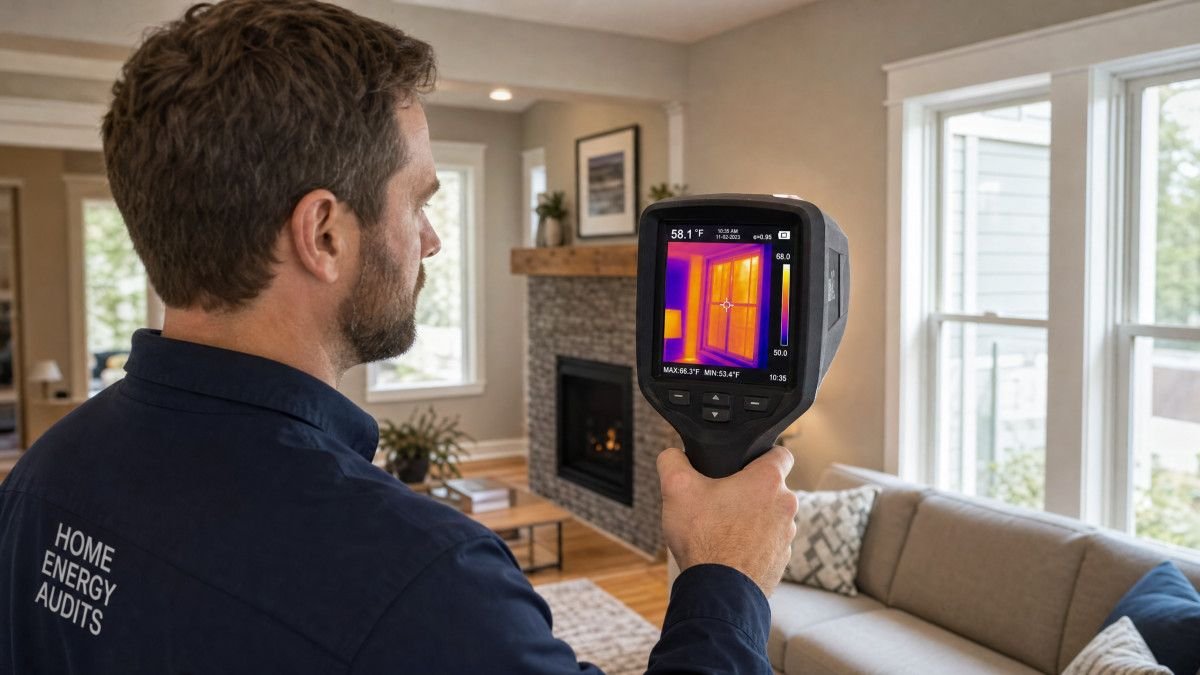
A professional home energy audit, conducted by a certified energy auditor, provides the most comprehensive and objective assessment of a home’s energy performance. The audit typically includes a blower door test, which measures the overall air leakage of the building envelope; thermal imaging with an infrared camera, which reveals areas of heat loss and moisture infiltration; and a systematic assessment of all major energy-consuming systems. The auditor produces a detailed report that identifies specific deficiencies and recommends improvements ranked by cost-effectiveness.
The cost of a professional energy audit ranges from $200 to $600 for most residential properties. Many utility companies offer subsidized or free energy audits to their customers, and some state energy offices provide additional incentives. Buyers who are seriously considering a property can commission an energy audit as part of their due diligence process, using the findings to negotiate improvements or a price reduction that reflects the cost of addressing identified deficiencies.
Frequently Asked Questions
What is a home energy audit?
A home energy audit is a systematic evaluation of a home’s energy performance, conducted by a certified energy auditor, including a blower door test, thermal imaging, and assessment of all major energy-consuming systems.
How much does a home energy audit cost?
A professional home energy audit typically costs between $200 and $600, depending on the size of the home and the depth of the assessment.
What is a good energy efficiency rating for a house?
The HERS Index is the most widely used residential energy efficiency rating. A score of 100 represents a standard reference home; lower scores indicate greater efficiency. New ENERGY STAR certified homes typically score 85 or below.
How do I know if a house is well insulated?
You can assess attic insulation by measuring its depth and comparing it to recommended R-value levels for your climate zone. Signs of inadequate insulation include uneven temperatures and high energy bills.
What HVAC age is considered too old?
HVAC systems older than 15 years should be considered for near-term replacement, as efficiency degrades significantly and the risk of major failure increases substantially.
Conclusion
Evaluating the energy efficiency of a home before buying is a financially prudent step that can save thousands of dollars annually and prevent costly surprises after closing. By reviewing utility bills, assessing the building envelope, evaluating HVAC systems, and commissioning a professional energy audit when warranted, buyers can develop a clear picture of a home’s energy performance and factor that information into their purchase decision and negotiating strategy. In an era of rising energy costs and increasing awareness of environmental impact, energy efficiency is not a secondary consideration – it is a core component of a home’s value and livability.