


The 1 Percent Rule and Its Limitations
The most widely cited guideline for home maintenance budgeting is the 1 percent rule: set aside 1 percent of the home’s purchase price each year for maintenance and repairs. On a $400,000 home, this translates to $4,000 per year, or approximately $333 per month. This rule provides a simple, memorable starting point, but it has significant limitations that buyers should understand.
The 1 percent rule does not account for the age or condition of the home. A newly constructed home with modern systems and a full builder’s warranty will have substantially lower maintenance costs in its early years than a 40-year-old home with original systems approaching the end of their useful lives. For older homes, a more appropriate guideline is 2 to 4 percent of the home’s value annually. Additionally, the 1 percent rule is based on purchase price, which may not reflect current replacement costs in markets where home values have appreciated significantly since purchase.
| Home Age | Recommended Annual Budget | Example (on $400K home) |
|---|---|---|
| 0-10 years (new construction) | 0.5-1% of value | $2,000-$4,000/yr |
| 10-25 years | 1-2% of value | $4,000-$8,000/yr |
| 25-40 years | 2-3% of value | $8,000-$12,000/yr |
| 40+ years | 3-4% of value | $12,000-$16,000/yr |
Building a Dedicated Home Repair Fund
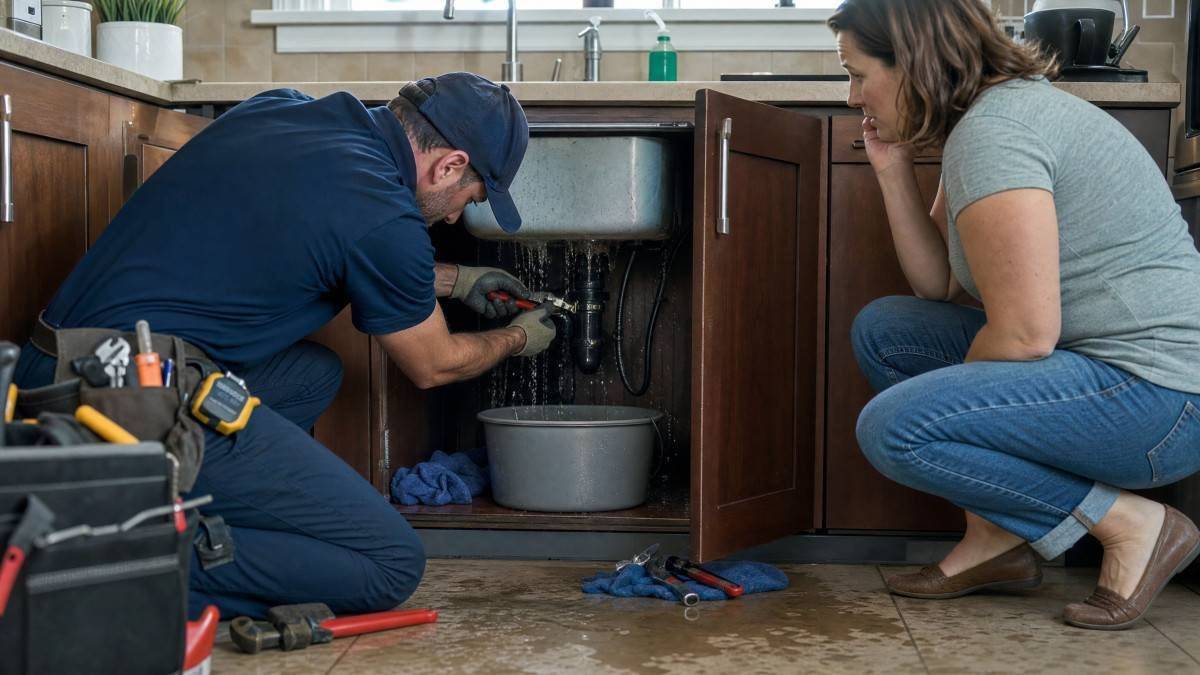
The most effective way to prepare for home repair costs is to establish a dedicated savings account specifically for this purpose and to fund it consistently through automatic monthly transfers. Keeping home repair funds separate from your general savings or checking account serves two important purposes: it prevents the funds from being spent on non-emergency items, and it provides a clear, real-time picture of your repair reserve balance.
A high-yield savings account is an appropriate vehicle for a home repair fund. The funds should be liquid – accessible within a day or two without penalty – since emergency repairs cannot wait for investment accounts to be liquidated. The interest earned on a high-yield savings account, while modest, provides a small return on the accumulated balance while maintaining full liquidity. Avoid investing home repair funds in volatile assets; the purpose of this fund is stability and accessibility, not growth.
Prioritizing Preventive Maintenance
Preventive maintenance is the most cost-effective approach to managing home repair costs over time. Regular, scheduled maintenance tasks – cleaning gutters, servicing the HVAC system, inspecting the roof, caulking windows and doors, and testing smoke and carbon monoxide detectors – prevent small problems from escalating into large, expensive ones. The cost of an annual HVAC service call ($80 to $150) is trivial compared to the cost of replacing a failed system ($5,000 to $15,000 or more). The cost of cleaning gutters ($100 to $250) is negligible compared to the cost of repairing water damage caused by overflowing gutters ($1,000 to $10,000 or more).
Developing a seasonal maintenance checklist and adhering to it consistently is one of the highest-return activities available to a homeowner. Spring maintenance should include inspecting the roof and gutters after winter, servicing the air conditioning system, and checking the foundation for any settling or cracking. Fall maintenance should include servicing the heating system, cleaning gutters after leaf fall, and inspecting weatherstripping and caulking before winter. A written checklist, reviewed and completed twice annually, provides both a reminder system and a maintenance record that can be valuable when selling the home.
Understanding Major System Lifespans
Effective long-term budgeting for home repairs requires an understanding of the typical useful life of major home systems and components. This knowledge allows homeowners to anticipate major expenditures and begin saving for them in advance, rather than being caught off guard when a system fails. The following are typical lifespans for major home systems, though actual longevity varies significantly based on quality of installation, maintenance history, and local climate conditions.
Roofing materials vary widely in lifespan: asphalt shingles typically last 20 to 30 years, while metal roofing can last 40 to 70 years. HVAC systems generally last 15 to 25 years. Water heaters have a typical lifespan of 8 to 12 years for tank-style units and 20 years or more for tankless units. Kitchen appliances typically last 10 to 15 years. Exterior paint on wood siding requires repainting every 5 to 7 years. Understanding where each major system in your home falls within its expected lifespan allows you to plan and budget for replacements proactively.
Home Warranties: A Supplemental Safety Net
A home warranty is a service contract that covers the repair or replacement of major home systems and appliances for a defined period, typically one year, in exchange for an annual premium and a per-service-call deductible. Home warranties are commonly offered by sellers as an incentive in real estate transactions, but buyers can also purchase them independently. Annual premiums typically range from $400 to $700, with per-service-call fees of $75 to $125.
The value of a home warranty depends heavily on the age and condition of the covered systems. For buyers of older homes with aging HVAC systems, water heaters, or appliances, a home warranty can provide meaningful financial protection. For buyers of newer homes with systems still under manufacturer’s warranties, the incremental value of a home warranty is lower. Read the contract carefully before purchasing, as home warranties typically contain exclusions for pre-existing conditions, improper installation, and lack of maintenance that can limit their practical utility.
Frequently Asked Questions
How much should you budget for home maintenance?
A common guideline is to budget 1 to 4 percent of your home’s value annually for maintenance and repairs, with the appropriate percentage depending on the age and condition of the property.
What is the 1% rule for home maintenance?
The 1 percent rule suggests setting aside 1 percent of your home’s purchase price each year for maintenance and repairs.
How do I save for unexpected home repairs?
Establish a dedicated home repair savings account and set up automatic monthly transfers from your checking account. Keeping these funds separate ensures they are available when needed.
What factors influence home maintenance costs?
The primary factors are the age of the home, the size of the home, the geographic location, and the quality of construction and materials used in the original build.
Is a home warranty worth it?
A home warranty can be worth it, particularly for buyers of older homes with aging systems. The annual cost of $500 to $700 can be offset by a single covered repair.
Conclusion
Budgeting for home repair costs is not a passive activity – it requires proactive planning, consistent saving, and a working knowledge of the systems and components that make up your home. Homeowners who establish a dedicated repair fund, adhere to a preventive maintenance schedule, and understand the expected lifespan of their home’s major systems are far better prepared to handle the inevitable costs of homeownership without financial disruption. The goal is not to eliminate surprise – in homeownership, surprises are inevitable – but to ensure that when they occur, you have the resources to address them promptly and effectively.