

Understanding the Consultation Process
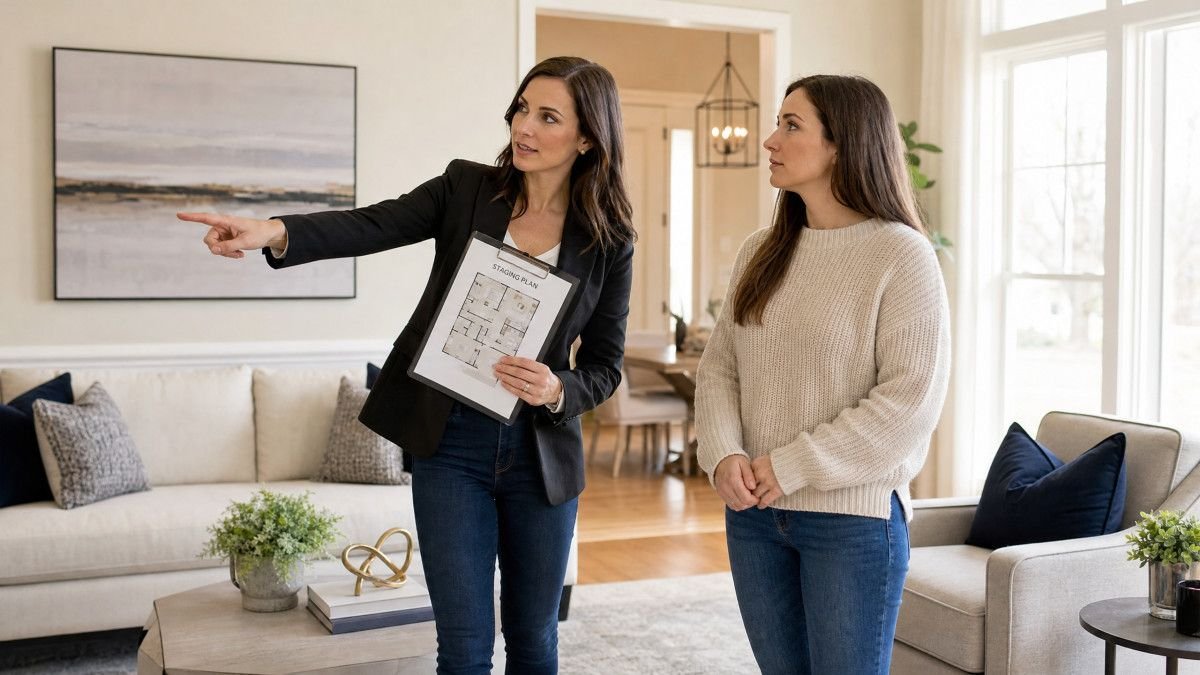
A home staging consultation is a detailed assessment where a professional stager evaluates your property to identify areas for improvement, offering expert recommendations to enhance its market appeal. This process typically involves a walk-through of every room, focusing on how to best highlight your home’s features and address any potential drawbacks from a buyer’s perspective. The stager provides a strategic plan, often including advice on decluttering, minor repairs, paint colors, and furniture placement, all aimed at creating an inviting and desirable space for prospective buyers.
The consultation begins with an initial discussion about your selling goals, timeline, and any specific concerns you might have regarding your property. This allows the stager to tailor their advice to your unique situation. Following this, the stager conducts a comprehensive walk-through, meticulously examining each area of your home, both interior and exterior. They observe flow, lighting, existing decor, and potential buyer objections, taking notes and often photographs to document their findings. This thorough evaluation forms the basis of their recommendations, ensuring a holistic approach to preparing your home for the market.
During the walk-through, the stager will provide verbal recommendations, explaining the rationale behind each suggestion. These might range from simple adjustments, such as rearranging artwork or removing personal items, to more significant changes like painting a room or updating light fixtures. Some stagers offer a “walk-and-talk” service where you take notes, while others provide a detailed written report summarizing their advice. The goal is to empower you with a clear, actionable plan to implement the staging recommendations effectively, transforming your home into a highly desirable listing.
Engaging with the stager during this phase is crucial. Ask questions, clarify any uncertainties, and discuss the feasibility of their suggestions within your budget and timeframe. A collaborative approach ensures that the staging plan is practical and aligns with your resources. Remember, the stager’s expertise is invaluable in identifying aspects of your home that might deter buyers, offering an objective perspective that homeowners often overlook. Their guidance is designed to optimize your property’s presentation, making it stand out in a competitive real estate market.
Decluttering and Depersonalizing
Effective decluttering and depersonalization are foundational steps in preparing for a home staging consultation, creating a neutral canvas that allows potential buyers to envision themselves living in the space. This involves systematically removing excess items, organizing belongings, and packing away personal photographs, memorabilia, and unique decor. By minimizing clutter and personal touches, you present a cleaner, more spacious, and universally appealing environment, enabling the stager to focus on strategic enhancements rather than organizational challenges.
Begin by tackling one room at a time, categorizing items into “keep,” “donate,” “discard,” and “pack for moving.” Focus on clearing all surfaces, including countertops, shelves, and tabletops, to create an impression of ample space. Overstuffed closets and cabinets also convey a lack of storage, so organize these areas to appear half-empty. This not only makes your home look larger but also signals to buyers that there is plenty of room for their own belongings. A well-organized home suggests meticulous maintenance and care, qualities highly valued by prospective purchasers.
Depersonalizing your home is equally important. While family photos and personal collections make a house a home for you, they can distract buyers from focusing on the property itself. Remove all personal photographs, diplomas, religious items, and highly specific decor. Replace them with neutral art or simple, elegant accessories that appeal to a broader audience. The aim is to create a blank slate, allowing buyers to project their own lives and styles onto the space, fostering an emotional connection with the property. This subtle shift can significantly impact how quickly and for how much your home sells.
Consider renting a storage unit for items you plan to keep but don’t need for daily living or staging. This temporary solution helps to create a sense of spaciousness and order within your home. Remember, the less clutter a buyer sees, the more they can appreciate the architectural features and overall layout of the house. According to a 2025 report by the National Association of Realtors (NAR), 83% of buyers’ agents said staging a home made it easier for a buyer to visualize the property as a future home [1]. This statistic underscores the importance of presenting a clean, depersonalized space.
Addressing Repairs and Maintenance
Before a home staging consultation, proactively addressing minor repairs and deferred maintenance is crucial, as these issues can significantly detract from a property’s perceived value and deter potential buyers. This preparation involves fixing leaky faucets, patching holes in walls, repairing broken fixtures, and ensuring all appliances are in good working order. By resolving these small imperfections, you demonstrate meticulous homeownership and prevent stagers from having to focus on basic fixes, allowing them to concentrate on strategic aesthetic improvements that truly elevate your home’s market appeal.
Walk through your home with a critical eye, imagining you are a prospective buyer. Look for dripping faucets, loose doorknobs, squeaky hinges, and any visible cracks or holes in walls and ceilings. These seemingly minor flaws can accumulate and create an impression of neglect, leading buyers to assume there are larger, more costly problems lurking beneath the surface. Addressing these issues beforehand signals to both the stager and future buyers that the home has been well-maintained, instilling confidence in its overall condition.
Pay particular attention to areas that receive heavy use, such as kitchens and bathrooms. Ensure all grout is clean and intact, caulk around sinks and tubs is fresh, and all light bulbs are working and match in color temperature. Consider repainting walls in neutral tones if they are scuffed or brightly colored, as this provides a fresh, clean backdrop for staging. A fresh coat of paint is one of the most cost-effective ways to update a home and make it more appealing to a wider audience, often yielding a high return on investment.
Don’t overlook the exterior of your home. Curb appeal is the first impression buyers get, so ensure your landscaping is tidy, pathways are clear, and the front door is welcoming. Fix any broken fence pickets, clean gutters, and power wash dirty siding or driveways. A well-maintained exterior sets a positive tone before buyers even step inside. According to a study by The Zebra in 2026, a professionally staged home spends 73% less time on the market compared to those without staging, partly due to the positive impression created by addressing maintenance issues [2].
Strategic Cleaning and Odor Elimination
Thorough cleaning and effective odor elimination are paramount before a home staging consultation, as a pristine and fresh-smelling environment significantly enhances a property’s perceived value and buyer appeal. This involves deep cleaning every surface, from floors to ceilings, and neutralizing any lingering odors from pets, cooking, or smoke. By presenting a spotless and inviting atmosphere, you enable the stager to focus on optimizing visual aesthetics, ensuring that the home feels welcoming and well-cared for, which can dramatically influence a buyer’s emotional response.
Undertake a deep clean of your entire home, paying close attention to often-overlooked areas. Scrub bathrooms and kitchens until they sparkle, ensuring all fixtures, tiles, and appliances are gleaming. Clean windows and mirrors to maximize natural light and improve views. Dust all surfaces, vacuum carpets, and mop hard floors. Consider hiring professional cleaners if time or resources are limited, as their expertise can achieve a level of cleanliness that is difficult to match. A truly clean home feels fresh and new, allowing buyers to imagine a move-in ready experience.
Odor elimination is just as critical as visual cleanliness. Lingering smells from pets, cooking, or smoke can be a major deterrent for buyers, often subconsciously influencing their perception of the home. Identify and address the source of any odors, rather than just masking them. This might involve deep cleaning carpets and upholstery, airing out rooms, or even repainting if smoke odors are deeply embedded. Use neutral air fresheners sparingly, or opt for natural methods like baking soda or bowls of fresh citrus to create a subtle, pleasant aroma.
The goal is to create an environment that appeals to all senses, making buyers feel comfortable and at ease. A fresh, clean scent can evoke positive emotions and associations, while unpleasant odors can create an immediate negative impression. Real estate professionals consistently emphasize the importance of a clean and odor-free home in attracting buyers. As one expert, Jane Smith, a veteran home stager with over 15 years of experience, states, “A buyer’s first impression is often sensory. If a home smells clean and looks immaculate, it immediately feels more valuable and cared for.” This highlights the profound impact of a strategically cleaned and odor-free home on buyer perception.
Optimizing Lighting and Curb Appeal
Optimizing both interior lighting and exterior curb appeal is essential before a home staging consultation, as these elements significantly impact a property’s initial impression and overall attractiveness to potential buyers. Enhancing natural and artificial light sources creates a brighter, more spacious interior, while improving the home’s exterior presentation draws buyers in and sets a positive tone. By focusing on these visual aspects, you ensure the stager can build upon a strong foundation, maximizing the home’s perceived value and desirability from the moment a buyer arrives.
Inside your home, maximize natural light by opening all blinds, curtains, and shades. Clean windows thoroughly to allow maximum light penetration. Supplement natural light with appropriate artificial lighting; ensure all light fixtures have working bulbs of consistent color temperature. Brighter rooms feel larger, more inviting, and more modern. Consider adding lamps to dimly lit corners to create a warm and welcoming ambiance. Good lighting can dramatically alter the mood and perception of a space, making it feel more expansive and appealing.
Curb appeal is the first impression your home makes, so it must be impeccable. Mow the lawn, trim hedges, weed garden beds, and plant fresh flowers to add color and vibrancy. Ensure pathways and driveways are clean and free of debris. Consider a fresh coat of paint on the front door, and polish any exterior hardware. A welcoming entrance creates an immediate positive emotional response from buyers, encouraging them to explore further. This initial visual impact is crucial, as it sets the stage for their entire viewing experience.
Small details can make a big difference. Ensure house numbers are clearly visible, mailboxes are in good repair, and outdoor lighting is functional. If you have a porch or patio, arrange outdoor furniture neatly and add some inviting cushions. These touches convey that the home is well-cared for and ready for new occupants. A strong curb appeal not only attracts more potential buyers but also often translates into a higher perceived value for the property. It signals that the interior is likely to be just as well-maintained and appealing.
Preparing Documentation and Information
Preparing relevant documentation and information for your home staging consultant is a proactive step that streamlines the consultation process and enables the stager to provide more precise, tailored advice. This includes gathering details about recent renovations, property disclosures, and any unique selling points of your home. By having this information readily available, you equip the stager with a comprehensive understanding of your property’s history and features, allowing them to develop a more effective staging strategy that highlights its best attributes and addresses potential buyer questions.
Compile a list of all recent upgrades and renovations, including dates and costs. This information is valuable for the stager to understand the investment made in the home and to highlight these features to potential buyers. For example, a newly renovated kitchen or updated bathroom can be a significant selling point. Also, gather any property disclosures or inspection reports that might be relevant, as these can inform the stager about potential areas of concern that need to be visually mitigated or explained.
Be ready to discuss your target buyer demographic, if you have one in mind, and any specific challenges you anticipate in selling your home. For instance, if a room is unusually small or has an awkward layout, sharing this concern with the stager allows them to brainstorm creative solutions. Providing a copy of your home’s floor plan can also be incredibly helpful, as it allows the stager to visualize space and flow more effectively, even after they leave the property. This detailed input ensures the staging advice is highly relevant and practical.
Consider preparing a brief overview of your neighborhood’s amenities, such as nearby schools, parks, shopping centers, and transportation links. While this is typically handled by your real estate agent, having this information on hand can help the stager understand the lifestyle your home offers and how to best market it. The more context you provide, the better equipped your stager will be to craft a compelling narrative for your property. This collaborative approach ensures that every aspect of your home’s appeal is considered and optimized for sale.
Comparison of Staging Approaches
Understanding the different home staging approaches, particularly occupied versus vacant staging, helps homeowners make informed decisions about the best strategy for their property and how to prepare for a consultation. Occupied staging utilizes the homeowner’s existing furniture and decor, with the stager providing guidance on rearrangement, decluttering, and minor enhancements. Vacant staging involves bringing in rental furniture and accessories to furnish an empty home. Each approach has distinct benefits and considerations, influencing the preparation required for a successful consultation.
| Feature | Occupied Staging | Vacant Staging |
|---|---|---|
| Definition | Uses homeowner’s existing furniture and decor. | Furnishes an empty home with rental items. |
| Cost | Generally lower, as it leverages existing assets. | Higher, due to furniture rental and delivery fees. |
| Flexibility | Requires homeowner cooperation for decluttering and rearrangement. | Full creative control for the stager; easier to create a cohesive look. |
| Emotional Detachment | Can be challenging for homeowners to depersonalize. | Easier for buyers to visualize themselves in a neutral space. |
| Time on Market | Often reduces time on market, but depends on homeowner’s implementation. | Significantly reduces time on market and often increases sale price. |
Occupied staging is often preferred when homeowners are still living in the property during the selling process. The stager’s role is to work with what is already present, guiding the homeowner on how to best utilize their belongings to create an appealing space. This might involve recommending which pieces of furniture to keep, how to arrange them for optimal flow, and what accessories to remove or add. The success of occupied staging heavily relies on the homeowner’s willingness and ability to implement the stager’s recommendations, making thorough preparation for the consultation even more critical.
In contrast, vacant staging provides the stager with a blank canvas, allowing them to curate a complete look that perfectly targets the ideal buyer demographic. While more expensive, vacant staging often yields higher returns and faster sales, as the professional presentation is consistent and unhindered by existing personal items. For homeowners considering vacant staging, the preparation for a consultation would involve ensuring the home is completely empty, clean, and ready for the stager to bring in all necessary furnishings and decor. This approach minimizes homeowner involvement in the physical staging process.
Regardless of the chosen approach, the initial consultation remains a pivotal moment. For occupied staging, it’s your opportunity to receive a personalized action plan. For vacant staging, it’s where the stager assesses the property’s potential and discusses design concepts. In both scenarios, a well-prepared homeowner who has addressed basic maintenance and cleanliness allows the stager to provide more advanced, strategic advice, ultimately leading to a more effective staging outcome. The decision between occupied and vacant staging often comes down to budget, timeline, and the homeowner’s comfort level with depersonalizing their living space.
Frequently Asked Questions
What is the primary goal of a home staging consultation?
The primary goal of a home staging consultation is to receive expert advice on how to best present your property to potential buyers. A professional stager will identify areas for improvement, suggest decluttering strategies, and recommend optimal furniture arrangements to enhance your home’s appeal and market value.
How long does a typical home staging consultation last?
A standard home staging consultation usually lasts between one to three hours. This timeframe allows the stager to thoroughly assess each room, discuss your selling objectives, and provide comprehensive recommendations tailored to your home’s unique features and the target buyer demographic.
Should I clean and declutter before the consultation?
While a deep clean and extensive decluttering can wait until after the consultation, it is beneficial to tidy up and remove obvious clutter beforehand. This allows the stager to see the home’s true potential and focus on strategic recommendations rather than basic organizational issues. A clean slate helps them visualize the space more effectively.
What information should I provide to the home stager?
To maximize the consultation’s effectiveness, provide your stager with details about your selling timeline, target buyer, and any budget considerations. Sharing information about recent renovations or specific challenges you perceive in your home can also help the stager offer more precise and actionable advice.
Preparing for a home staging consultation is a strategic investment that significantly contributes to a successful home sale. By understanding the process, diligently decluttering, addressing minor repairs, ensuring cleanliness, and optimizing visual appeal, homeowners can maximize the value derived from expert staging advice. This proactive approach not only streamlines the consultation but also sets the stage for a quicker sale at a potentially higher price, transforming your property into a highly desirable asset in the competitive real estate market.
References
- National Association of Realtors. “2025 Profile of Home Staging.”
- The Zebra. “Home Staging Statistics in 2026.”