
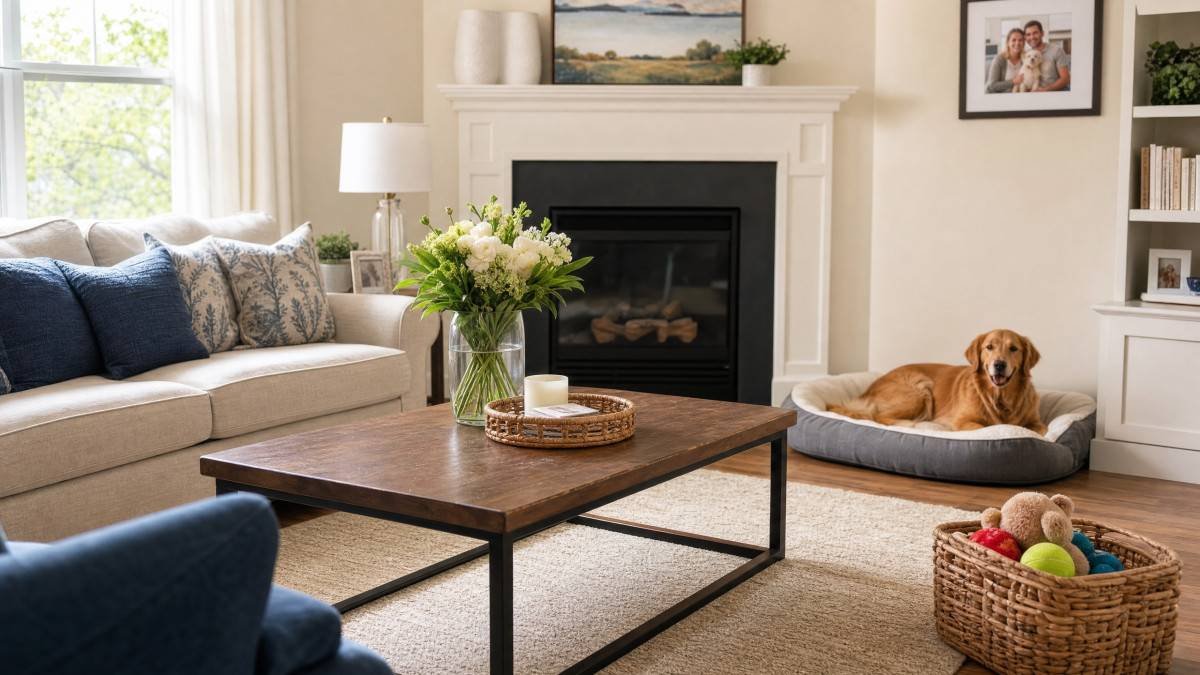

Neutralizing Pet Odors Effectively
Eliminating pet odors is paramount when selling a home, as even faint smells can deter potential buyers and negatively impact property value. A multi-faceted approach involving deep cleaning, specialized products, and professional services ensures a fresh, neutral environment that appeals to everyone.
Lingering pet odors are often the most significant challenge for pet owners trying to sell their homes. What might be unnoticeable to a pet owner can be overwhelmingly apparent to a visitor, especially those without pets or with allergies. These odors can permeate carpets, upholstery, drapes, and even walls, creating an unwelcoming atmosphere. The first step in odor neutralization is a thorough deep clean. This goes beyond surface cleaning and involves steam cleaning carpets and upholstery, washing all washable fabrics (curtains, bedding, throw blankets), and cleaning hard surfaces with appropriate pet-safe, odor-eliminating cleaners. Ensure all pet bedding, litter boxes, and food bowls are meticulously cleaned or removed from the premises.
For more stubborn odors, enzymatic cleaners are highly effective as they break down odor-causing molecules rather than just masking them. These can be used on carpets, subflooring, and even concrete where pet accidents may have occurred. It is crucial to identify the source of the odor; sometimes, urine can seep into subflooring, requiring more extensive treatment or even replacement of affected sections. Professional cleaning services specializing in pet odor removal often have industrial-grade equipment and stronger solutions that can tackle deeply embedded smells. According to a survey by Zillow, 68% of buyers are turned off by pet odors, making it a top concern during home viewings [1].
Beyond cleaning, consider airing out the home regularly by opening windows and using fans to circulate fresh air. Replace air filters in your HVAC system, as these can trap pet dander and odors. During showings, avoid using strong air fresheners or diffusers, as these can sometimes exacerbate the problem by mixing with existing odors or signaling to buyers that odors are being concealed. Instead, aim for a truly neutral scent. The goal is for the home to smell clean and fresh, allowing buyers to focus on it
Minimizing Visible Pet Damage
Addressing visible pet damage is crucial for presenting a well-maintained home, as obvious wear and tear can lead buyers to assume deeper structural issues and prompt them to offer lower prices. Proactive repairs and cosmetic enhancements ensure that the home appears pristine and cared for, maximizing its appeal and value.
Visible signs of pet ownership, such as scratched hardwood floors, chewed doorframes, or stained carpets, can immediately detract from a home’s perceived value. These damages suggest neglect and can lead buyers to factor in significant repair costs, even for minor issues. Before listing, conduct a comprehensive walkthrough of the entire property, paying close attention to areas where pets spend the most time. This includes examining flooring for scratches or stains, checking baseboards and door casings for chew marks, and inspecting window screens for tears. Addressing these issues proactively demonstrates to buyers that the home has been well-maintained and eliminates potential negotiation points.
Repairing pet damage often involves a combination of DIY efforts and professional assistance. Minor scratches on hardwood floors can sometimes be buffed out or concealed with wood repair kits, while deeper gouges may necessitate professional refinishing. For carpets, small stains might be removed with specialized cleaners, but extensive or set-in stains often require professional cleaning or even replacement of the affected area. Repainting walls can cover scuffs and provide a fresh, neutral backdrop, which is always appealing to buyers. According to a report by the National Association of Realtors, homes with visible pet damage can see a reduction in offers by as much as 10-15% [2].
Beyond repairs, consider temporary measures to conceal pet-related wear during showings. Area rugs can strategically cover minor floor imperfections, and well-placed furniture can hide scuffs on walls. The objective is to present a home that looks as close to new as possible, allowing buyers to envision themselves living there without the immediate concern of costly repairs. This attention to detail not only improves the home’s aesthetic but also communicates a strong message about the owner’s care and diligence, fostering trust with potential buyers.
Staging for Success: Pet Edition
Effective home staging for pet owners involves creating a neutral and appealing environment that minimizes pet presence while highlighting the home’s best features. This strategic approach ensures that potential buyers, regardless of their stance on animals, can envision themselves comfortably living in the space.
When staging a home with pets, the primary goal is to depersonalize the space and remove any overt signs of animal habitation. This means packing away all pet toys, food bowls, beds, crates, and leashes. While it might feel counterintuitive to hide beloved family members’ belongings, it allows buyers to see the home as a blank canvas, free from distractions. Consider storing these items off-site or in a discreet, easily accessible location during showings. The aim is to create an atmosphere that is clean, spacious, and universally appealing, rather than one that caters specifically to pet owners.
Strategic furniture arrangement can also play a role in pet-friendly staging. If certain pieces of furniture have been heavily used by pets, consider temporarily replacing them or covering them with clean, neutral throws. Ensure that all surfaces are free of pet hair and paw prints. Highlighting durable, pet-friendly features, such as tile or laminate flooring in high-traffic areas, can be a subtle way to appeal to pet owners without alienating others. However, this should be done without making the home feel like a dedicated pet haven. The focus remains on the home’s inherent qualities and its potential for any buyer.
Creating a welcoming ambiance extends to the outdoor spaces as well. Ensure that yards are free of pet waste and any signs of digging or damage. Repairing fences and maintaining landscaping can significantly enhance curb appeal, which is the first impression many buyers will have. A well-maintained exterior suggests a well-maintained interior, and this perception is critical for pet owners who might have concerns about their animals’ impact on the property. By meticulously staging both inside and out, sellers can present a home that feels fresh, clean, and ready for its next occupants, regardless of their furry companions.
Managing Showings with Pets
Successfully navigating home showings with pets requires careful planning and execution to ensure a smooth, stress-free experience for both animals and prospective buyers. The objective is to remove pets from the premises during viewings, allowing buyers to explore the home without distraction or potential discomfort.
The golden rule for showings when selling a home with pets is simple: pets should not be present. Even the most well-behaved animals can be a distraction, and some buyers may have allergies or phobias that could negatively impact their perception of the home. Arrange for pets to stay with a friend, family member, or at a pet daycare during scheduled showings and open houses. This ensures that buyers can freely explore the property without any interruptions or concerns about animal interaction. It also reduces stress for the pets, who might find the presence of strangers in their territory unsettling.
Beyond physical removal, it is important to eliminate all traces of pet presence just before a showing. This includes a quick vacuum to pick up any stray hairs, a final check for odors, and ensuring all pet-related items are out of sight. Even a hidden litter box or a forgotten dog toy can signal to buyers that pets live in the home, potentially triggering concerns about cleanliness or damage. A study by Coldwell Banker found that 85% of real estate agents believe removing pets from a home during showings is beneficial [3]. This statistic underscores the importance of creating a neutral environment.
For sellers with pets that cannot be easily relocated, such as fish in an aquarium, ensure their enclosures are impeccably clean and well-maintained. Provide clear instructions to agents regarding any remaining pets, emphasizing that they are contained and will not interfere with the showing. However, this should be a last resort. The ideal scenario is a completely pet-free home during all viewings, allowing buyers to focus solely on the property’s merits and envision it as their own, free from any animal-related associations.
Legal and Disclosure Considerations
Understanding the legal and disclosure requirements related to pet ownership during a home sale is vital to avoid potential liabilities and ensure a transparent transaction. Sellers must be aware of what information they are legally obligated to provide and how to address any pet-related incidents responsibly.
While specific disclosure laws vary by state and locality, sellers are generally required to disclose any known material defects of the property. This can include significant pet damage that impacts the structural integrity or value of the home, such as extensive urine stains that have seeped into subflooring or severe scratching that compromises the integrity of doors or walls. Failure to disclose such issues could lead to legal repercussions after the sale. It is always advisable to consult with a real estate attorney or your agent to understand the precise disclosure requirements in your jurisdiction. Transparency builds trust and can prevent future disputes, even if it means addressing minor pet-related issues upfront.
Beyond structural damage, sellers should also consider potential liabilities related to pet behavior. If a pet has a history of aggression or has caused injury to individuals on the property, this information might need to be disclosed, especially if the pet will remain on the premises during showings. While most buyers are understanding, any undisclosed risks could lead to serious legal issues. A proactive approach involves addressing behavioral issues before listing the home or ensuring the pet is never present when potential buyers are viewing the property. This protects both the seller and the prospective buyer from unforeseen incidents.
Furthermore, some homeowner associations (HOAs) have specific rules regarding pet ownership, including breed restrictions or limits on the number of animals. Sellers should be prepared to provide potential buyers with a copy of the HOA’s pet policies, as this information can be a significant factor in a buyer’s decision-making process. “Full disclosure, even of seemingly minor pet-related issues, is always the best policy,” advises David Lee, a real estate lawyer specializing in property transactions. “It fosters goodwill and prevents surprises that could derail a sale or lead to litigation down the line.” Ensuring all legal and ethical considerations are met provides a smoother, more secure selling process for everyone involved.
Post-Sale Deep Clean
A comprehensive deep clean after vacating the property is a final, critical step for pet owners, ensuring the home is truly pristine for the new occupants and preventing any lingering pet traces. This meticulous cleaning reinforces a positive impression and avoids potential issues for the buyers.
Even after all the staging and pre-sale cleaning efforts, a final, thorough deep clean once the home is empty is highly recommended for pet owners. This ensures that any remaining pet dander, hairs, or subtle odors are completely eradicated, leaving the home in immaculate condition for the new owners. This final cleaning should go beyond a superficial wipe-down and include professional services for carpets, drapes, and potentially even air duct cleaning. The goal is to deliver a home that feels brand new, free from any reminders of previous animal occupants. This gesture of goodwill can significantly enhance the buyer’s move-in experience and prevent any post-sale complaints related to pet residue.
Consider hiring a professional cleaning service that specializes in pet odor and dander removal. These services often use industrial-grade equipment and specialized cleaning agents that are more effective than standard household products. Pay particular attention to areas that pets frequented, such as corners, behind furniture, and any enclosed spaces where odors might concentrate. Cleaning all hard surfaces, including floors, countertops, and cabinets, with appropriate disinfectants is also essential. This comprehensive approach ensures that even buyers with severe pet allergies will find the home comfortable and welcoming.
The investment in a post-sale deep clean is a small price to pay for peace of mind and a smooth closing. It demonstrates respect for the new homeowners and ensures that the transition is as seamless as possible. “Leaving a home impeccably clean, especially after having pets, is a mark of a considerate seller,” states Maria Rodriguez, a veteran real estate agent. “It sets a positive tone for the new owners and can prevent any last-minute issues or dissatisfaction.” This final act of diligence ensures that the home is truly ready for its next chapter, free from any lingering traces of its previous furry residents.
| Aspect | Pet-Friendly Home (Before Sale) | Staged Home (For Sale) |
|---|---|---|
| Odors | Familiar pet scents may be present. | Neutralized, fresh, and inviting. |
| Visible Damage | Scratches, chew marks, stains may be visible. | Repaired, concealed, or eliminated. |
| Pet Items | Bowls, toys, beds, crates openly displayed. | All pet items removed or discreetly stored. |
| Cleaning | Regular household cleaning. | Deep cleaning, professional services. |
| Showings | Pets may be present during viewings. | Pets always removed from premises. |
Frequently Asked Questions
How can I eliminate pet odors before showing my home?
Eliminating pet odors requires a multi-step approach. Start with a deep clean of all carpets, upholstery, and drapes. Use enzymatic cleaners to break down odor-causing molecules, not just mask them. Consider professional cleaning services for stubborn smells, and ensure litter boxes or pet bedding are removed during showings.
Should I remove my pets during open houses and showings?
Yes, it is highly recommended to remove pets from the home during open houses and showings. This prevents potential distractions, allergies, or fears among buyers. Arrange for pets to stay with a friend, family member, or at a pet daycare to ensure a calm and neutral environment for prospective buyers.
What are common pet-related damages to look for and repair?
Common pet-related damages include scratched floors, chewed baseboards, stained carpets, and damaged screens. Thoroughly inspect your home for these issues and make necessary repairs. Fresh paint can cover minor wall scuffs, and professional carpet cleaning or replacement might be needed for significant stains.
How can I make my home appealing to non-pet owners?
To appeal to non-pet owners, focus on creating a spotless, odor-free, and neutral environment. Remove all pet-related items like bowls, toys, and beds before showings. Emphasize the home’s cleanliness and any durable, pet-friendly features that could also benefit non-pet owners, such as easy-to-clean flooring.
Selling a home when you have pets presents unique challenges, but with careful planning and diligent execution, these obstacles are entirely surmountable. By focusing on odor neutralization, damage repair, strategic staging, and meticulous management of showings, pet owners can significantly enhance their home’s marketability. The ultimate goal is to present a clean, neutral, and inviting space that appeals to the widest possible range of buyers, ensuring a smooth and successful sale for both you and your beloved companions.
References
- National Association of Realtors. “Home Buyers and Sellers Generational Trends Report.”
- Coldwell Banker. “Selling Your Home with Pets: Tips for a Smooth Sale.”
- Coldwell Banker. “Selling Your Home with Pets: Tips for a Smooth Sale.”