
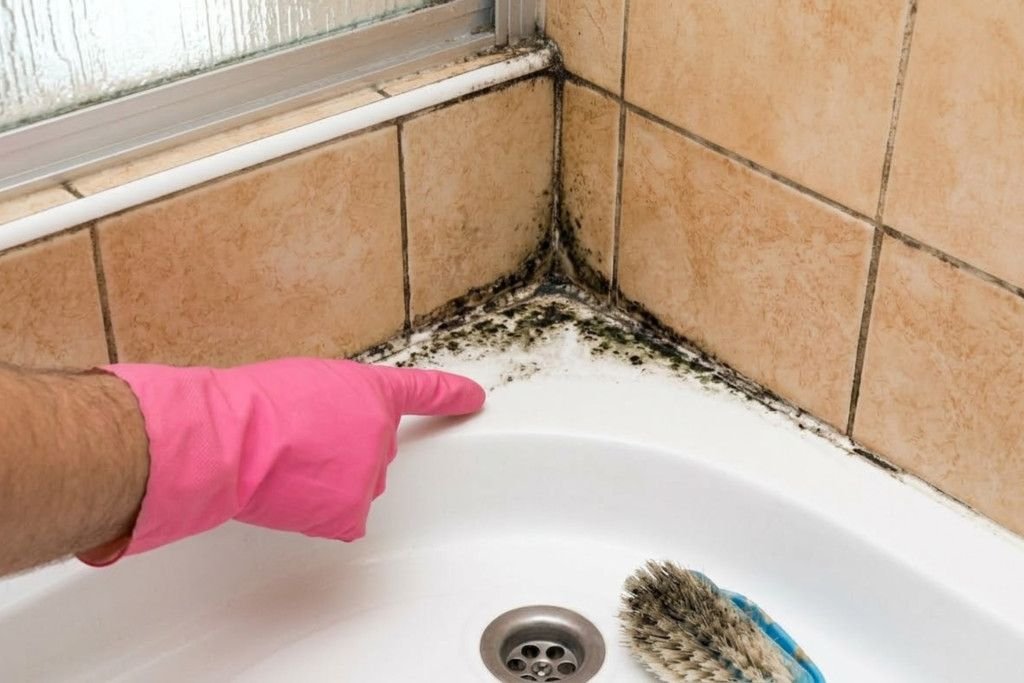

The grout line in the corner of the shower has been cracked for at least a year. You caulked over it twice. Water got behind the tile anyway. Now the bottom row of wall tiles has a faint give when you press on them, and a tile near the soap dish popped off in your hand while you were cleaning. You are not retiling a shower because you want to. You are retiling because the alternative is the ceiling below the shower caving in, shares BHB Real Estate team.
Removing shower tile is noisy, dusty, and physically demanding. It is also the demolition phase of a shower renovation, which means what you find behind the tile determines the scope of the project. The tile removal itself follows a predictable sequence. Whether the wall behind it is still sound is the question that separates a weekend retile from a two-week gut renovation. This guide covers the removal process and the moment when you discover what you actually signed up for.
Before You Touch a Single Tile
Protect the Shower Pan or Tub
Falling tile shards will chip a fiberglass shower pan, scratch an acrylic tub, and crack a cast iron surface if a large piece lands corner-first. Cover the entire pan or tub with a heavy drop cloth, then lay a sheet of plywood or a piece of old carpet face-down on top. The plywood distributes the impact. The drop cloth catches the small shards that get past the wood. Tape the edges of the drop cloth to the walls so nothing slips underneath.
Cover the drain with duct tape. Tile chips and mortar dust will clog a drain faster than you think, and snaking a shower drain full of construction debris is a job you do not want to add to this project.
Contain the Dust
Hang plastic sheeting over the shower opening and any doorway to the bathroom. Tape it at the top and let it hang to the floor. Run a box fan in a window blowing outward to create negative pressure. The dust from removing wall tile is not as fine as concrete dust, but grout dust and mortar dust are both silica-based. Wear an N95 respirator, not a paper dust mask. Safety glasses are not optional. A shard of ceramic tile moving at hammer speed hits hard enough to blind.
According to wikiHow’s ceramic tile removal guide, co-authored by tile renovation specialist Art Fricke with over 10 years of bathroom and kitchen renovation experience, wearing thick work gloves, safety glasses, long sleeves, and long pants is the minimum safety requirement before striking any tile with a hammer.
Three Methods for Removing Shower Wall Tile
Method 1: By Hand with Chisel and Hammer
This is the slowest method and the most controlled. It preserves the substrate behind the tile if the substrate is still good, which is rarely the case in a shower with water damage. For a shower where only a few tiles need replacement and the wall behind them is solid, hand removal is the right call.
Start at the top of the wall and work down. Gravity is your assistant. If you start at the bottom, the tiles above lose support and come down unpredictably. Hold a cold chisel against the bottom edge of a tile at a 30 to 45-degree angle. Strike the chisel handle with a hammer. The tile will either pop free whole or break. If it breaks, reposition the chisel under the remaining piece and repeat. Work across the top row, then move down one row at a time.
Art Fricke recommends tapping from the center of the tile outward if the tile resists. Once a piece comes off, slide the chisel behind the remaining tile and tap sideways to shear it off the mortar. The tile-to-mortar bond is strong in compression but weak in shear. Sideways force breaks the bond without transferring as much impact to the substrate.
Method 2: Electric Hammer Chisel
For a full shower wall removal, rent an electric hammer chisel. It is a handheld demolition tool, similar to a small jackhammer, with a wide flat blade designed specifically for tile removal. Rental costs $50 to $60 per day. For a standard shower with three tiled walls, the hammer chisel turns a two-day hand-chiseling project into a two-hour job.
Hold the tool with both hands. Set the blade against the bottom edge of a tile at a shallow angle. Pull the trigger and let the tool do the work. Do not force it. The hammer action breaks the mortar bond through vibration. Pushing hard just dulls the blade and tires your arms. Work top to bottom, same as hand removal. Clear broken tiles off the floor frequently. A pile of ceramic shards underfoot is a slip hazard.
The hammer chisel will destroy the substrate behind the tile. This is usually the point. If you are removing all the tile, you are almost certainly replacing the cement board or drywall behind it. The hammer chisel removes both the tile and the damaged substrate in one pass, saving you the separate step of prying off backer board.
Method 3: Single Tile Replacement
If only one tile is cracked and the rest of the wall is sound, removing a single tile without damaging its neighbors requires a different approach. Cut out the grout surrounding the tile with a grout saw or an oscillating multi-tool with a grout-removal blade. Remove all grout down to the substrate. A tile surrounded by intact grout is mechanically locked in place even if the mortar bond has failed.
Once the grout is cleared, drill several holes through the tile with a carbide-tipped masonry bit. This relieves the internal stress in the tile so it can be removed in pieces rather than prying against neighbors. Tap the center of the tile with a hammer to crack it, then use a cold chisel to pry the pieces out from the center toward the edges. Scrape the old mortar off the substrate with a chisel until the surface is smooth enough for a replacement tile.
What You Will Find Behind the Tile
This is the part of shower tile removal that separates a straightforward retile from a full gut renovation. In order of best to worst:
Cement Board in Good Condition (Best Case)
The mortar comes off cleanly with some chisel work. The cement board is firm, with no soft spots, no discoloration, and no crumbling edges. The waterproofing behind it, either a plastic sheet or a surface-applied membrane, appears intact. You can scrape the remaining mortar, patch any gouges with thinset, and retile directly over the existing cement board. This happens in roughly one out of ten shower demolitions.
Wet Cement Board (Salvageable)
The cement board is intact but damp in the bottom 12 inches around the shower pan, and there is a faint musty smell. The board has been absorbing water through cracked grout for months. If the board is not crumbling or delaminating, it can be dried out with a fan for 48 hours and reused after the old mortar is scraped. But the waterproofing has been compromised. You must apply a liquid waterproofing membrane over the entire surface before retiling, because the original waterproofing layer was breached by the water that got in.
Drywall Behind Tile (Bad)
In homes built before the 1990s, and in many builder-grade homes built after, shower walls are sometimes tile directly over green board or even standard drywall. This was code-compliant at the time. It is not acceptable by modern standards. If you find drywall behind shower tile, and the drywall shows any sign of moisture damage, which it will, it all comes out. Drywall wicks water. The damage extends well beyond the visible soft spots. Remove all drywall from the shower area, replace it with cement board or a foam backer board, and apply a waterproofing system. This is not optional. Tiling over water-damaged drywall is how you end up redoing the shower again in three years.
Rotten Studs (Worst Case)
Water that got past the tile and the substrate has been soaking the wood framing for years. The studs are dark, soft, and you can push a screwdriver into them with thumb pressure. This is a structural repair, not a tile project. The rotten sections must be cut out and replaced with new lumber, sistered to the existing framing. The shower pan may also have been affected. At this point, the project has escalated from tile removal to a full shower rebuild. Call a contractor if you are not comfortable with framing and structural repair.
After the Tile Is Out: What Comes Next
With the tile removed, scrape all remaining mortar off the substrate with a chisel or a floor scraper. The surface must be smooth and flat for the next layer of tile. Any ridge of old mortar will cause the new tile to sit proud of its neighbors.
Vacuum every surface. Tile dust and mortar dust are alkaline and interfere with thinset adhesion. Wipe the walls with a damp sponge and let them dry completely before applying any waterproofing or setting new tile.
Inspect the shower valve, the shower head supply pipe, and any plumbing in the wall. You now have access that will not come again without another demolition. If the shower valve is original to the house and the house is more than 20 years old, replace it now. The valve costs $60 to $150. Replacing it after the new tile is installed costs ten times that in labor and tile repair.
What Shower Tile Removal Costs and How Long It Takes
| Method | Tools Cost | Time (3 walls) |
| Hand chisel + hammer | $15-30 (chisel set) | 1-2 days |
| Electric hammer chisel (rental) | $50-60/day | 2-3 hours |
| Single tile replacement | $10-20 (grout saw) | 30-60 minutes |
| Professional demolition + disposal | $300-600 | 4-6 hours |
Disposal is the hidden cost. A full shower tile removal produces 100 to 200 pounds of broken tile and mortar. Most municipal trash services will not take construction debris. Rent a dumpster bag ($30 at home improvement stores, plus a collection fee of $100 to $150) or haul it to the landfill yourself. Tile debris is sharp. Double-bag it in contractor-grade trash bags.
Frequently Asked Questions
Can I just tile over the existing shower tile instead of removing it?
Technically yes, but in a shower, doing so introduces multiple failure points. The new tile bonds only as well as the old tile’s bond to the substrate. Any water that gets past the new grout, and grout is not waterproof, is trapped between two impermeable layers with no drainage path. The wall assembly cannot dry. The result is accelerated failure of the substrate and mold growth in the wall cavity. Tile-over-tile is acceptable on a dry floor or a backsplash. It is a bad idea in a wet area like a shower. Remove the old tile.
What if the shower was built before 1980 and might have asbestos in the drywall or mortar?
Shower wall assemblies built before the 1980s may contain asbestos in the drywall compound, the tile adhesive, or the grout. If your house was built before 1980 and you are removing shower tile, have a sample of the material tested before beginning demolition. Testing costs $25 to $50 at a local lab. If asbestos is present, hire a licensed abatement contractor. The cost is higher, but disturbing asbestos without containment spreads fibers through the house. Mesothelioma has no cure.
Can I leave the old cement board and just retile over it?
If the cement board is dry, firm, and the waterproofing layer behind or on it is intact, yes. Scrape the mortar smooth, patch any damage with thinset, and apply a liquid waterproofing membrane over the entire surface before setting new tile. The old waterproofing has screw holes, scrapes from chisel work, and years of thermal cycling. The new membrane ensures a continuous waterproof barrier. If any section of the cement board is soft or crumbling, that section comes out and is replaced.
How do I remove a built-in soap dish or corner shelf without damaging the surrounding tile?
Built-in soap dishes and corner shelves are set into the wall with mortar and often have a rim that overlaps the surrounding tile. Cut the grout around the perimeter with a grout saw or oscillating tool. Tap the center of the soap dish with a hammer to crack it. Pry the pieces out from the center with a chisel. Do not pry against the surrounding tiles. The rim of the soap dish sits on top of the tile. If you pry from the outside edge, you lever against the tile you are trying to save and will crack it. Work from the center outward until all pieces are free.
The Moment When You Know the Scope
Shower tile removal is the demolition that precedes the renovation. The work is satisfying in the way that breaking things with a hammer is always satisfying. The real decision comes when the tile is off and you are looking at the wall behind it. If it is cement board, dry, and the waterproofing held, you are in good shape. If it is drywall, wet, or rotten, the project just expanded. Accept it. The worst thing you can do at that moment is cover bad substrate with new tile and pretend the problem went away. It did not. It is just hidden behind tile that cost more than the first tile and will have to be removed again in a few years.