

Interior Warning Signs: What to Look for Room by Room
Begin your interior inspection in the rooms most susceptible to water intrusion: the basement, bathrooms, kitchen, and laundry room. In the basement, look for efflorescence (white mineral deposits) on concrete walls, which indicates water has been migrating through the foundation. Staining at the base of walls, a musty or earthy odor, and rust stains around floor drains are additional indicators of chronic moisture intrusion. Tap on basement walls; a hollow sound in areas that should be solid can indicate that moisture has caused the material to delaminate.
In bathrooms, inspect the caulking and grout around the tub, shower, and toilet base. Deteriorated, cracked, or missing caulk allows water to penetrate behind tile and into the subfloor, causing progressive damage that may not be visible until the subfloor has been significantly compromised. Soft or spongy flooring near the toilet or tub is a reliable indicator of subfloor damage. Check under bathroom sinks for staining, warping of cabinet materials, or the presence of mold on the back wall of the cabinet.
Ceiling and Wall Stains: Reading the Evidence
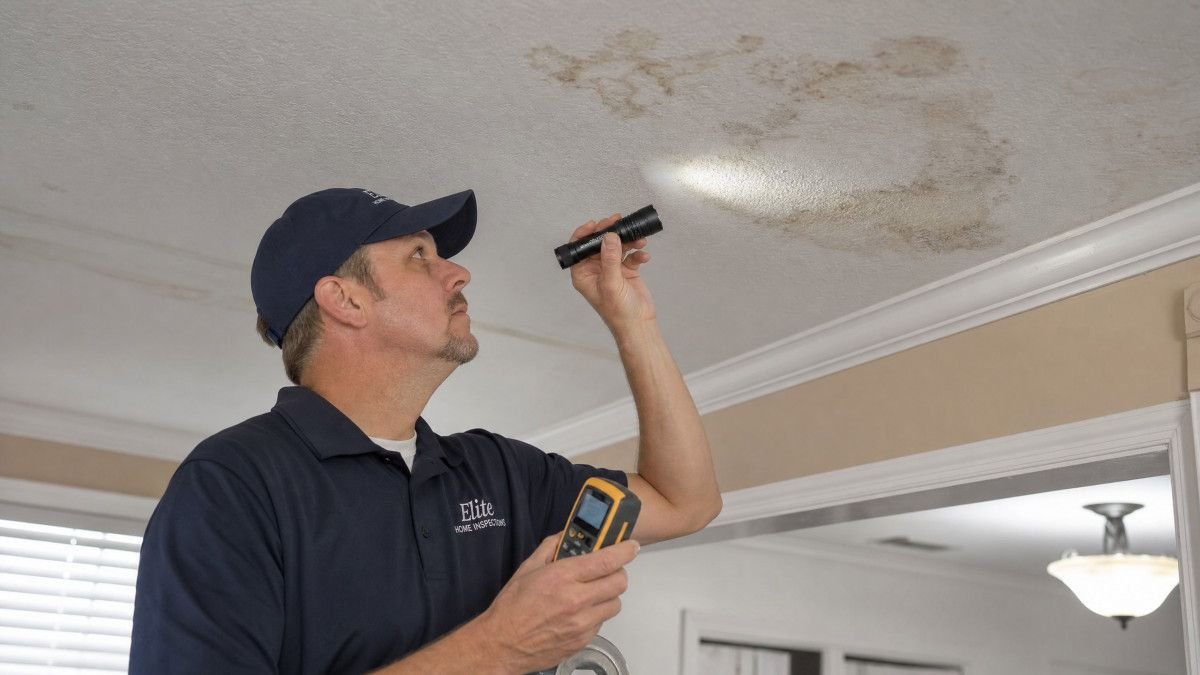
Ceiling stains are among the most visible indicators of water damage and should always be investigated. A yellow or brown ring-shaped stain on a ceiling typically indicates a past or ongoing roof leak or plumbing leak from the floor above. The shape and color of the stain can provide clues about the source: a stain directly below a bathroom is more likely to indicate a plumbing leak, while a stain near an exterior wall or in a corner may suggest roof or flashing issues.
Fresh paint over a stain is a common attempt to conceal water damage. Look for areas of ceiling or wall paint that appear newer or have a slightly different sheen than the surrounding surface. A moisture meter – a tool that measures the moisture content of building materials – can detect elevated moisture levels behind painted surfaces and is a standard tool in a professional home inspector’s kit. Buyers who are particularly concerned about water damage can request that the inspector use a moisture meter throughout the property.
Basement and Foundation Water Intrusion
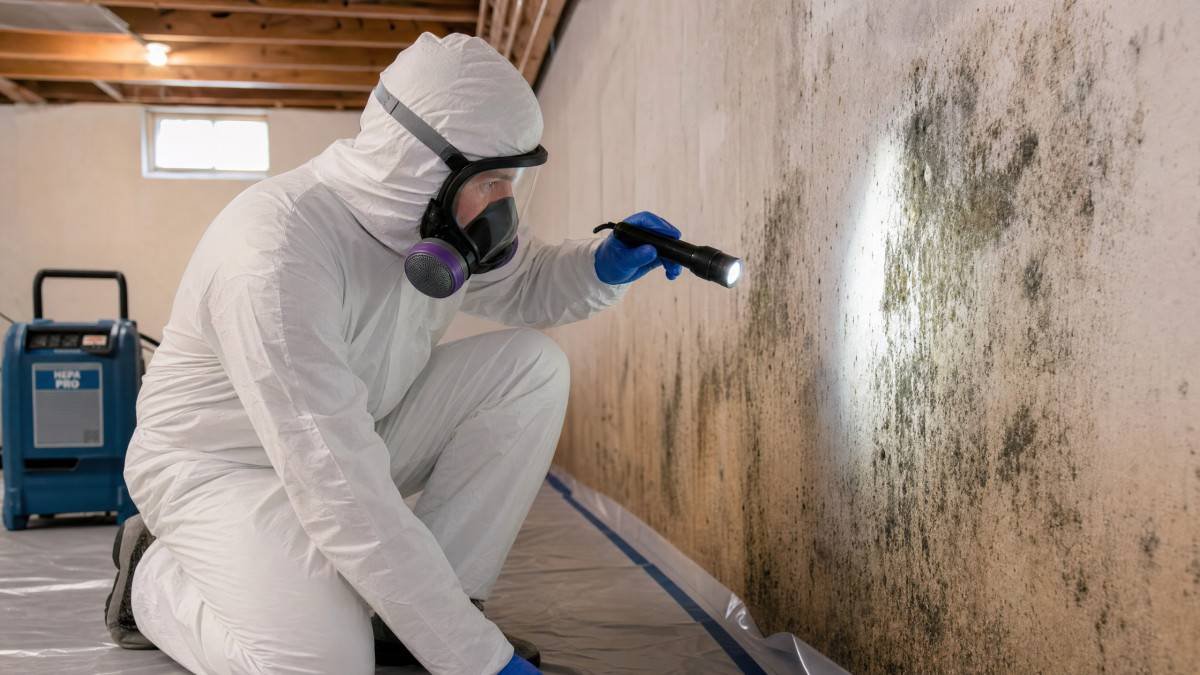
Foundation water intrusion is among the most serious forms of water damage, as it can affect the structural integrity of the home and create chronic moisture conditions that support mold growth. Signs of foundation water intrusion include horizontal cracks in poured concrete or block foundation walls (which can indicate hydrostatic pressure from saturated soil), staining at the base of foundation walls, and the presence of a sump pump – which, while a legitimate water management tool, indicates that the basement is prone to water accumulation.
Exterior grading – the slope of the ground immediately surrounding the foundation – plays a critical role in directing surface water away from the home. Negative grading, in which the ground slopes toward the foundation, allows rainwater to pool against the foundation wall and infiltrate the basement. Inspect the grading around the entire perimeter of the home during your visit, and note any areas where soil, mulch, or hardscaping has settled in a way that directs water toward the foundation.
Roof and Attic Inspection for Water Damage
The roof is the primary barrier between the home’s interior and the elements, and roof-related water damage is one of the most common sources of interior moisture problems. During a property tour, look for missing, curling, or cracked shingles, damaged flashing around chimneys and skylights, and sagging areas that may indicate structural damage from chronic moisture. Gutters that are clogged, damaged, or improperly pitched can cause water to overflow and pool against the foundation or infiltrate behind the fascia board.
The attic is often the first place where roof leaks manifest. During a professional inspection, the inspector should access the attic and look for water stains on the roof sheathing, daylight visible through the roof, and signs of mold or mildew on the framing members. Inadequate attic ventilation can also cause moisture problems by allowing condensation to accumulate on cold surfaces during winter months.
Plumbing System Inspection
Plumbing leaks – both active and historical – are a significant source of water damage in residential properties. During a property tour, turn on faucets and flush toilets to observe water pressure and drainage. Check under all sinks for staining, warping, or mold on cabinet materials. Inspect the area around the water heater for rust stains, corrosion, or pooling water. In homes with older galvanized steel pipes, ask about the plumbing history and whether any sections have been replaced.
The washing machine connection is a frequently overlooked source of water damage. Rubber washing machine hoses have a typical lifespan of five years and are a leading cause of residential water damage when they fail. Inspect the hose connections for signs of bulging, cracking, or mineral deposits, and note whether the hoses are rubber or the more durable braided stainless steel variety.
Frequently Asked Questions
What are the common signs of hidden water damage?
Common signs include musty odors, unexplained staining on ceilings or walls, bubbling or peeling paint, warped or soft flooring, and visible mold growth.
How can I detect water leaks in my home?
Monitor your water meter for unexplained usage, check under sinks and around appliances for staining, and listen for running water when all fixtures are off.
When should I call a professional for water damage?
Call a professional when you discover active leaks, significant staining or mold growth, soft or structurally compromised materials, or when a musty odor persists.
What are the risks of undetected water damage?
Undetected water damage can lead to progressive structural deterioration, mold colonization, and compromised insulation – all of which become exponentially more expensive to address over time.
How can I prevent future water damage?
Inspect and maintain the roof annually, clean gutters seasonally, maintain proper grading around the foundation, replace washing machine hoses every five years, and install water leak detectors.
Conclusion
Water damage is a pervasive and potentially devastating defect in residential real estate. Buyers who develop the ability to recognize its warning signs – and who invest in a thorough professional inspection that includes moisture testing – are far better positioned to avoid purchasing a property with hidden water damage issues. When water damage is discovered during the due diligence process, it becomes a negotiating opportunity: buyers can request remediation, a price reduction, or a repair credit that reflects the true cost of addressing the problem. The key is to identify the issue before closing, while you still have the leverage to act on it.
