
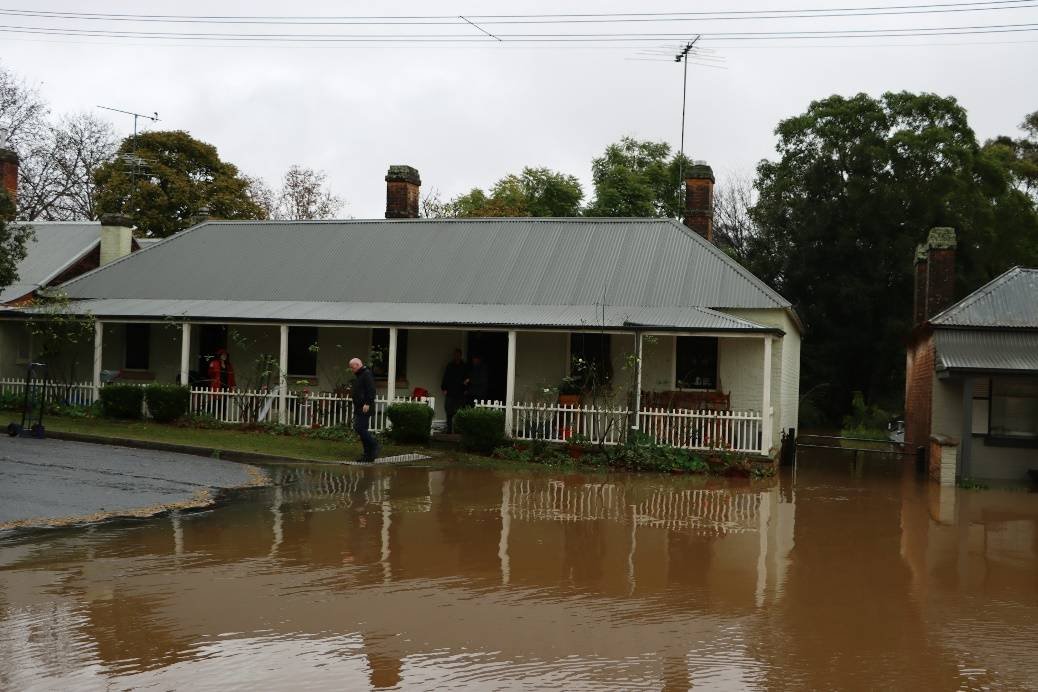

Water has a quiet way of working against a home. It seeps into places no one thinks to check, sits behind walls for weeks, and slowly weakens the very things that hold a house together. By the time most homeowners notice a stain on the ceiling or a soft spot on the floor, the problem has already settled deeper than the surface suggests. What looks like a minor inconvenience often turns out to be the early warning of something far more serious.
Understanding how water affects a home is the first step toward protecting both its physical condition and its long-term worth. Every part of a house, from the foundation to the roofline, reacts differently to moisture, and each reaction shapes how the property holds up over time. The damage may begin small, but its consequences reach far beyond the visible.
What a Standard Restoration Process Looks Like
When moisture takes hold inside a home, the recovery work needs to be handled with precision and speed. The longer water sits, the more it interacts with materials, and the harder it becomes to reverse the damage. A proper response covers more than just removing the water itself, because lasting recovery depends on addressing every layer of the problem from start to finish.
A typical water damage restoration process brings together several connected services, beginning with water mitigation to contain the source and dry out the affected areas. From there, mold remediation addresses any growth that has taken hold in damp materials, followed by full restoration and reconstruction to rebuild the parts of the home that cannot be saved. In some cases, fire mitigation also becomes part of the recovery when heat or smoke damage is involved alongside moisture.
How Moisture Weakens the Foundation
The foundation carries the entire weight of a home, and when water reaches it, the consequences can be slow but severe. Saturated soil around the base of a house expands and contracts, putting uneven pressure on concrete and masonry. Over time, this pressure leads to cracks, shifting, and in more serious cases, sections of the foundation that begin to settle at different rates.
Once a foundation begins to move, the rest of the house follows. Doors stop closing properly, windows stick in their frames, and small cracks appear along interior walls. These signs may seem cosmetic at first, but they often point to a deeper structural shift that becomes more expensive to address the longer it is ignored.
Damage to Walls, Ceilings, and Flooring
Walls and ceilings absorb moisture quickly, especially when they are made of drywall or plaster. Once saturated, these materials lose their shape, sag under their own weight, and create the perfect environment for mold to grow behind the surface. Even after the visible area dries, the structural integrity of the wall is often compromised, and replacing it becomes the only reliable fix.
Flooring tells a similar story. Hardwood swells and buckles, laminate separates at the seams, and tile can lift as the adhesive beneath it breaks down. Carpet padding holds moisture for long periods, which encourages bacterial growth and unpleasant odors that are difficult to remove. Each of these issues reduces the comfort of the home and signals to any future buyer that the property has been through something serious.
The Hidden Threat of Mold and Air Quality Issues
One of the most overlooked consequences of water damage is what happens to the air inside the home. Moisture trapped in walls, insulation, and under flooring creates conditions where mold thrives, often without any visible sign for weeks or months. The spores spread through the ventilation system, settle into fabrics, and slowly affect the quality of the indoor environment.
Beyond the health concerns this raises, mold has a direct effect on property value. Buyers and inspectors treat it as a major red flag, and even after remediation, the history of mold can shape how a home is perceived on the market.
Electrical Systems and Hidden Risks
Water and electricity make a dangerous pair, and damage to wiring is one of the most underestimated outcomes of a leak or flood. Even small amounts of moisture inside outlets, switches, or junction boxes can corrode connections and create fire hazards that may not show up immediately. Once corrosion begins, it continues quietly behind the walls, slowly compromising the safety of the entire system.
Repairing affected wiring often requires opening walls and ceilings, which adds to the cost and disruption of the recovery process. Homeowners who skip this step in favor of cosmetic repairs are left with a property that looks restored but carries unseen risks beneath the surface.
The Long-Term Effect on Property Value
A home’s value is shaped by more than its size and location. Buyers pay close attention to the history of a property, and any record of water damage influences how much they are willing to offer. Even when repairs have been handled properly, the disclosure of past incidents can lower appraisals and extend the time a home spends on the market.
Insurance considerations also play a role. Properties with a history of water claims often face higher premiums or stricter terms, which adds another layer of cost for future owners. These financial effects can linger for years, turning what felt like a temporary setback into a lasting mark on the home’s worth.
Why Early Action Matters Most
The difference between a manageable problem and a major loss often comes down to timing. Acting within the first day of discovering moisture gives the home its best chance of full recovery, while delays allow the damage to spread into materials that are harder and more expensive to replace. Early intervention protects not just the structure, but the long-term confidence a homeowner has in the property they live in.
Protecting a home from water damage is really about protecting everything the home represents. The walls, the floors, the systems behind them, and the value that has been built over the years all depend on how quickly and carefully moisture is handled when it appears.