

You know you should change your HVAC filter regularly, but the options at the home center are overwhelming. Cheap fiberglass filters are $2 each. Pleated filters are $10. High-MERV filters are $25. You have no idea whether the expensive filter is worth the money or whether the cheap one is adequate for your system. And you are not sure how often you should be changing it anyway.
An HVAC filter traps dust, pollen, pet dander, and other airborne particles before they enter the heating and cooling system. The HVAC filter replacement cost ranges from $5 to $60 per filter depending on the type, size, and MERV rating. The filter is one of the least expensive components of your HVAC system, but changing it regularly is one of the most important things you can do for system performance and efficiency.
HVAC filter replacement cost depends on the filter type and replacement frequency. Here is a comparison of DIY and professional costs plus guidelines for how often to change filters.
Average HVAC Filter Cost by Type and Size
The cost of an HVAC filter depends on the material, the MERV rating, and the size. Standard 1-inch filters are the most common and least expensive. Thicker filters and higher MERV ratings cost more. The table below shows the typical cost ranges for common filter types and sizes.
| Filter type | MERV rating | Cost per filter | Best for
|
| Fiberglass disposable | 1u20134 | $1u2013$5 | Budget, rental properties |
| Pleated polyester | 5u20138 | $5u2013$15 | Most homes, good balance |
| High-MERV pleated | 9u201313 | $15u2013$30 | Allergies, pets, better air quality |
| HEPA-type | 14u201316 | $25u2013$60 | Severe allergies, medical needs |
| Electrostatic reusable | 6u201310 | $15u2013$40 (one-time) | Washable, long-term savings |
Fiberglass filters are the cheapest option at $1 to $5 each. They are made from spun fiberglass fibers and catch only large particles like dust and lint. Fiberglass filters protect the equipment but do little for indoor air quality. They are suitable for rental properties and for homeowners who change filters monthly and prioritize low cost over air quality.
Pleated polyester filters cost $5 to $15 each and are the most popular choice for homeowners. The pleated design increases the surface area, which allows the filter to capture more particles without restricting airflow. Pleated filters with a MERV 8 rating are the standard recommendation for most residential HVAC systems. They balance cost, efficiency, and airflow resistance.
High-MERV pleated filters with ratings of 9 to 13 cost $15 to $30 each. They capture smaller particles including mold spores, pet dander, and smoke particles. High-MERV filters improve indoor air quality significantly but also create more airflow resistance. Not all HVAC systems can handle high-MERV filters — check your system manual before using a filter above MERV 8.
DIY Filter Replacement Cost
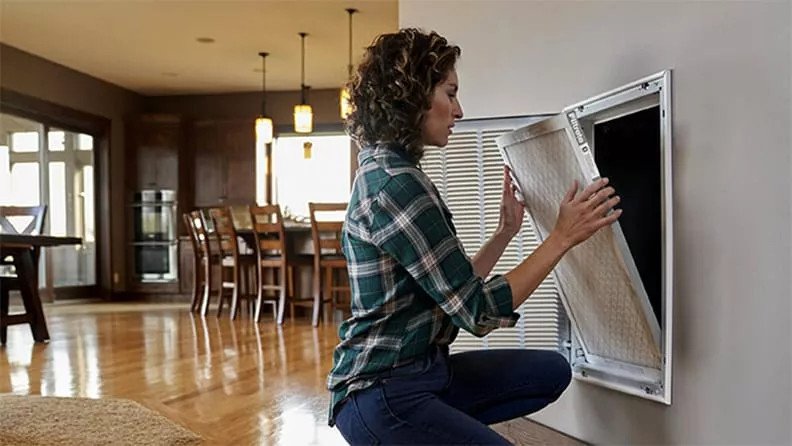
DIY filter replacement is the most cost-effective approach. The cost is simply the price of the filter plus the few minutes it takes to swap it out. Most homeowners can replace an HVAC filter in under five minutes with no tools required.
A standard 16-by-20-by-1-inch pleated filter at MERV 8 costs $5 to $10 at the home center or online. A 20-by-20-by-1-inch filter costs $8 to $15. Larger filters and thicker filters — 2-inch and 4-inch — cost more but last longer. Buying filters in a multi-pack reduces the per-filter cost by 10 to 20 percent.
Subscription services for HVAC filters cost $5 to $15 per filter and deliver new filters to your home on a schedule you choose. The convenience of having filters arrive automatically eliminates the need to remember to buy them. The per-filter cost is similar to buying individually at the store.
The total annual DIY filter cost for a home with a standard 16-by-20-inch filter changed every three months is $20 to $60 per year. Changing monthly costs $60 to $180 per year for pleated filters and less for fiberglass filters.
Professional Filter Replacement Cost
Professional HVAC filter replacement costs $50 to $150 per visit when included as part of a maintenance service call. The technician changes the filter, inspects the system, and may perform additional maintenance tasks. The filter itself is included in the service fee.
If you call an HVAC company specifically for a filter change, the service call fee is $80 to $200. This fee covers the technician travel time and the filter replacement. The cost is much higher than doing it yourself, but it ensures the filter is changed correctly and the system is inspected.
Many HVAC companies include filter replacement in annual maintenance plans. A maintenance plan costs $150 to $300 per year and includes two visits — one in spring and one in fall. Each visit includes a filter change, system inspection, cleaning, and adjustment. The per-visit cost is lower than scheduling individual service calls.
For homeowners who cannot or prefer not to change their own filters, professional replacement is a convenient option. The cost is higher than DIY but provides peace of mind that the correct filter is installed and the system is operating properly.
An HVAC technician with 18 years of experience explained: “The most common service call I get is for a system that stopped working because of a dirty filter. Check your filter first before calling — it saves you the service fee.”
How Often Should You Change Your HVAC Filter
The frequency of HVAC filter changes depends on the filter type, the system usage, and the conditions in your home. Changing the filter at the right interval keeps the system running efficiently and maintains indoor air quality.
A standard 1-inch pleated filter should be changed every 90 days under normal conditions. Homes with pets need filter changes every 60 days. Homes with multiple pets, smokers, or residents with allergies need filter changes every 30 to 45 days. Fiberglass filters should be changed every 30 days because they capture fewer particles and clog faster.
Thicker filters — 2-inch, 4-inch, and 5-inch — last longer than 1-inch filters because they have more surface area. A 4-inch filter can last 6 to 12 months depending on usage and conditions. Check the manufacturer recommendation for your specific filter thickness.
Seasonal factors affect filter life. Summer and winter are the peak seasons for HVAC use. The filter collects more dust during these seasons because the system runs more often. Check the filter monthly during peak seasons and change it if it looks dirty.
A visual inspection is the best way to determine if a filter needs changing. Hold the filter up to the light. If you cannot see light through the filter, it is time for a replacement. Do not rely solely on the calendar — a filter in a dusty home may need changing more often than the standard recommendation.
Does an Expensive HVAC Filter Make a Difference
The answer depends on what you are trying to achieve. A more expensive filter with a higher MERV rating captures smaller particles and improves indoor air quality. But a higher MERV rating also creates more resistance to airflow, which can reduce system efficiency and increase energy costs.
For most homes, a MERV 8 pleated filter provides the best balance of air quality, system protection, and energy efficiency. MERV 8 filters capture 70 to 85 percent of airborne particles including dust, pollen, pet dander, and mold spores. They cost $5 to $15 each and are adequate for most households.
MERV 11 to 13 filters capture 85 to 95 percent of particles including fine dust, smoke, and bacteria. They cost $15 to $30 each and are recommended for homes with allergy sufferers, pets, or residents with respiratory conditions. The higher airflow resistance may reduce system efficiency by 5 to 10 percent.
MERV 14 to 16 filters capture 95 to 99 percent of particles and are used in hospitals and clean rooms. They are not recommended for standard residential HVAC systems because the high airflow resistance can damage the blower motor and reduce system efficiency significantly.
The Cost of NOT Changing Your Filter
The cost of neglecting filter changes far exceeds the cost of regular replacements. A dirty filter causes several problems that increase energy costs and lead to expensive repairs.
A dirty filter reduces airflow, which forces the blower motor to work harder. The increased resistance can raise energy consumption by 5 to 15 percent. For a typical home spending $1,500 per year on heating and cooling, a dirty filter adds $75 to $225 to the annual energy bill.
Restricted airflow causes the evaporator coil to freeze in summer and the heat exchanger to overheat in winter. A frozen coil leads to compressor failure. An overheated heat exchanger can crack and release carbon monoxide. Compressor replacement costs $1,500 to $3,000. Heat exchanger replacement costs $800 to $1,500.
A dirty filter allows dust and debris to bypass the filter and accumulate on the blower motor, evaporator coil, and ductwork. This buildup reduces system efficiency and can cause the blower motor to fail. Blower motor replacement costs $400 to $1,000.
The financial impact of neglected filter changes is substantial. A $10 filter changed every three months costs $40 per year. The cost of not changing it can include $75 to $225 in higher energy bills and potentially $800 to $3,000 in repairs.
Frequently Asked Questions
How much does an HVAC filter cost?
HVAC filters cost $1 to $60 each. Fiberglass cost $1 to $5. Pleated MERV 8 cost $5 to $15. High-MERV cost $15 to $60. Reusable cost $15 to $40 one-time.
How often should I change my HVAC filter?
Change standard 1-inch filters every 90 days. Change every 60 days with pets. Change every 30 to 45 days with multiple pets, smokers, or allergies. Thicker filters last longer. Check filters monthly during peak heating and cooling seasons.
What MERV rating is best for home HVAC filters?
MERV 8 is the best rating for most homes. It captures 70 to 85 percent of particles and balances air quality with system efficiency. Higher MERV ratings improve air quality but increase airflow resistance and reduce efficiency.
How much does a professional HVAC filter change cost?
Professional changes cost $50 to $150 with maintenance. A call just for a filter change costs $80 to $200. Annual plans cost $150 to $300 per year.
Can I change my HVAC filter myself?
Yes, changing a filter takes under five minutes. Turn off the system, remove the old filter, note airflow direction, insert the new filter, and restart.
Is an expensive HVAC filter worth the money?
For most homes, a MERV 8 filter at $5 to $15 is adequate. Higher-MERV filters help with allergies or pets. Very high MERV filters can restrict airflow and are not recommended for standard systems.
How much does a dirty filter increase energy costs?
A dirty filter increases energy use by 5 to 15 percent. For a home spending $1,500 on heating and cooling, that adds $75 to $225 per year. Changing the filter regularly saves this.
Are HVAC filter subscription services worth it?
Yes, subscription services cost $5 to $15 per filter. They deliver on a schedule so you never forget and cost about the same as buying at the store.