
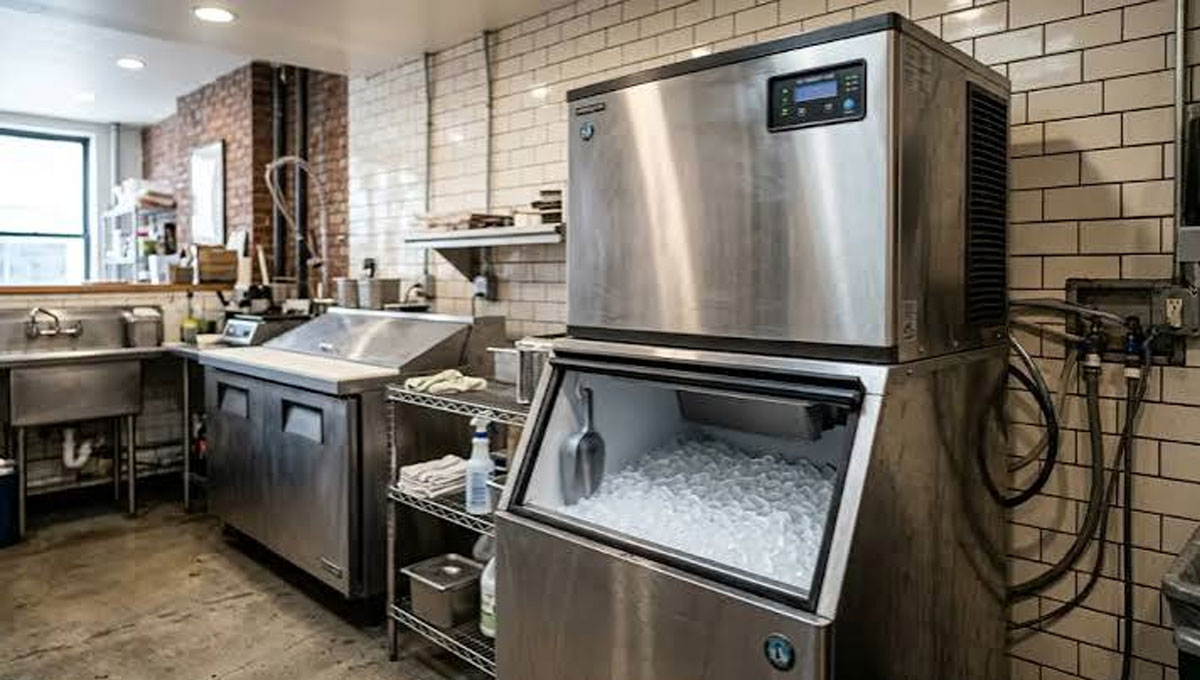

Ice on Demand Without the Long-Term Commitment: How Reliable Rentals Make Business Operations Easier
An empty ice bin rarely announces itself at a convenient moment. It happens when a restaurant is full, a catered event is getting started, or a weekend crowd has arrived thirsty. For businesses considering ice machine rental on Oahu, the appeal is straightforward: dependable ice production when it is needed, without buying equipment that might sit unused for much of the year. Renting can make sense during seasonal peaks, temporary projects, and unexpected breakdowns, provided the machine and rental terms suit the job.
The difference often comes down to preparation. A reliable rental provider helps make production, installation, and ongoing support feel like manageable parts of the operation.
A Busy Season Does Not Require a Permanent Purchase
Some businesses use a steady amount of ice throughout the year. Others face demand that rises sharply during holidays, festivals, or large bookings. Buying a machine sized for the busiest week can leave excess capacity taking up valuable floor space during quieter months.
A rental allows an operator to respond to a defined need and reassess afterward. This can be useful for a pop-up food business, a temporary hospitality venue, or a restaurant whose existing machine cannot keep up during a short rush.
A simple demand log, kept over several busy days, can reveal when shortages occur and whether existing storage is adequate. Those observations give the rental discussion a useful starting point.
The important question is how long the additional capacity will actually be useful. Estimating that period before signing an agreement helps determine whether renting offers better value than purchasing or using another supply arrangement.
Work Backward From the Ice Your Customers Need
Ice requirements depend on what a business serves and how it operates. A café filling iced drinks has different demands from a seafood display or a catered reception. The number of guests matters, but so do peak hours, ice type, and storage space.
Ask the provider to discuss estimated daily production and how quickly the machine replenishes its bin. Published production ratings usually assume particular water and air temperatures, so real output can differ in a hot working environment.
Also consider where ice will be stored and how staff will retrieve it. A machine that produces enough on paper may still create shortages if its storage capacity or recovery rate does not match service patterns.
The Rental Quote Should Explain the Whole Arrangement
A monthly price is only one part of the decision. Delivery, installation, pickup, filters, cleaning responsibilities, and service calls may be included or charged separately. A reasonable comparison starts with a written breakdown of the complete arrangement.
Read the minimum rental period, payment schedule, extension options, and cancellation terms. Ask who pays if equipment needs repair and whether a replacement unit is available if a serious fault occurs.
Transparent answers are especially valuable during a short-term rental. An unexpected charge can quickly undermine the financial flexibility that made renting attractive in the first place. Clear terms help managers budget without unpleasant surprises.
Installation Needs More Planning Than an Empty Corner
A commercial ice machine requires suitable space, power, water, and often a drain. Some models need clearance for ventilation, and nearby heat sources can affect performance. Moving a unit into a cramped corner without checking these conditions can cause trouble almost immediately.
Before delivery, confirm the machine’s dimensions and connection requirements. Determine whether the rental company provides installation, who prepares the site, and whether a qualified tradesperson is needed for any utility work.
Staff also need enough space to access the ice safely and clean the surrounding area. A thoughtful installation plan reduces disruption and helps the machine perform as intended from its first day in service.
Maintenance Support Is Part of the Value
Ice machines operate in demanding environments. Mineral buildup, blocked filters, worn components, and changing water conditions can affect production. Even a dependable unit needs attention during an extended rental.
Ask which routine maintenance tasks the supplier performs and which belong to the customer. Confirm how to report a problem, when technical support is available, and what response times the agreement actually promises.
A responsive provider can help diagnose performance changes before they interrupt service. Replacement equipment may be an option, but availability and timing should be discussed rather than assumed. If the rental provides emergency backup, ask how quickly a replacement could actually be delivered and commissioned. Reliable support turns a rental into a practical operating arrangement.
Clean Ice Depends on Everyday Habits
Ice used in food and beverages requires careful handling. A rental provider should supply equipment that has been appropriately cleaned and prepared before installation, with instructions for sanitation and routine upkeep.
Once the machine is operating, staff have responsibilities too. They should use clean scoops, store them correctly, keep hands and other objects out of the bin, and follow the approved cleaning schedule. The division of duties should be clear in the contract.
Water quality and filter conditions also deserve attention. A machine can be mechanically sound while poor handling creates a hygiene concern. Consistent cleaning practices protect customers and support reliable operation.
Flexibility Helps When Plans Change
Temporary demand is rarely perfectly predictable. A festival may attract a larger crowd, an event schedule might expand, or a repaired machine may return to service sooner than expected. The ability to adjust a rental can therefore matter as much as the original price.
Ask whether the provider can extend the agreement, change the unit’s capacity, or collect equipment early under specified conditions. None of those options should be assumed without written confirmation.
Communication helps on both sides. Giving advance notice of changing requirements improves the chance of finding a workable arrangement and keeps equipment availability from becoming a last-minute scramble.
A Dependable Ice Supply Starts With a Sensible Plan
Renting commercial equipment offers a useful way to meet temporary needs while avoiding a substantial purchase. The strongest arrangements begin with realistic demand estimates and continue with appropriate installation, clean operation, and accessible maintenance support.
Choose a company that explains production ratings, site requirements, total costs, and responsibilities in plain language. Ask how it handles breakdowns and changing rental periods before those situations arise.
Then make sure employees know how to operate and care for the equipment. With the right planning, ice becomes one less daily worry. Customers can enjoy their drinks, staff can focus on service, and the business can keep its attention where it belongs.