
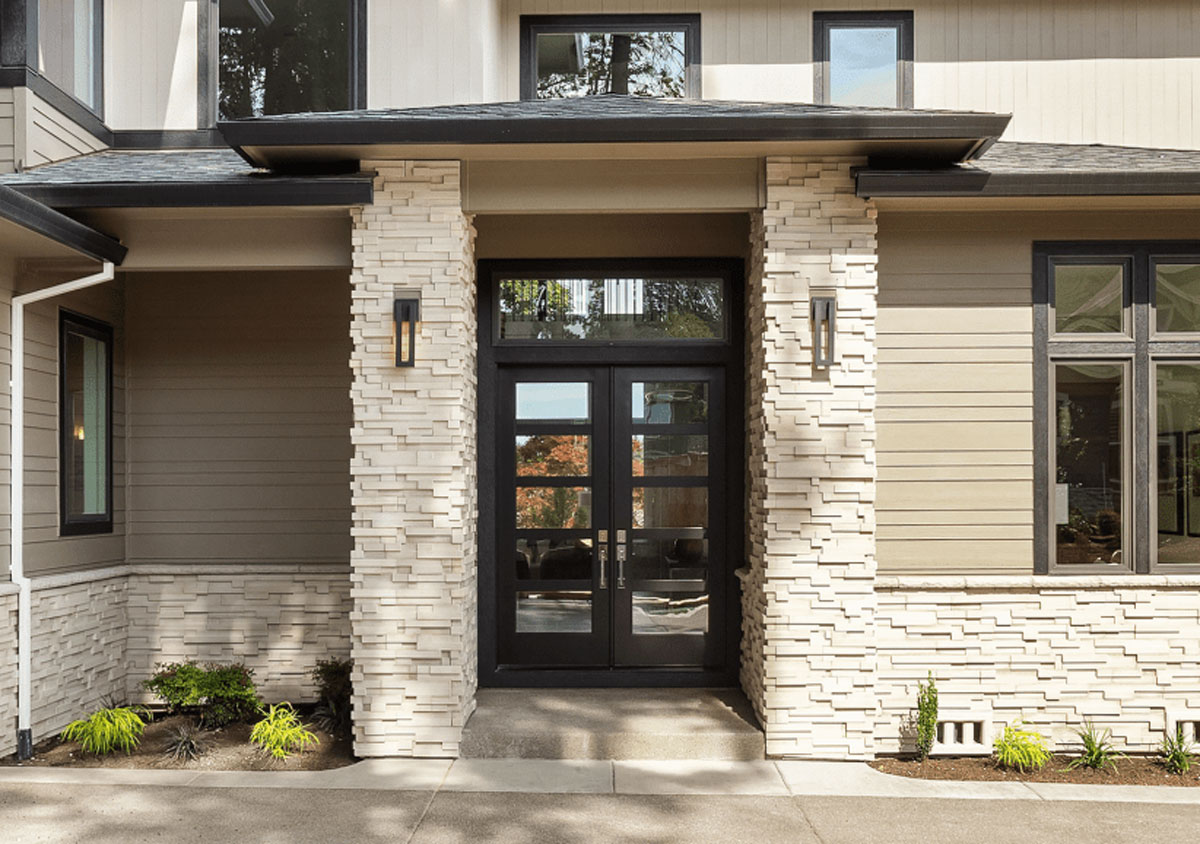

Interior doors shape how a home feels, from the look of a hallway to how well sound carries between rooms. In Florida, there is one extra thing to plan for: the climate. Heat and humidity affect how some doors hold up, so the right choice depends on more than looks alone. This guide covers the main interior door styles and materials, and what Florida homeowners should keep in mind when choosing. A local supplier such as JMD Global serves homeowners across the state, but it helps to know the options first.
Interior Door Styles
Style sets the tone for a room. The common interior door styles are:
- Panel doors. Raised or recessed panels; a versatile look that suits most homes.
- Shaker doors. Flat, square-edged panels for a clean, modern or farmhouse feel.
- Flush doors. A smooth, flat surface for contemporary and minimalist rooms.
- Glass-panel doors. One or more glass sections to bring light between rooms.
- Louvered doors. Slatted doors that allow airflow, often used for closets and laundry rooms.
Keeping one door style throughout a home gives a more consistent look than mixing several. Homeowners searching for interior doors in Miami or interior doors in Tampa often start from a style they like, then match the material to the climate.
Interior Door Materials and Cores
What a door is made of affects its weight, sound control, durability and how it handles humidity.
|
Type |
What it is |
Notes for Florida |
| Hollow core | Light door with a honeycomb interior | Budget-friendly; fine for low-traffic rooms |
| Solid core | Filled with engineered-wood composite | Good sound control; stable in humidity |
| Solid wood | Built from real wood throughout | Premium look; needs a stable, air-conditioned space |
| MDF | Smooth engineered-wood, often painted | Paint-ready and dimensionally stable |
Solid core and MDF doors tend to be more stable in humid conditions, while solid wood offers the best look and feel but reacts more to moisture. For many Florida homes, that balance is the main decision.
Why the Florida Climate Matters Indoors
Even inside an air-conditioned home, humidity plays a role, especially in rooms that are less climate-controlled or in homes that are closed up for part of the year. A few points help interior doors last:
- Finish and seal. A fully finished door resists swelling and warping better in humid air.
- Material choice. Solid core and MDF are more stable; solid wood needs a steady indoor climate.
- Acclimation. Let doors sit in the room where they will hang for a few days before fitting, so they adjust to its humidity.
These are general guidelines; confirm the manufacturer’s recommendations for the specific door you choose. Homeowners comparing interior doors in Orlando, Sarasota or Fort Myers run into the same climate considerations wherever they are in the state.
Interior Door Sizes
Most interior doors are 80 inches tall and 1-3/8 inches thick, with width varying by room:
|
Room |
Common width (in) |
| Bedroom, office | 30 to 32 |
| Bathroom | 28 to 32 |
| Closet, pantry | 24 to 30 |
If an opening does not match a standard size, a custom or prehung door can be made to fit, which is common in older Florida homes.
How to Choose an Interior Door in Florida
- Start with the room. A quiet bedroom suits a solid core door; a closet is fine with a hollow core one.
- Match the style. Keep the door style consistent with your trim and other doors.
- Factor in humidity. Favor stable materials and well-finished doors, especially in less climate-controlled spaces.
- Check the size. Measure the opening before you order.
- Decide slab or prehung. Reuse a sound frame with a slab, or order prehung for a new or damaged opening.
Where to Start
Choosing interior doors in Florida is easiest when you start with a supplier that carries a range of styles and materials and understands the local climate. JMD Global’s interior doors category covers solid core and wood options, including prehung and custom doors, for homes across Florida, from West Palm Beach to Fort Myers and beyond.
Interior Doors in Florida FAQ
What interior door material is best for Florida? Solid core and MDF doors are more stable in humidity. Solid wood offers a premium look but needs a steady, air-conditioned space.
Do interior doors warp in Florida’s humidity? They can if they are unfinished or made of a less stable material. A finished door in a climate-controlled room holds up well.
What is the standard interior door size? Most are 30 or 32 inches wide, 80 inches tall and 1-3/8 inches thick. Closets often use narrower doors.
Can I get a custom-size interior door in Florida? Yes. A supplier with an in-house door shop can prepare custom and prehung doors for non-standard openings, common in older homes.
Should all interior doors in a home match? A consistent style gives a more cohesive look, but it is a design choice rather than a rule.
