
(Draft) How to Waterproof Plywood?: 5 Methods

Plywood can be protected from water by applying coatings and membranes on the surface. Some plywood has a built-in waterproofing capability. In order to protect plywood from water, you should follow these 6 methods.
6 Methods of Plywood Waterproofing
- Apply Waterproof Sealant
- Use Epoxy Resin
- Use Waterproof Paint
- Install a Waterproof Membrane
- Apply Wood Oils
Aqviz experts have prepared this method by considering several factors, such as where you can apply the waterproofing method and how to apply the waterproofing method on the surface. And also what type of water protection it provides, its curing time, suitable products, cost per square foot, expertise to do the work, and the layer protection duration. So we recommend that you refer to this guide before applying water protection to the plywood.
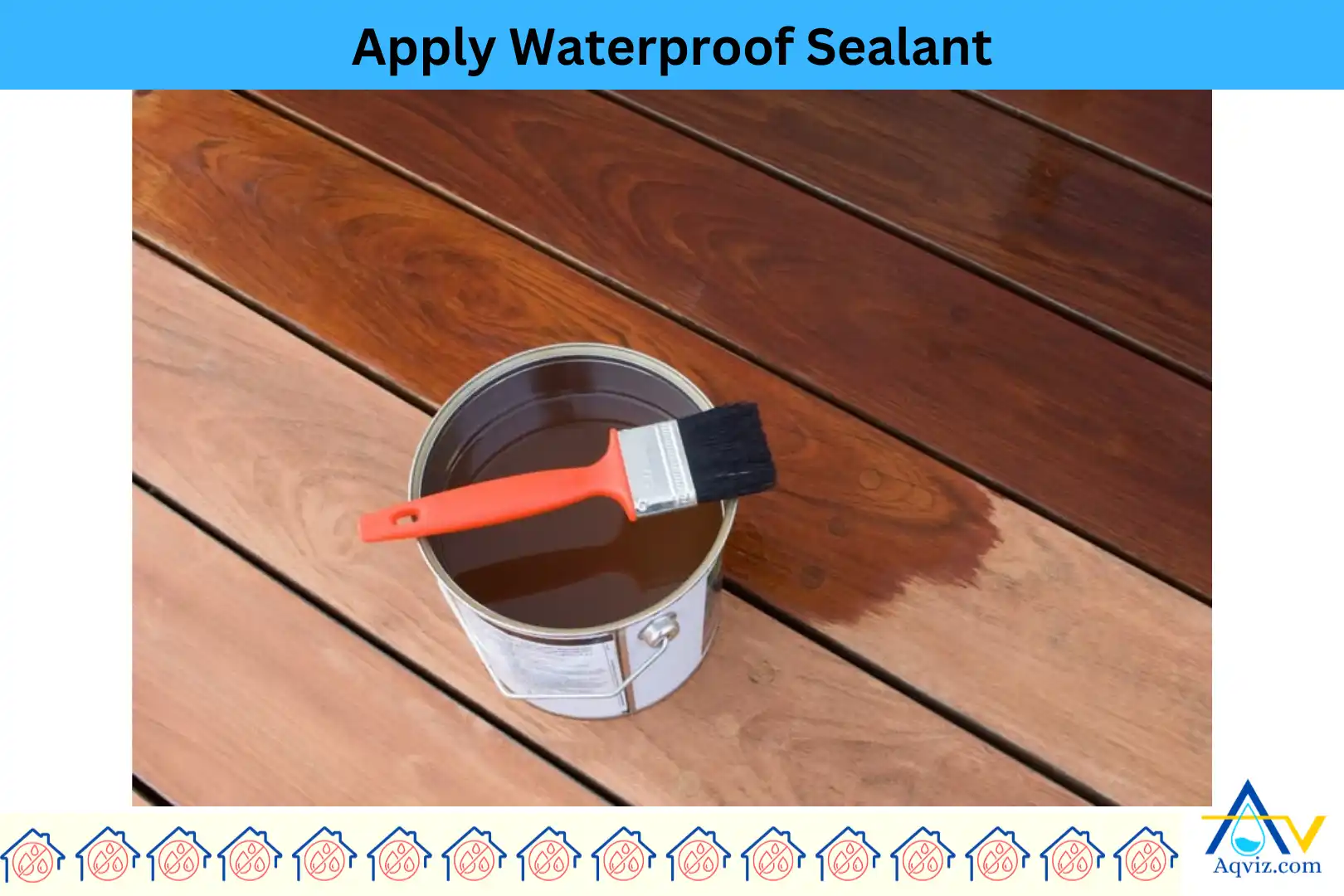
1. Apply Waterproof Sealant
Applying a waterproof sealant is one of the most effective ways to create a water protective barrier on plywood. Sealants penetrate the plywood and form a hydrophobic layer that repels moisture, preventing absorption and degradation when it is open. You can use industrial-grade sealants such as polyurethane, silicone-based solutions, and penetrating epoxy, which provide superior resistance against water ingress. These coatings are widely used to seal plywood in construction, marine applications, and outdoor furniture.
Before applying waterproofing methods on plywood, you should know these important factors about Plywood Waterproofing .
To apply a waterproof sealant on plywood, you should follow the step-by-step guide below.
- Start by sanding the plywood surface with medium-grit sandpaper (120-150 grit) to remove imperfections and open up the pores for better adhesion.
- Then, clean the surface thoroughly with a dry cloth. You can use a brush or roller to apply the sealant evenly, ensuring full coverage.
- You should especially pay attention to the plywood edges, which are highly susceptible to moisture penetration.
For best results, apply at least two coats on the plywood. The first coat should be completely dry before applying the second coat to the plywood.
2. Apply Epoxy Resin Coating
Epoxy resin is one of the most durable waterproofing solutions for plywood. Epoxy resin creates a thick, non-porous barrier on the plywood that completely seals the wood, preventing moisture penetration. Epoxy resin is widely used in plywood, where use for marine applications, construction, and outdoor furniture due to its exceptional resistance to water, chemicals, and abrasion. Unlike traditional sealants, epoxy not only protects but also strengthens plywood, making it a preferred choice for high-exposure areas.
Read more: Epoxy Waterproofing: What You Should Know?
To apply the Epoxy resin, you should follow the below step by step guide below.
- Start by sanding the surface with 120-150 grit sandpaper to ensure better adhesion.
- Then wipe away dust using a clean, and dry cloth.
- Mix the epoxy resin and hardener according to the manufacturer’s instructions.
- Then, using a brush or roller, apply a thin coat evenly across the surface, ensuring full coverage, including edges and corners.
- Allow it to cure before applying a second coat for added protection.
For better results, use a fiberglass cloth reinforcement over the plywood before applying epoxy to enhance its durability.
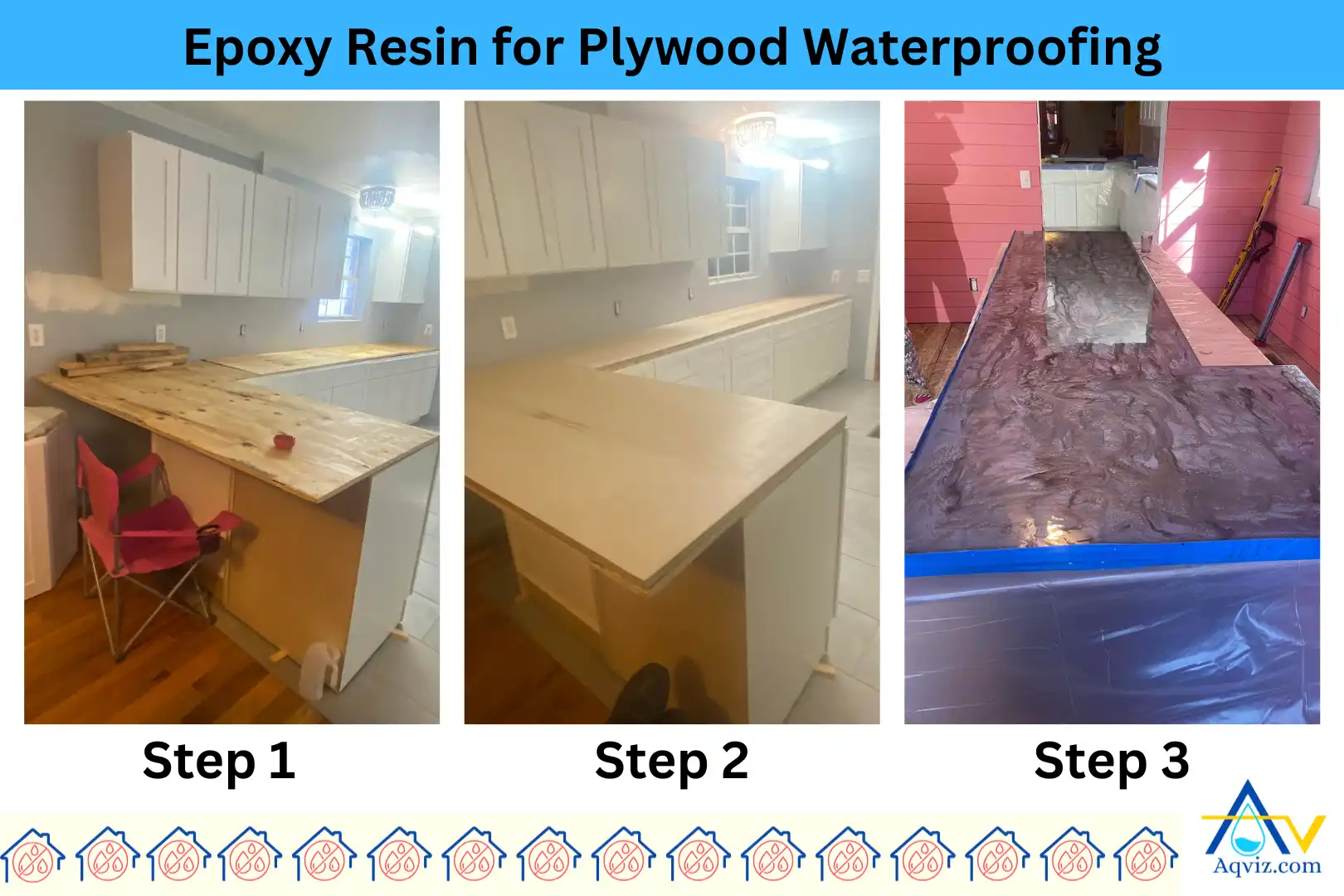
methods for plywood that offers excellent resistance to moisture, UV damage, and wear.
3. Use Waterproof Paint
Waterproof paint is a practical and cost-effective solution for protecting plywood from water damage. It forms a protective film over the plywood surface, preventing moisture penetration while adding an aesthetic appeal. You can use specially formulated waterproof paints, such as acrylic, latex, and oil-based exterior paints, on the plywood. They offer excellent water resistance, making them ideal for outdoor furniture, fences, sheds, and structural elements.
To apply the waterproof paint, you should follow the quick 4 step-by-step guide below.
- Start by sanding the plywood with 120-grit sandpaper to create a smooth, even surface.
- Wipe off dust using a dry cloth or tack cloth. Apply a waterproof primer to enhance adhesion and improve the paint’s durability.
- Use a paintbrush, roller, or spray gun to apply the first coat of waterproof paint evenly once dry.
- Allow it to dry completely (as per the manufacturer’s instructions) before applying a second or third coat on the plywood for maximum protection.
4. Install a Waterproof Membrane
A waterproof membrane is one of the most effective long-term solutions for protecting plywood from water damage. Unlike plywood surface coatings, a waterproof membrane provides a fully impermeable layer, preventing moisture from penetrating the plywood. This method is commonly used in roofing, flooring, outdoor decking, and high-moisture environments such as bathrooms and basements. Waterproof membranes come in various forms to protect the plywood, including bituminous sheets, rubberized coatings, PVC membranes, and liquid-applied membranes, each offering superior water resistance and durability.
Waterproof membranes are mainly 3 types. Each type can be applied to the plywood as follows.
- Self-Adhesive Membranes (Bituminous, PVC, or Rubberized Sheets): Peel off the backing and firmly press the sheet onto the plywood. Measure whether it is fully adhered; overlap seams by at least 2 inches to prevent leaks.
- Liquid-Applied Membranes: Use a brush, roller, or spray gun to apply an even layer over the plywood. Apply multiple coats on the plywood if required, allowing each layer to dry before reapplying.
- Torch-On Membranes: Heat the underside of the membrane with a propane torch to activate the adhesive and bond it to the plywood. We recommend using this method for experts.
5. Apply Wood Oils
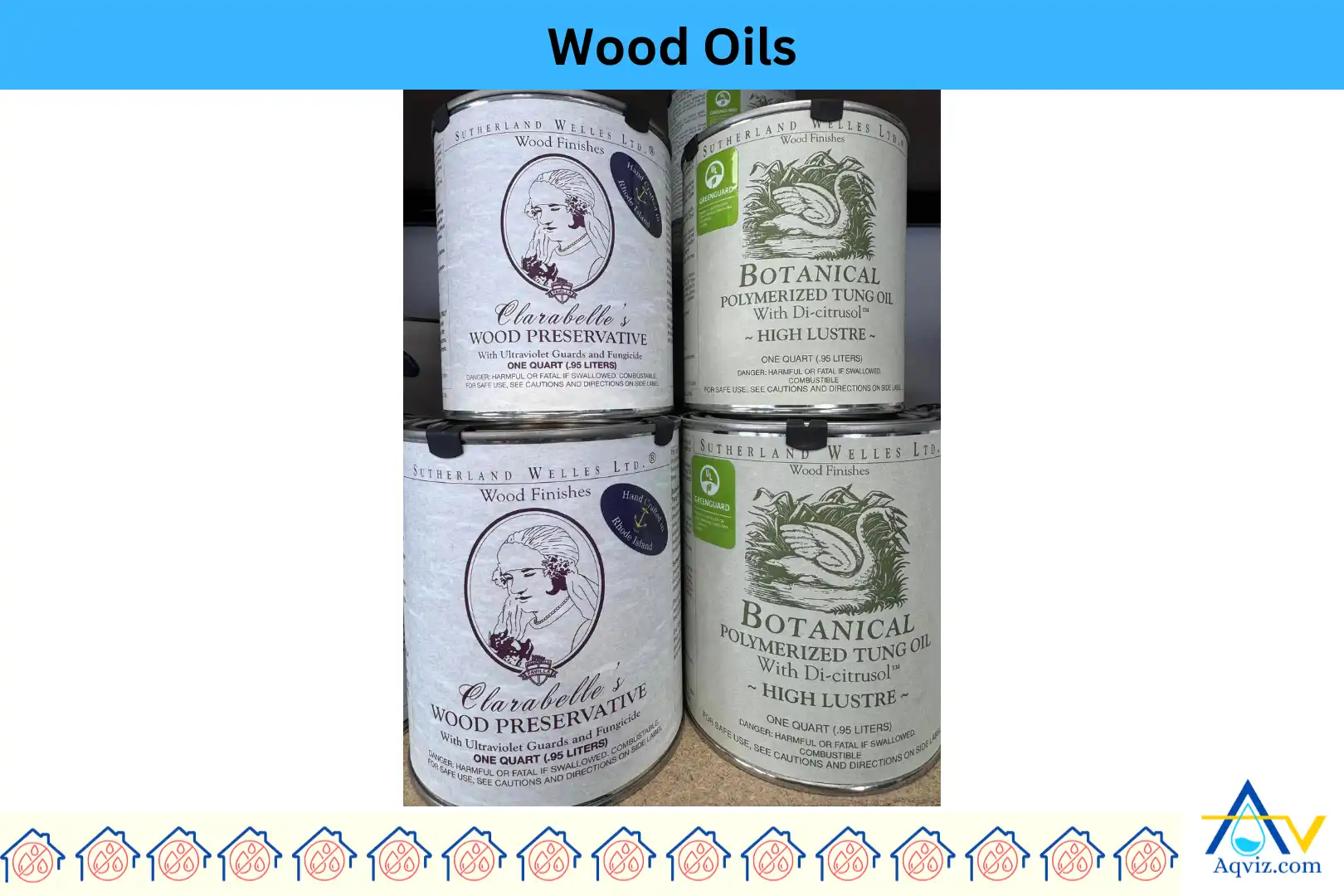
Applying wood oil is a natural and effective way to protect plywood from moisture while enhancing its appearance and durability. Unlike synthetic waterproofing methods, wood oils penetrate deep into the plywood, strengthening the fibers and creating a water-resistant surface. This method is widely used for furniture, indoor flooring, wooden countertops, and decorative plywood applications. Popular wood oils include linseed oil, tung oil, teak oil, and Danish oil.
To apply the wood oil on the Plywood, you should follow the step-by-step guide below.
- Start by sanding the plywood with 120-150 grit sandpaper to remove any imperfections and open up the pores for better absorption.
- Wipe off the dust with a tack cloth. Using a lint-free cloth or a brush, apply a generous coat of wood oil, rubbing it into the plywood surface in the direction of the grain.
- Allow the oil to soak in for 30-60 minutes, then wipe off excess oil with a clean cloth.
- Apply at least 2-3 coats, allowing each coat to dry for 12-24 hours before reapplying on plywood.
What is Pressure Treated Plywood?
Pressure-treated plywood is one of the most durable and water-resistant options for preventing moisture damage. This plywood is infused with chemical preservatives under high pressure, making it resistant to rot, fungal growth, and insect infestations.
Unlike standard plywood, which is prone to water absorption, pressure-treated plywood is ideal for outdoor structures, decking, and high-moisture environments. At Aqviz, we highly recommend this method for homeowners who need a long-term, low-maintenance waterproofing solution.
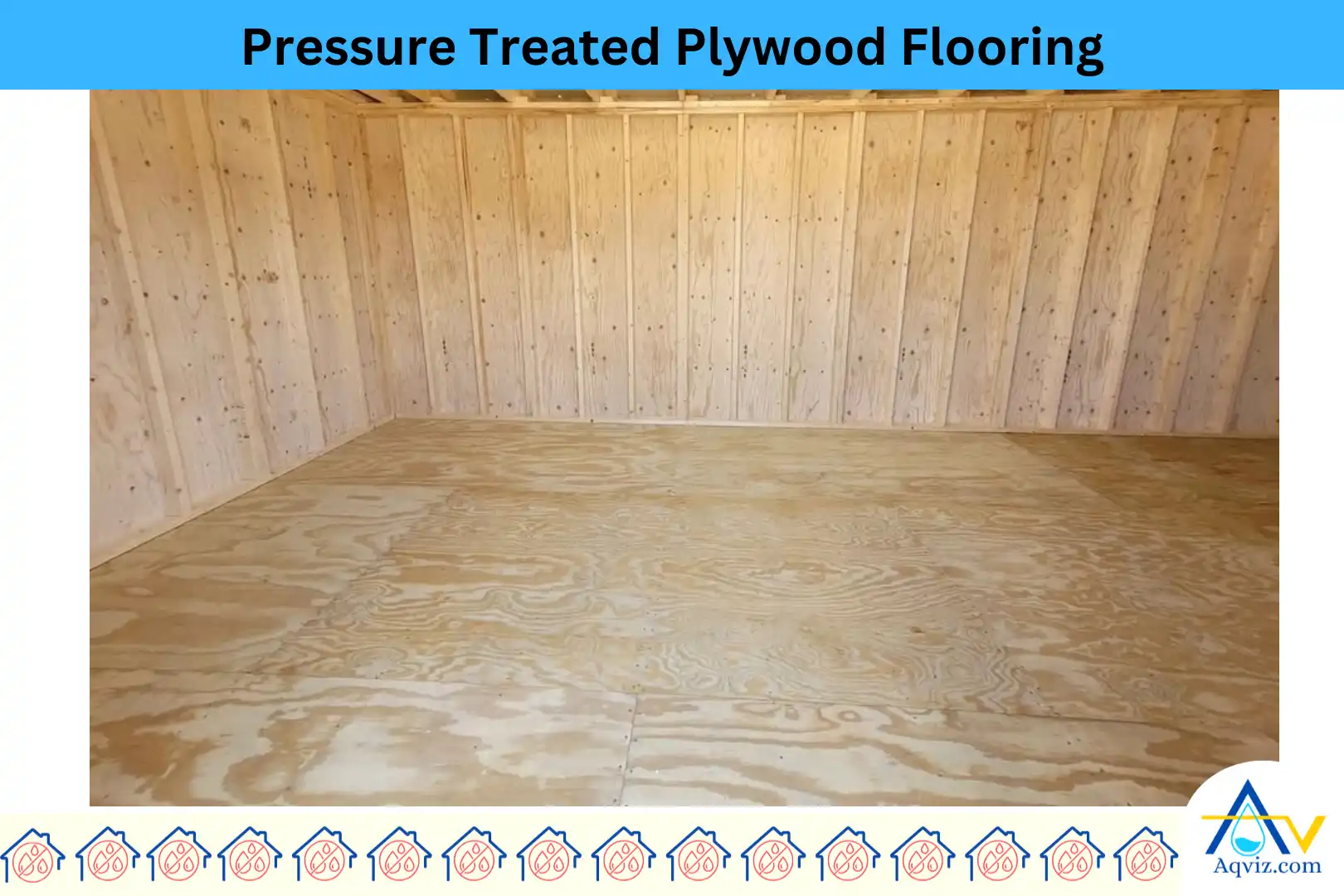
Water Resistance of Pressure-Treated Plywood: Pressure-treated plywood provides excellent resistance to high humidity, rain exposure, and ground contact moisture. It is commonly used for decks, exterior walls, fences, and subflooring. However, it is not recommended for full water submersion, such as in marine applications or prolonged standing water.
Best Pressure-Treated Plywood Products
- Yellawood pressure-treated plywood (outdoor & decking use)
- ACQ treated plywood (alkaline copper quaternary for rot resistance)
- CCA treated plywood (chromated copper arsenate for extreme conditions – limited use)
- Wolmanized outdoor plywood (ideal for fences & landscaping)
- Green-treated plywood (eco-friendly, low-toxicity option)
Cost of Pressure-Treated Plywood per Square Foot
The cost of pressure-treated plywood varies based on thickness and treatment type:
- Standard pressure-treated plywood: $2.00 – $4.00 per square foot
- Marine grade Pressure treated plywood: $4.50 – $8.00 per square foot
Durability of Pressure Treated Plywood: Pressure-treated plywood can last 15-40 years, depending on exposure conditions, proper sealing, and maintenance. When used for decking or exterior walls, re-sealing every 5-7 years can further extend its lifespan.
Is There Waterproof Plywood?
Yes, marine-grade plywood is the most water-resistant plywood available. It is made with waterproof glue and has no internal voids, making it highly durable against moisture. Additionally, pressure-treated plywood and exterior-grade plywood offer water resistance but may require additional sealing.
Is Pressure-Treated Plywood Waterproof?
No, pressure-treated plywood is not fully waterproof. While it is treated with preservatives to resist rot, insects, and decay, it still absorbs moisture over time. To enhance its waterproofing, sealing the surface with a waterproof coating is recommended.
Is BC Plywood Waterproof?
No, BC plywood is not naturally waterproof. It is an exterior-grade plywood with a B-grade face (smooth with minor imperfections) and a C-grade back (rougher with visible defects). While it is made with water-resistant glue, the wood itself is not waterproof and needs a sealant or waterproof coating to withstand prolonged moisture exposure.