
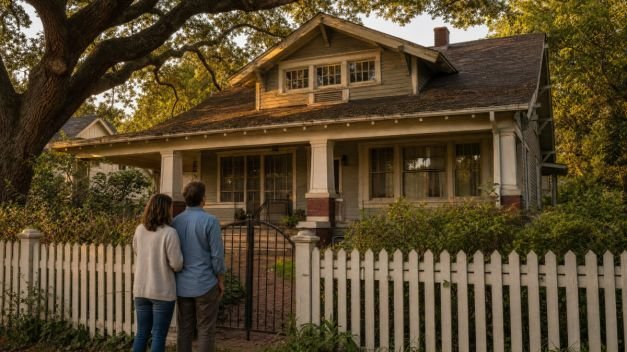

The Compelling Advantages of Older Homes
Older homes offer genuine advantages that newer construction often cannot replicate: superior craftsmanship and materials, established neighborhoods with mature landscaping, larger lot sizes, and architectural character that commands a premium in many markets. These qualities make them attractive to a broad range of buyers.
The construction quality of homes built in earlier eras is frequently superior to that of contemporary production housing. Old-growth lumber — used extensively in homes built before the mid-20th century — is denser, stronger, and more dimensionally stable than the fast-grown timber used in modern construction. Plaster walls, hardwood floors, and solid wood millwork are standard features in many older homes that would be considered premium upgrades in new construction today.
Location is another significant advantage. Older homes are disproportionately concentrated in established urban and inner-suburban neighborhoods with walkable street grids, mature tree canopies, and proximity to employment centers, cultural amenities, and public transit. These location characteristics are increasingly valued by buyers and are difficult or impossible to replicate in newer suburban developments built on the urban periphery.
Lot sizes in older neighborhoods tend to be larger relative to the home’s footprint, providing more outdoor space and privacy. The architectural diversity of older neighborhoods — where homes were built over decades by different builders and owners — creates a visual richness that is absent from planned developments where all homes share a similar aesthetic.
The Significant Challenges of Older Homes
The primary challenges of older homes are the presence of hazardous materials, aging mechanical systems, deferred maintenance, and floor plans that may not align with contemporary living preferences. These issues are manageable with proper due diligence and budgeting, but they require honest assessment before purchase.
Homes built before 1978 may contain lead-based paint, which was federally banned for residential use in that year. Homes built before the mid-1980s may contain asbestos in insulation, floor tiles, pipe wrap, and other materials. Neither of these hazards poses an immediate risk if the materials are in good condition and undisturbed, but renovation work that disturbs them requires specialized abatement procedures that add significant cost and complexity to any project.
Mechanical systems — including electrical, plumbing, and HVAC — have finite lifespans. A home built in the 1950s may have original knob-and-tube wiring, galvanized steel pipes, or an oil-fired boiler, all of which are approaching or past the end of their functional life. Replacing these systems is expensive, disruptive, and often requires bringing the entire system up to current code, which can multiply the cost of what initially appears to be a simple repair.
Floor plan functionality is a subtler but important consideration. Many older homes were designed around the social norms and lifestyle patterns of their era — separate formal rooms, small kitchens isolated from living areas, and limited bathroom counts relative to bedroom count. Reconfiguring these layouts to meet contemporary preferences requires structural work that adds cost and complexity to the renovation budget.
Why Inspection Is Critical for Older Properties
A standard home inspection is necessary but not sufficient for an older property. Buyers should supplement it with specialist evaluations for structural integrity, electrical systems, plumbing, and environmental hazards. The cost of these additional inspections is minimal relative to the financial protection they provide.
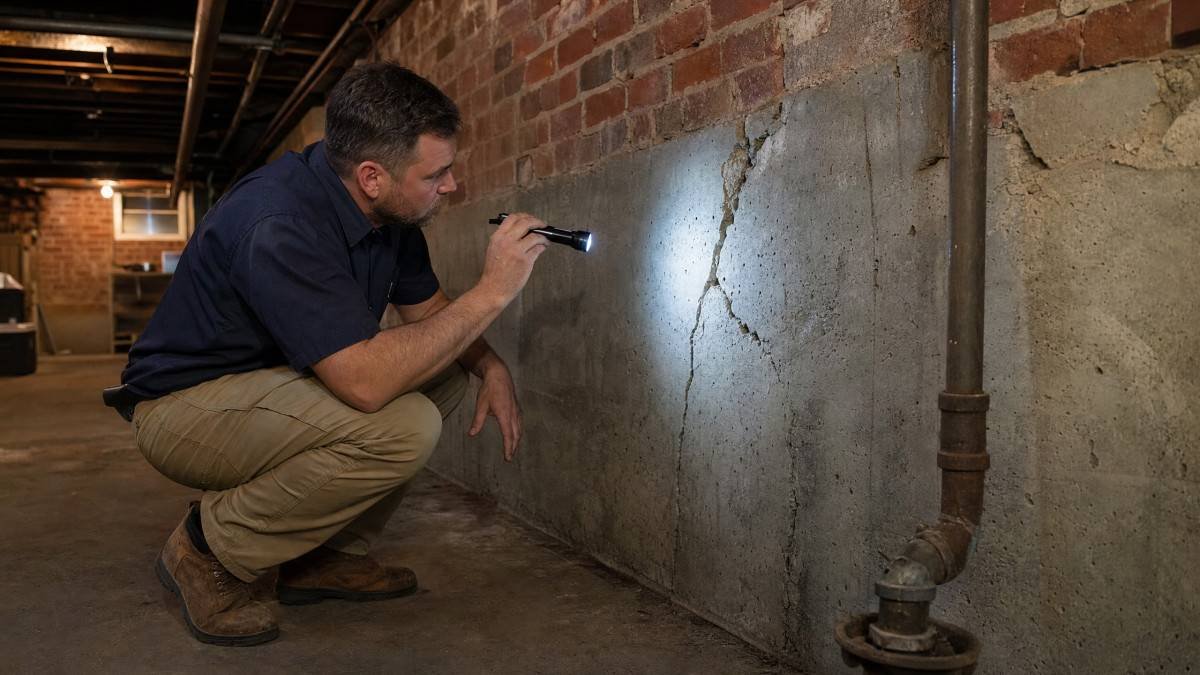
The standard home inspection provides a general overview of the property’s condition but is limited in scope. For older homes, supplemental specialist evaluations are strongly advisable. A structural engineer can assess the foundation, framing, and load-bearing elements for signs of movement, deterioration, or inadequate capacity. An electrician can evaluate the age and condition of the electrical panel and wiring, identifying hazards that a general inspector may not be qualified to assess in depth.
Environmental testing for lead paint, asbestos, and radon should be considered standard practice for any home built before 1980. Radon — a naturally occurring radioactive gas that is the second leading cause of lung cancer in the United States — is present at elevated levels in many older homes and requires testing to detect. Mitigation systems are effective and relatively affordable, but the presence of radon should be disclosed and addressed before closing.
A sewer scope inspection — in which a camera is inserted into the sewer lateral to assess its condition — is particularly valuable for older homes, where clay tile or cast iron pipes may be deteriorating, root-infiltrated, or collapsed. Sewer lateral replacement is one of the most expensive repairs a homeowner can face, and identifying the need before closing provides the opportunity to negotiate or walk away.
Renovation Budgeting and Financial Planning
Renovation budgets for older homes should include a contingency reserve of at least 20 to 30 percent above the initial estimate, as hidden conditions discovered during construction routinely add cost. Buyers should obtain contractor estimates before closing, not after, to ensure their financial plan is grounded in reality.
One of the most common financial mistakes buyers make with older homes is underestimating renovation costs. Contractor estimates prepared before walls are opened are inherently uncertain, because the true condition of structural elements, wiring, and plumbing is not fully visible until work begins. Discovering that a wall contains asbestos insulation, that the framing is undersized, or that the plumbing requires a full replacement can double or triple the cost of a project that initially appeared straightforward.
| System / Component | Typical Lifespan | Estimated Replacement Cost |
|---|---|---|
| Roof (asphalt shingles) | 20–30 years | $8,000 – $20,000+ |
| Electrical panel upgrade | 30–40 years | $2,500 – $6,000 |
| Plumbing (full replacement) | 50–70 years (varies by material) | $8,000 – $25,000+ |
| HVAC system | 15–25 years | $5,000 – $12,000 |
| Sewer lateral replacement | 50–100 years (varies) | $3,000 – $15,000+ |
| Foundation repair (moderate) | Varies | $5,000 – $30,000+ |
The most financially prudent approach is to obtain detailed contractor estimates for all identified work before finalizing the purchase price, then negotiate a price reduction or seller credit that reflects the cost of necessary repairs. Entering a purchase with a realistic, fully-loaded renovation budget — including a 20 to 30 percent contingency — is the foundation of a successful older home purchase.
Investment Potential of Older Homes
Older homes in established, high-demand urban locations have historically demonstrated strong long-term appreciation, driven by land scarcity and the irreplaceable value of their locations. The investment case is strongest when the purchase price reflects the cost of necessary repairs and the renovation plan is realistic and well-budgeted.
The investment thesis for older homes rests primarily on location. In high-demand urban markets where land is scarce and new construction is constrained by zoning, the value of an older home is substantially driven by the value of its lot. This land value tends to appreciate reliably over time, providing a floor under the property’s market value even when the structure itself requires significant investment.
Buyers who purchase older homes at prices that reflect their true condition — rather than paying a premium for cosmetic updates that mask underlying issues — and who execute well-planned renovations can achieve strong returns. The key is to ensure that the total investment (purchase price plus renovation cost) is supported by the comparable sales in the neighborhood, and that the renovation plan is aligned with what the market values rather than personal preferences that may not translate to resale value.
For guidance on evaluating older homes from a preservation and investment perspective, the National Park Service’s historic preservation resources provide valuable context on the standards and incentives available for historically significant properties.
Frequently Asked Questions
Is it better to buy an older or newer house?
Neither is universally superior; the right choice depends on your priorities, budget, and risk tolerance. Older homes offer character, established locations, and often lower purchase prices, but carry higher maintenance costs and renovation risks. Newer homes offer modern systems, energy efficiency, and builder warranties, but may lack the character and location advantages of older properties.
What is the biggest red flag in a home inspection?
Foundation issues — particularly horizontal cracks in basement walls or evidence of significant structural movement — are the most serious red flags because they can be extremely expensive to remediate and may indicate ongoing instability. Active water intrusion, evidence of mold, and outdated electrical systems are also high-priority concerns that warrant specialist evaluation.
Is it okay to buy a very old house?
Yes, with appropriate due diligence. A century-old home can be an excellent purchase if you conduct a thorough inspection, engage a structural engineer, obtain accurate renovation cost estimates, and enter the transaction with a realistic budget and timeline. The key is to understand what you are buying before you commit.
What devalues a house the most?
Deferred maintenance, foundation problems, a poor location, outdated floor plans, and the presence of unremediated hazardous materials are the factors most likely to suppress an older home’s value. External factors such as neighborhood decline, rising crime, or deteriorating school quality can also significantly reduce market value.
Is buying an old house a good investment?
It can be, particularly in high-demand urban locations where land is scarce and new construction is limited. The investment case is strongest when the purchase price reflects the cost of necessary repairs, the renovation plan is realistic and well-budgeted, and the location supports long-term appreciation.
Conclusion
Buying an older home is neither inherently wise nor inherently risky — it is a decision that depends entirely on the quality of your due diligence, the accuracy of your financial planning, and the alignment between the property’s characteristics and your personal and investment goals. The buyers who succeed with older homes are those who approach the process with clear eyes, thorough inspections, realistic budgets, and a genuine appreciation for the unique qualities that these properties offer. Those who rush in attracted by charm alone, without accounting for the full cost of ownership, are the ones who end up with regrets.