
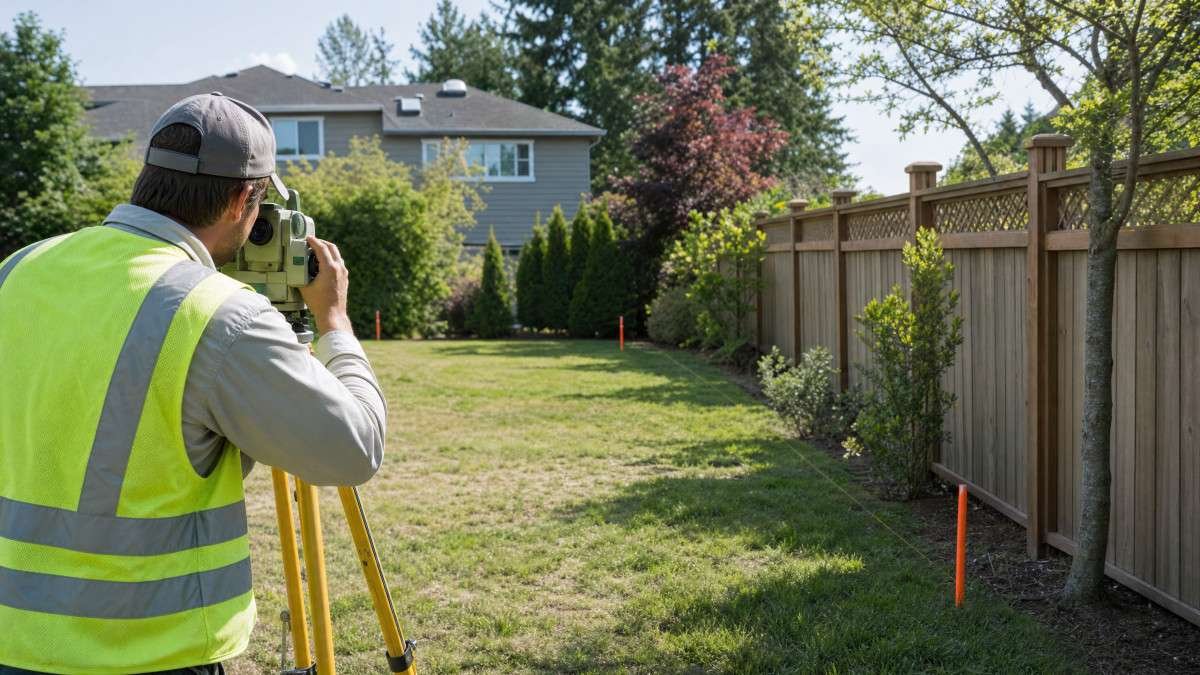

Property lines and easements are not abstract legal concepts — they have direct, practical implications for how you can use your land, where you can build, and how your property interacts with neighboring parcels and public infrastructure. This guide provides a comprehensive framework for understanding both concepts, identifying potential issues before purchase, and protecting your interests as a property owner.
What Are Property Lines and Why Do They Matter?
Property lines are the legally defined boundaries that delineate the extent of a parcel of land. They determine exactly what a buyer is purchasing and govern where structures, fences, and landscaping may be placed. Disputes over property lines are among the most common sources of neighbor conflict in residential real estate.
Every parcel of land has a legal description — a precise textual or coordinate-based definition of its boundaries — recorded in the public land records of the county or municipality where it is located. This description forms the legal basis for the property’s boundaries and is the authoritative reference in any dispute. The physical manifestation of these boundaries on the ground is established through a land survey conducted by a licensed professional.
Property lines matter for a wide range of practical reasons. Local zoning ordinances and building codes specify setback requirements — minimum distances that structures must maintain from property boundaries. Violating these setbacks can result in fines, mandatory removal of structures, and complications when selling the property. Understanding where your boundaries are located is therefore essential before undertaking any construction or landscaping project.
Types of Easements and Their Impact on Property Use
An easement is a legal right that allows a party other than the property owner to use a defined portion of the land for a specific purpose. Easements run with the land, meaning they transfer to new owners at sale. Understanding all easements on a property before purchasing is essential due diligence.
Easements are among the most common encumbrances found on residential properties, and their implications vary significantly depending on their type and scope. The following table summarizes the primary categories:
| Easement Type | Who Benefits | Common Examples | Transferable? |
|---|---|---|---|
| Utility Easement | Utility company | Power lines, water mains, sewer lines | Yes — runs with land |
| Easement Appurtenant | Neighboring parcel | Shared driveway, access path | Yes — runs with both parcels |
| Easement in Gross | Specific individual or entity | Railroad right-of-way, pipeline access | Varies by jurisdiction |
| Prescriptive Easement | User who established it by long use | Neighbor’s path across your yard | Yes — once legally established |
| Conservation Easement | Land trust or government | Restrictions on development or clearing | Yes — permanent encumbrance |
Utility easements are by far the most prevalent type on residential properties. Nearly every developed parcel has at least one, granting a utility company the right to access a strip of land for the installation and maintenance of infrastructure. The width of these easements varies, but they typically prohibit the construction of permanent structures within the easement corridor. Buyers who plan to build a garage, deck, or fence should verify that their planned location does not conflict with any utility easements.
How to Find and Verify Your Property Lines
The only legally reliable method for determining property boundaries is a survey conducted by a licensed land surveyor. Deed descriptions, plat maps, and digital tools provide useful approximations but should not be relied upon for construction decisions or dispute resolution.
Several resources can help you develop an initial understanding of your property’s boundaries. Your deed contains a legal description of the parcel, which may reference a recorded plat map, metes and bounds measurements, or a government survey system. The plat map for your subdivision — available at the county recorder’s or assessor’s office — provides a visual representation of lot boundaries and dimensions.
Online tools such as county GIS mapping systems and property data aggregators can provide approximate boundary overlays, but these are based on digitized records that may contain errors and should not be used for construction planning or legal purposes. Physical survey monuments — iron stakes, concrete markers, or brass caps — may be present at property corners, but they can be moved, buried, or destroyed over time.
When precision matters — for construction, fence installation, or dispute resolution — commissioning a boundary survey from a licensed land surveyor is the only reliable approach. The surveyor will research the historical records, locate existing monuments, and establish the legal boundaries with professional accuracy. The resulting survey document is legally defensible and provides the authoritative basis for any future boundary questions.
Navigating Property Line Disputes
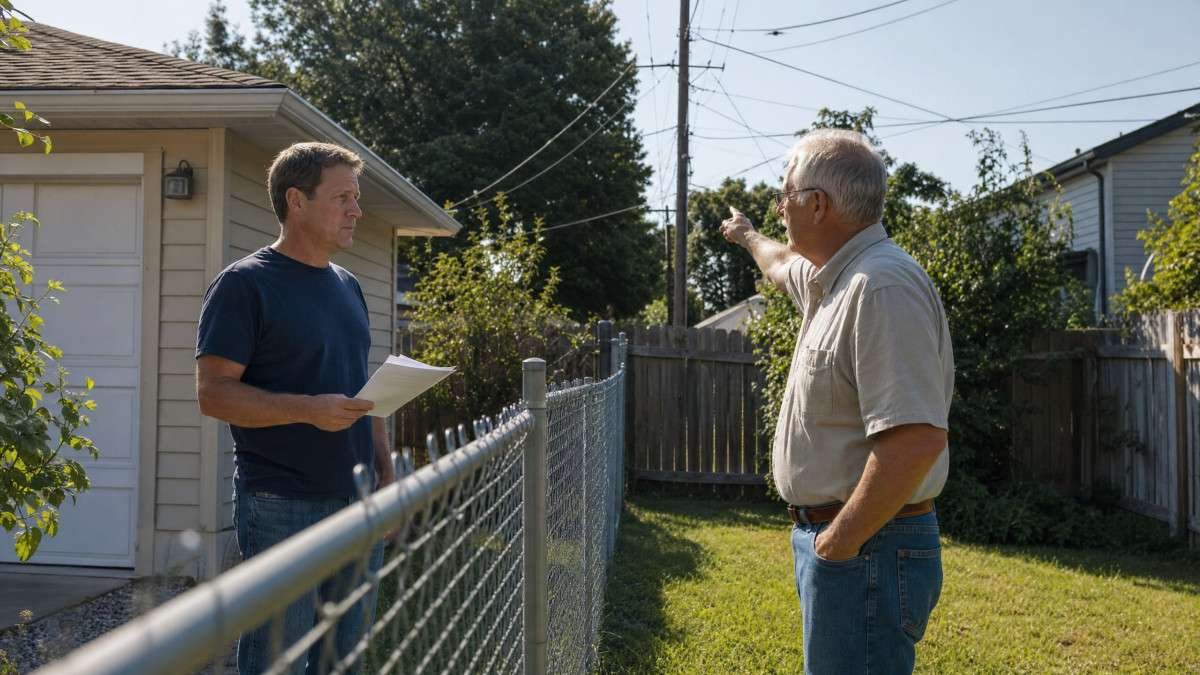
Property line disputes are most effectively resolved through a combination of professional surveys, documentation review, and negotiation. When informal resolution fails, a quiet title action — a court proceeding that legally establishes the boundary — is the formal remedy. Legal counsel is advisable before initiating litigation.
Disputes over property boundaries typically arise when neighbors disagree about the location of a shared boundary, when a fence or structure is discovered to encroach on an adjacent parcel, or when a new survey reveals that a longstanding boundary marker was incorrectly placed. These disputes can escalate quickly and damage neighborly relationships, making early, professional intervention valuable.
The first step in resolving a boundary dispute is to commission an independent survey and share the results with the neighboring party. In many cases, a professionally conducted survey resolves the disagreement by providing an objective, documented basis for the boundary location. If the neighbor disputes the survey’s findings, mediation — a structured negotiation process facilitated by a neutral third party — is a cost-effective alternative to litigation.
When informal resolution is not possible, a quiet title action is the legal mechanism for establishing a definitive boundary. This court proceeding examines the historical record, surveys, and any applicable legal doctrines — including adverse possession and boundary by acquiescence — to determine the legally correct boundary. Quiet title actions can be time-consuming and expensive, making early, good-faith negotiation the preferred approach in most cases.
How Easements Affect Property Value and Marketability
Easements can affect both the value and the marketability of a property, depending on their type, scope, and location. Utility easements in the rear of a lot typically have minimal impact, while easements that restrict development potential or require shared access can significantly reduce value and complicate sales.
The impact of an easement on property value depends on several factors: the size of the easement area relative to the total parcel, the restrictions it imposes on use and development, and whether it affects the most valuable portions of the property. A narrow utility easement running along the rear property line of a large suburban lot typically has minimal impact on value. An easement that bisects a buildable lot, restricts the placement of a primary structure, or requires shared access with a neighboring property can have a more significant effect.
From a marketability standpoint, easements that are clearly documented, well-understood, and consistent with the property’s current use present few obstacles. Easements that are ambiguously worded, disputed, or inconsistent with the buyer’s intended use can complicate the sale and may require legal resolution before title can be transferred. Buyers should review all recorded easements carefully during the due diligence period and consult with a real estate attorney if any easement raises questions about their intended use of the property.
Legal Protections and Due Diligence for Buyers
A thorough title search and an owner’s title insurance policy are the primary legal protections available to buyers against undisclosed easements and boundary issues. These tools do not eliminate risk but provide financial protection and legal recourse if problems emerge after closing.
The title search conducted as part of the closing process examines the public records to identify all recorded encumbrances on the property, including easements, liens, and deed restrictions. A competent title search should reveal all easements that have been properly recorded. However, certain encumbrances — including prescriptive easements established by long use and unrecorded agreements — may not appear in the public record and can only be identified through a physical survey and careful inspection of the property.
Owner’s title insurance provides financial protection against title defects that were not discovered during the search, including certain unrecorded easements. It is one of the most cost-effective legal safeguards available to buyers and is strongly recommended for any property purchase. For additional guidance on understanding property records and title, the Consumer Financial Protection Bureau’s homebuying resources provide accessible explanations of the closing process and title protection.
Frequently Asked Questions
What is an easement in simple terms?
An easement is a legal right that allows someone other than the property owner to use a specific portion of the land for a defined purpose. The most common example is a utility easement, which grants a power or water company the right to access a strip of land to maintain infrastructure. Easements are recorded in the public land records and transfer to new owners when the property is sold.
What are the four main types of easements?
The four primary types are: utility easements (for infrastructure access), easements appurtenant (benefiting a neighboring parcel), easements in gross (benefiting a specific individual or entity), and prescriptive easements (arising from long-term, open, and continuous use without the owner’s permission). Conservation easements are an additional category that permanently restricts development on a parcel.
What is the most common type of easement on residential property?
Utility easements are by far the most common type found on residential properties. Nearly every developed parcel has at least one utility easement allowing access for power, water, sewer, or telecommunications infrastructure. These easements typically run along the rear or side of the lot and prohibit permanent structures within their corridor.
How do property line disputes get resolved?
Most disputes are resolved through a combination of professional surveys, negotiation, and, if necessary, mediation. When informal resolution fails, a quiet title action — a court proceeding that legally establishes the boundary — is the formal remedy. Early engagement with a licensed surveyor and, if needed, a real estate attorney is the most effective approach.
How do I find my property lines without a survey?
You can get an approximate sense of your boundaries by reviewing your deed’s legal description, examining the recorded plat map at your county recorder’s office, and looking for existing survey monuments such as iron stakes or concrete markers. However, only a survey conducted by a licensed land surveyor provides a legally reliable boundary determination suitable for construction or dispute resolution.
Conclusion
Property lines and easements are foundational elements of real estate ownership that deserve careful attention during the buying process. A thorough title search, a professional boundary survey when warranted, and an owner’s title insurance policy provide the strongest available protection against boundary and easement-related surprises. Buyers who invest the time to understand these concepts before closing are far better positioned to enjoy their property without the complications that arise from unresolved boundary issues or misunderstood easement obligations.