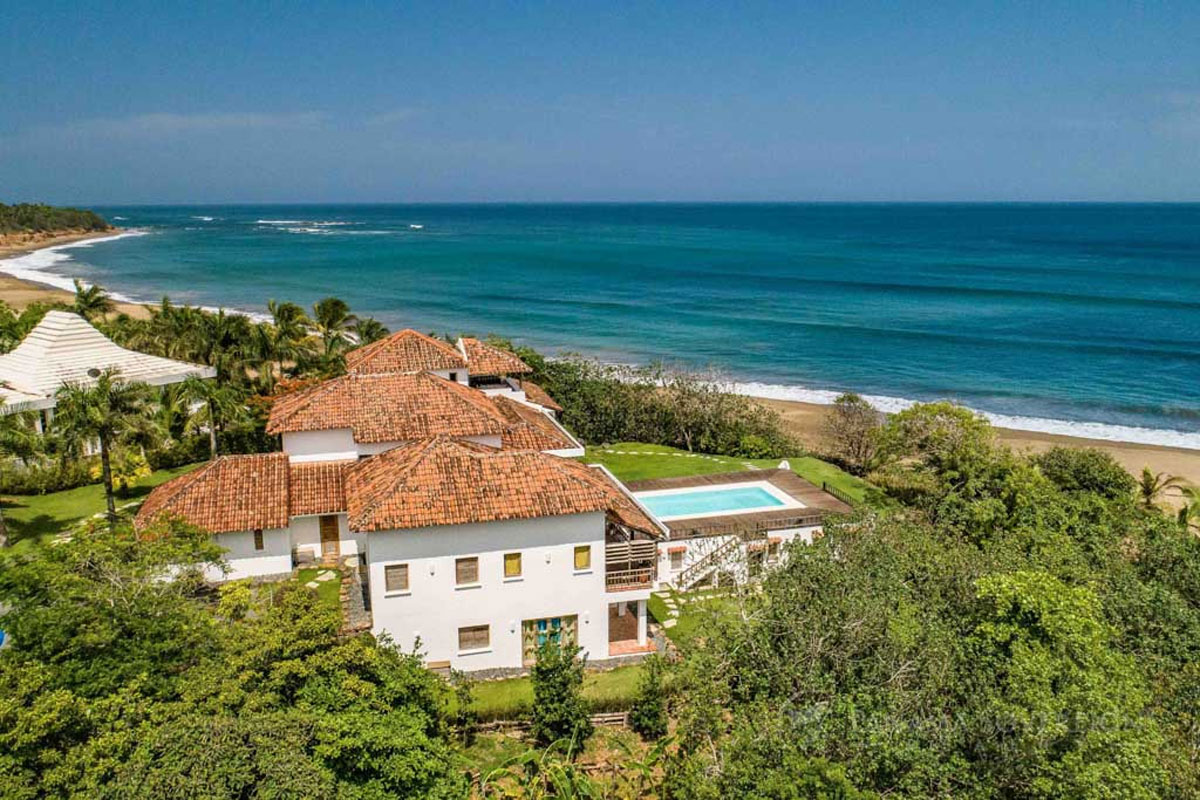

Pedasí is a small town at the southern tip of Panama’s Azuero Peninsula, and it has quietly become one of the country’s most interesting places to buy a home. It sits in the Arco Seco, the driest and sunniest part of Panama, with uncrowded Pacific beaches, world-class sport fishing, the Isla Iguana wildlife refuge just offshore and the surf at Playa Venao about 30 minutes away. Unlike many beach areas, it is a real working town with a square, shops, banks, schools and a health centre.
Prices are well below Panama’s better-known beach areas. But a home in a coastal, tropical climate ages differently from one in North America or Europe, so knowing what to inspect matters as much as knowing what to pay.
What your budget buys in Pedasí
Based on current asking prices (October 2026):
- Casitas and tiny homes: from about US$48,000, a low-cost way to own in or near town.
- Two- and three-bedroom homes in and around town: about US$139,000 to US$285,000, many new or recently renovated.
- Ocean-view homes with pools: about US$435,000 to US$525,000.
- Beachfront luxury homes: about US$1.45 million to US$2.8 million, including the Los Destiladeros coast.
- Building lots: from about US$45,000 for a large lot near town to about US$315,000 for a beachfront lot in a gated community.
Several sellers in the area offer owner financing, with the down payment, rate and term agreed directly and recorded by the buyer’s attorney.
Where to look
Each part of the area has a different character. Pedasí town is walkable and best for affordable homes and long-term rentals. Punta Mala, about seven minutes from the main street, has newly paved roads and a mix of homes and land. Playa Arenal is the closest beach and the launch point for boats to Isla Iguana. Playa El Toro has ocean-view lots a short drive from town. Playa Venao is livelier, with surf, condos and boutique hotels but fewer everyday services.
What to inspect in a coastal Panama home
A tropical seaside climate is hard on buildings. These are the checks worth paying an inspector or experienced builder to make.
Water supply and storage. The town has municipal water, but many country and beach homes run on private wells with storage tanks for the dry season, roughly December to April. Ask how deep the well is, how it performed last dry season, and check the tank, pump and pressure system.
Power and backup. Grid electricity reaches the town and most surrounding communities, but outages happen, as long-time residents will tell you. Look at the condition of the electrical panel and wiring, and whether the home has solar panels, a battery or a generator. A solar-powered home can be a real advantage here.
Salt air and corrosion. Near the ocean, salt eats metal. Check window frames, door hardware, railings, air-conditioning condensers and electrical boxes for rust. Stainless or coated fittings and well-maintained AC units are a good sign.
Roofs and rain. The rainy season, roughly May to November, brings heavy afternoon downpours even in the dry Arco Seco. Inspect the roof, gutters, flashing and any flat terraces for ponding or past leaks, and look for water staining on ceilings and walls.
Humidity and mould. Closed-up houses in the tropics can develop mould quickly. Check wardrobes, bathrooms and any rooms kept shut, and ask how the home is ventilated when the owner is away.
Septic systems. Many homes outside town use septic tanks. Ask for the tank’s location, size and last pump-out date.
Construction quality. Panama has less government building inspection than many countries, so quality depends on the original builder. Look for cracks in block walls and slabs, check drainage around the foundation, and ask who built the home and whether permits and an occupancy certificate are on file.
Legal checks that protect the house you inspected
A sound house is only half the purchase. Your own independent attorney should confirm:
- Titled property or rights of possession. Titled land is registered at the Public Registry and is the safest choice; rights of possession over untitled land are common in rural and coastal areas and carry more risk.
- The coastal strip. On the Pacific, the first 22 metres inland from the high-tide line is public and cannot be privately owned. Beachfront purchases need a survey showing it.
- Protected land. Mangroves and protected areas cannot be titled or built on.
- Liens and tax clearance. The seller should provide proof that property taxes are paid up.
Buyers typically pay about 1% to 1.5% of the price in legal fees, plus small notary and registry fees, and the seller customarily pays the 2% transfer tax.
Buy finished or build your own?
A finished home lets you move in or rent right away with known costs. Building gives you your own design and often a lower cost per square metre, with construction on the Azuero running about US$950 to US$1,250 per square metre depending on finishes. If you build, check road access, water, power and internet before you buy the lot.
The bottom line
Pedasí offers something rare: a genuine Panamanian town by the sea, with homes still priced for ordinary budgets. Visit in both seasons if you can, rent before you buy, and inspect the house as carefully as you admire the view. Current listings, from casitas to ocean-view homes and building lots, are on this page of Pedasí homes for sale.