
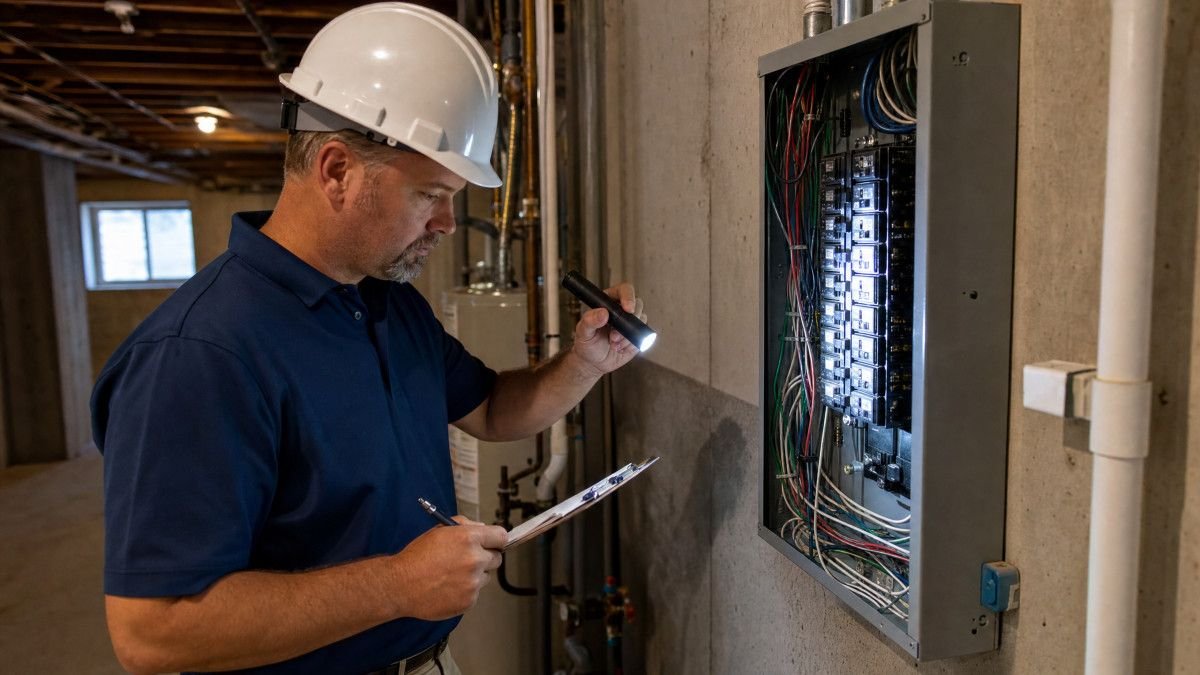

The home inspection industry is regulated inconsistently across different states, meaning that the qualifications and standards of inspectors vary widely. Some states require licensure, continuing education, and adherence to professional standards; others impose minimal requirements. This variability places the burden on the buyer to conduct their own due diligence when selecting an inspector. This guide provides a systematic framework for making that selection with confidence.
Key Qualities of a Professional Home Inspector
A reliable home inspector combines formal credentials from a nationally recognized organization, substantial hands-on experience, professional liability insurance, and a commitment to objectivity. These qualities work together to ensure that the inspection is thorough, independent, and genuinely useful for your purchase decision.
Professional credentials are the first filter. Look for inspectors who hold certifications from nationally recognized organizations such as the American Society of Home Inspectors (ASHI) or the International Association of Certified Home Inspectors (InterNACHI). These organizations require members to pass competency examinations, complete continuing education, and adhere to a published code of ethics and standards of practice. Membership in these organizations does not guarantee perfection, but it establishes a meaningful baseline of knowledge and accountability.
Experience is equally important. An inspector who has completed thousands of inspections across a variety of property types and ages will have encountered a far broader range of issues than a newly certified practitioner. Ask specifically about experience with properties similar to the one you are purchasing — a Victorian-era home presents very different challenges than a 1990s suburban construction, and an inspector’s familiarity with the relevant building era matters. Additionally, look for inspectors who carry Errors and Omissions (E&O) insurance, which provides financial protection if the inspector misses a significant defect.
Where to Find and Vet Potential Inspectors
The most reliable sources for inspector referrals are the ASHI and InterNACHI member directories, independent online reviews, and personal recommendations from recent homebuyers in your area. Relying exclusively on your real estate agent’s referral introduces a potential conflict of interest that buyers should be aware of.
Finding qualified candidates requires looking beyond the most convenient referral. While your real estate agent may offer a recommendation, it is important to understand the potential conflicts of interest inherent in that referral and to conduct independent research. Real estate agents have a financial interest in the transaction closing successfully. An inspector who consistently produces thorough, detailed reports that identify significant issues may generate more renegotiations and deal cancellations — outcomes that are not in the agent’s financial interest.
Effective sources for independent referrals include the ASHI inspector directory, which allows you to search for certified members by location. Online review platforms such as Google Reviews and the Better Business Bureau can provide insight into past clients’ experiences. Asking friends, family members, or colleagues who have recently purchased homes in the same area for personal recommendations is another reliable approach. Compile a shortlist of at least three candidates before making a final selection.
Crucial Questions to Ask Before Hiring
Vetting a home inspector requires asking specific questions about credentials, experience, insurance, report format, and inspection scope. A confident, experienced inspector will answer these questions readily and in detail. Reluctance or vague answers should be treated as warning signs.
| Question to Ask | What a Good Answer Looks Like |
|---|---|
| What certifications do you hold? | ASHI or InterNACHI membership; state license if required |
| How many inspections have you completed? | Hundreds to thousands; relevant property type experience |
| Do you carry E&O and liability insurance? | Yes, with willingness to provide proof of coverage |
| Can I see a sample report? | Detailed narrative with photographs; not just checkboxes |
| Can I attend the inspection? | Yes, and they actively encourage it |
| What is included in the standard fee? | Clear scope; add-ons (radon, sewer) disclosed upfront |
Begin by asking about their specific credentials and how long they have been practicing. Follow up by asking how many inspections they complete annually and what types of properties they most frequently inspect. Request a sample inspection report from a recent comparable property — a high-quality report should be detailed, clearly written, and include photographs of every identified issue. A report that consists primarily of checkboxes with minimal narrative description is a warning sign.
Understanding the Inspection Report and Next Steps
A well-structured inspection report distinguishes between safety hazards, major defects, and minor maintenance items, allowing buyers to prioritize their response. The report is a negotiating tool as much as a disclosure document — use it to request repairs, a price reduction, or a seller credit before closing.
The inspection report is the primary deliverable of the inspection process, and understanding how to interpret it is essential for making effective use of the findings. Safety hazards — such as exposed wiring, carbon monoxide risks, or structural instability — require immediate attention and should be addressed as a condition of purchase. Major defects — including a failing roof, a deteriorating foundation, or a non-functional HVAC system — represent significant capital expenditures that should be factored into your purchase price negotiation. Minor maintenance items, while important for long-term upkeep, typically do not warrant renegotiation.
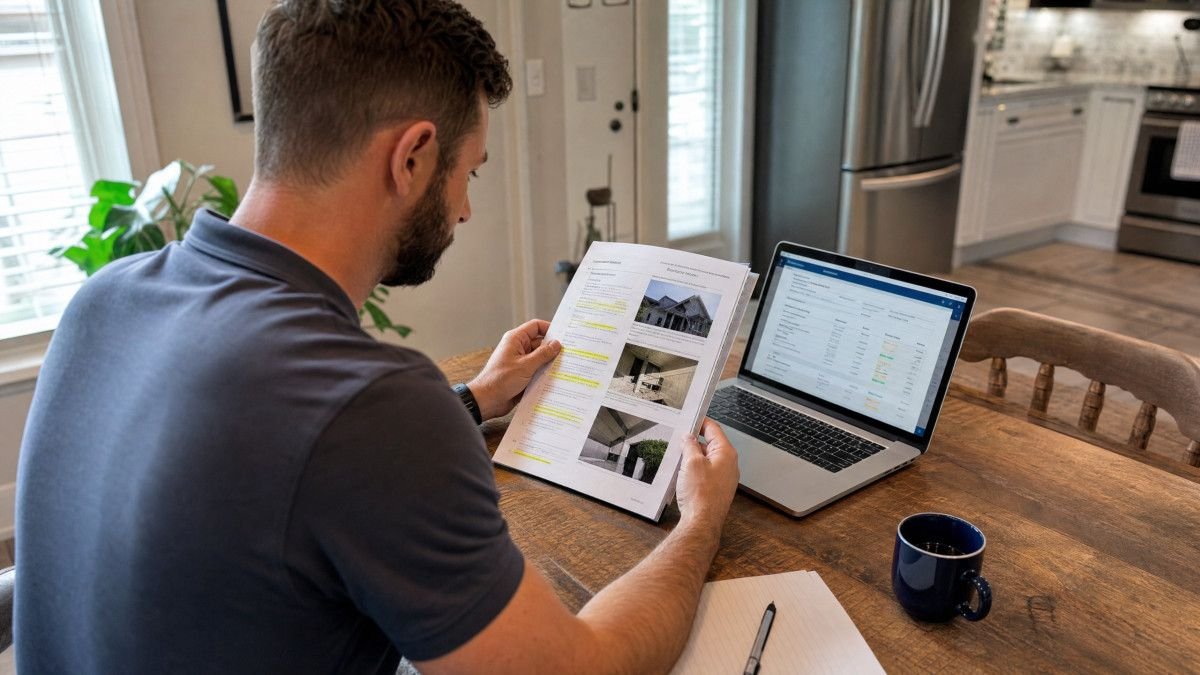
Once you have reviewed the report, consult with your real estate agent and, if warranted, with specialized contractors to obtain cost estimates for significant repairs. You then have several options: request that the seller complete specific repairs before closing, negotiate a price reduction to account for the cost of the work, request a seller credit at closing, or, if the issues are severe enough, exercise your inspection contingency to withdraw from the transaction.
Red Flags and Legal Considerations in Home Inspections
An inspector who offers to perform repairs on issues they identify, refuses to allow client attendance, or delivers a report suspiciously free of significant findings should be disqualified. The inspection contract’s liability limitations should be reviewed carefully before signing.
Certain behaviors and practices should raise immediate concerns about an inspector’s reliability and objectivity. An inspector who offers to perform repairs on issues they identify during the inspection has a clear financial conflict of interest. Most professional standards organizations prohibit this practice, and any inspector who suggests it should be disqualified immediately. Similarly, an inspector who provides a verbal-only report, refuses to allow the buyer to attend, or delivers a report that is suspiciously free of significant findings warrants skepticism.
From a legal standpoint, the inspection contract — which you will be asked to sign before the inspection begins — typically contains liability limitations that cap the inspector’s financial exposure in the event of a missed defect. Read this contract carefully before signing. Some contracts limit liability to the cost of the inspection fee itself, which may be inadequate if a major defect is overlooked. If a significant defect is discovered after closing that the inspector should reasonably have identified, consulting a real estate attorney about your options is the appropriate course of action.
Frequently Asked Questions
How do I find the best home inspector in my area?
The most reliable approach is to search the member directories of ASHI or InterNACHI for certified inspectors in your area, cross-reference their names on independent review platforms, and ask for personal recommendations from recent homebuyers in your community. Compile a shortlist, request sample reports, and ask each candidate the vetting questions outlined above before making a final selection.
What is the biggest red flag in a home inspection?
Evidence of foundation movement — including horizontal cracks in basement walls, stair-step cracks in masonry, or significant differential settlement — is the most serious category of finding. Active water intrusion, evidence of mold, and outdated or hazardous electrical systems are also high-priority concerns that warrant immediate specialist evaluation.
What qualities define a good home inspector?
A good inspector combines formal certification from a recognized professional organization, substantial hands-on experience with properties similar to yours, strong written communication skills, professional liability insurance, and a commitment to objectivity. They welcome client attendance, explain findings clearly, and produce detailed, photographic reports.
What does a home inspection not cover?
Standard home inspections are visual assessments of accessible components and do not include invasive testing, specialized environmental testing (such as radon, mold, or asbestos), sewer scope inspections, or assessments of items that are not visible or accessible. Buyers who want comprehensive coverage should discuss add-on services with their inspector before the appointment.
How much does a home inspection cost?
The cost of a standard home inspection for a typical single-family home ranges from approximately $300 to $600, depending on the size of the property, its age, and the local market. Larger or older homes, or those requiring specialized testing, will cost more. This fee is one of the most cost-effective investments in the home-buying process relative to the potential financial protection it provides.
Conclusion
Choosing a reliable home inspector requires the same diligence you apply to every other aspect of the home-buying process. By prioritizing credentials, experience, and professional independence over convenience, you maximize the likelihood of receiving an honest, thorough assessment of the property you are considering. The inspection report is your most important source of objective information about the home’s true condition, and the quality of that report depends entirely on the quality of the inspector who produces it. Invest the time to choose well.