
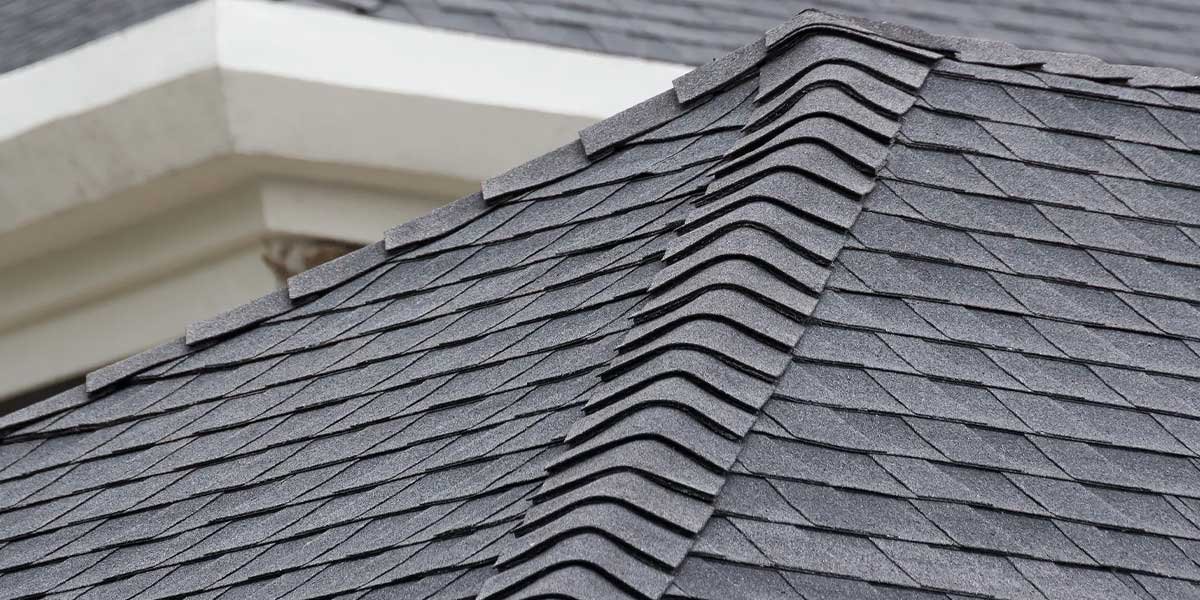

The signs you need asphalt shingles fall into four buckets, and the ones that matter most are water in the home and a roof that sags: a cracked, curling, or missing shingle, granules piling up in the gutters, moss or algae on the surface, and damaged flashing around the vents and the chimney all say the coating is wearing, while a water stain in the ceiling, a musty attic, rising energy bills, or a sagging roofline are the urgent ones. Owens Corning’s guide to when to replace a roof, and the insurer Amica’s ten warning signs, both point to the same core: most asphalt shingle roofs last about 15 to 30 years, and the wear shows before the roof fails.
Check from the ground or a window, never by walking the roof, and stop at the first sign of sagging, daylight through the deck, or water inside. Below is the severity table, what each sign means, and when to call a licensed pro.
Signs you need asphalt shingles, by severity
Sort the signs by how fast they harm the home: water inside, a sagging roof, or daylight through the deck is urgent and a licensed roofer’s call, while granules in the gutters, curling or missing shingles, moss, and worn flashing warrant a planned inspection. The table lines up the symptom, the likely cause, the urgency, and the safe next step.
| Symptom | Likely cause | Urgency | Safe next step |
|---|---|---|---|
| Water inside, ceiling stain | Failed shingles or flashing | Urgent | Call a licensed roofer |
| Sagging or wavy roofline | Weakened deck or supports | Urgent | Stay off; call a pro |
| Daylight through roof deck | Missing or open shingles | Urgent | Call a licensed roofer |
| Granules in the gutters | Worn surface, sun-exposed | Plan soon | Inspect; call for a quote |
| Cracked, curling, or missing shingles | Age, wind, or poor coverage | Plan soon | Inspect; call if widespread |
| Moss or algae on the surface | Moisture held on the roof | Plan soon | Don’t scrape; schedule a check |
| Worn flashing around vents or chimney | Rust, missing nails, cracked caulk | Plan soon | Inspect; repair early |
The table is the honest triage. Water inside the home, a sagging or wavy roofline, or daylight through the deck is urgent because it means the barrier has already failed and the deck or the interior is at risk, so stop and call a licensed roofing professional. Granules gathering in the gutters, especially on a roof past ten years old, cracked or curling shingles in many spots, moss drying over the surface, and worn flashing all point to a coating nearing the end of its life, so plan a professional inspection soon. The age and the wear tell you most, and a roof that has been patched repeatedly is past the point of temporary fixes.
What you can see from outside
Look up at the shingles from the ground and check the edges and the flashing, because cracked, curling, or missing shingles, granules in the gutters over time, and moss or algae on the surface all show the coating is wearing and letting water in. The insurer Amica names these as the first clues on the roof’s face.
The outside signs are read in daylight. Cracked, curling, or missing shingles expose the deck to water and need attention, especially if they appear across many spots, and granules, the crushed stone that shields the surface from the sun, collecting in the gutters or the downspouts mean the shingle face is losing its protection, most telling on a roof over ten years old. Moss or algae holding moisture on the surface raises the risk of water under the shingles and brings mold, and the advice is not to scrape it off yourself, since that harms the roof more. Flashing around the vents, the chimney, and the skylights seals the seams, and rust, missing nails, or cracked caulking there lets water in at the joints. Catching a few damaged shingles or a worn flash early is a small repair, where a roof left to wear is a full replacement.
What you notice inside
Step into the attic after a hard rain and watch the walls and the ceiling, because a water stain, a musty smell, or a jump in the energy bill points to a roof that is letting water or air through, and so does a sagging roofline or daylight through the beams. The inside signs are the most reliable.
The inside signs signal real loss. A water stain, a musty smell, peeling paint, or a damp rafter means moisture is finding a way through the roof or its flashing, and a sudden rise in the heating- or cooling bill can mean the roof leaks air and the HVAC is working harder. A sagging, drooping, or wavy roofline viewed from across the street may indicate weakened structure beneath, and daylight visible through the roof beams, beyond the vents that are meant to let light in, means an open or missing shingle above. These are the urgent ones, and each warrants a licensed inspection rather than a wait, because the damage below a worn roof only grows.
Age, lifespan, and the repair-vs-replace call
Let the age and the pattern of repairs decide: most asphalt shingle roofs last about 15 to 30 years depending on the material, the climate, and the upkeep, a roof into its third decade or one with repeated patches is likely a replacement, and a single damaged spot is a repair. The Amica guide puts the lifespan at 15 to 30 years, with a second layer added over an old one possibly needing a replacement sooner.
The repair-vs-replace rule is clear. A roof patched repeatedly, with a leak or a torn shingle followed by another, is nearing the end of its life and the repairs cost more than a replacement saves, so the whole roof is the honest call. A shingle roof in its teens or twenties with one damaged shingle or a worn flash is a candidate for a targeted repair, and a roof past its 15-to-30-year life or showing the wide signs, granules gone, shingles curled and cracked, is a replacement. Because a full shingle roof runs several thousand dollars and up by the size and the region, a damaged but young roof rewards repair and a worn and wide one rewards replacement. Match the age and the pattern to the right call, and a licensed estimate settles it.
Safe checks and when to call a licensed professional
Do the check from the ground and a window, not by walking the roof, and call a licensed roofer at the first sign of sagging, daylight through the deck, or water inside, because the roof and the ladder are where a homeowner is most at risk. The insurer Amica warns you not to scrape moss off yourself, and the same care applies to stepping on old shingles.
The safe posture is the point. Check the shingles, the flashing, and the gutters from the ground or a second-story window, and use a sturdy ladder only where it is safe, never stepping onto roof shingles that are soft or worn, since a brittle or mossy roof cracks underfoot. Do not scrape moss or algae off yourself, as that damages the surface. The moment you see the broken barrier, a water stain inside, a sagging roofline, or daylight through the deck, or when the repair is in an area you cannot reach safely, stop and call a licensed roofing professional, whose insurance and equipment cover the height and the fall risk. The roof’s damage-prevention step is early detection and a licensed estimate before the water gets deeper.
Frequently asked questions
How many years should asphalt shingles last? Most asphalt shingle roofs last about 15 to 30 years, depending on the material, the climate, and how well they are maintained, and a second layer added over an old roof may need replacing sooner. A roof past its teens needs a close look.
How can you tell if you need new shingles? Look from the ground or a window for cracked, curling, or missing shingles, granules in the gutters, moss or algae, and worn flashing, and watch inside for a water stain, a musty smell, or a sagging roofline. Widespread wear plus a failing seal means replacement.
What’s the average cost of replacing shingles on a roof? A full asphalt shingle roof replacement typically runs several thousand dollars and more depending on the size, the pitch, and the region, while a single damaged shingle or a small leak is usually a few hundred to repair. Get an itemized local quote for your roof.
Will insurance cover shingles blown off the roof? Coverage depends on your policy and the cause: sudden storm or wind damage is more likely covered, while long-term wear and tear or an old roof is usually not, so check your policy and report a sudden storm loss promptly. A licensed inspection helps document the damage.
Is a 13 year old roof bad? A 13-year-old roof is usually past its early years but far from worn out, since most asphalt shingle roofs last 15 to 30 years, though it is worth a check if you see granules, curling, or any leak. Condition, not age alone, sets the life.
Let the water, the sag, and the age decide
Judge the signs you need asphalt shingles by the water and the structure first, and the granules and the age second: inside water, a sagging roofline, or daylight through the deck is urgent and a licensed roofer’s call, while granules in the gutters, cracked or curled shingles, moss, and worn flashing warrant a planned inspection. Most asphalt shingle roofs last about 15 to 30 years, and a roof into its later years with wide wear is a replacement while a young roof with a single damaged spot is a repair. Check from the ground, never the roof, and call a licensed professional at the first sign the barrier has failed, and the roof rewards you with a dry, sound home for years. The signs you need flat roof guide covers the other common roofing style the same way.