
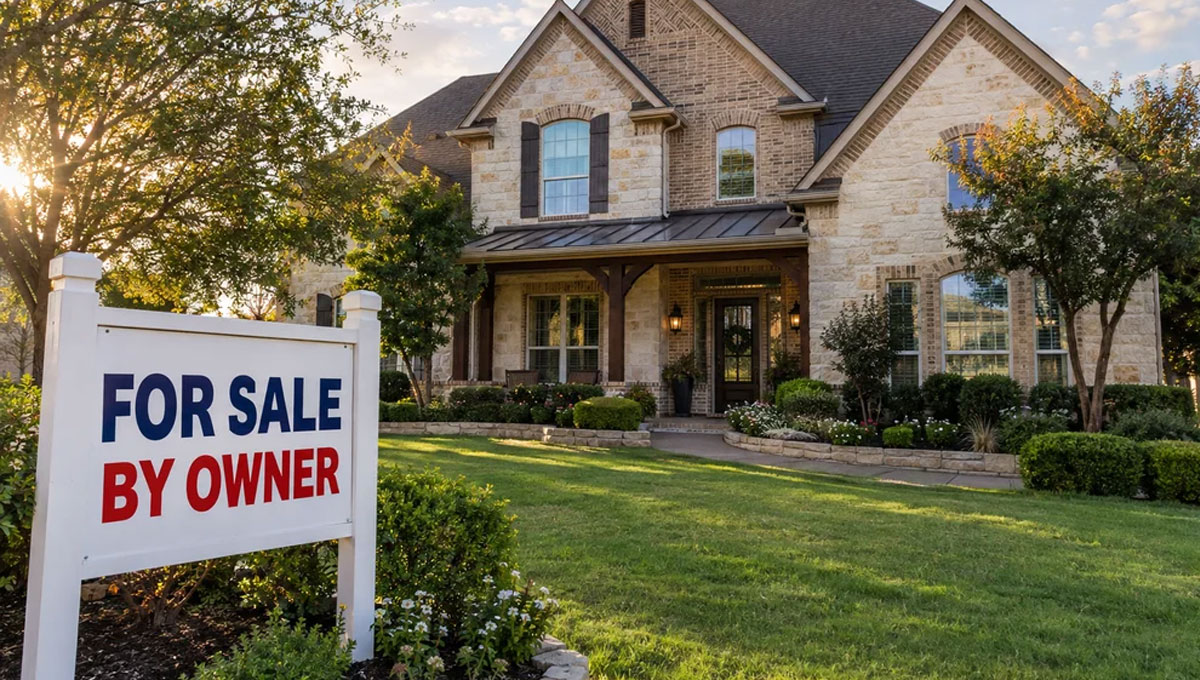

Buyers form an opinion about a house before they reach the front door, and in Texas the first things they see are usually concrete: the driveway, the front walk and the entry steps. A stained, cracked approach makes a well-kept home look tired in listing photos. Fixing it is rarely the most expensive item on a pre-sale checklist, but it is one of the easiest to get wrong if you start too late.
Why agents focus on the outside first
Real estate agents spend a lot of time talking about curb appeal for a reason. In the 2023 Remodeling Impact Report on outdoor features, published by the National Association of Realtors and the National Association of Landscape Professionals, 92 percent of Realtors said they recommend that sellers improve their curb appeal before listing. The same report found that the least expensive outdoor projects, such as regular lawn care, tend to recover the highest share of their cost at sale.
The lesson for sellers is not to remodel the yard. It is to remove the visible reasons a buyer might knock money off an offer. Hardscape surfaces fall squarely into that category, because cracks and heaving read as maintenance problems, and buyers tend to imagine the worst about what lies beneath them.
Walk the property the way a buyer will
Start at the street and look at the house as if you were seeing it for the first time. Concrete flaws are easy to stop noticing when you drive over them every day. Note anything a buyer, an appraiser or a home inspector is likely to flag:
- Oil stains, rust marks and tire scuffs on the driveway
- Cracks wide enough to catch a heel, or ones with weeds growing through them
- Sections of sidewalk or steps that have lifted or sunk, creating a trip edge
- Faded or peeling coatings on the patio or pool deck
- Low spots where water stands after rain
Take photos as you go. They will help you sort the cosmetic issues from the structural ones and will be useful when you ask for quotes.
Cosmetic fixes versus problems an inspector will write up
Not every flaw deserves the same response. Surface staining and light wear can often be handled with a thorough cleaning and a fresh coat of sealer. Faded, worn or patchy surfaces that are otherwise sound are good candidates for resurfacing, which bonds a new decorative layer to the existing slab.
Trip hazards and drainage problems belong in a different category. A raised sidewalk panel near the entry or water pooling against the foundation is the kind of item that shows up on an inspection report and turns into a negotiation point. In much of Texas, these problems are tied to clay soils that swell when wet and shrink during dry spells, so it pays to understand why a slab moved before covering it up. A new surface over a section that is still shifting will crack again, possibly while the house is under contract.
Timing the work around your listing date
The biggest mistake sellers make with exterior concrete is leaving it until the week before the photographer arrives. Most residential resurfacing can be done within a few days, and many decorative coatings are ready for foot traffic quickly, but driveways need more cure time before they carry the weight of a vehicle. Booking also depends on the season. Spring is the busiest listing period in many Texas markets, and contractors fill their calendars accordingly.
A practical schedule looks something like this:
- Six to eight weeks out: walk the property, gather quotes and settle any structural repairs.
- Three to four weeks out: complete resurfacing or coating work, leaving time for cure and cleanup.
- The week of photos: pressure wash any untreated areas, edge the lawn and clear debris from walkways.
Choosing a finish that suits the next owner
This is not the moment for bold personal taste. Neutral colors and simple textures photograph well and appeal to the widest range of buyers. Finishes that echo common Texas materials, such as limestone, travertine or flagstone, tend to look at home with most brick and stone exteriors. Around a pool, slip resistance and surface temperature matter more to buyers than pattern, so ask how a finish performs in full summer sun before choosing it.
Consistency also helps. A freshly coated patio next to a stained, original driveway draws attention to the driveway. If the budget allows, matching the front walk, steps and patio gives the exterior a finished, intentional look.
Getting reliable quotes
When you talk to contractors, ask how they will prepare the surface, how they handle cracks and what the product’s maintenance requirements will be. Buyers often ask about warranties, so find out whether any guarantee transfers to a new owner. Established Texas firms like Zion Outdoors list their hardscape guarantees and maintenance guidance publicly, which makes it easier to compare written terms between companies rather than verbal promises.
One last detail: keep every invoice, product name and warranty document in a single folder and hand it to your agent. A buyer who sees that the driveway and patio were professionally resurfaced, with paperwork to prove it, has one fewer reason to request a repair credit, and that can be worth more at the closing table than the work itself cost.