
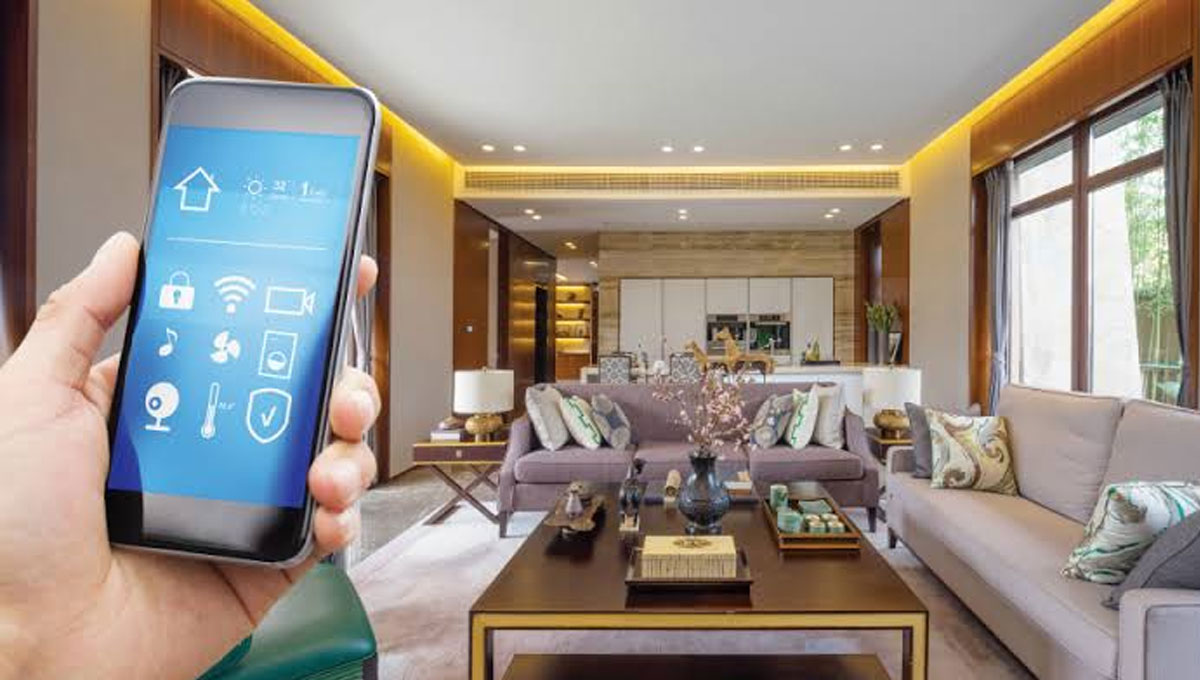

Technology is changing what people expect from a home. Buyers no longer look only at square footage, finishes, or location. They also want convenience, efficiency, security, and flexibility built into the space from the start. That shift is influencing residential architecture in a way. Smart homes are no longer treated as futuristic ideas or expensive extras. They are becoming part of how residential spaces are planned, built, and experienced.
Why Smart Homes Are Changing Residential Architecture
The rise of smart homes is reshaping how architects think about modern living. Many homeowners expect connected lighting, climate control, security systems, and energy monitoring to work as part of the house rather than as separate add ons. This shift is one reason leading Architects in Fort Lauderdale and other design professionals are planning technology earlier in the process. Instead of treating systems as an afterthought, they are incorporating them into the structure, layout, and long term functionality of the home. That approach makes residential architecture more responsive to daily life.
Smart Design Starts With the Way People Live
Good smart home design begins with function, not gadgets. The most effective systems support how people move through the home and use different spaces. Lighting can respond to time of day, window shades can adjust for comfort and privacy, and climate control can adapt to occupancy patterns. These features work best when they are built around real routines. In strong architectural designs, technology is selected because it improves how the residential environment performs for the people living in it every day.
Technology Should Support the Architecture, Not Compete With It
One of the most important principles in smart home design is restraint. Technology should enhance the experience of the home without distracting from its visual identity. In the best projects, controls are streamlined, hardware is discreet, and automation feels natural. This is especially important in modern residential architecture, where clean lines and uncluttered spaces often define the overall look. Smart systems should disappear into the background as much as possible. When they are integrated well, they support comfort, efficiency, and usability while allowing the architectural character of the home to stay in focus.
Energy Efficiency Is a Major Part of the Smart Home Appeal
Smart homes are also appealing because they can improve energy use. Automated lighting, occupancy sensors, smart thermostats, and energy monitoring systems help homeowners manage consumption more effectively. This matters not only for cost savings, but also for sustainability. In residential architecture, energy efficiency is becoming a larger priority across many architectural styles. A smart system can help a home respond to temperature, daylight, and occupancy in a more efficient way. When combined with good planning, insulation, and natural ventilation, technology adds another layer of performance to the design.
Security and Peace of Mind Matter to Homeowners
Security is another reason smart technology continues to influence residential design. Cameras, video doorbells, motion sensors, remote entry systems, and integrated alarms give homeowners more control and awareness. These features can be especially valuable in larger properties and seasonal residences. The key is integrating these systems in a way that feels seamless rather than intrusive. In thoughtful architectural designs, security does not have to interrupt the look or atmosphere of the home.
Flexibility Makes Smart Homes More Future Ready
A strong smart home is not only convenient today. It is also easier to adapt tomorrow. As technology continues to evolve, homeowners benefit from spaces that can accommodate upgrades without major disruption. This is one reason flexibility is becoming more important in residential architecture. Wiring pathways, dedicated equipment zones, and scalable systems can help the home remain useful as needs change. That level of planning supports long term value and allows different types of houses to stay current without constant redesign.
Smart Homes Can Work Across Different Design Approaches
Smart technology is not limited to one visual language. It can support traditional, transitional, coastal, and contemporary homes alike. That is why it now appears across many architectural styles instead of being tied only to sleek modern settings. Technology should improve how the house functions while respecting its identity. Whether the project is a compact residential build or a larger custom property, smart planning can help align technology with the broader architectural vision.
Conclusion
Smart homes are changing residential architecture because they reflect how people want to live now. Homeowners expect comfort, security, energy awareness, and convenience to be part of the design from the beginning. When technology is integrated thoughtfully, it strengthens both function and experience without taking attention away from the home itself. As residential expectations continue to evolve, smart systems will play an even greater role in shaping architectural designs that feel efficient, livable, and ready for the future.