
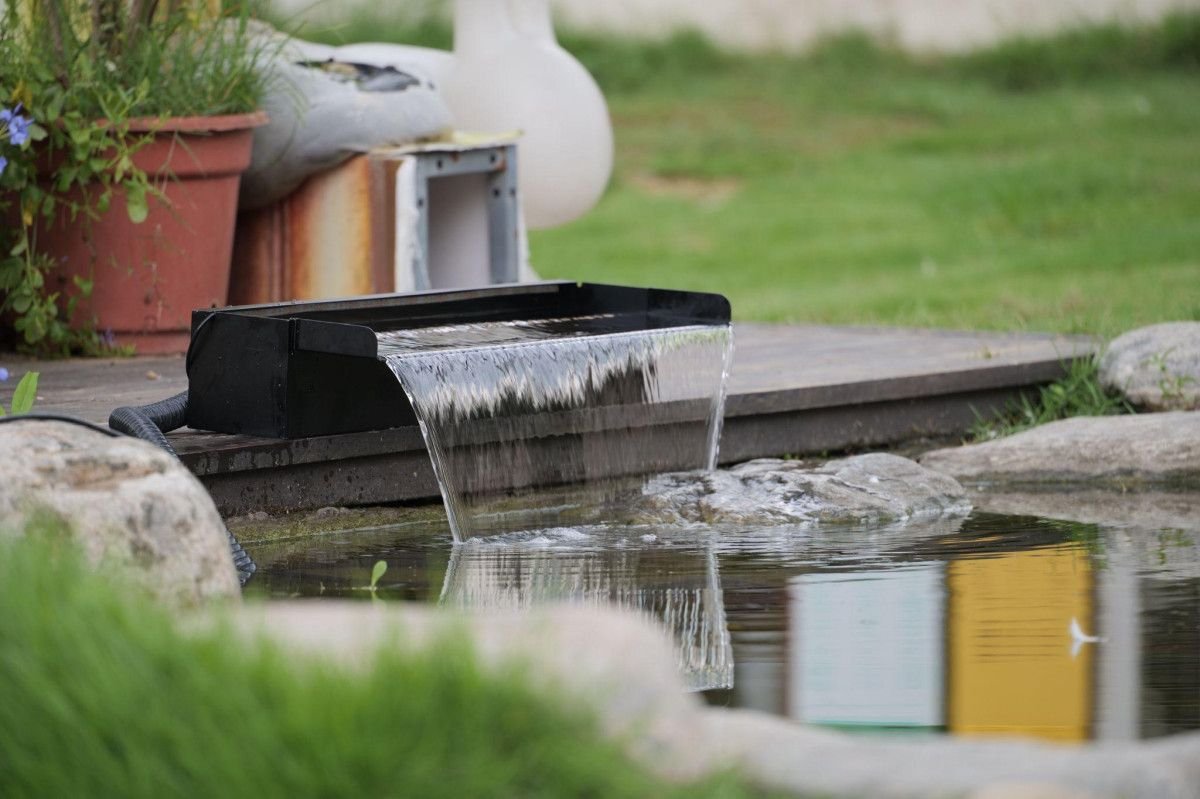

There’s something unique and fascinating about the sounds of running water in a backyard landscape. It helps to mask outside noises from the road. It brings life to a small garden. Many homeowners would want that, but without the hassle of complicated wiring and electricity bills, of course. This is where a solar waterfall pump comes in, designed to provide water movement without the hassle of electricity and wiring. But does it really work well? Let’s explore what a solar waterfall pump really is and what you can expect from it.
What Is a Solar Waterfall Pump
Defining a Solar Waterfall Pump System
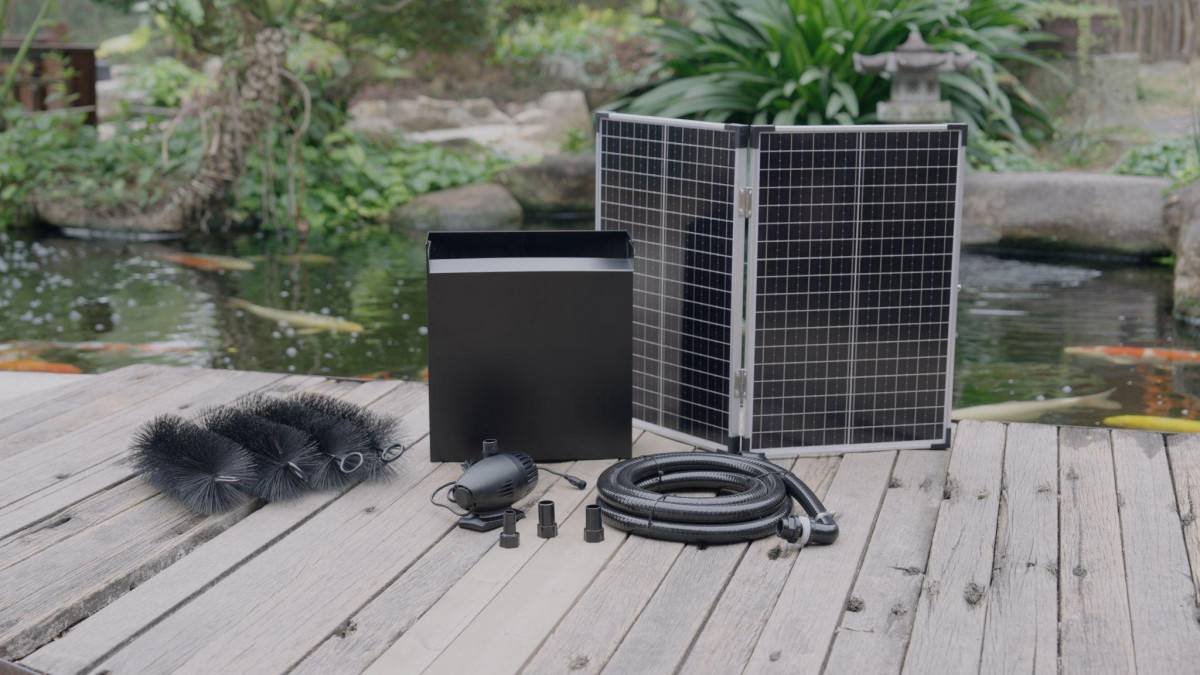
A solar waterfall pump, as the name implies, is a type of pump that uses the energy of the sun to push water upwards to the top of a waterfall or a stream, and then let it flow down due to gravity. A solar waterfall pump system generally includes:
- A solar panel
- A pump
- Tubing
- A battery (optional)
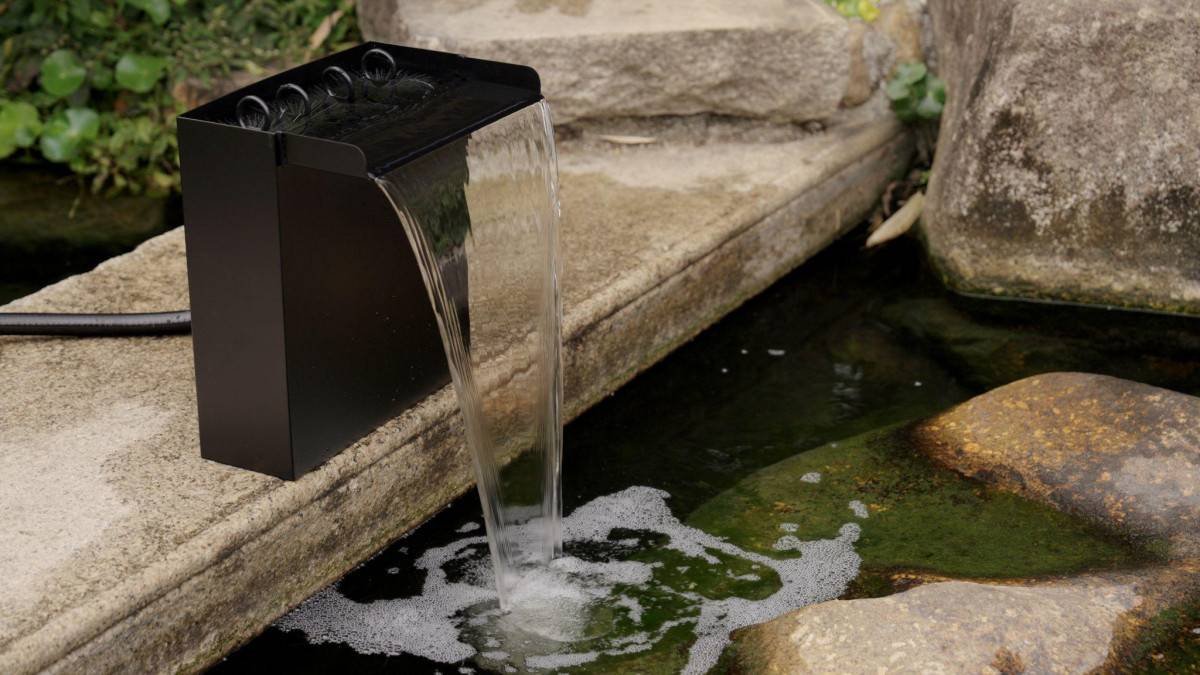
The solar panel collects sunlight and converts it into electricity, which then powers the pump, and then pushes water through the tubes and into the waterfall outlet, share Keyrenter West Chicago specialists. The water then flows down and into the basin, and then the cycle starts again and again in a continuous loop of water circulation.
How a Solar Powered Waterfall Pump Works
A solar water pump for fountain, as a whole, uses photovoltaic cells, which are solar cells that are used to collect sunlight and convert them into electricity, and then electricity into water flow. In full sun, the pump runs at full speed, and the waterfall appears to be running at a smooth pace. But as the sun starts to hide due to cloud cover, the flow of water appears to slow down, and that’s perfectly normal for a solar powered fountain pump water system. Some may also come with a battery. This battery holds additional power during bright hours. It may be used during short cloudy hours.
Solar Panel Waterfall Pump vs. Other Electric Waterfall Pumps
An electric pump uses electricity from a wall outlet. It always operates. The weather does not impact its operation. The solar panel uses sunlight for its operation. This means that it is flexible and not constant. Electric pumps may be more powerful. Solar panel pumps may be easier to set up. There is no wire to dig into the ground. The solar panel pump may be an excellent solution for small and medium waterfalls.
Why Solar Waterfall Pumps Are Ideal for Backyard Landscapes
Creating Natural Movement and Sound in Garden Design
Water impacts the ambiance of an environment. Even small water features can be effective. The steady flow of water drowns out other background noises. It also creates movement for static areas. The solar panel makes this movement and sound easier to implement. It requires sunlight and water.
No Wiring Needed for Flexible Landscape Layouts
Not all backyard designs feature electricity near water features. The solar panel waterfall pump is an answer to this problem. It can be placed anywhere you want your waterfall. Additionally, this pump is easily portable to accommodate any design change you want to implement. This flexibility makes solar panel pumps an excellent solution for do-it-yourself projects.
Energy Savings and Eco-Friendly Water Features
Solar panel pumps use solar energy, which is renewable energy. It does not increase your electricity bills. This will save money over time. It will also be better for the environment. For people who want to live more “green,” solar water features are an easy step in the right direction.
Enhancing Small Ponds, Streams, and Waterfalls
Solar pumps are ideal for:
- Small backyard ponds
- Decorative garden streams
- Compact waterfall walls
- Pondless waterfalls (where water flows into a hidden basin)
They may not be powerful enough for large waterfalls. For small backyard waterfalls, they are usually adequate.
How to Choose the Right Solar Waterfall Pump
Understanding Flow Rate and Waterfall Height Requirements
Flow rate is measured in gallons per hour (GPH). This is the amount of water that the pump will move in an hour. A small waterfall requires moderate water flow. For a wide waterfall, more GPH is needed. The height of the waterfall is also an issue. The pump must be able to lift water from the basin to the top of the waterfall. This is called head height or vertical lift distance. When selecting a solar waterfall pump, be sure to get one that will handle slightly more head height than your waterfall requires.
Matching Solar Panel Output to Pump Power
The solar panel must be able to produce enough power to run the pump. If the pump requires 25 watts of power, the solar panel must be able to produce at least that much power when there is direct sunlight. If the solar panel does not produce enough power, the pump will have weak water flow. A balanced system, where solar panel and pump are designed to work together, will give better performance.
Head Height, Hose Length, and Real World Performance
Hoses that are too long will have less water pressure. Sharp turns in the hose will also have an adverse effect. Keep the hose as short as possible with as few bends as necessary. In real-life conditions, the performance may be slightly lower than the product ratings. It is always wise to select a pump with extra capacity.
Battery Backup vs. Direct Solar Operation
Direct solar operation only functions when sunlight is available. Battery backup systems have the ability to store energy during bright hours of the day. They provide some ability to function during cloudy periods or early evenings. If sound is important to your landscape design, battery backup may be beneficial.
Common Challenges with Solar Powered Waterfall Pumps
Performance in Low Sunlight or Shaded Areas
Shade has a great impact on solar power because sunlight is greatly reduced. If trees or buildings block sunlight most of the day, you may experience poor performance. The solar panel has to be exposed to at least several hours of direct sunlight to have strong performance.
Water Flow Consistency and Seasonal Changes
In summer, long hours of sunlight are available every day. Performance is strong. In the winter, sunlight hours are shorter. This change is normal and should be anticipated to prevent disappointment.
Maintenance Needs for Solar Powered Pump and Solar Panel
It is important to note that solar-powered systems are not maintenance-free. The solar panel should be regularly maintained to ensure its surface is clean. The pump intake should be maintained to ensure leaves and other matter are kept clean. It is important to regularly maintain the solar-powered system to ensure its smooth operation.
Tips for Getting the Best Performance
Optimal Solar Panel Placement and Angle
The solar panel should be placed to ensure it receives direct sunlight. The solar panel should be placed to ensure it is not shaded during peak hours of the day. The solar panel should be tilted slightly to face the path of the sun.
Proper Pump Positioning and Water Intake Protection
The pump should be placed to ensure proper water depth. The intake should be protected to ensure leaves and other matter are kept clean. The pump should be placed flat on the bottom.
How to Reduce the Loss of Flow in the Design of a Backyard Waterfall
Hoses should be short. Avoid tight bends. Excessive vertical heights should be minimized. This will help improve the efficiency of the flow.
When to Upgrade to a Higher Power Solar Powered Waterfall Pump
If the waterfall looks weak, it is time to upgrade. Upgrade to a higher GPH model if: The waterfall is to be raised, the tubing is to be extended, or the waterfall effect is to be stronger. A slightly stronger solar powered waterfall kit pump can produce better results.