
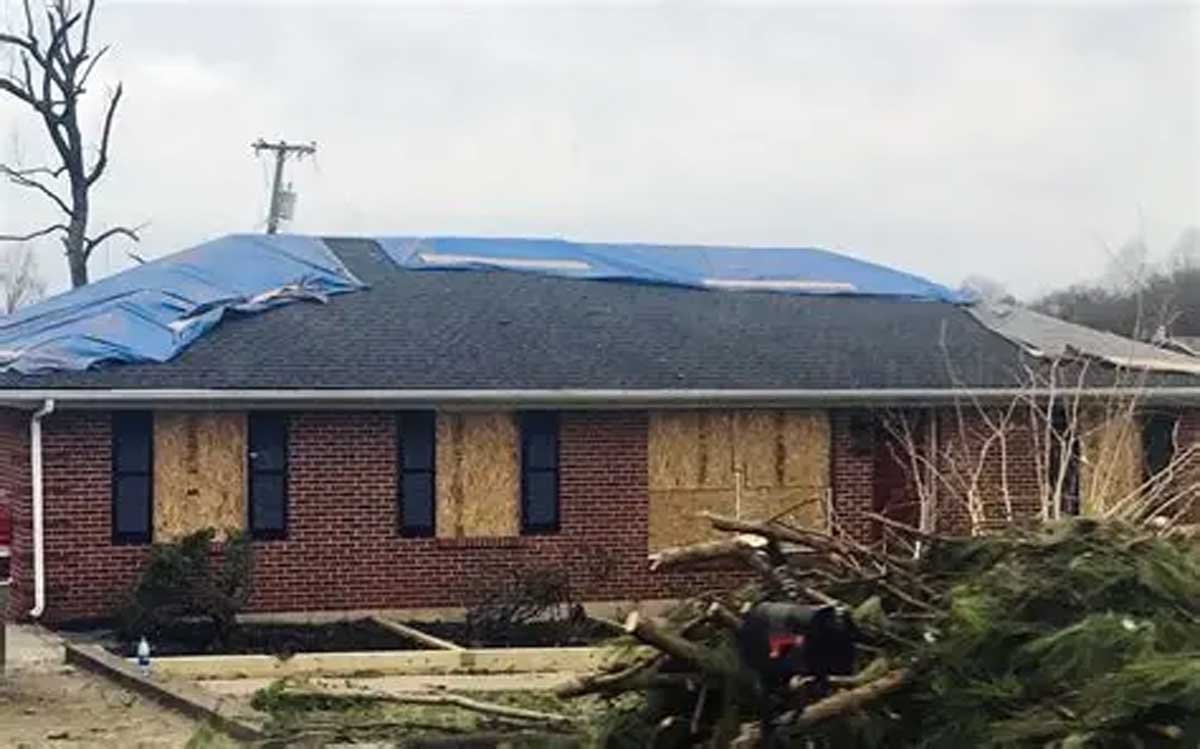

Storms have a way of showing up fast.
One minute the sky looks a little gray, and the next, the wind is pushing against the windows, rain is hitting the siding, and you’re wondering if that loose branch out back is going to become a much bigger problem.
Most homeowners know they should prepare for bad weather. But honestly, it’s easy to put off. Life gets busy. The gutters can wait. That tiny leak near the window does not seem urgent. The patio chairs have survived plenty of storms before, right?
Then a serious storm rolls through, and small issues suddenly feel a lot bigger.
The good news is that protecting your home does not have to be complicated. You do not need to panic, spend a fortune, or turn your weekend into a full construction project. A few practical steps can make a real difference. They can help prevent damage, reduce stress, and give you a better sense of control when severe weather is on the way.
Here’s where to start.
Take a Slow Walk Around Your Property
Before storm season gets too close, take a walk around your home. Not a quick glance from the driveway. A real walkaround.
Look at your siding, windows, doors, gutters, fencing, deck, shed, and anything attached to the outside of your home. You’re looking for anything loose, cracked, leaning, sagging, or just not quite right.
Small problems are often easy to ignore when the weather is calm. A loose piece of siding might not seem like a big deal on a sunny day. But during strong winds, that loose piece can pull away even more. A cracked window seal can let in water during heavy rain. A weak fence panel can turn into debris if the wind hits it hard enough.
Pay close attention to the areas that already take a beating from the weather. Corners of the home, exposed trim, older windows, and spots near trees are all worth checking.
And do not forget to look up. If you notice missing shingles, sagging areas, or signs of leaks during your walkaround, it may be worth learning more about roofing in Columbus before the next storm puts those weak spots to the test.
You are not trying to find every possible flaw. You are simply giving your home a chance to tell you where it needs attention.
That matters.
Clear the Gutters Before Rain Finds Another Way In
Gutters are easy to forget about until they stop doing their job.
When gutters are packed with leaves, twigs, dirt, and roof grit, rainwater has nowhere to go. Instead of flowing through the downspouts and away from your home, it can spill over the sides, run down exterior walls, collect around the foundation, or sneak into places you definitely do not want it.
That is how water problems start.
A clogged gutter might lead to basement moisture. It can damage fascia boards. It can create pooling near your foundation. In colder months, trapped water can even contribute to ice issues.
So before a big storm hits, clean your gutters or hire someone to do it safely. Make sure water can move freely. Check that downspouts are connected and pointed away from your home. If water is draining too close to the foundation, add an extender to carry it farther out.
This is not glamorous work. Nobody gets excited about gutter sludge.
But it is one of those simple tasks that can save you from a much bigger headache later.
Trim Trees Before the Wind Does It for You
Trees are beautiful. They give shade, privacy, and character to a yard.
But during a storm, weak branches can become a serious threat.
Walk around your property and look for dead limbs, cracked branches, or trees that lean toward your house, garage, driveway, or power lines. Pay special attention to branches that hang over the roof or sit close to windows.
A branch does not have to be huge to cause damage. Even a medium-sized limb can break a window, dent siding, tear gutters, or damage outdoor structures if the wind brings it down the wrong way.
If the branches are small and easy to reach from the ground, you may be able to trim them yourself. But for anything large, high, or near power lines, call a professional. It is not worth risking your safety to save a little money.
Storm prep is about protecting your home, but it is also about protecting yourself.
Secure the Things Sitting Outside
Here’s a question worth asking before the weather turns ugly, what in your yard could become airborne?
Patio chairs. Planters. Trash bins. Garden tools. Kids’ toys. Grills. Umbrellas. Small tables. Yard signs. Loose decorations.
It does not take a tornado to move these things around. Strong wind can pick up ordinary outdoor items and throw them into windows, cars, siding, fences, or neighboring properties.
Before a storm arrives, bring smaller items indoors. Put cushions, toys, tools, and lightweight decor in the garage or shed. Move trash cans somewhere secure. Fold patio umbrellas. If you have larger items that cannot be brought inside, tie them down or move them close to a protected wall.
This step takes just a few minutes, but it can prevent a lot of damage.
It also gives you one less thing to worry about while the storm is happening. And when the wind is howling outside, one less worry is worth a lot.
Check Windows, Doors, and Seals
Water is sneaky.
It does not always pour in through some dramatic opening. Sometimes it slips through a tiny gap around a window. Sometimes it finds cracked caulk near a door frame. Sometimes wind-driven rain pushes into places that seemed perfectly fine during normal weather.
Take a few minutes to check your windows and doors. Look for cracked caulking, worn weatherstripping, loose frames, or gaps where daylight shows through. Make sure windows lock properly. Check that doors close tightly.
If you find small gaps, sealing them now can help keep rain and drafts out later. A simple tube of exterior caulk or new weatherstripping can go a long way.
For homes in areas that get frequent severe storms, storm shutters or temporary window coverings may also be worth considering. You do not need to overdo it. Just think about the areas of your home that feel most exposed.
The goal is simple. Keep wind and water outside where they belong.
Know Where Your Shut-Offs Are
This is one of those things people often do not think about until they really need it.
Do you know where your main water shut-off valve is?
What about your electrical panel?
Do you know how to shut off the gas if there is an emergency and it is safe to do so?
If the answer is no, you are not alone. Plenty of homeowners have never had to use these shut-offs, so they do not think about them. But during a storm, knowing where they are can save precious time.
If a pipe bursts, shutting off the water quickly can limit damage. If part of the home is flooded, knowing where the electrical panel is can help you make safer decisions. If you ever smell gas, leave the home and call the utility company or emergency services right away. Do not try to troubleshoot it yourself.
It is also smart to show other adults in the household where these shut-offs are. In an emergency, you might not be the one closest to the problem.
A little knowledge now can make a stressful moment feel more manageable later.
Put Together a Simple Emergency Kit
An emergency kit does not need to look like something from a survival show.
You just need the basics.
Flashlights. Extra batteries. Bottled water. Nonperishable food. A first-aid kit. Phone chargers. A power bank. Medications. Pet supplies if you have animals. Copies of important documents. A battery-powered radio can also be helpful if power and cell service are unreliable.
Keep everything in one easy-to-find place. A plastic storage bin works fine. The important thing is that you can grab it quickly if needed.
Think about your household’s real needs. Do you have young kids? Add comfort items, snacks, diapers, or formula. Do you have older family members at home? Make sure medications and medical supplies are included. Do you work from home? Keep backup power options in mind.
What would make the first 24 hours easier if the power went out?
That is the question to answer.
You do not need to prepare for every possible situation. Just start with the basics and build from there.
Review Your Insurance Before You Need It
Nobody wants to read their insurance policy after damage has already happened.
At that point, emotions are high. The house may be leaking. The yard may be a mess. You may be trying to figure out who to call first.
That is not the best time to learn what your policy does and does not cover.
Before storm season, take a look at your home insurance policy. Check your coverage for wind, hail, water damage, fallen trees, and temporary living expenses if the home becomes unsafe. Review your deductible. Make sure you know how to file a claim and what kind of documentation your insurance company may need.
It is also helpful to take photos or videos of your home before any damage happens. Walk through the inside and outside of the property. Capture major appliances, furniture, exterior features, and recent upgrades.
These records can help if you ever need to show what your home looked like before the storm.
It is not fun paperwork. But it can make the claims process less confusing.
Make a Post-Storm Plan Before the Storm Arrives
Once the storm passes, it can be tempting to rush outside and inspect everything right away.
Slow down.
Your safety comes first. Watch for downed power lines, broken glass, unstable branches, standing water, and damaged structures. Do not climb onto the roof. Do not walk under large hanging limbs. Do not enter flooded areas if there may be electrical danger.
Start with what you can see safely from the ground. Look for missing shingles, damaged gutters, broken windows, fallen branches, loose siding, and water pooling around the home. Inside, check ceilings, walls, attic spaces, and basements for stains, drips, damp spots, or strange odors.
Take photos of any damage before moving or repairing anything, unless you need to act quickly to prevent more harm. If there is active water coming in, do what you can safely do to reduce damage, then call a qualified professional.
Having a plan makes a difference because storms can leave you feeling scattered. When you already know the first few steps, you are less likely to freeze or make rushed decisions.
Do Not Wait for the Forecast to Get Serious
The best time to prepare for a storm is not when the warning alert hits your phone.
It is before that.
Storm prep works best when it becomes a normal part of caring for your home. Clean the gutters before they overflow. Trim the branches before they snap. Check the seals before the rain pushes through. Secure loose items before the wind starts throwing them around.
Small steps add up.
And here’s the thing, protecting your home is not only about avoiding repair bills. It is about feeling safer in the place where your family sleeps, eats, rests, and builds a life. It is about knowing you did what you could before the sky turned dark.
You cannot control the weather. None of us can.
But you can control how ready your home is when the next big storm hits.
Start with one task this week. Walk around the house. Clear one gutter. Move a weak branch onto your to-do list. Put flashlights where you can actually find them.
It does not have to be perfect.
It just has to begin.