
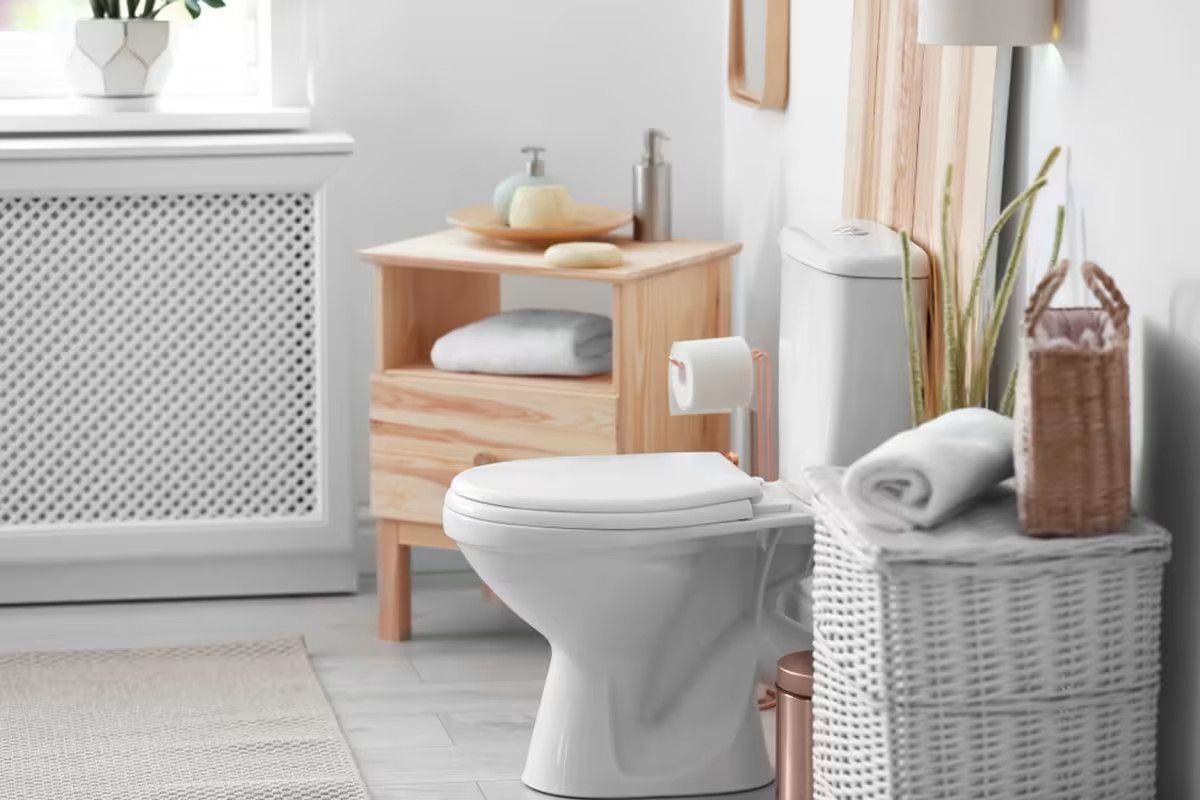

This toilet repair cost guide for homeowners covers what you will pay in 2026. Most toilet repairs cost between $100 and $400, with the national average around $225. The cost depends on whether the problem is inside the tank — where most repairs happen — or requires removing the toilet to access the wax ring, the flange, or the drain line, says Atlantic Beach property management.
Toilets are simple machines. A tank, a bowl, a flapper, a fill valve, a wax ring, and a flange. Seven parts, all of them replaceable, none of them expensive. The labor to replace them is what you are paying for — and knowing which repairs you can do yourself and which ones genuinely require a plumber is the difference between a $15 trip to the hardware store and a $400 invoice.
Toilet Repair Costs by Problem Type
Toilet repair costs span from a $5 DIY flapper to a $900 full toilet replacement, with most plumber-performed repairs falling between $100 and $400. Here is how the nine most common toilet problems compare.
| Problem | DIY Part Cost | Plumber Cost | Difficulty |
| Running toilet (flapper replacement) | $5 – $15 | $100 – $200 | Easy — 10 minutes |
| Running toilet (fill valve replacement) | $15 – $35 | $150 – $300 | Moderate — 30 minutes |
| Toilet won’t flush (flush handle/lever) | $10 – $25 | $100 – $200 | Easy, 10 minutes |
| Clogged toilet (auger/snake) | $30 – $50 (auger purchase) | $150 – $350 | Moderate, plunger first, then auger |
| Leaking at base (wax ring replacement) | $10 – $20 | $200 – $500 | Hard, remove and reset toilet |
| Loose or rocking toilet (flange repair) | $10 – $50 | $250 – $600 | Hard, may require flange replacement |
| Toilet tank crack (tank replacement) | $50 – $150 (tank only) | $250 – $500 | Usually cheaper to replace toilet |
| Phantom flushes (flapper or fill valve issue) | $5 – $35 | $150 – $300 | Moderate, diagnosis required |
| Toilet replacement (full unit) | $150 – $500 (toilet) | $400 – $900 | Hard, old removal + new install |
DIY vs. Plumber, Where to Draw the Line
The inside of a toilet tank is the most DIY-friendly repair zone in the entire house. The flapper, the fill valve, the flush lever, and the supply line are all designed to be replaced by homeowners with basic tools, a pair of adjustable pliers, a screwdriver, and a sponge to soak up the remaining water in the tank. A running toilet costs $5 to $35 in parts and 10 to 30 minutes of time. The same repair by a plumber costs $100 to $300. The plumber is not overcharging. You are paying for the service call, the drive time, the insurance, and the guarantee. The question is whether the convenience is worth $200 to you.
The wax ring and the flange, the seal between the toilet and the drain pipe, cross the DIY line for most homeowners. Replacing a wax ring requires lifting the toilet off the floor, removing the old wax, cleaning the flange, setting a new wax ring, and lowering the toilet back onto it without disturbing the seal. The toilet is heavy, 80 to 120 pounds for a standard two-piece unit. Lifting it without cracking the tank, without dropping it on the tile floor, and without misaligning the bolts through the flange is a two-person job that costs $10 in parts and $200 to $500 in plumber labor. If the flange is broken, rusted through, cracked, or set too high or too low relative to the finished floor, the repair gets significantly more complicated and the plumber’s $250 to $600 fee starts to look reasonable.
The Environmental Protection Agency (EPA) estimates that a running toilet can waste up to 200 gallons of water per day, roughly 6,000 gallons per month. The water bill increase from a running toilet often exceeds the cost of the $15 flapper replacement within the first month. A toilet that runs continuously is not a minor annoyance. It is a water leak that happens to be indoor plumbing.
The Most Common Toilet Problems and What They Cost
Three toilet problems account for roughly 90% of service calls: a running toilet, a leak at the base, and a clog that a plunger cannot clear. Here is what each one costs, what causes it, and whether to fix it yourself or call a plumber.
Running Toilet, the $15 Fix That Costs $200 If You Wait
A toilet that runs continuously, water flowing from the tank into the bowl without stopping, is almost always a failed flapper. The flapper is a rubber seal at the bottom of the tank that lifts when you flush and drops back down to seal the tank. Over time, the rubber hardens, warps, or develops mineral deposits that prevent a complete seal. Water seeps past the damaged flapper into the bowl, the fill valve detects the dropping water level, and the tank refills. The cycle repeats indefinitely.
Replacing a flapper costs $5 to $15 and takes 10 minutes. Turn off the water at the supply valve behind the toilet. Flush to empty the tank. Unclip the old flapper from the overflow tube and the flush lever chain. Clip the new flapper in place. Turn the water back on. The toilet stops running. The $200 plumber bill is for a repair you could have done yourself with a part that costs less than lunch.
Leaking at the Base, the Wax Ring Problem
Water pooling around the base of the toilet indicates a failed wax ring, the seal between the toilet and the drain flange. The wax ring compresses when the toilet is installed and creates a watertight and gas-tight seal. Over 20 to 30 years, the wax dries out, compresses further, or shifts if the toilet rocks. The seal breaks. Water escapes around the base. Sewer gas seeps into the bathroom, that faint, persistent sewage smell that you may have noticed without connecting it to the toilet.
A wax ring replacement costs $200 to $500 if a plumber does it. The part costs $10. The labor is removing the toilet, scraping off the old wax, inspecting the flange, setting the new ring, and resetting the toilet. If the flange is damaged, a common discovery once the toilet comes off, the flange repair adds $100 to $300. The total for a wax ring plus flange repair is $300 to $600. If the subfloor around the flange is rotted from years of slow leakage, another common discovery, the repair expands into floor replacement and can easily reach $1,000 to $3,000. The lesson: fix a leaking toilet base immediately. The $10 wax ring failure becomes a $3,000 subfloor replacement on the clock, not on your schedule.
Clogged Toilet, Plunge First, Auger Second, Call Third
A toilet clogged by too much toilet paper or organic waste clears with a plunger 90% of the time. Use a flange plunger, the type with a soft cup that extends from the bottom, designed specifically for toilets, not a flat sink plunger. Cover the drain opening completely. Push down slowly to create a seal, then pump forcefully. After three to five pumps, the clog should clear. If it does not, a toilet auger, a flexible cable with a crank handle designed to navigate the toilet’s internal trap without scratching the porcelain, costs $30 to $50 at a hardware store and clears clogs that a plunger cannot reach.
Call a plumber if the auger fails after several attempts, if the toilet is clogged and other drains in the house are also slow or gurgling, indicating a main line problem, not a toilet problem, or if the toilet has been repeatedly clogging for weeks without an obvious cause, suggesting an obstruction deeper in the drain line or a foreign object lodged in the toilet’s internal trap. A plumber’s toilet auger service costs $150 to $350. A main line clearing costs $300 to $800.
Frequently Asked Questions
How much does a toilet repair cost?
Most toilet repairs cost $100 to $400 when performed by a plumber. A flapper replacement costs $100 to $200. A fill valve replacement costs $150 to $300. A wax ring replacement costs $200 to $500. A flange repair costs $250 to $600. DIY part costs range from $5 to $50 for most repairs inside the tank.
Should I repair or replace my toilet?
Repair a toilet that is less than 15 years old with a problem inside the tank, flapper, fill valve, flush lever. Replace a toilet that has a cracked tank or bowl, is more than 25 years old and inefficient, using 3.5 gallons per flush or more, or needs multiple repairs whose combined cost approaches the cost of a new toilet installed. A new toilet costs $400 to $900 fully installed and uses 1.28 gallons per flush or less.
Why does my toilet keep running and how do I fix it?
A running toilet is almost always caused by a failed flapper, the rubber seal at the bottom of the tank. The flapper hardens over time and no longer creates a complete seal. Replace it for $5 to $15 and 10 minutes of work. If replacing the flapper does not stop the running, the fill valve may be the problem, it is not shutting off when the tank reaches the correct water level. A fill valve replacement costs $15 to $35 and takes 30 minutes.
Can a running toilet increase my water bill?
Yes. A running toilet can waste up to 200 gallons of water per day, adding $50 to $150 to a monthly water bill depending on local water rates. The cost of the wasted water exceeds the cost of the flapper replacement within the first week. Fix a running toilet immediately. The water bill is more expensive than the repair.
Can I use chemical drain cleaner in a toilet?
No. Chemical drain cleaners generate heat as they react with organic material. That heat can crack the porcelain toilet bowl. The chemicals also eat away at the wax ring seal and can damage older metal drain pipes. Use a plunger, a toilet auger, or call a plumber. Never pour chemical drain cleaner into a toilet.
How long does a toilet last before it needs to be replaced?
A well-maintained toilet lasts 25 to 50 years. The internal components, flapper, fill valve, flush lever, supply line, are wear items that should be replaced every 5 to 10 years. The porcelain tank and bowl can last indefinitely if they are not cracked. A toilet manufactured before 1994 likely uses 3.5 gallons per flush or more and should be replaced with a modern 1.28 GPF model for water savings alone, the payback period from reduced water bills is typically 2 to 4 years.
What a Working Toilet Costs
Inside the tank: DIY. Flapper, fill valve, flush lever, $5 to $35 in parts, 10 to 30 minutes, zero plumber cost. At the base: call a plumber unless you are confident lifting an 80-pound toilet without cracking the tank or the tile. Wax ring, flange, subfloor, the parts are cheap and the labor is skilled. The $200 to $600 plumber bill is insurance against a DIY wax ring failure that leaks for months before you notice the bathroom floor feels soft underfoot.
Fix a running toilet today. The water bill is higher than the flapper. Fix a leaking base immediately. The wax ring costs $10. The subfloor replacement costs $3,000. Time is not neutral in plumbing. It always costs money. The only variable is whose. Ever heard a toilet running in the middle of the night and pulled the covers over your head instead of fixing it? The water meter heard it too. It was counting.