


According to Century Sales & Management team, facing unexpected financial hardship can be incredibly stressful, especially when it impacts your ability to make essential payments like your mortgage. In such situations, understanding options like mortgage forbearance becomes crucial. This temporary relief program can offer a much-needed pause, but it’s not a “get out of jail free” card. It’s a complex agreement with specific terms and potential long-term implications that every homeowner should grasp before considering mortgage forbearance.
What is Mortgage Forbearance?
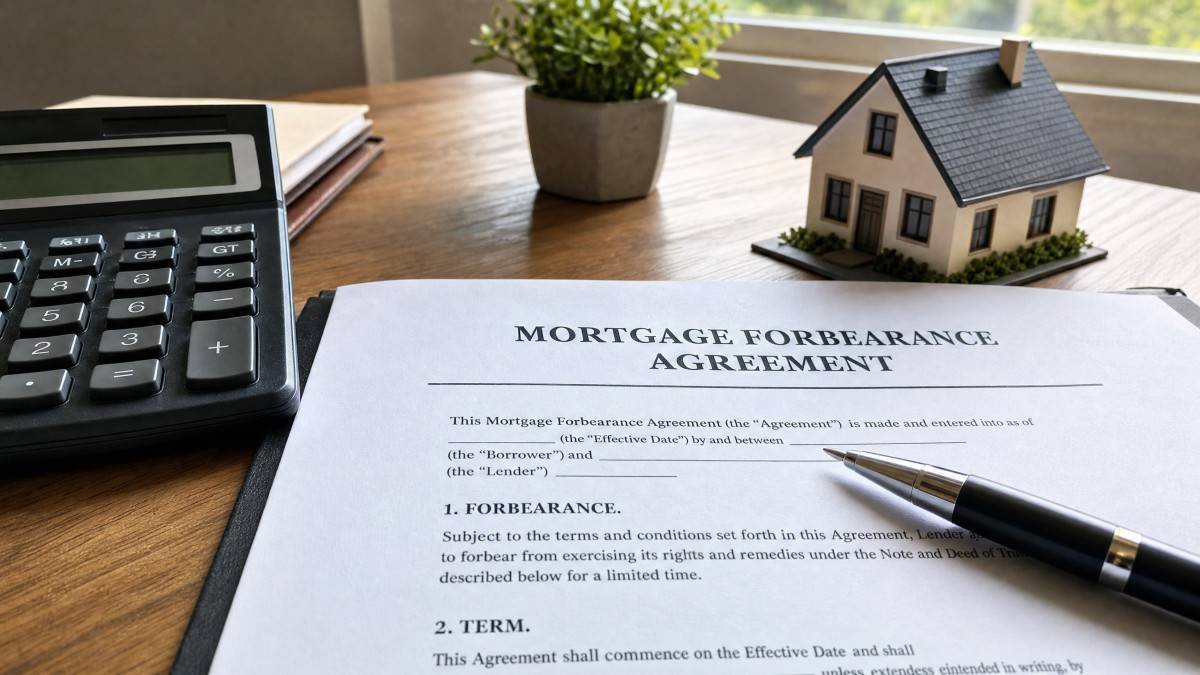
Mortgage forbearance is a temporary agreement between a borrower and their mortgage lender or servicer that allows the borrower to pause or reduce their monthly mortgage payments for a specified period, typically due to financial hardship. This arrangement provides short-term relief, preventing foreclosure while the homeowner addresses underlying financial challenges.
Essentially, mortgage forbearance acts as a temporary reprieve. It’s not a forgiveness of debt; rather, it’s a postponement of payments. During the forbearance period, your lender agrees not to initiate foreclosure proceedings, and you are typically not required to make your regular payments. The duration of forbearance can vary significantly, often ranging from a few months to over a year, depending on the type of loan, the nature of the hardship, and the specific policies of the lender or government programs in place. For instance, during the COVID-19 pandemic, many homeowners with federally backed mortgages were eligible for up to 18 months of forbearance under the CARES Act [1].
It’s important to distinguish mortgage forbearance from other mortgage relief options like loan modification. A loan modification is a permanent change to the terms of your mortgage, such as lowering the interest rate or extending the loan term, to make payments more affordable. Mortgage forbearance, on the other hand, is a temporary measure with the expectation that you will resume your full payments and eventually repay the paused amounts.
How Mortgage Forbearance Works: The Process Explained
Mortgage forbearance works by temporarily suspending or reducing your obligation to make full monthly payments, providing a window of relief during financial distress. The process typically begins with the homeowner contacting their mortgage servicer to explain their hardship and request forbearance, leading to an agreement outlining the terms and duration of the paused payments.
When you enter a mortgage forbearance agreement, your mortgage servicer will outline the specific terms. This includes the start and end dates of the forbearance period, whether payments will be fully paused or reduced, and what options will be available for repayment once the period concludes. For example, a homeowner facing a temporary job loss might be granted a six-month forbearance, during which they make no payments. The servicer will then track the missed payments, including principal, interest, taxes, and insurance (PITI), which will need to be addressed later. This part is genuinely confusing for many, as the immediate relief can overshadow the eventual repayment obligation of mortgage forbearance.
Eligibility and Application: Who Qualifies and How to Apply
Eligibility for mortgage forbearance typically depends on demonstrating a verifiable financial hardship, such as job loss, illness, or a significant income reduction, and the specific requirements of your loan type and servicer. To apply, homeowners generally need to contact their mortgage servicer directly, explain their situation, and provide any requested documentation to support their claim of hardship for mortgage forbearance.
The application process usually involves a conversation with your servicer’s loss mitigation department. They will ask about the nature of your financial difficulty, its expected duration, and your current income and expenses. While the exact documentation varies, you might need to provide proof of income reduction, medical bills, or other evidence of hardship. For instance, if you’ve been laid off, a termination letter or unemployment benefit statements would be relevant. Federally backed loans (FHA, VA, USDA, Fannie Mae, Freddie Mac) often have more standardized mortgage forbearance guidelines, while private loans may have more varied requirements. According to the Consumer Financial Protection Bureau (CFPB) in 2023, homeowners should be prepared to explain their situation clearly and consistently to their servicer [2].
Repayment Options After Forbearance: What Happens Next?
After a mortgage forbearance period ends, borrowers are generally expected to repay the accumulated missed payments, with common options including a lump-sum payment, a repayment plan, a loan modification, or a deferral, depending on their financial situation and agreement with the servicer. The specific path chosen aims to integrate the paused amounts back into the loan structure after mortgage forbearance.
This is often where the real challenge begins for many homeowners. The missed payments don’t disappear; they simply become due. Your servicer will typically present several options. The most straightforward, though often impractical for those still recovering financially, is a **reinstatement**, where you pay the entire missed amount in a single lump sum. For example, if you missed six payments of $1,500 each, you’d owe $9,000 immediately. A more common approach is a **repayment plan**, where the missed payments are spread out over a short period, usually 3 to 12 months, added to your regular monthly payment. So, that $9,000 might be divided into $1,500 extra per month for six months.
Another option is a **loan modification**, which permanently changes the terms of your mortgage. This could involve extending the loan term, reducing the interest rate, or capitalizing the missed payments by adding them to the principal balance, thereby increasing your total loan amount and future payments. Finally, a **deferral** or **partial claim** allows you to postpone the missed payments until the end of the loan term, or until you sell or refinance the home. This can be a significant relief, as it doesn’t immediately increase your monthly payment. The answer depends on factors your lender won’t always explain upfront, making it crucial to understand each option thoroughly after mortgage forbearance.
Impact on Credit Score: Does Forbearance Hurt Your Financial Standing?
Under normal circumstances, entering mortgage forbearance can negatively impact your credit score because it signifies a deviation from the original loan agreement and can be reported as “account in forbearance” or “payments deferred.” However, specific legislative measures, such as the CARES Act during the COVID-19 pandemic, provided protections that prevented negative credit reporting for federally backed loans in forbearance.
Before the CARES Act, if you entered mortgage forbearance, your credit report would likely show that you were not making payments as agreed, which could lower your credit score by 50 to 100 points or more, depending on your credit history. This could make it harder to obtain new credit, such as a car loan or another mortgage, for several years. However, for federally backed mortgages (FHA, VA, USDA, Fannie Mae, Freddie Mac) that entered forbearance due to COVID-19, servicers were generally required to report the account as “current” if it was current before forbearance, or maintain its status if it was already delinquent. This protection was a critical component of the pandemic relief efforts. For non-federally backed loans or forbearances initiated outside of specific protective legislation, the impact on your credit score can still be significant. It’s always best to check with your servicer and understand how they will report your mortgage forbearance to credit bureaus.
Common Questions About Mortgage Forbearance
- Q: What exactly is mortgage forbearance?A: Mortgage forbearance is a temporary agreement between a borrower and their lender that allows the borrower to pause or reduce mortgage payments for a specified period, typically due to financial hardship, offering a short-term solution to prevent foreclosure.
- Q: How does mortgage forbearance work in practice?A: When granted mortgage forbearance, your lender temporarily suspends or lowers your monthly mortgage payments for an agreed-upon duration, usually a few months. During this time, you are not required to make full payments, but the missed amounts accrue and must be repaid later.
- Q: Who is eligible for mortgage forbearance?A: Eligibility often depends on your loan type (e.g., FHA, VA, conventional), the specific policies of your mortgage servicer, and your ability to demonstrate a genuine, temporary financial hardship that prevents you from making payments for mortgage forbearance.
- Q: What happens when mortgage forbearance ends?A: After mortgage forbearance, you’ll need to repay the paused amounts through options like a lump-sum payment, a structured repayment plan, a loan modification that alters your mortgage terms, or a deferral where payments are added to the end of your loan.
- Q: Does mortgage forbearance hurt your credit score?A: Historically, mortgage forbearance could negatively impact credit scores. However, under specific circumstances like the COVID-19 CARES Act, federally backed loans in forbearance were reported as current, protecting credit scores. For other situations, it’s crucial to confirm reporting practices with your servicer.
Conclusion
Mortgage forbearance serves as a vital safety net for homeowners facing temporary financial distress, offering a crucial pause in payments that can prevent more severe consequences like foreclosure. While it provides immediate relief, it’s essential to remember that forbearance is a temporary measure, not a debt forgiveness program. Understanding the nuances of how mortgage forbearance works, including eligibility, the application process, and particularly the various repayment options available once the forbearance period concludes, is paramount. Homeowners must proactively engage with their mortgage servicers, ask detailed questions about their specific loan and circumstances, and carefully evaluate the long-term financial implications of each repayment strategy. Making informed decisions during these challenging times can significantly impact your financial well-being and ability to maintain homeownership. It’s a complex landscape, but with careful planning and communication, mortgage forbearance can be a bridge to financial stability rather than a further burden.
References
[1] Consumer Financial Protection Bureau. (2023). What is mortgage forbearance?