
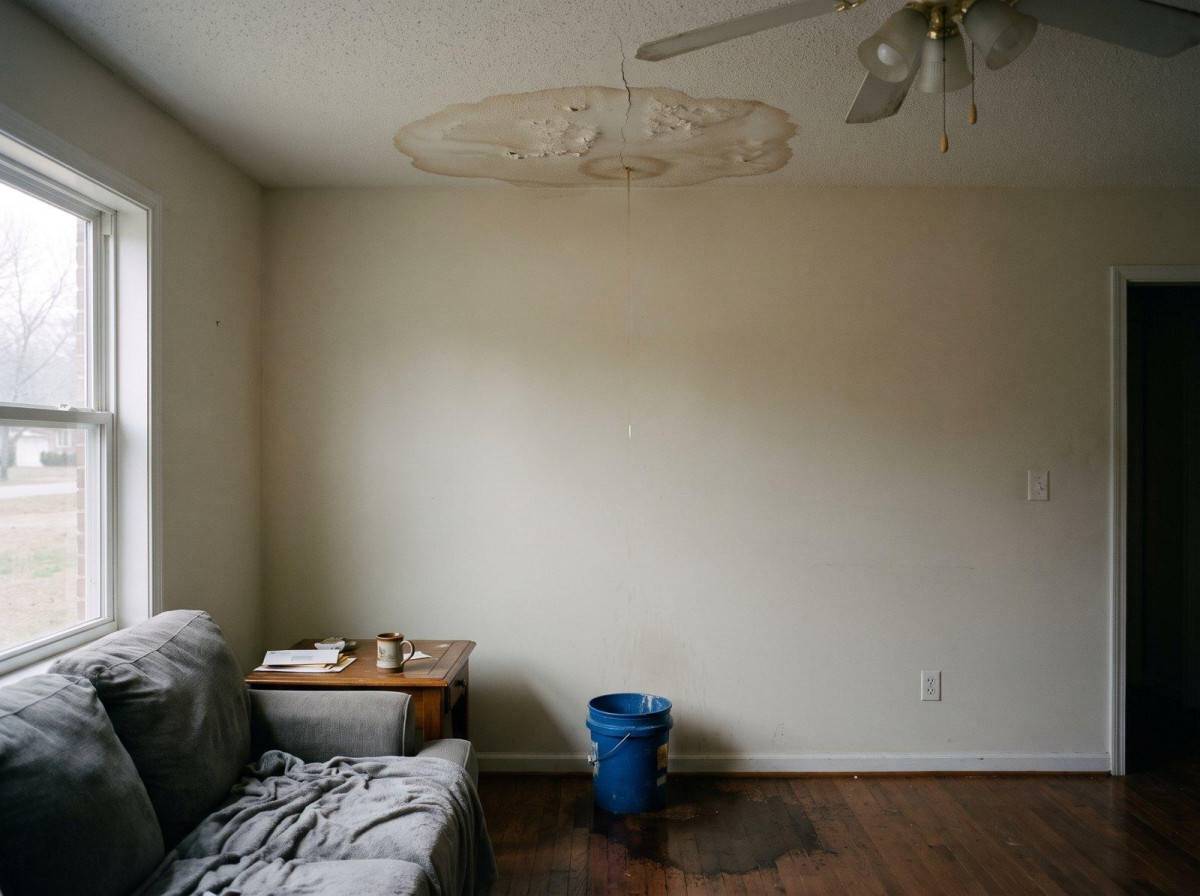

The storm passes, the power comes back, and then you see it: a brown stain spreading across the bedroom ceiling. That’s usually when the real stress starts, because the damage is only half the problem. The other half is figuring out whether your policy will pay for it.
Most North Carolina homeowners learn where the line between “covered” and “not covered” sits only after they’ve filed. Wind-driven rain, a roof torn open by a hurricane, a burst pipe in a January freeze, and rising creek water can all leave the same soggy drywall, yet insurers treat each one very differently. This guide walks through what’s typically covered, what to do in the first few days, why claims get denied or underpaid, and what your options are when you disagree with the number you’re offered.
What Homeowners Insurance Covers (and Doesn’t) After Storm Water Damage
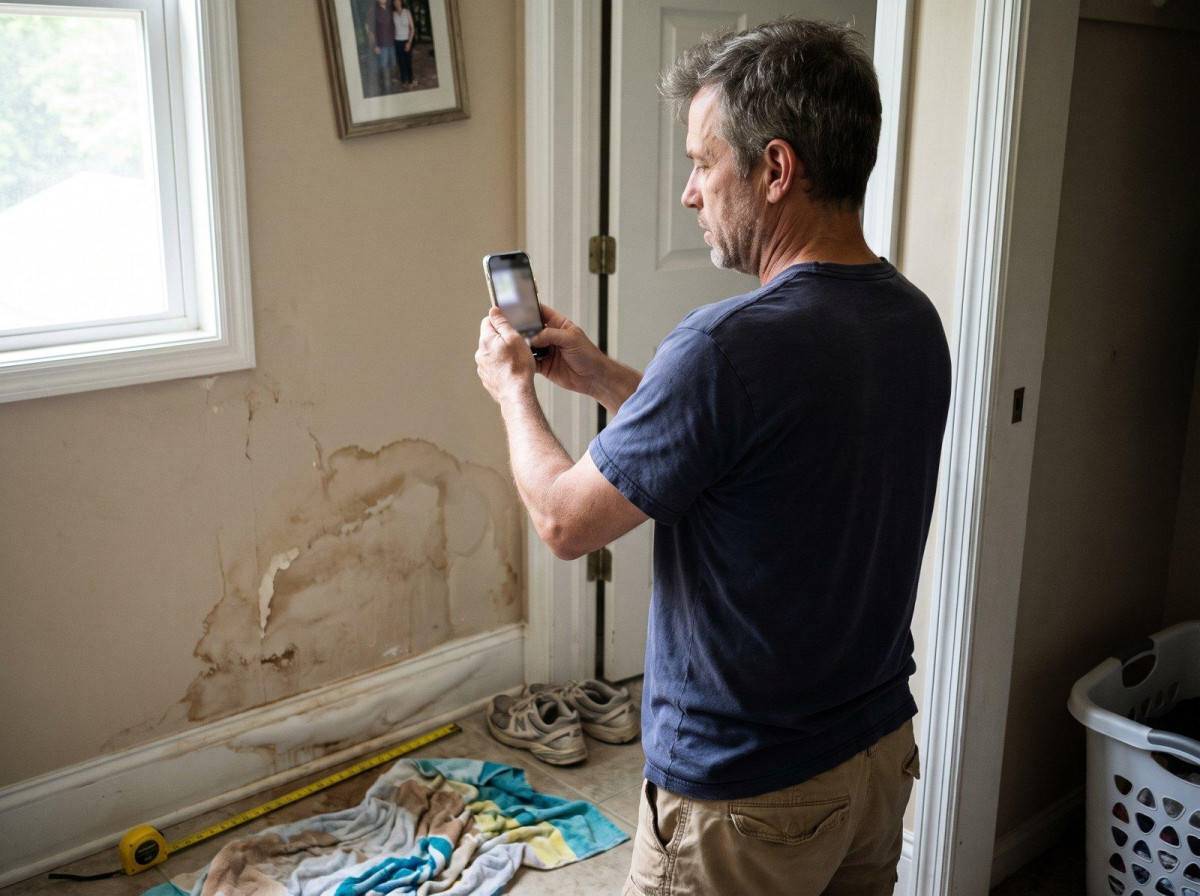
The basic test is whether the water damage was sudden and accidental. A standard homeowners policy generally pays when a storm tears shingles off the roof and rain pours into the attic, or when a supply line bursts overnight. It generally doesn’t pay for water that rises from the ground, such as overflowing rivers or storm surge. That’s a flood, and flood needs its own policy.
The gray area is where disputes happen. Rain that enters through a hole the wind created is usually covered. Rain that seeps through a roof that has been leaking for months often isn’t, because the insurer will call it a maintenance problem. When a covered loss is disputed or underpaid, public adjusters in North Carolina work for the policyholder rather than the insurance company, and they must hold a state license to do it.
Water is a big deal for insurers too. The Insurance Information Institute (Triple-I) reports that water damage and freezing rank among the most common causes of homeowners claims, behind only wind and hail.
Plumbing failures follow similar logic, and the details matter. If you’re dealing with a leak under the foundation, aqviz’s explainer on whether insurance pays for slab leaks shows how insurers split sudden damage from long-term wear.
The First 72 Hours: Document Damage and Limit Further Loss
Your policy requires you to protect the home from more damage. That means tarping a damaged roof, shutting off the water, and pulling out standing water or wet carpet. Do it, but document everything before you touch it.
Take photos and video of every affected room, wide shots first, then close-ups. Keep receipts for emergency repairs, since reasonable mitigation costs are typically reimbursable. Don’t throw away damaged belongings until the adjuster has seen them or you’ve photographed and listed them.
Call your insurer early. Delays can give the company a reason to question whether the damage got worse because you waited.
Time matters because water does more harm than it looks like. FEMA’s FloodSmart program says one inch of water can cause roughly $25,000 in damage to a home. If the problem is a flooded lower level, this step by step advice on what to do when a basement floods covers the cleanup order that protects both your house and your claim.
Why Water Damage Claims Get Denied or Underpaid
Denials usually come down to a few repeat causes.
The flood exclusion. Surface water entering from outside isn’t covered under a standard policy. Plenty of homeowners assume it is, and they only find out when the letter arrives.
Gradual damage. Slow leaks, condensation, and seepage are treated as wear and tear. If a crawl space has been damp for years, expect pushback.
Scope and depreciation. Sometimes the insurer accepts the claim but writes an estimate that misses half the work. Hidden damage inside wall cavities, under flooring, or in a crawl space is easy to overlook, and so is mold that appears days later. Depreciation can also shrink the check for older roofing and flooring.
Here’s the part nobody likes to say: the insurer’s first estimate is a starting point, not a verdict. A low number doesn’t mean you’re wrong, and it doesn’t mean you’re right either. It means someone needs to compare the estimate against the actual repair scope.
Your Options When You Disagree With the Insurer
You’ve got more than one path, and the cheapest one is usually the first. Ask for a re-inspection and send your photos, moisture readings, and contractor estimates in writing. If the dispute is about the amount of the loss, many policies include an appraisal clause that lets each side name an appraiser.
You can also file a complaint with the North Carolina Department of Insurance, which handles consumer questions about insurers and licensed professionals. For outright coverage denials or suspected bad faith, a real estate or insurance attorney is the right call.
A public adjuster fits best when the question is scope and value rather than whether the loss is covered at all. Fees in North Carolina are commonly around 10 to 15 percent of the settlement, and the work must be done under a written agreement. The NCDOI’s after-disaster consumer brochure explains what adjusters can do, and you can check a license on the department’s site before signing anything. No professional can promise a particular outcome, so be wary of anyone who does.
Prevent the Next Claim With Better Water Control
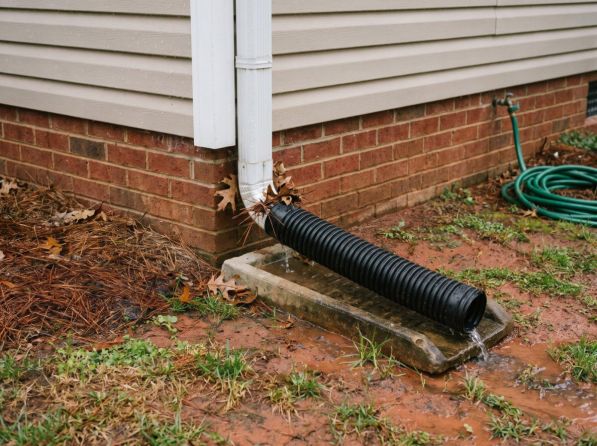
The best claim is the one you never file. Most repeated water problems trace back to the same few things: soil that slopes toward the house, gutters clogged with leaves, downspouts that dump water at the foundation, and a sump pump nobody has tested in two years.
Extend downspouts several feet from the house, regrade low spots, seal foundation cracks, and have the roof inspected after any major storm. Where seepage is persistent, a French drain or interior drainage system is often worth pricing out, and practical ways to stop water damage is a good starting point.
There’s a second payoff. Dated records of inspections, gutter cleaning, and repairs help show that a loss was sudden rather than the result of neglect. And since a standard policy won’t cover rising water, it’s worth reviewing whether a separate flood policy makes sense for your address, especially if you live near a creek, river, or the coast.
Conclusion
Know what your policy covers before the next storm, not after it. Document the damage quickly, protect the house from further loss, and treat the first estimate as a negotiation. If the numbers don’t add up, you have options, from a simple re-inspection to licensed help. Then fix the way water reaches your home so the next storm is only an inconvenience.