
Polyurethane Waterproofing: What to Know Before Use

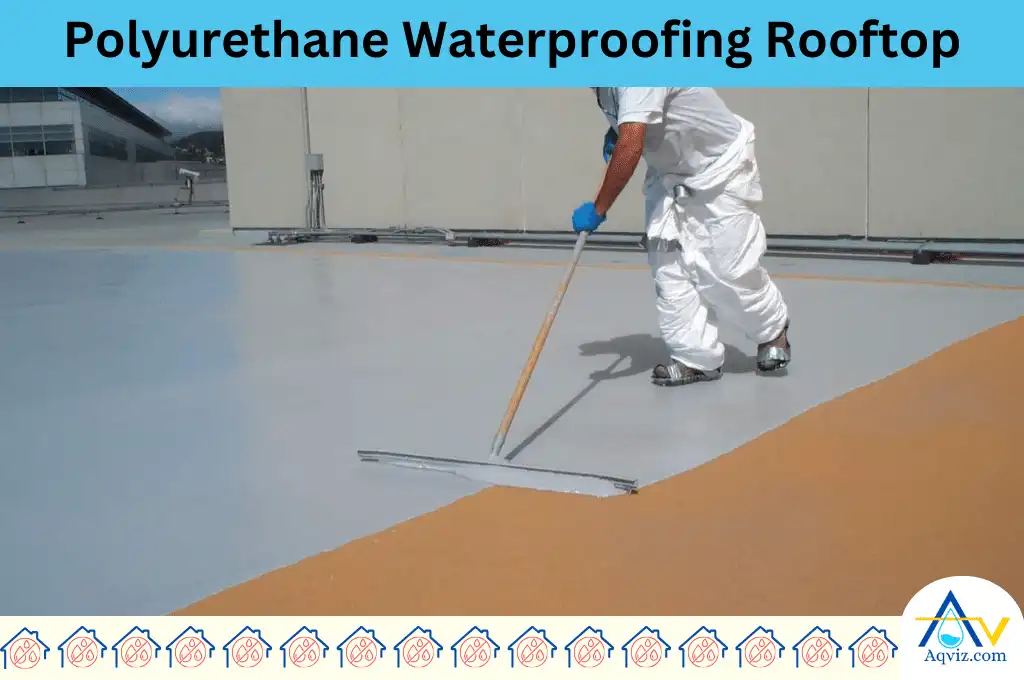
Polyurethane waterproofing is a liquid-applied elastomeric waterproofing system that forms a seamless, flexible, and highly durable membrane to block water ingress on concrete and masonry substrates. Polyurethane waterproofing is flexible, higher chemical resistant, UV resistant, and abrasion resistant waterproof capabilities.
The 6 main types of PU waterproofing materials are water-based (WBPU), oil-based (OBPU), solvent-based (SBPU), aliphatic polyurethane, aromatic polyurethane, and polyurethane foam. Polyurethane waterproofing can be applied as resin, sealant, flooring, caulk, and liquid membrane on various building structures.
Polyurethane waterproofing can be applied on roofs, terraces, bathrooms, kitchens, basements, bridges, tunnels, parking decks, balconies and patios, foundations, and walls. You can apply the PU waterproofing on the surface as liquid, injection grouting, coating, sealant, foam, PU-bitumen, and PU-cementitious membrane. All of these membranes are modified in order to improve the properties of the Polyurethane.
Using polyurethane as a waterproofing membrane has both advantages and disadvantages. As an advantage, PU is highly flexible, durable, with no seams, versatile, and easy to apply to the surface. The disadvantages of PU are high sensitivity to moisture, expensive coating, and the need for skill to apply to the surface.
A PU coating can be damaged due to human effects and environmental effects. Polyurethane and urethane are two types of materials with different properties. Epoxy can be used as an option for polyurethane. But you should know the differences between them.

What is Polyurethane Waterproofing?
Polyurethane waterproofing is a liquid-applied elastomeric waterproofing system that forms a seamless, flexible, and highly durable membrane to block water ingress on concrete and masonry substrates. Polyurethane waterproofing is flexible, higher chemical resistant, UV resistant, and abrasion resistant waterproof capabilities.
There are 2 main types of polyurethane waterproofing systems based on the polyurethane cures and application in residential and commercial buildings. Those are single-component polyurethane waterproofing and two-component polyurethane waterproofing.
1. Single-component polyurethane
This is a moisture-curing PU coating supplied ready to use. We commonly apply it on exposed areas where ease of application matters.
- High elasticity: elongation up to 600-800%
- Typical dry film thickness: 1.2–1.5 mm
- Coverage rate: 1.3-1.6 kg/m² (2.9-3.5 lbs/m²)
- Best for areas including balconies, terraces, planter boxes, and podium slabs
2. Two-component polyurethane waterproofing
This system mixes resin and hardener before application. We use it where structural movement and water pressure are higher.
- Superior chemical resistance
- Controlled curing time: 30-60 minutes
- Tensile strength: ≥2.0 N/mm²
- Best for areas including roofs, wet areas, water tanks, and basements with positive-side waterproofing
What are the 6 Polyurethane Waterproofing Materials?
Polyurethane waterproofing materials are mainly of 6, based on the material chemistry and performance characteristics.
- Water-Based Polyurethane (WBPU): Water-based polyurethane (WBPU) is a clear, fast-drying coating made from water as a primary solvent.
- Oil-Based Polyurethane (OBPU): Oil-based polyurethane (OBPU) is a durable coating made from synthetic resins and mineral spirits
- Solvent-Based Polyurethane (SBPU): Solvent-based polyurethane (SBPU) is a high-performance coating made with strong chemical solvents.
- Aliphatic Polyurethane: Aliphatic polyurethane is a high-performance coating known for its superior waterproofing, UV resistance, and color stability.
- Aromatic Polyurethane: Aromatic polyurethane is a strong, moisture-resistant coating known for its durability and cost-effectiveness.
- Polyurethane Foam (PUF): Polyurethane foam (PUF) is a lightweight, highly effective waterproofing and insulating material.
Read More about these 6 Types of Polyurethane Waterproofing Membranes
Where to Apply Polyurethane Waterproofing?
Polyurethane and its formations can be applied in both building and construction fields to protect the surfaces from water. These are the major applications of PU waterproofing membranes.
- Polyurethane waterproofing for roofs and terraces: Polyurethane waterproofing can be used for roof waterproofing and terrace waterproofing due to its excellent resistance to water, UV rays, and weather. PU coating is durable and seamless, which can cover the surface without any joints.
- Polyurethane waterproofing for bathrooms and kitchens: PU can be used for both bathrooms and kitchens. Polyurethane waterproofing can be used for bathroom floors, walls, and shower walls to prevent water splashing.
- Polyurethane waterproofing for basements: Polyurethane waterproofing creates a barrier that prevents water from seeping into the basement. PU can be used for basement waterproofing as a liquid and injection method.
- Polyurethane waterproofing for bridges and tunnels: Polyurethane waterproofing is used in the construction of bridges and tunnels to protect them from water damage and corrosion.
- Polyurethane waterproofing for water tanks: Polyurethane waterproofing is applied to the interior of water tanks to prevent leaks and preserve the quality of the water.
- Polyurethane waterproofing for parking decks: Polyurethane waterproofing is used on parking decks to protect them from weather-related damage and to ensure their longevity.
- Polyurethane waterproofing for balconies and patios: Polyurethane waterproofing helps to protect balcony and patio surfaces from water damage and extends their lifespan.
- Polyurethane waterproofing for industrial floors: Polyurethane waterproofing helps to protect industrial floors that often endure heavy traffic open to chemicals. PU waterproofing makes them more durable and resistant to wear and tear.
- Polyurethane waterproofing for swimming pools: Polyurethane waterproofing is used for swimming pool waterproofing, ensuring they remain safe and functional.
- Polyurethane waterproofing for foundation walls: Foundation walls are used to prevent water infiltration and protect the structural integrity of a building. Polyurethane waterproofing is often applied to foundation walls by injection.
- Polyurethane waterproofing for ship decks: To protect from harsh weather conditions and constant exposure to water, polyurethane waterproofing is used on ship decks.
Read More How to Apply Polyurethane on Concrete.
How to Apply Polyurethane Waterproofing?
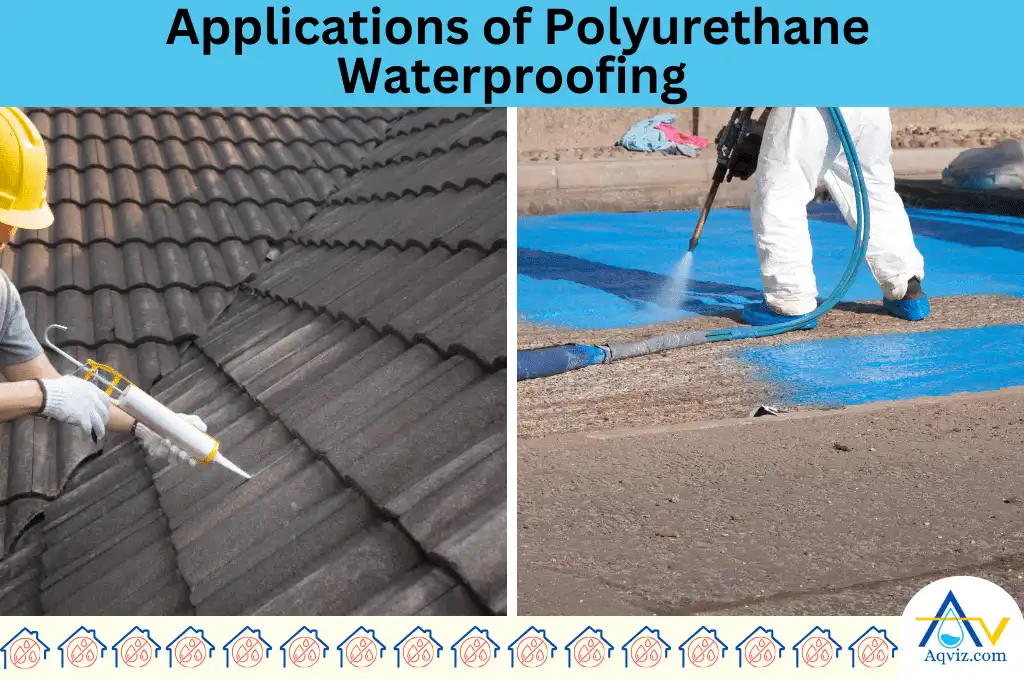
Polyurethane waterproofing can be applied as liquid polyurethane, injection PU, PU coating, PU sealant, PU foam, PU bitumen membrane, and cementitious polyurethane waterproofing. This type of PU help to increase the durability and performance of the PU layer. Each of these application types should be applied as follows.
- Apply liquid polyurethane: Liquid-applied polyurethane can be applied on roofs, balconies, and terraces. The liquid is applied using a roller or brush, creating a seamless, highly elastic, and durable waterproofing membrane.
- Apply polyurethane injection grouting: Injection PU can be used for sealing cracks in concrete structures, leaking foundations, and leaking slabs. The crack injection can be done while water is leaking. After the PU spreads over the leaking space, that will be hardened and form a solid non, non-dissolved foam.
- Apply polyurethane coating: PU coating is used for waterproofing a variety of surfaces, including concrete, wood, and metal. The coating is applied using a brush, roller, or spray and forms a tough, flexible, and waterproof layer.
- Apply polyurethane sealant: Polyurethane sealant can be used for sealing joints and gaps in a variety of structures, including buildings, bridges, and tunnels. The sealant is applied using a caulking gun and forms a flexible, waterproof seal.
- Apply polyurethane foam: PU foam is sprayed into place and then expands to fill gaps, making it an effective water and air barrier. It’s often used in roofing applications or to insulate large areas like walls or ceilings.
- Apply PU bitumen membrane: PU bitumen membrane is a hybrid system that combines the flexibility and elasticity of polyurethane with the durability of bitumen. It’s often used for waterproofing roofs, foundations, and underground structures.
- Apply Cementitious PU membrane: Cementitious PU membranes combine cement and polyurethane to create a highly durable and resistant waterproofing solution. It’s often used in areas with high levels of humidity or water exposure. This can be applied on the surface using a trowel or brush.
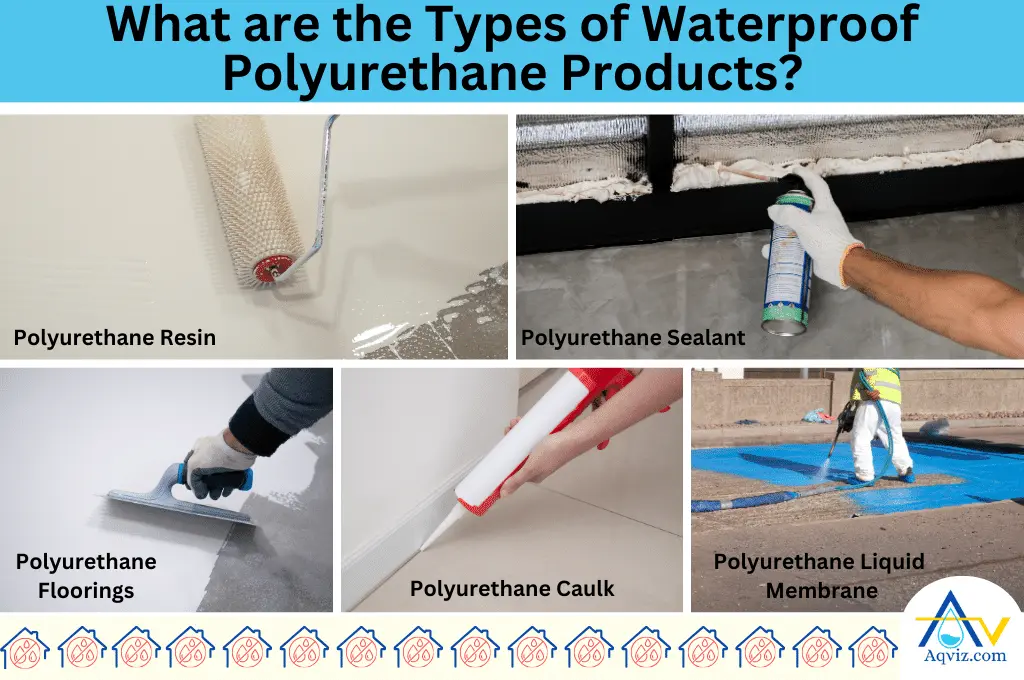
More than that you can find waterproof polyurethane resin, sealant, flooring, and caulk in the market. Those are used for different purposes.
What is Waterproof Polyurethane Resin Used for?
Waterproof polyurethane resin is a type of synthetic resin that is highly resistant to water. Waterproof PU has excellent adhesion, flexibility, durability, UV resistance, and abrasion resistance material. Hence, it can bond strongly to various materials, including concrete, metal, and wood.
It can withstand physical wear and tear, making a long-lasting waterproofing solution. Waterproof PU resin is mostly used in roofs, walls, and floors, sealing cracks and joints and providing a protective coating for outdoor furniture and equipment.
What is Waterproof Polyurethane Sealant Used for?
Waterproof polyurethane sealant is a type of sealant that is commonly used in construction and other industries to prevent water and moisture penetration. Waterproof polyurethane sealant is a liquid-form material that can be used to seal cracks and joints in the waterproof membranes on roofs and walls. It is mainly used to prevent water leakage through the seams and joints.
Polyurethane sealant is resistant to weathering, ageing, and UV radiation. It can bond to a variety of construction materials, such as concrete, wood, metal, and plastic.
What is Waterproof Polyurethane Flooring Used for?
Waterproof polyurethane flooring is a type of floor finish that is highly resistant to water damage. PU floorings are highly resistant to water, moisture, scratches, stains, and water damage. Hence, it can be used in commercial settings with high-traffic zones, such as kitchens, bathrooms, and hospitals, but it can also be a practical choice for residential homes.
Polyurethane flooring can be applied as a matte, semi-gloss, or high-gloss finish, and it can be used over a variety of substrates, including concrete, wood, and tile. This makes it a versatile choice that can complement a range of interior design styles.
What is Waterproof Polyurethane Caulk Used for?
Waterproof polyurethane caulk is a type of sealant that is used to fill gaps and cracks in various types of surfaces that are subjected to water. Waterproof PU caulk is used in various applications, including sealing joints and cracks in concrete, filling gaps around windows and doors, and sealing areas where different types of building materials meet. It is also used in places where a waterproof seal is needed, such as in bathrooms, kitchens, and exterior applications.
Polyurethane caulk adheres well to many different types of materials, including wood, concrete, brick, glass, metal, and most types of plastic. It is flexible, allowing it to expand and contract with the materials it’s bonded to, which helps prevent cracking and peeling.

What are the Advantages of PU Waterproofing?
There are 5 main advantages of PU waterproofing, such as,
- High flexibility: PU waterproofing has high flexibility.
- High durability: PU waterproofing is highly resistant to UV radiation and weathering. Hence, it is durable.
- No-seams: After applying PU coating, it forms a seamless layer. It can reduce the leakage between joints.
- Easy to apply: PU can be applied on the surface using a spray, roller, or using a brush.
- Versatility: PU can be used on a variety of surfaces, including concrete, wood, and metal.
What are the Disadvantages of PU Waterproofing?
There are 5 main disadvantages of PU waterproofing, such as,
- Expensive membrane: PU is more expensive than other types of waterproofing membranes due to its wide range of usage
- Sensitive to moisture: The PU layer can blister if the layer is not properly adhered to the substrate.
- Need a skill to apply: You should have a certain level of skill and experience to ensure a proper and effective application. Improper application can lead to failures in the waterproofing system.

How to Damage a Polyurethane Waterproofing Membrane?
A waterproof polyurethane membrane can be damaged due to environmental effects and human effects. A polyurethane waterproofing membrane can be damaged as follows.
6 Damaging Ways of Polyurethane Waterproofing.
- Physical damage on the PU layer, such as heavy punctures.
- Incorrect polyurethane waterproofing installation
- Wrong PU membrane choice
- Not following the manufacturing guidelines
- Expose the PU layer to harsh chemicals
- Extreme temperature in the environment
- Exposure of the PU layer to UV rays
- Poor maintenance of the polyurethane coating
Due to these damages, water can leak into the substrate. It can cause mold and mildew growth, wall dampness, paint peeling, material deterioration, and decay of the structure.
If the Polyurethane waterproof membrane is damaged, you should choose another type of waterproofing membrane instead of polyurethane.
What are the Differences Between Polyurethane and Urethane?
Urethane and polyurethane are different terms and refer to different things.
Polyurethane is a type of polymer that is made by reacting a polyol with a diisocyanate. It’s a versatile material that can be made with a wide range of properties. The properties of the PU depend on the specific chemicals and processes used. PU is mostly used for waterproofing membranes, paints, adhesives, mattresses, and adhesives.
Urethane can be identified as ethyl carbamate technically. It is a substance that was used in the production of a wide range of items in the past, from medicines to pesticides. However, due to safety concerns, its use has been largely phased out in many countries.
What are the Differences Between Polyurethane and Epoxy?
Polyurethane and epoxy are both waterproofing membranes. But there are extraordinary differences. These differences affect the performance and durability of the waterproofing layer. Epoxy crack injection is the same as the PU injection. But PU is better than epoxy injection.
7 Main differences between polyurethane and epoxy
- Polyurethane is more flexible than epoxy.
- Polyurethane is more resistant than epoxy
- Polyurethane can withstand up to -30 degrees Celsius
- Polyurethane has better behaviour in acidic conditions
- PU is more sensitive to moisture than epoxy.
- Polyurethane has less curing time than epoxy
- Epoxy is harder than polyurethane
Before you apply epoxy as a waterproofing membrane, you should know about epoxy waterproofing and its usage.
What is Modified Polyurethane?
Modified polyurethane is a type of polyurethane that has been chemically altered to provide specific properties in order to improve its resistance to heat, UV light, oxidation, and other environmental factors. PU modification can change the softness, hardness, flexibility, and rigidness of the PU. As a result of this, PU can be used as a water protection barrier for various industries such as construction, automotive, and furniture.
What are the Tests and ASTM Standards for Polyurethane Waterproofing?
Polyurethane waterproofing should be tested according to the international standards. ASTM is the most used testing standard for materials. Therefore PU waterproofing membrane that you use should be tested according to the ASTM standards. Below are the tests and ASTM standards for the Polyurethane waterproofing.
| Test | ASTM Standard |
| Elongation at break | ASTM D 412 |
| Tensile strength | ASTM D 412 |
| SHORE a Hardness | ASTM D 2240 |
| Water Impermeability (concrete) | Tested Under 5 atm |
| Solar Reflectance | ASTM E903-96 |
| Infrared Emittance | ASTM C1371-04a |
| Service temperature | -40°C to +90°C |
| Solar Reflectance Index | ASTM E1980 01 |
