Is Polyurethane Waterproof? How it Works, and Types

Yes, polyurethane (PU) is a waterproof material. It consists of a polymer that is made up of chains of organic units joined by carbamate links. This carbamate line composition creates a closed-cell structure that completely blocks water, making it an excellent material for waterproofing. Due to the water waterproof capability of polyurethane, it can be used as a waterproofing membrane for buildings and constructions.
Polyurethane is mainly available in 5 types, such as water based oil based, thermoplastic, thermosetting, and polyurethane foam. All of these PU types are highly water-resistant. But its waterproofing capability depends on the material it is applied to.
As waterproofing experts, Aqviz, we use polyurethane on concrete, wood, and metal to waterproof the surface. So far, we have got amazing results with the PU. In order to have proper result prom PU, you should follow the correct method statements and proper maintenance as well as layer protection. We highly recommend you use PU as a waterproofing membrane.
How Does Polyurethane Waterproofing Stop the Water?
Polyurethane waterproofing consists of liquid polyurethane resin, reactive polymers, additives, and curing agents.
When polyurethane is applied on the surface, it creates a continuous, seamless, elastomeric layer that chemically bonds with concrete, screed, metal, or wood substrates. This layer stops water by sealing surface pores, microcracks, and capillaries, preventing liquid water from traveling through the structure. Because the membrane has no joints or overlaps, water cannot pass beneath it or spread laterally.
From our experience at Aqviz, this flexibility allows the membrane to move with thermal expansion, vibration, and minor structural shifts without cracking. If surface water accumulates, the hydrophobic polyurethane matrix repels it, while breathable grades allow trapped moisture vapor to escape upward, reducing blistering and long-term water damage.
What are the 5 Types of Waterproof Polyurethane?
These are the 5 types of waterproof polyurethane.
- Water Based Polyurethane: Water-based polyurethane is waterproof due to its strong water-resistant properties when it is applied to the surface. It creates a protective barrier that prevents water from seeping into surfaces, making it a reliable choice for waterproofing applications.
- Oil-Based Polyurethane: Oil-based polyurethane is waterproof due to its dense, hard-wearing finish and superior moisture resistance. It forms a thick, durable protective layer that effectively repels water. Hence, it is highly effective in waterproofing applications. And also, oil-based polyurethane provides better water resistance than water-based polyurethane.
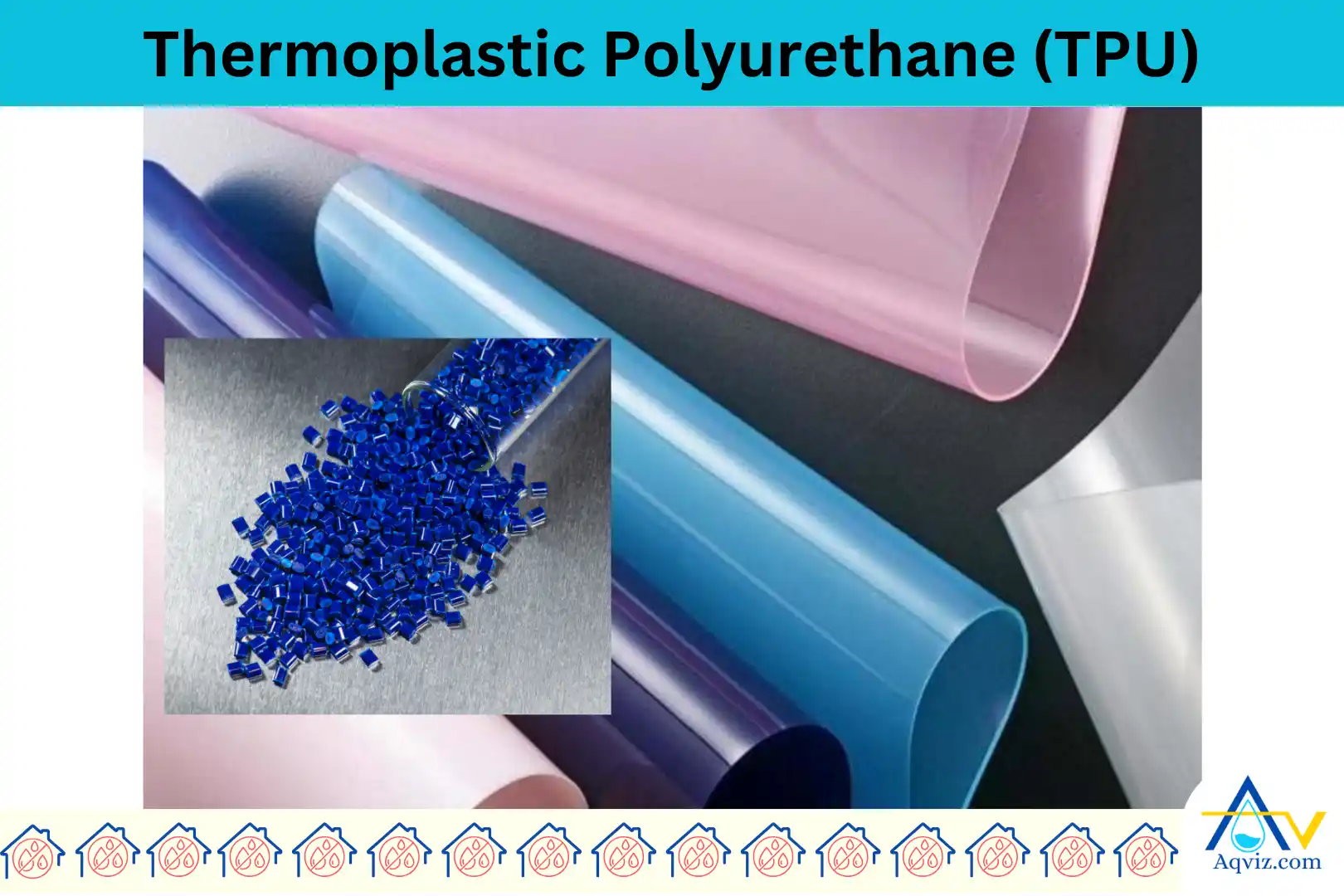
- Thermoplastic Polyurethane (TPU): Thermoplastic polyurethane (TPU) is waterproof due to its high-density molecular structure and excellent water resistance. TPU forms a seamless, flexible barrier that repels moisture. Unlike traditional polyurethane, TPU offers superior long-term water resistance, even under extreme environmental conditions.
- Thermosetting Polyurethane: Thermosetting polyurethane is waterproof due to its high-density cross-linked structure. Thermosetting polyurethane does not soften under heat and is stable even in extreme environmental conditions.
- Polyurethane Foam: Polyurethane foam is not completely waterproof, but it is highly water-resistant. While closed-cell polyurethane foam has a dense structure that repels water effectively, open-cell polyurethane foam is more porous and can absorb moisture over time.
Read More: 6 Types of Polyurethane: Best for Waterproofing Projects
Which Polyurethanes are Not Waterproof?
These are the 7 main types of polyurethane that are not waterproof when used alone:
- Rigid polyurethane foam: Rigid polyurethane foam is designed for thermal insulation, it has an open or semi-open cell structure that absorbs water over time
- Flexible polyurethane foam: Flexible polyurethane foam is used in furniture and bedding, it allows water absorption and air movement
- Polyurethane adhesives: Polyurethane adhesives are formulated for bonding strength, not for creating a water-blocking layer
- Polyurethane sealants (non-immersible grades): Polyurethane sealants are suitable for joint filling but fail under standing water or hydrostatic pressure
- Polyurethane paints and coatings: Polyurethane paints and coatings provide abrasion and UV resistance but do not seal pores or cracks against water
- Injection polyurethane grouts (hydrophilic types): Injection polyurethane grouts react with water and swell, but do not create a permanent waterproof membrane
- Thermoplastic polyurethane (TPU): TPU is used in cables and molded products, it resists moisture but does not stop water migration through substrates
Does Polyurethane Waterproof Concrete?
Yes, polyurethane waterproofs concrete by forming a seamless, moisture-resistant barrier that prevents water penetration. Both polyurethane coatings and polyurethane sealants effectively protect concrete surfaces. Water-based polyurethane provides a breathable, clear finish, while oil-based and thermosetting polyurethane offer a more durable, chemical-resistant, and waterproof layer. Polyurethane membranes are also commonly used for high-performance waterproofing in heavy-duty applications.
Polyurethane is most compatible with poured concrete, precast concrete, concrete slabs, driveways, foundations, and walls. It enhances the durability of garage floors, patios, basements, bridges, and industrial flooring, preventing cracking, spalling, and moisture damage overtime. Polyurethane’s strong adhesion, flexibility, chemical resistance, UV resistance, breathability, and thermal insulation help protect concrete from temperature fluctuations, heavy traffic, and weathering.
This Concrete Waterproofing guide helps to seal the concrete for DIYs and professionals
Does Polyurethane Waterproof Wood?
Yes, polyurethane waterproofs wood by creating a protective, water-resistant barrier that prevents moisture penetration. Both oil-based and water-based polyurethane effectively waterproof wood. Oil-based polyurethane offers greater durability and deeper penetration, while water-based polyurethane provides a clearer finish with faster drying times.
Polyurethane is most compatible with hardwood, softwood, engineered wood, and plywood waterproofing. It enhances the durability of oak, maple, pine, cedar, teak, and mahogany, making them more resistant to water damage, warping, and rotting. Polyurethane’s flexibility, adhesion, chemical resistance, thermal insulation, breathability, and UV resistance help protect wood from environmental factors like heat, humidity, and sunlight exposure. Normally, polyurethane can last 5 to 15 years on wood surfaces.
Does Polyurethane Waterproof Metal?
Yes, polyurethane waterproofs metal by forming a durable, moisture-resistant protective coating that prevents water penetration and corrosion. Both oil-based and water-based polyurethane can be used for the metals. Oil-based polyurethane provides superior durability and chemical resistance, while water-based polyurethane offers a clear, flexible finish with faster drying time.
Polyurethane is most compatible with steel, aluminum, iron, copper, and galvanized metals. It is widely used for metal roofing, bridges, pipelines, machinery, marine vessels, and outdoor metal structures, protecting against rust, oxidation, and weathering. Polyurethane’s strong adhesion, flexibility, chemical resistance, UV resistance, breathability, and thermal insulation help metal surfaces withstand extreme environmental conditions.