
A thorough chimney inspection is a critical preventative measure for homeowners, ensuring the safe and efficient operation of their heating systems, points out Service Star Realty Buckeye. These inspections go beyond a simple visual check, delving into the structural integrity, functional components, and overall safety of the chimney system. Understanding what a professional chimney inspection entails can help homeowners maintain their properties, prevent potential hazards such as chimney fires or carbon monoxide leaks, and comply with safety standards. Regular assessments by certified professionals are essential for identifying issues early, safeguarding both property and occupants.
Understanding the Different Levels of Chimney Inspection
A chimney inspection typically falls into one of three levels, each designed for specific circumstances and offering varying degrees of scrutiny, from basic visual checks to comprehensive structural evaluations.
Chimney inspections are categorized into three distinct levels by the National Fire Protection Association (NFPA) Standard 211, “Standard for Chimneys, Fireplaces, Vents, and Solid Fuel-Burning Appliances.” These levels dictate the scope and invasiveness of the inspection, ensuring that the assessment matches the chimney’s usage history and any observed issues. Selecting the appropriate level is crucial for an accurate evaluation of the chimney’s condition and safety.
Level 1 inspections are the most basic and are recommended for chimneys under continued service, with no changes in appliance type or fuel, and no known issues. This level involves a visual examination of readily accessible portions of the chimney, its connections, and the flue. The inspector will check for obstructions and combustible deposits, ensuring the chimney structure is sound and functional. This is often performed during routine chimney cleaning.
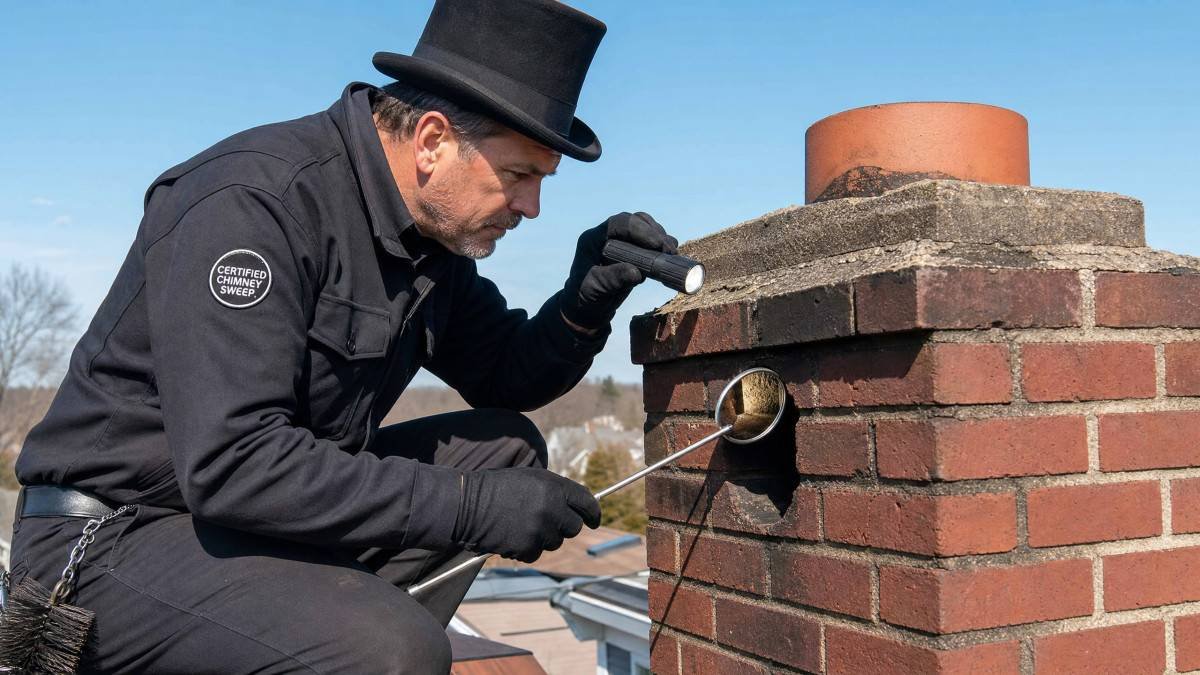
Level 2 inspections are more comprehensive and are required when changes are made to the heating appliance, fuel type, or the chimney’s flue. This level is also necessary after an external event that might have damaged the chimney, such as a building fire, earthquake, or severe weather. A Level 2 inspection includes all aspects of a Level 1 inspection, plus a visual examination of accessible portions of the chimney exterior and interior, including attics, crawl spaces, and basements. It typically involves the use of a video camera to inspect the internal surfaces and joints of the flue liner, and may include performance tests like smoke and pressure tests. This level is also recommended upon the sale or transfer of a property.
Level 3 inspections are the most intensive and are only performed when a Level 1 or Level 2 inspection indicates a hidden hazard that cannot be assessed without opening up concealed areas. This could involve removing parts of the chimney or building structure to gain access to specific sections. A Level 3 inspection is rare and is typically reserved for serious issues where significant damage is suspected, such as after a chimney fire or when structural integrity is severely compromised. The goal is to fully evaluate and reconstruct damages, including broken tiles or flue relining needs.
Key Components of a Chimney to Inspect
A thorough chimney inspection meticulously examines several critical components, including the flue liner, chimney cap, flashing, and damper, each playing a vital role in the chimney’s safety and efficiency.
The integrity of a chimney system relies on the proper functioning and condition of its various components. Each part serves a specific purpose, and damage or deterioration in any one area can compromise the entire system, leading to potential hazards. A professional inspection will systematically evaluate these elements to ensure they meet safety and operational standards.
The flue liner is perhaps the most critical internal component, acting as a protective barrier between the combustion byproducts and the chimney’s masonry. It prevents heat transfer to combustible materials of the house and contains corrosive gases. Inspectors look for cracks, gaps, or deterioration in the liner, which can allow dangerous gases like carbon monoxide to leak into the home or ignite nearby framing. The type of liner (clay tile, metal, or cast-in-place) will influence the inspection methods and criteria.
Chimney caps are essential for protecting the flue from rain, snow, debris, and animal intrusion. A damaged or missing cap can lead to water damage within the chimney structure, fostering mold growth, and accelerating masonry deterioration. It can also allow birds or other animals to nest inside, creating obstructions that impede proper venting and increase fire risk. Inspectors will check for secure attachment, corrosion, and proper screening.
Flashing is the sheet metal installed at the intersection where the chimney meets the roofline. Its primary function is to create a watertight seal, preventing water from entering the home. Improperly installed or damaged flashing is a common source of roof leaks, which can lead to significant structural damage, rot, and costly repairs. During an inspection, the flashing will be examined for rust, cracks, loose seals, or signs of water penetration.
The damper is a movable plate located either at the top of the flue or just above the firebox, designed to seal the chimney when the fireplace is not in use. A properly functioning damper prevents heat loss from the home and keeps cold air, odors, and pests out. Inspectors will check for proper sealing, smooth operation, and any signs of rust or damage that could prevent it from closing completely, which can lead to energy inefficiency and drafts.
Identifying Common Chimney Problems
Common chimney problems range from dangerous creosote buildup and structural damage like cracks and deteriorating mortar to obstructions caused by debris or animal nests, all of which can compromise safety and efficiency.
Chimneys, exposed to the elements and the harsh byproducts of combustion, are susceptible to a variety of issues that can impact their performance and safety. Recognizing these common problems is a key aspect of any thorough inspection, allowing for timely repairs and preventing more severe consequences.
Creosote buildup is one of the most significant hazards associated with wood-burning fireplaces. Creosote is a highly flammable residue that forms inside the flue as smoke cools. As it accumulates, it can ignite, leading to a dangerous chimney fire. Inspectors assess the amount and type of creosote, recommending professional cleaning (sweeping) if the buildup exceeds 1/8 inch, as per industry standards. Different stages of creosote (flaky, tarry, glazed) indicate varying levels of fire risk.
Structural damage can manifest in several ways, including cracks in the masonry, deteriorating mortar joints, or a leaning chimney stack. These issues can be caused by settling, weather exposure, or seismic activity. Cracks in the flue liner or exterior masonry can allow heat and dangerous gases to escape into the home, posing fire and carbon monoxide risks. Deteriorated mortar can weaken the entire structure, potentially leading to collapse. Inspectors will examine both the interior and exterior for any signs of structural compromise.
Obstructions within the flue are another frequent problem. These can include animal nests (birds, squirrels, raccoons), leaves, twigs, or other debris that fall into the chimney. An obstructed flue prevents the proper venting of smoke and combustion gases, forcing them back into the living space. This can lead to carbon monoxide poisoning and smoke damage. Blockages also increase the risk of chimney fires by trapping heat and potentially igniting flammable materials. A Level 2 inspection, often utilizing video scanning, is particularly effective at identifying and assessing such obstructions.
The Importance of Professional Chimney Inspections
Professional chimney inspections are paramount for ensuring home safety, maintaining regulatory compliance, and achieving long-term cost savings by identifying and addressing issues before they escalate.
While some homeowners might be tempted to perform a cursory visual check, the complexities of chimney systems and the potential dangers involved necessitate the expertise of certified professionals. These specialists possess the training, tools, and knowledge to conduct thorough evaluations that untrained eyes would likely miss.
Ensuring home safety is the primary reason for professional inspections. Chimneys are integral to venting hazardous combustion byproducts, including carbon monoxide, and preventing chimney fires. A professional inspector can identify subtle cracks in the flue, excessive creosote buildup, or faulty components that could lead to these dangers. According to the Consumer Product Safety Commission (CPSC), thousands of chimney fires occur annually, underscoring the importance of preventative measures. [1]
Maintaining regulatory compliance is another crucial aspect. Building codes and safety standards, such as those set by the NFPA, govern chimney construction and maintenance. Professional inspectors are familiar with these regulations and can ensure that your chimney system meets current requirements. This is particularly important during real estate transactions, where a Level 2 inspection is often required to certify the chimney’s condition for new homeowners.
Long-term cost savings are a significant benefit of regular professional inspections. Early detection of minor issues, such as small cracks or deteriorating flashing, allows for timely and less expensive repairs. Ignoring these problems can lead to extensive damage, requiring costly major overhauls or even complete chimney reconstruction. Preventative maintenance, guided by professional inspections, extends the lifespan of the chimney and avoids emergency repairs.
When to Schedule a Chimney Inspection
Chimney inspections should ideally be scheduled annually, after significant weather events, or before purchasing a new home to ensure continuous safety and optimal performance.
Knowing when to have your chimney inspected is as important as understanding what the inspection entails. Proactive scheduling can prevent unforeseen problems and ensure your heating system operates safely and efficiently throughout the year.
Annual inspections are the most common recommendation from industry experts, including the Chimney Safety Institute of America (CSIA). Even if you don’t use your fireplace frequently, an annual check can identify issues caused by weather exposure, animal activity, or minor structural shifts. For those who use their fireplace regularly, annual inspections are critical for monitoring creosote buildup and wear and tear on components. This routine maintenance helps catch small problems before they become major hazards.
After significant weather events, such as severe storms, earthquakes, or high winds, it is prudent to schedule an inspection. These events can cause hidden damage to the chimney structure, flue liner, or cap that may not be immediately apparent from the ground. Hail, lightning, or falling tree branches can also compromise the chimney’s integrity, leading to leaks or structural instability. An inspection after such events can confirm the chimney’s safety and prevent further damage.
Before purchasing a new home, a Level 2 chimney inspection is highly recommended, and often required by lenders or insurance companies. This provides a comprehensive assessment of the chimney’s condition, revealing any pre-existing issues that could become costly repairs for the new homeowner. It offers peace of mind and can be a crucial part of the home buying due diligence, ensuring that the chimney system is safe and up to code.
| Inspection Level | Scope of Inspection | When Recommended |
|---|---|---|
| Level 1 | Visual examination of readily accessible portions of the chimney, connections, and flue. Checks for obstructions and combustible deposits. | During routine cleaning, continued service with no changes in appliance or fuel, no known issues. |
| Level 2 | All aspects of Level 1, plus visual examination of accessible exterior and interior (attics, crawl spaces), video scanning of flue, and performance tests. | Changes to appliance/fuel type, after external events (fire, earthquake, severe weather), property sale/transfer. |
| Level 3 | Most intensive; involves removal of chimney/building parts to access concealed areas. | When Level 1 or 2 indicates a hidden hazard requiring invasive investigation (e.g., severe damage after a chimney fire). |
Frequently Asked Questions
How often should a chimney be inspected?
It is generally recommended that chimneys be inspected annually by a certified professional. This frequency ensures that any creosote buildup, obstructions, or structural issues are identified and addressed promptly, regardless of how often the fireplace is used. Regular inspections are a key preventative measure against chimney fires and carbon monoxide intrusion.
What is creosote and why is it dangerous?
Creosote is a highly flammable tar-like substance that accumulates inside chimney flues as a byproduct of burning wood. It is dangerous because it can easily ignite, leading to a chimney fire that can cause significant damage to the home and pose a serious safety risk. Professional chimney sweeps remove creosote during cleaning to mitigate this hazard.
Can I inspect my chimney myself?
While homeowners can perform a basic visual check of the readily accessible parts of their chimney, a comprehensive inspection requires the expertise, specialized tools, and knowledge of a certified chimney professional. DIY inspections are insufficient for identifying hidden structural damage, flue liner issues, or dangerous creosote buildup, which require advanced techniques like video scanning.
What happens if a chimney inspection reveals problems?
If a chimney inspection reveals problems, the certified professional will provide a detailed report outlining the issues and recommending necessary repairs. These recommendations can range from minor fixes like cleaning or sealing small cracks to major repairs such as flue relining or structural reconstruction. Addressing these issues promptly is crucial for maintaining safety and preventing further damage.
Regular and thorough chimney inspections are an indispensable part of home maintenance, safeguarding against potential hazards and ensuring the longevity of your heating system. By understanding the different inspection levels, key components, common problems, and the importance of professional oversight, homeowners can make informed decisions that protect their property and loved ones. Prioritizing these inspections is not merely a recommendation but a vital practice for responsible homeownership.
References
- Consumer Product Safety Commission (CPSC) – Chimney Fires
- Chimney Safety Institute of America (CSIA) – Why Annual Inspections?