
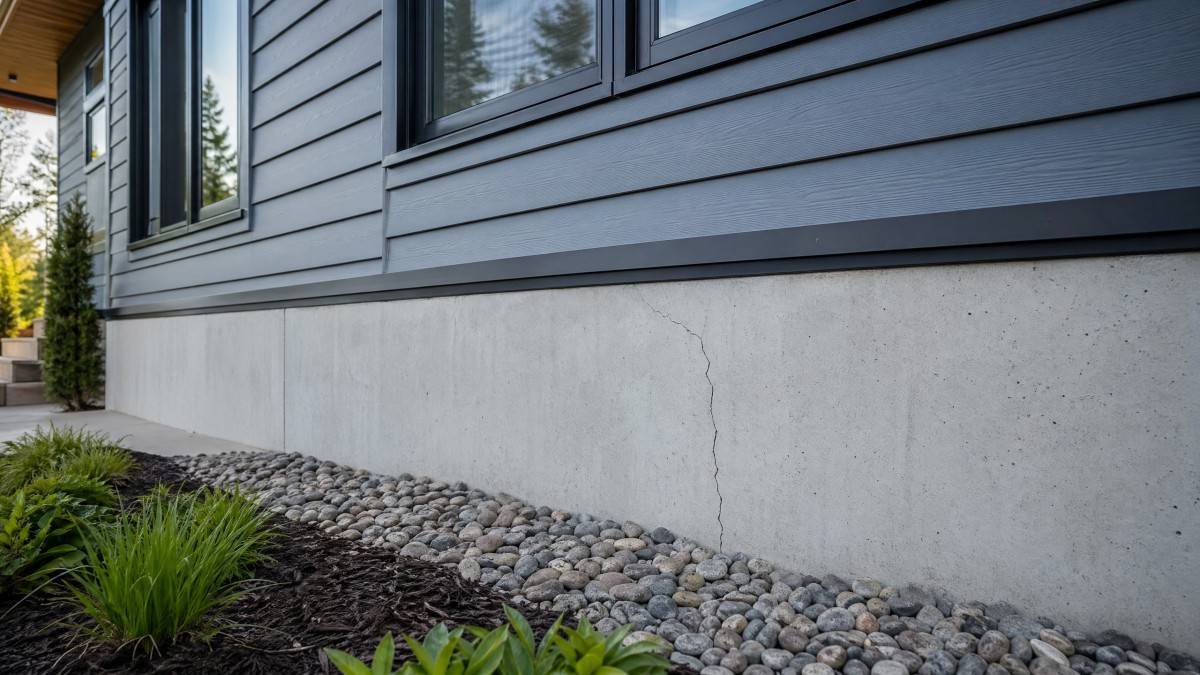

The foundation of a home is its most critical structural component, serving as the bedrock upon which the entire structure rests. It bears the immense weight of the house, distributes loads evenly to the ground, and protects the interior from moisture and ground movement. Despite its paramount importance, the foundation is often out of sight and, consequently, out of mind for many homeowners and prospective buyers. However, understanding the signs of a healthy foundation and recognizing potential issues is crucial for safeguarding one of life’s most significant investments, and KRS Lynchburg solutions can help owners approach that investment with a broader property-management mindset.
For homebuyers, a thorough assessment of a home’s foundation is non-negotiable. Foundation problems, if left unaddressed, can lead to a cascade of structural damage throughout the house, including cracked walls, uneven floors, and compromised structural integrity. The financial implications of repairing significant foundation damage can be substantial, often running into tens of thousands of dollars, and can severely impact a property’s resale value. Therefore, being equipped with the knowledge to identify early warning signs can save considerable time, money, and stress in the long run.
This comprehensive guide aims to demystify the complexities of home foundations. We will explore the different types of foundations commonly found in residential properties, detail the key interior and exterior indicators of potential problems, and help distinguish between minor cosmetic flaws and serious structural concerns. Furthermore, we will discuss the vital role of professional home inspectors and offer practical advice on preventative measures and ongoing maintenance. By the end of this article, you will be better prepared to evaluate a home’s foundation with confidence, ensuring the stability and longevity of your potential property.
Understanding Different Foundation Types
Before delving into the specifics of identifying foundation problems, it is essential to understand the various types of foundations commonly used in residential construction. Each type has its own characteristics, advantages, and potential vulnerabilities, which can influence how issues manifest and how they are addressed.
A. Slab-on-Grade Foundations
Slab-on-grade foundations are among the most common types, particularly in warmer climates. They consist of a single, thick concrete slab poured directly onto the ground. This slab is typically reinforced with steel rods or post-tension cables to enhance its strength and prevent cracking. The edges of the slab are often thicker, forming an integral footing that extends deeper into the ground. While cost-effective and quick to construct, slab foundations offer no crawl space or basement, making access to plumbing and electrical systems more challenging for repairs. They are also more susceptible to issues arising from soil expansion and contraction, which can lead to cracking if not properly engineered for local soil conditions.
B. Crawl Space Foundations
A crawl space foundation elevates the home a few feet off the ground, creating a shallow space between the bottom of the house and the earth. This space, typically 1 to 3 feet high, allows for easier access to plumbing, electrical wiring, and HVAC ducts for maintenance and repairs. Crawl spaces can be vented or unvented (encapsulated). Vented crawl spaces are common but can be prone to moisture issues, mold growth, and pest infestations if not properly managed. Unvented or encapsulated crawl spaces, which are sealed and often conditioned, offer better energy efficiency and moisture control but require careful installation to prevent humidity problems.
C. Basement Foundations
Basement foundations provide a full-height, habitable space beneath the main living areas of the home. They are constructed by excavating deep into the ground and building concrete or masonry walls that support the house above. Basements offer significant advantages, including additional living or storage space, protection from severe weather, and easy access to utilities. However, they are also the most expensive type of foundation to build and are particularly vulnerable to water intrusion, such as leaks, flooding, and hydrostatic pressure, which can lead to cracks in walls and floors. Proper waterproofing and drainage systems are critical for maintaining a dry and stable basement.
D. Common Materials
Regardless of the type, foundations are primarily constructed using durable materials designed to withstand significant loads and environmental stresses. The most common materials include poured concrete, concrete blocks (CMUs), and sometimes stone. Poured concrete foundations are known for their strength and monolithic nature, offering excellent resistance to water. Concrete block foundations are built using individual blocks mortared together, which can be more susceptible to cracking along mortar joints. Stone foundations, often found in older homes, are durable but can be prone to moisture penetration and require specialized repair techniques.
Key Indicators of Foundation Problems: What to Look For
Identifying foundation problems early can prevent more extensive and costly damage. While some signs might be subtle, others are glaring red flags that demand immediate attention. It’s crucial for homebuyers to conduct a thorough visual inspection, both inside and outside the property, and to understand what these indicators signify.
A. Exterior Warning Signs
The exterior of a home often provides the first clues about underlying foundation issues. A careful walk around the perimeter can reveal significant problems:
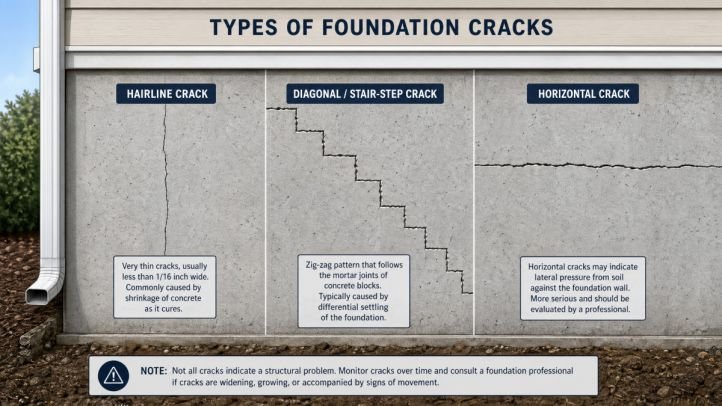
- Cracks in Concrete/Brick: Not all cracks are created equal. Hairline cracks (less than 1/16 inch wide) in concrete or brick are often cosmetic, resulting from normal settling or concrete curing. However, diagonal or “stair-step” cracks in brickwork or masonry, especially those wider than 1/8 inch, are strong indicators of differential settlement or movement. Horizontal cracks are particularly concerning, as they often suggest significant hydrostatic pressure or soil expansion pushing against the foundation walls, potentially leading to structural failure.
- Damaged or Uneven Brick Lines: If the brick or siding lines appear wavy, bowed, or uneven when viewed from a distance, it can indicate that the foundation beneath is shifting or settling unevenly.
- Gaps Between Soil and Foundation: In dry climates or during periods of drought, soil can shrink and pull away from the foundation, creating gaps. This can lead to a lack of support for the foundation and potential for further settlement. Conversely, soil that is constantly saturated can exert immense pressure, leading to bowing or cracking.
- Leaning or Bowing Walls: Exterior foundation walls that visibly lean inward or outward, or appear to bulge, are serious signs of structural distress. This is often caused by excessive lateral pressure from expansive soils or improper drainage.
- Poor Drainage Around the Foundation: Water is the foundation’s worst enemy. If rainwater pools near the foundation, or if the ground slopes towards the house instead of away from it, it can lead to soil saturation, erosion, and increased hydrostatic pressure, all of which contribute to foundation problems. Look for signs of standing water, eroded soil, or damaged gutters and downspouts.
B. Interior Warning Signs
Foundation problems rarely stay confined to the exterior. As the foundation shifts, it impacts the entire structure, leading to noticeable signs inside the home:
- Cracks in Walls and Ceilings: Similar to exterior cracks, interior cracks can be indicative of foundation movement. Look for cracks in drywall or plaster, especially those that are diagonal, stair-step, or wider than hairline. Cracks appearing above doorways, windows, or where walls meet ceilings are particularly suspicious.
- Sticking Doors and Windows: If doors and windows suddenly become difficult to open or close, or if they no longer latch properly, it can be a sign that their frames have become distorted due to foundation shifting. Gaps between window frames and walls are also a red flag.
- Uneven or Sloping Floors: Floors that feel spongy, sloped, or uneven when walked upon can indicate significant foundation settlement or pier and beam issues. Use a level to confirm any suspected slopes.
- Gaps Between Walls and Ceilings/Floors: Visible gaps where walls meet ceilings or floors, or where baseboards have pulled away from the wall, suggest structural movement.
- Separation of Cabinets or Countertops from Walls: In kitchens and bathrooms, if cabinets or countertops appear to be pulling away from the wall, it can be a secondary indicator of wall movement caused by foundation issues.
C. Basement/Crawl Space Specific Signs
These areas, being closest to the foundation, often reveal the most direct evidence of problems:
- Moisture, Mold, or Musty Odors: Any signs of dampness, water stains, mold growth, or persistent musty odors in the basement or crawl space are critical indicators of water intrusion, which can severely compromise the foundation and indoor air quality.
- Standing Water or Dampness: Puddles, wet spots, or consistently damp concrete or dirt floors point to drainage issues, leaks, or high water tables affecting the foundation.
- Bowed or Leaning Basement Walls: Concrete or block basement walls that are visibly bowed inward, leaning, or show significant horizontal cracks are under immense pressure and are at risk of collapse.
- Rotting Wood in Support Beams: In crawl spaces, inspect wooden support beams, floor joists, and subflooring for signs of rot, decay, or pest damage, often caused by excessive moisture.
- Efflorescence (White Powdery Residue) on Walls: This crystalline deposit on concrete or masonry walls is a sign that water is seeping through the foundation, dissolving salts in the material, and leaving them behind as the water evaporates.
Differentiating Cosmetic vs. Structural Issues
When encountering cracks or other signs of potential foundation problems, it’s crucial to distinguish between cosmetic issues, which are often harmless, and structural concerns, which demand immediate attention. Misinterpreting these signs can lead to unnecessary worry or, conversely, to neglecting serious problems.
A. When to Worry: Signs of Structural Problems
Structural foundation problems typically indicate significant movement or failure of the foundation system, posing a threat to the home’s integrity. These issues are often characterized by:
- Cracks Wider Than 1/8 Inch: While hairline cracks are usually benign, cracks that are consistently wider than 1/8 inch, especially if they are growing, are a strong indicator of structural movement.
- Horizontal Cracks: As mentioned previously, horizontal cracks in foundation walls are almost always a sign of serious structural stress, often caused by hydrostatic pressure from saturated soil pushing against the wall. These cracks can compromise the wall’s ability to support vertical loads.
- Vertical Cracks with Differential Movement: If a vertical crack shows one side of the crack higher or lower than the other, or if there’s a noticeable offset, it suggests significant vertical settlement or heaving.
- Stair-Step Cracks in Masonry or Brickwork: While some minor stair-step cracks can be cosmetic, those that are wide, extend through multiple courses of brick, or show signs of differential movement are indicative of foundation settlement.
- Rapidly Worsening Cracks: Any crack that appears suddenly or grows noticeably larger over a short period (weeks or months) is a cause for concern and should be evaluated by a professional.
- Multiple Concurrent Signs: If you observe several warning signs simultaneously—for example, wide cracks, sticking doors, and sloping floors—it significantly increases the likelihood of a structural foundation problem.
- Separation of Structural Elements: Gaps where the chimney pulls away from the house, or where additions separate from the main structure, are clear signs of differential movement.
B. When It Might Be Normal Settling: Cosmetic Issues
Many homes, especially newer constructions, experience some degree of settling as the soil beneath the foundation compacts and adjusts to the weight of the structure. This normal settling can lead to minor, non-structural issues:
- Hairline Cracks: Very thin, superficial cracks (less than 1/16 inch wide) in concrete slabs, drywall, or plaster are common and usually harmless. They often result from concrete curing, minor temperature fluctuations, or the natural settling of the house.
- Small Vertical Cracks: Short, thin vertical cracks in foundation walls or slabs that do not show any signs of widening or differential movement are often due to concrete shrinkage during curing and are typically not structural.
- Minor Drywall Cracks at Corners: Small cracks that appear at the corners of windows or doors in drywall can be a result of normal stress concentrations and minor building movement, rather than significant foundation issues.
- Seasonal Movement: Some homes, particularly in regions with expansive clay soils, may experience minor seasonal movement (heaving and settling) due to changes in soil moisture content. While these can cause minor cosmetic cracks, they are generally not indicative of a failing foundation if the movement is consistent and reversible.
It is always advisable to err on the side of caution. If you are unsure whether a crack or other sign is cosmetic or structural, consulting with a qualified home inspector or a structural engineer is the best course of action. Their expertise can provide an accurate assessment and recommend appropriate steps.
The Role of a Professional Home Inspector
Given the complexities of foundation systems and the potential severity of structural issues, the expertise of a professional home inspector is invaluable during the homebuying process. While a general home inspection covers numerous aspects of a property, a specialized foundation inspection or the keen eye of an experienced general inspector can be critical in identifying hidden problems.
A. Why a Specialized Foundation Inspection Might Be Necessary
In many cases, a standard home inspection will include a visual assessment of the foundation. However, if the general inspector identifies potential red flags, or if the property is older, located in an area known for soil instability, or shows multiple warning signs, a specialized foundation inspection by a structural engineer or a foundation repair specialist is highly recommended. These professionals possess the in-depth knowledge and specialized tools to conduct a more thorough evaluation, often involving detailed measurements, soil analysis, and an assessment of the entire structural system.
B. What a Professional Inspector Looks For
A professional home inspector, particularly one with experience in foundation issues, will systematically examine both the interior and exterior of the property. Their inspection typically includes:
- Exterior Assessment: They will look for all the exterior warning signs discussed previously, such as cracks in brickwork, bowing walls, gaps between the foundation and soil, and proper drainage. They will also assess the grading around the house and the condition of gutters and downspouts.
- Interior Assessment: Inside the home, they will meticulously check for cracks in walls and ceilings, sticking doors and windows, uneven floors, and gaps where structural elements meet. They may use a level or laser to detect subtle slopes or deflections.
- Basement/Crawl Space Examination: This is often the most revealing part of the inspection. Inspectors will look for moisture intrusion, mold, efflorescence, bowed or leaning walls, signs of pest infestation (especially in wood), and the condition of support beams and piers. They will also assess the ventilation and insulation in crawl spaces.
- Structural Components: Beyond the foundation walls themselves, inspectors will evaluate the integrity of the framing, floor joists, and roof structure, as foundation problems can manifest in these areas.
- Soil and Site Conditions: While not always a full geotechnical analysis, an inspector will consider the type of soil, the slope of the land, and any nearby trees or water sources that could impact the foundation.
C. Importance of Getting a Second Opinion for Serious Concerns
If a home inspector identifies significant foundation issues, it is prudent to obtain a second opinion, ideally from a licensed structural engineer. A structural engineer can provide a more definitive diagnosis of the problem, determine its root cause, and recommend specific, engineered solutions. Their report can be invaluable during negotiations with sellers and in planning for future repairs. Never rely solely on a general contractor or a foundation repair company for a diagnosis, as they may have a vested interest in recommending costly repairs. An independent structural engineer provides an unbiased assessment, ensuring you have the most accurate information to make an informed decision.
Preventative Measures and Maintenance
While some foundation issues are unavoidable due to soil conditions or natural settling, many problems can be prevented or mitigated through proactive measures and diligent maintenance. Homeowners can significantly extend the life of their foundation and avoid costly repairs by implementing these strategies.
A. Proper Grading and Drainage
Effective water management around the home is paramount to foundation health. The ground surrounding the foundation should slope away from the house at a minimum rate of 6 inches over the first 10 feet. This ensures that rainwater and snowmelt are directed away from the foundation walls, preventing water from pooling and saturating the soil. Additionally, ensure that gutters are clean and free of debris, and that downspouts extend at least 5 to 10 feet away from the foundation, discharging water into a proper drainage system or a splash block.
B. Managing Vegetation Near the Foundation
Trees, shrubs, and other plants can have a significant impact on soil moisture levels around the foundation. Large trees with extensive root systems can draw a considerable amount of moisture from the soil, leading to soil shrinkage and potential settlement. Conversely, during periods of heavy rain, dense vegetation can trap moisture near the foundation. It is advisable to plant trees and large shrubs a safe distance from the foundation (typically at least the mature height of the tree) and to maintain a consistent moisture level in the soil around the foundation, especially during dry spells, to prevent extreme expansion and contraction.
C. Regular Visual Inspections by Homeowners
Homeowners should conduct regular visual inspections of their foundation, both inside and out, at least once a year, and more frequently after significant weather events (e.g., heavy rains, droughts, freezes). This proactive approach allows for the early detection of minor issues before they escalate into major problems. Look for new cracks, changes in existing cracks, signs of moisture, or any other anomalies. Pay particular attention to areas where plumbing lines enter or exit the foundation, as these are common points for water intrusion.
By taking these preventative steps and staying vigilant, homeowners can play a crucial role in maintaining the integrity of their home’s foundation, protecting their investment, and ensuring a safe and stable living environment.
Frequently Asked Questions (FAQ)
- Q: How much does foundation repair cost?
- A: The cost of foundation repair varies widely depending on the type of foundation, the severity of the damage, the repair method required, and the local labor rates. Minor repairs, such as crack injections, might cost a few hundred to a couple of thousand dollars. More extensive repairs, like pier and beam adjustments, slab jacking, or underpinning, can range from $5,000 to $20,000 or more. In severe cases, a complete foundation replacement can exceed $50,000. It is crucial to get multiple quotes from reputable foundation repair specialists and, ideally, a structural engineer’s assessment before proceeding.
- Q: Can I buy a house with foundation problems?
- A: Yes, it is possible to buy a house with foundation problems, but it requires careful consideration and due diligence. If you are considering such a purchase, it is imperative to have a thorough inspection by a qualified structural engineer to understand the extent of the damage, the cause, and the recommended repairs. Obtain detailed repair estimates and factor these costs into your offer. Ensure that the repairs are performed by licensed professionals and come with a transferable warranty. Buying a home with existing foundation issues can be a good opportunity to negotiate a lower price, but it also comes with inherent risks and potential future headaches if not managed properly.
- Q: What causes foundation problems?
- A: Foundation problems are typically caused by a combination of factors, primarily related to soil conditions and water management. Common causes include:
- Expansive Soils: Clay-rich soils that expand when wet and shrink when dry can exert immense pressure on foundations, leading to movement.
- Poor Drainage: Inadequate grading, clogged gutters, or improper downspout extensions can lead to water pooling around the foundation, saturating the soil and causing hydrostatic pressure or erosion.
- Soil Settlement: Poorly compacted fill soil or natural soil consolidation over time can lead to uneven settlement of the foundation.
- Plumbing Leaks: Leaking pipes under the slab or in the crawl space can saturate the soil, leading to localized settlement or heave.
- Tree Roots: Large tree roots near the foundation can draw moisture from the soil, causing it to shrink, or physically push against the foundation.
- Earthquakes or Seismic Activity: While less common, significant seismic events can cause sudden and severe foundation damage.
- Q: How long do foundations last?
- A: The lifespan of a home foundation can vary significantly based on its type, construction quality, soil conditions, climate, and maintenance. Generally, well-built concrete slab and poured concrete basement foundations can last for 75 to 100 years or even longer with proper care. Concrete block foundations typically have a similar lifespan. However, factors like persistent moisture issues, expansive soils, or lack of maintenance can significantly shorten a foundation’s effective life. Regular inspections and timely repairs are key to maximizing a foundation’s longevity.
Conclusion: Protecting Your Investment
The foundation is the silent guardian of your home, tirelessly supporting its structure and protecting your investment. While often overlooked, its health is paramount to the overall stability and longevity of the property. For both prospective homebuyers and current homeowners, understanding the nuances of foundation types, recognizing the subtle and overt signs of distress, and knowing when to seek professional help are indispensable skills.
From hairline cracks that are merely cosmetic to significant horizontal fissures that signal serious structural compromise, the ability to differentiate between minor settling and critical issues can save considerable financial burden and emotional stress. Remember that water management through proper grading and drainage, along with thoughtful landscaping, plays a crucial role in preventing many common foundation problems.
Ultimately, a home is one of the most significant investments you will make. By being proactive in your inspections, informed about potential warning signs, and judicious in seeking expert advice from qualified home inspectors and structural engineers, you can ensure that the bedrock of your home remains solid for years to come. Protecting your foundation is not just about maintaining the physical structure; it is about safeguarding your peace of mind and the value of your property.