
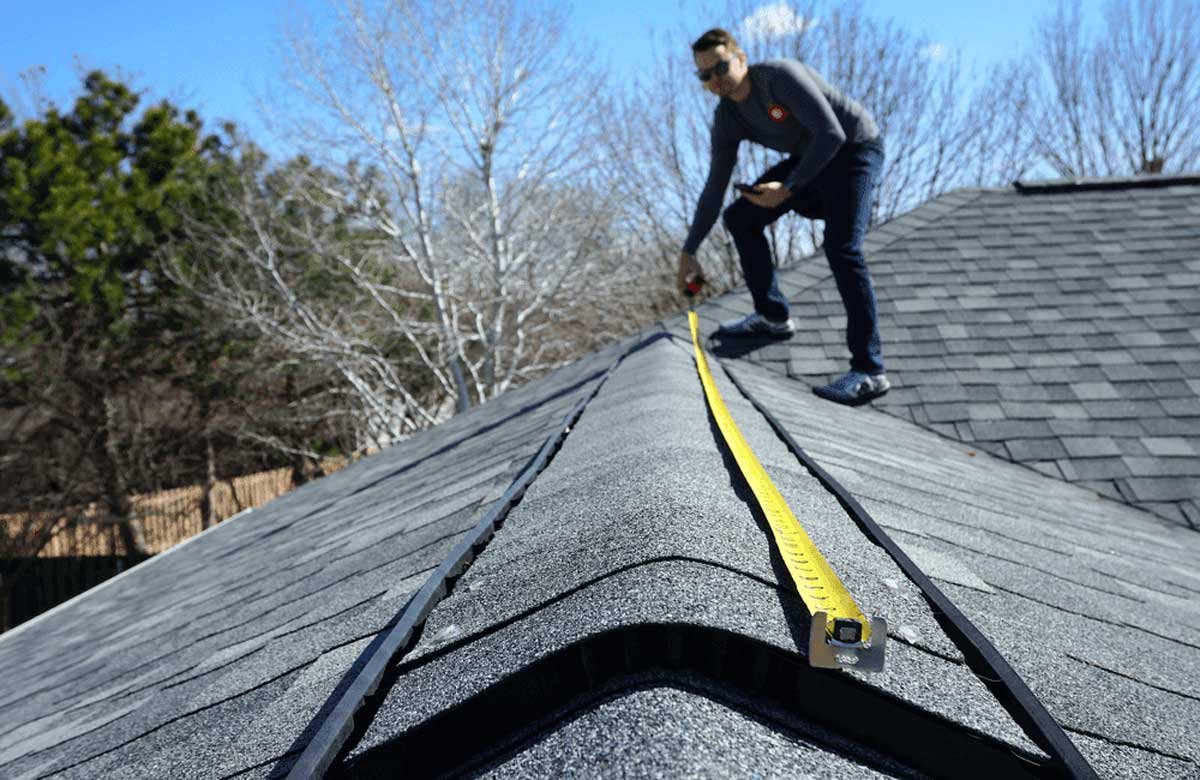

Roofing projects depend on accurate measurements, reliable estimates, and efficient planning. However, many contractors still rely on manual roof measurements, which often slow down operations and reduce overall productivity. Understanding how this traditional approach affects business performance can help identify better solutions for modern workflows.
The Limitations of Manual Roof Measurements
Manual measurements require physical access to the roof, which means climbing, setting up equipment, and recording dimensions by hand. This process is time consuming and exposes workers to unnecessary safety risks. In addition, weather conditions and complex roof designs can make accuracy difficult to achieve consistently.
Even small errors in manual measurement can lead to significant cost overruns. A few inches of miscalculation may result in wasted materials or insufficient supply orders, both of which delay project completion. These inefficiencies can reduce client satisfaction and limit profit margins.
How Delays Affect Business Growth
When teams spend extra hours on manual measurement, fewer projects can be completed in the same period. This slower pace affects scheduling and revenue. Missed deadlines or inconsistent estimates can also damage a company’s reputation, making it harder to win new contracts.
Administrative tasks take longer as well. Teams must manually transfer numbers into spreadsheets or estimating software, increasing the risk of transcription errors. The additional time spent double checking figures could be better used for client communication or on site supervision.
Digital Tools Changing the Roofing Industry
Modern technology offers faster and more accurate ways to measure roof dimensions. A digital roofing calculator allows professionals to obtain precise measurements without climbing a ladder or visiting the site. By entering basic property information, users can generate detailed estimates within minutes.
These tools rely on satellite imagery and advanced data models to produce consistent results. This approach eliminates the guesswork of manual measurement, reducing human error and streamlining project planning. Many contractors now use these resources as part of their standard estimating process.
Benefits of Faster Measurements
Replacing manual measurements with digital methods saves significant time. Projects move from initial inquiry to proposal more quickly, allowing businesses to respond to clients faster and schedule jobs sooner. The improved turnaround time enhances competitiveness and operational efficiency.
Accurate digital data also supports better material planning. When measurements are precise, orders align closely with project needs, minimizing waste and storage issues. This not only saves money but also contributes to more sustainable practices.
Integrating Instant Roofer for Accurate Estimates
Platforms like Instant Roofer enable contractors to simplify their estimating process. Instead of relying on tape measures or manual sketches, users can quickly generate professional grade reports. The information can be shared with clients and teams, creating transparency and consistency across all stages of the project.
Using such a system helps businesses adapt to modern expectations for speed and accuracy. It allows estimators to focus on client relationships and project management rather than repetitive measurement tasks. This shift can lead to more bids won and smoother project execution.
Moving Toward a More Efficient Future
The roofing industry continues to evolve, and efficiency is becoming a key competitive factor. Manual roof measurements, while traditional, often slow down operations and introduce unnecessary complexity. Embracing digital tools and methods allows businesses to stay agile and deliver results more effectively.
By leveraging resources such as an accurate roofing calculator, contractors can improve their workflow, reduce costs, and enhance customer satisfaction. As technology advances, those who adapt will find it easier to maintain consistent growth and reliability in an increasingly demanding market.