
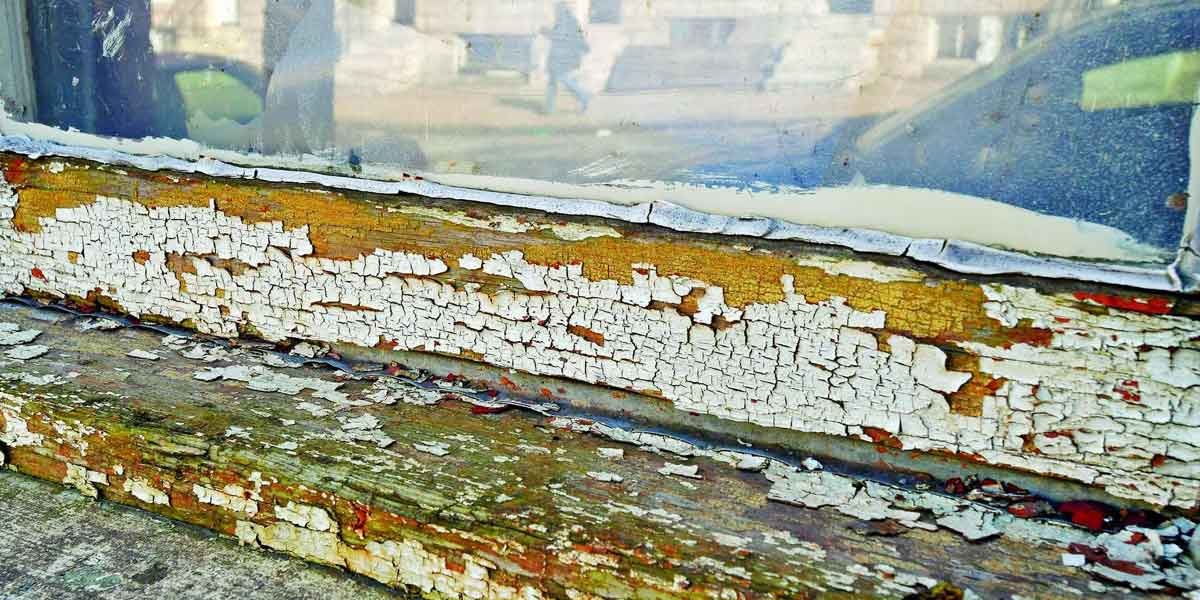

Lead-based paint, commonly used before 1978, poses significant health risks, warns Redsail Property Management Williamsburg. Millions of older homes still contain this hazardous material. Understanding these dangers is crucial for homeowners, renters, and those involved in property maintenance or renovation. Exposure to lead can have severe, irreversible health consequences, affecting neurological, renal, and hematopoietic systems. The U.S. Department of Housing and Urban Development (HUD) estimates that approximately 3.6 million housing units with children under six years old contain lead-based paint hazards, highlighting the urgency of addressing this issue.
The primary concern is the ingestion or inhalation of lead dust and chips. As paint deteriorates or is disturbed during renovation, it releases microscopic lead particles. These can settle on surfaces, contaminate soil, and become airborne, making them easily ingested by young children who often put their hands or toys in their mouths. Children are particularly vulnerable due to their rapid development and higher absorption rates. Adults can also be exposed through occupational activities or home renovation. Even minimal exposure can lead to elevated blood lead levels, and there is no known safe level of lead in the body.
Lead paint poses significant health risks, especially to children, affecting neurological development and overall well-being.
Lead exposure, even at low levels, has profound and lasting effects. Children are highly vulnerable due to their developing nervous systems and frequent hand-to-mouth activity. Ingested or inhaled lead interferes with brain, kidney, and blood-forming organ function, leading to developmental delays, reduced IQ, learning disabilities, and behavioral problems. Studies show even small increases in blood lead levels can decrease cognitive function. The CDC emphasizes that no amount of lead exposure is safe for children.
For adults, chronic lead exposure can cause hypertension, joint and muscle pain, headaches, memory loss, and mood disorders. The World Health Organization (WHO) identifies lead exposure as a major public health concern, contributing to cardiovascular disease and kidney damage. Occupational exposure in industries like construction can lead to higher lead levels and more severe outcomes. Pregnant women are also at risk, as lead can cross the placental barrier, harming the fetus and potentially causing premature birth or developmental problems. The CDC reiterates that no safe blood lead level exists for children, stressing the need for prevention.
Homes built before 1978 are highly likely to contain lead paint, necessitating careful inspection and testing.
The 1978 federal ban on lead-based paint in residential properties makes this year a critical benchmark. Homes built before 1978 are presumed to contain lead paint unless professionally tested and certified lead-free. The older the home, the higher the probability and concentration of lead paint, with pre-1950 homes having the highest likelihood. Over 75% of homes built before 1978 are estimated to contain some lead-based paint, making it a widespread issue.
Identifying lead paint is complex as it can be hidden under newer paint layers. Visual inspection is insufficient. Deteriorating paint (chipping, peeling, chalking) indicates potential hazards, but even intact lead paint can become hazardous if disturbed. Friction surfaces like windows and doors can abrade lead paint, releasing dust. Lead paint can be found on walls, ceilings, trim, doors, windows, and exterior siding. Comprehensive assessment is essential, as its hidden nature complicates identification and mitigation.
Safe renovation practices are essential to prevent lead contamination and protect occupants during home improvements.
Renovating a pre-1978 home requires meticulous planning and adherence to lead-safe work practices to avoid hazardous lead dust. Disturbing lead paint through activities like sanding, scraping, or drilling releases lead particles. Without proper containment and cleaning, these particles spread, creating long-term health risks, especially for children. The EPA mandates specific procedures for contractors, requiring certification and lead-safe practices to protect workers and occupants. Homeowners performing their own renovations are strongly advised to follow these guidelines.
Key precautions include isolating the work area with plastic sheeting (inside and outside) to prevent dust migration. Remove or cover all furniture and belongings with two layers of 6-mil plastic sheeting, taped securely. Turn off HVAC systems and seal vents. Wet methods (wet scraping/sanding) are preferred over dry methods to minimize airborne dust. Power tools with HEPA filters are recommended for dust collection. Proper personal protective equipment (PPE), including N100/P100 respirators, disposable gloves, and coveralls, is crucial to prevent inhalation and skin contact, avoiding secondary contamination.
Encapsulation, enclosure, and removal are primary strategies for managing lead paint hazards, each with specific applications.
Managing lead paint involves several approaches, often combined in a comprehensive plan. Encapsulation applies a special liquid coating over lead paint, creating a durable barrier to prevent dust and chips. This cost-effective solution is suitable for intact surfaces not subject to impact, like walls or ceilings. Homeowners can apply EPA-approved encapsulants following strict guidelines. However, encapsulation is not permanent and requires regular monitoring for damage, as breaches re-expose lead paint. Its effectiveness depends on underlying paint condition and proper application, typically lasting several years.
Enclosure involves placing a new, impermeable surface over lead-painted components, sealing off the hazard. Examples include covering lead-painted walls with drywall or paneling, installing vinyl windows over lead-painted frames, or covering contaminated soil. This method provides a more robust and lasting barrier than encapsulation, physically separating lead paint from the environment. Enclosure is useful for frequently disturbed components, offering a permanent solution without full removal, and can be integrated into general home improvements. It prevents exposure without disturbing the lead paint, minimizing dust creation.
Regular maintenance and awareness are crucial for preventing lead exposure in homes with existing lead paint.
Even after remediation, ongoing vigilance and routine maintenance are vital. Deterioration from environmental factors, wear and tear, or damage can re-expose lead hazards. Homeowners should regularly inspect painted surfaces, especially in high-traffic areas and those accessible to children. Any chipping, peeling, chalking, or cracking paint must be addressed promptly and safely using lead-safe practices to prevent dust release. The EPA recommends immediate action on deteriorating paint, as even small amounts of lead dust pose significant risks.
Simple housekeeping reduces lead exposure. Regularly wet-wiping surfaces, particularly window sills, floors, and other horizontal areas, removes lead dust. Use disposable wet cloths and all-purpose cleaner, discarding cloths after use. HEPA-filtered vacuums are highly effective for fine lead particles; avoid dry sweeping or dusting, which spread dust. Frequent cleaning of children’s toys and pacifiers is also recommended, as children often put these items in their mouths, increasing exposure risk.
| Characteristic | Pre-1978 Homes (Potential Lead Paint) | Post-1978 Homes (Lead Paint Banned) |
|---|---|---|
| Construction Era | Before 1978 | 1978 and later |
| Lead Paint Presence | Presumed to contain lead paint on some surfaces; high probability, especially in homes built before 1950. | Unlikely to contain lead paint from original construction, unless from imported items or cross-contamination. |
| Primary Risk | Deteriorating paint, lead dust from friction surfaces, renovation disturbance, contaminated soil. | Minimal risk from original paint; potential risk from imported goods, certain hobbies, or contaminated soil from external sources. |
| Testing Recommendation | Highly recommended for all painted surfaces, especially before renovation, if children under six are present, or if purchasing the property. Professional XRF testing or laboratory analysis is advised. | Generally not required unless specific concerns arise (e.g., chipping paint, child with elevated blood lead levels). |
| Renovation Protocol | Lead-safe certified practices required (EPA RRP Rule) for any work disturbing painted surfaces. Includes containment, dust minimization, and specific cleaning. | Standard renovation practices; lead-safe practices may be advisable if lead sources are suspected, but not federally mandated for original paint. |
| Health Implications | Significant risk of lead poisoning, especially for children (developmental delays, reduced IQ), pregnant women (fetal harm), and adults (hypertension, neurological issues). | Very low risk from paint; potential risks from other lead sources should still be considered. |
| Common Locations | Windows, doors, trim, walls, exterior siding, soil around foundation. Often in multiple layers. | Less common, but can be found in imported toys, ceramics, older plumbing, or industrial settings. |
| Management Strategies | Encapsulation, enclosure, removal (abatement), regular wet cleaning, professional lead abatement contractors, and ongoing monitoring. | Focus on prevention of exposure from other sources, general home maintenance, and awareness of potential non-paint lead sources. |
Frequently Asked Questions
What are the primary health risks associated with lead paint exposure?
Lead paint exposure can lead to severe health issues, particularly in children. These include developmental delays, learning difficulties, behavioral problems, and in extreme cases, seizures, coma, or death. For adults, chronic exposure can result in high blood pressure, joint and muscle pain, headaches, memory difficulties, and reproductive problems. The neurological damage in children is often irreversible, making prevention paramount.
How can I identify if my home has lead paint?
The only definitive way to identify lead paint is through professional testing. This can involve using an X-ray fluorescence (XRF) analyzer, which provides immediate, non-destructive results by measuring lead content on painted surfaces. Alternatively, paint chip samples can be collected by a certified professional and sent to an accredited laboratory for analysis, which provides precise measurements of lead concentration by weight. While home test kits are available, they are often less reliable and may provide false negatives or positives compared to professional methods, and are not recommended for definitive assessment.
What precautions should be taken during renovation of a pre-1978 home?
During renovation, it is crucial to contain dust and debris to prevent lead contamination. This includes sealing off work areas with two layers of 6-mil plastic sheeting, taped securely at seams and to the floor, and turning off HVAC systems and sealing vents. Wet sanding or scraping methods should be used instead of dry methods to minimize airborne dust. Employ HEPA-filtered vacuums for cleanup, as standard vacuums can spread lead dust. Workers should wear appropriate personal protective equipment, such as N100 or P100 respirators, disposable gloves, and disposable coveralls.
Is encapsulation a safe and effective method for managing lead paint?
Encapsulation involves covering lead paint with a durable coating that creates a barrier, preventing lead dust and chips from becoming airborne. It can be a safe and effective interim control method if the paint is in good condition and the encapsulant is properly applied and maintained. Encapsulants are typically polymer-based materials that bond to the paint and create a protective layer, effectively sealing the lead within. However, it is not a permanent solution and requires regular inspection to ensure the barrier remains intact.
The presence of lead paint in homes built before 1978 represents a significant public health challenge. While the 1978 ban was a critical step, its legacy impacts millions of residences. Understanding the profound health risks, particularly for children, is paramount. Recognizing hazards, implementing stringent lead-safe practices during maintenance and renovation, and utilizing appropriate management strategies like encapsulation, enclosure, or professional removal are indispensable. Homeowners, property managers, and professionals must remain diligent in identifying, managing, and abating lead paint to ensure a safe and healthy living environment for all, contributing to a future free from lead poisoning.
References
- U.S. Environmental Protection Agency. (n.d.). Lead Renovation, Repair and Painting (RRP) Rule. Retrieved from https://www.epa.gov/lead/renovation-repair-and-painting-program
- Centers for Disease Control and Prevention. (2022, October 27). Lead. Retrieved from https://www.cdc.gov/nceh/lead/default.htm