
Crawl Space Flood: Reasons, Problems, and Removal

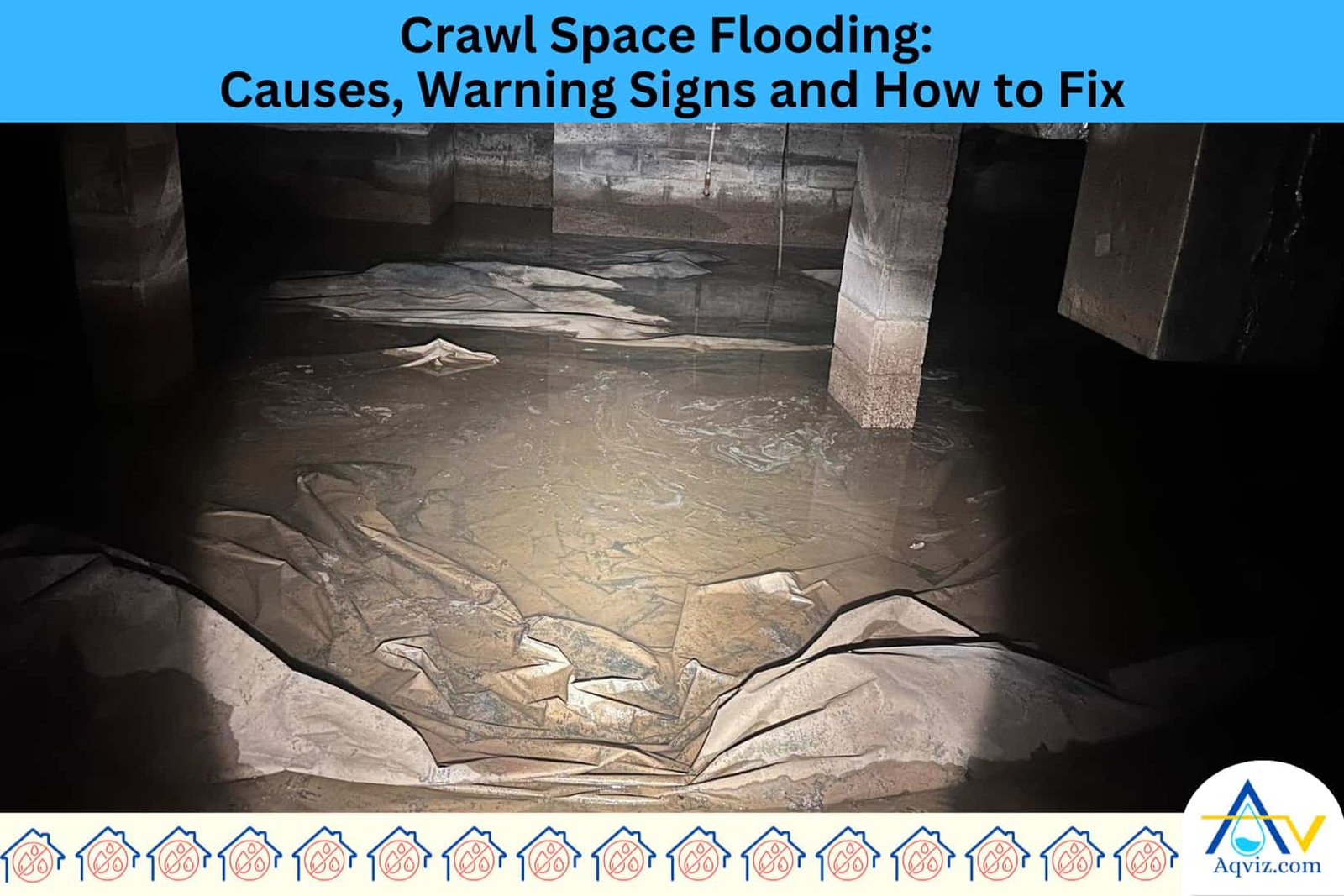
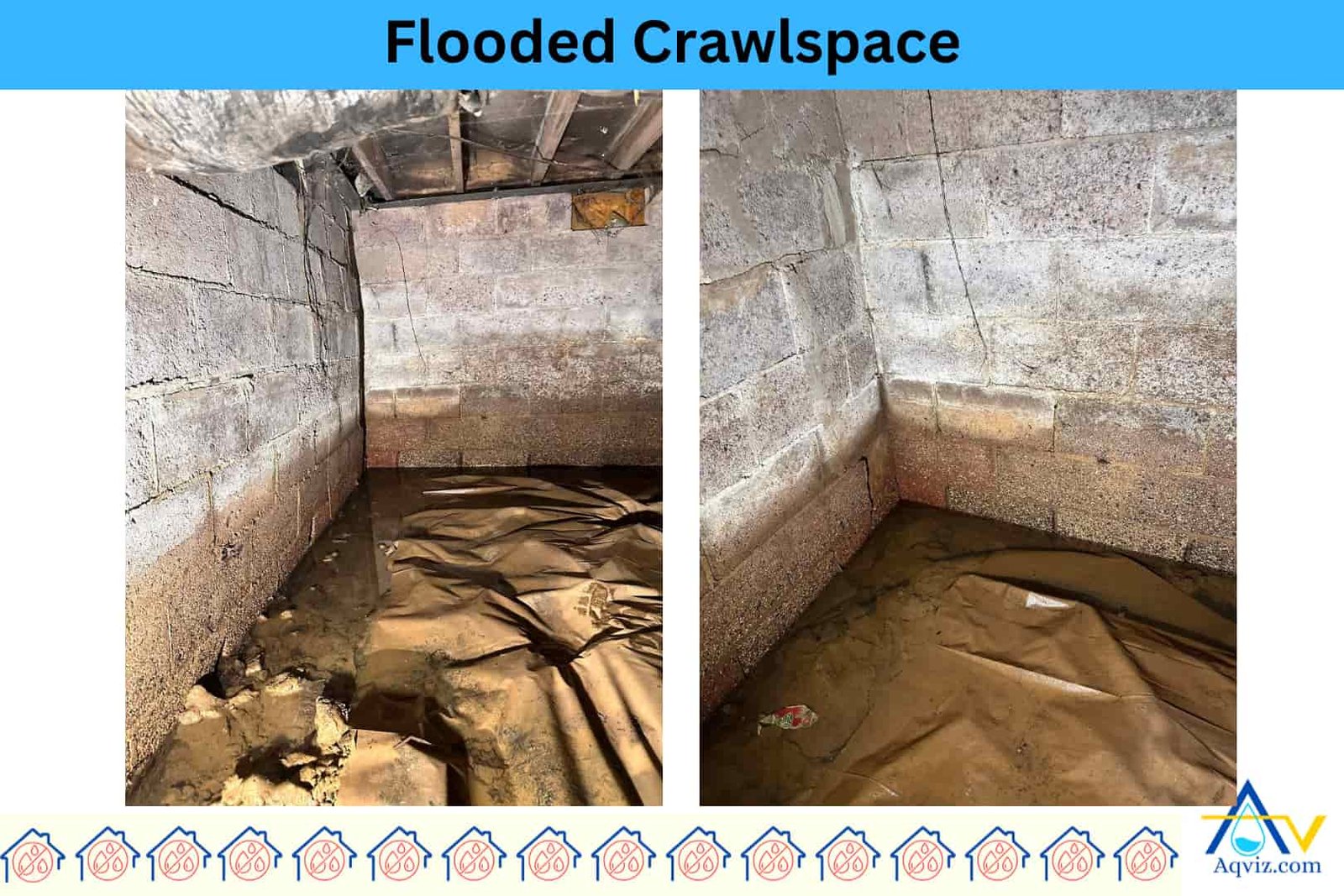
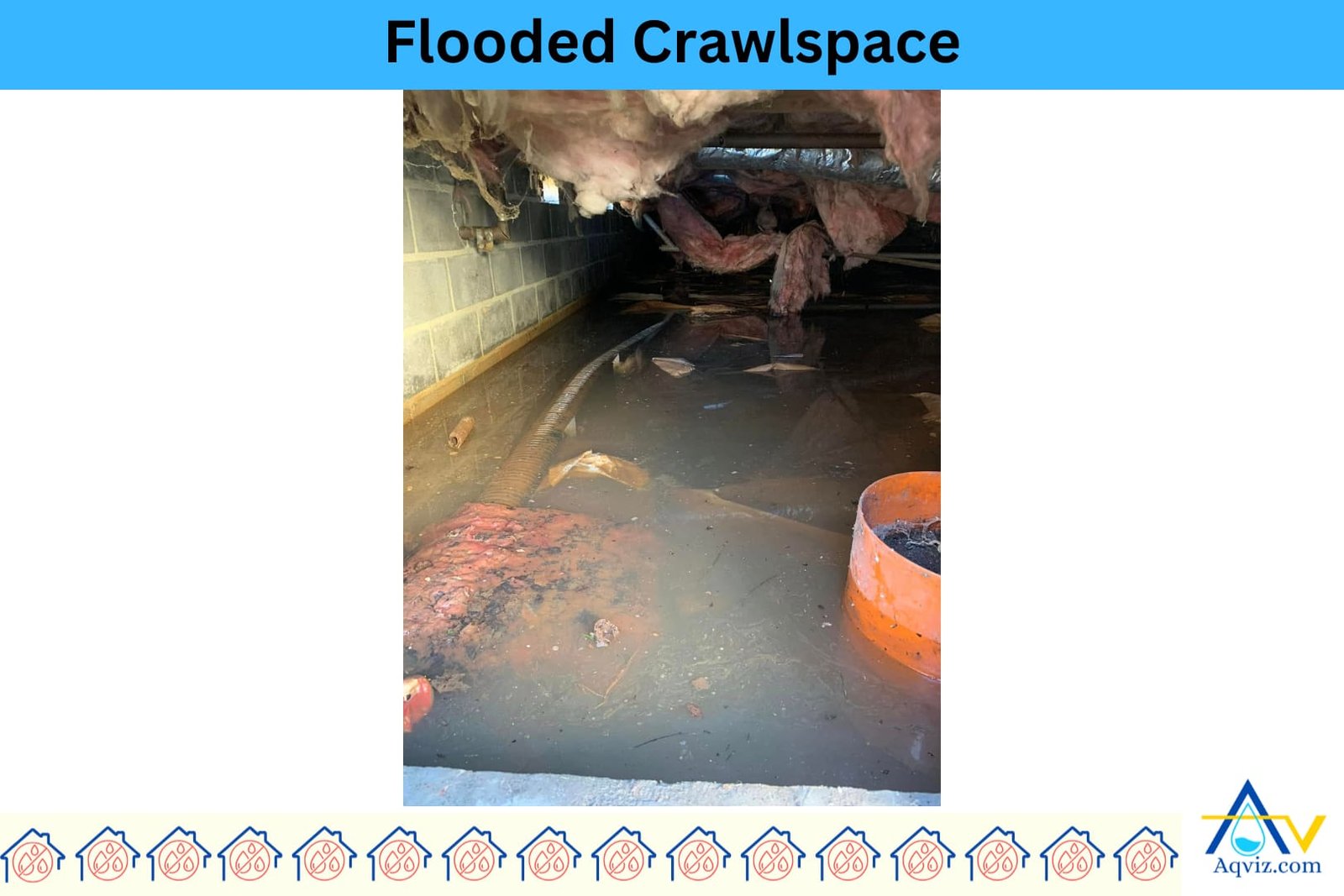
A crawl space flood is the condition where water accumulates or stands on the crawl space floor. A crawlspace is flooded when there is no way to remove accumulated water in the crawlspace. You can detect when there is a flood in the crawl space from higher indoor humidity, musty odor, mold growth on wooden joists, damp or sagging insulation, corrosion on metal supports, and persistent moisture on the crawl space soil or vapor barrier.
A crawlspace can be flooded due to these reasons, such as poor site grading, broken or leaking pipes, clogged or missing gutters, rising groundwater table, HVAC condensation line failure, ineffective crawlspace vents, and cracks in foundation walls. When the crawlspace is flooding prolong it may cause foundation weakening, mold infestation, wood rotting and decay, insulation failure, increase the energy cost, create electrical hazards, increase pest infestation, and reduce the property value over time.
To avoid these problems in the house crawl space, flooded water should be removed properly, and it should be prevented from flooding by installing a sump pump, improving floor grading, repairing HVAC and plumbing leaks promptly, adding a perimeter drainage system, sealing foundation cracks and joints, and encapsulating the crawl space properly. Aqviz experts highly recommend that you maintain the crawlspace in a dry condition by encapsulating it. It helps to maintain a healthy and damage-free crawlspace in the house.
What Is Flood in a Crawl Space?
A crawl space flood is the condition where water accumulates or stands on the crawl space floor. A crawlspace is flooded when there is no way to remove accumulated water in the crawlspace. You can detect when there is a flood in the crawl space from higher indoor humidity, musty odor, mold growth on wooden joists, damp or sagging insulation, corrosion on metal supports, and persistent moisture on the crawl space soil or vapor barrier.
To flood a crawl space, there are 7 reasons mentioned below, and prolonged crawl space flooding cause sever problems to the home structure as mentioned below.
What Are the 7 Reasons for Crawlspace Flooding?
Crawlspace flooding causes poor site grading, broken or leaking pipes, clogged or missing gutters, rising groundwater table, HVAC condensation line failure, ineffective crawlspace vents, and cracks in foundation walls.
Here are 7 primary causes of crawlspace flooding.
- Poor site grading: Improper grading causes surface water to flow toward the foundation instead of away from it. It increases hydrostatic pressure and directs stormwater into the crawlspace.
- Broken or leaking plumbing lines: Damaged water supply or drain lines, especially under slab or crawl zones, release constant moisture into the crawlspace and mimic the effects of a natural flood.
- Clogged or missing gutters and downspouts: Ineffective roof drainage causes rainwater to collect around the crawlspace and eventually seep through wall penetrations or footing joints.
- Rising groundwater table: Seasonal water table shifts cause groundwater to push upward through porous soils and unsealed crawlspace floors, leading to standing water accumulation inside.
- HVAC condensation line failures: A disconnected or poorly installed condensation line from furnaces or central AC units like Carrier, Lennox, or Goodman systems can discharge directly into the crawlspace.
- Ineffective crawlspace vents: Standard vents without proper flood vent certification (like FEMA-compliant engineered flood vents) allow stormwater to enter the crawlspace and trap the water inside.
- Cracks in foundation walls or footings: Structural cracks caused by settling or seismic activity let groundwater infiltrate through foundation breaches, especially during storms or prolonged rain events.
What Are the 8 Problems of Crawlspace Flooding?
These are the 8 problems of crawlspace flooding, such as,
- Foundation weakening: Crawlspace flooding erodes footings and causes cracks in stem walls and slabs, compromising structural stability.
- Mold infestation: Crawlspace flooding promotes aggressive mold growth, including Stachybotrys chartarum, which can affect air quality and respiratory health.
- Wood rot and decay: Crawlspace flooding causes wood rotting, deterioration, and reduces the load-bearing capacity of the wood when it is not treated properly.
- Insulation failure: Crawlspace flooding causes a loss of thermal efficiency and creates conditions ideal for microbial growth.
- Increased energy costs: Damp air in crawlspaces increases HVAC workload, leading to higher electricity and gas consumption.
- Electrical hazards: Flooded crawlspaces with exposed wiring or junction boxes can lead to short circuits, shocks, or fire risks.
- Pest invasion: Moist environments crawlspace, attract carpenter ants, termites, and rodents, which can damage wood, wires, and insulation.
- Reduced property value: Crawlspace flooding history leads to inspection failures, insurance complications, and reduced market appeal for homebuyers.
How to Remove Flooded Water in the Crawl Space?
To remove the flooded water in the crawl space you should follow the below 6 steps guide.
- Stop the water source: First, you should identify the source of the water that caused the crawl space to flood. The most suspect water sources for crawl space flooding are plumbing leaks, overflowing gutters, downspouts discharging near the foundation, surface runoff, and high groundwater levels. If the water source is not stopped, crawl space water removal becomes not useful.
- Use a submersible pump: Second, you should use a submersible pump to remove flooded water from the crawl space. You should place the submersible pump at the lowest point of the crawl space so gravity helps collect water faster and discharge it safely away from the foundation.
- Remove remaining water: Third, you should remove remaining shallow water and puddles using a wet/dry vacuum, especially around piers, footings, and uneven soil areas where water collects.
- Dry the crawl space: Fourth, you should dry the crawl space using air movers and dehumidifiers to reduce relative humidity below 55% RH, because drying stops mold growth and wood decay after flooding.
- Inspect for damage: Fifth, you should inspect the crawl space for damaged insulation, wet vapor barriers, mold growth, and wood moisture above 20%, which indicate long-term moisture exposure.
- Fix the permanent drainage issue: Finally, you should install a crawl space French drain, sump pump, or improve exterior grading if flooding repeats, because removing water alone does not prevent future crawl space floods.
How to Prevent Crawlspace Flooding?
To prevent crawlspace flooding, you can install a sump pump, improve floor grading, repair HVAC and plumbing leaks promptly, add a perimeter drainage system, seal foundation cracks and joints, and encapsulate the crawlspace properly.
- Waterproof the crawlspace: Crawlspace waterproofing helps stop water intrusion by sealing foundation walls and floors with materials like bituminous coatings, cementitious sealants, or polyurethane membranes. It’s the most critical step in preventing recurring crawlspace floods, especially in homes located in floodplain zones.
- Install a sump pump system: Sump pump installation helps to get rid of crawlspace flooding. A submersible or pedestal sump pump collects and discharges water from the lowest point of the crawlspace. It’s ideal for homes in flood-prone zones or with high water tables.
- Excavate and improve grading: Excavate and improve the floor grading away from the crawlspace. It helps to direct water away from the crawlspace successfully.
- Repair plumbing and HVAC leaks: Broken condensation lines, leaking pipes, or failing fittings should be detected and repaired to eliminate water discharge into the crawlspace.
- Add a perimeter drainage system: Installing a French drain or interior footing drain collects and redirects groundwater before it reaches the crawlspace walls or floors.
- Seal foundation cracks and joints: Use hydraulic cement or polyurethane-based sealants to stop seepage through walls, footings, and pipe penetrations into the crawlspace.
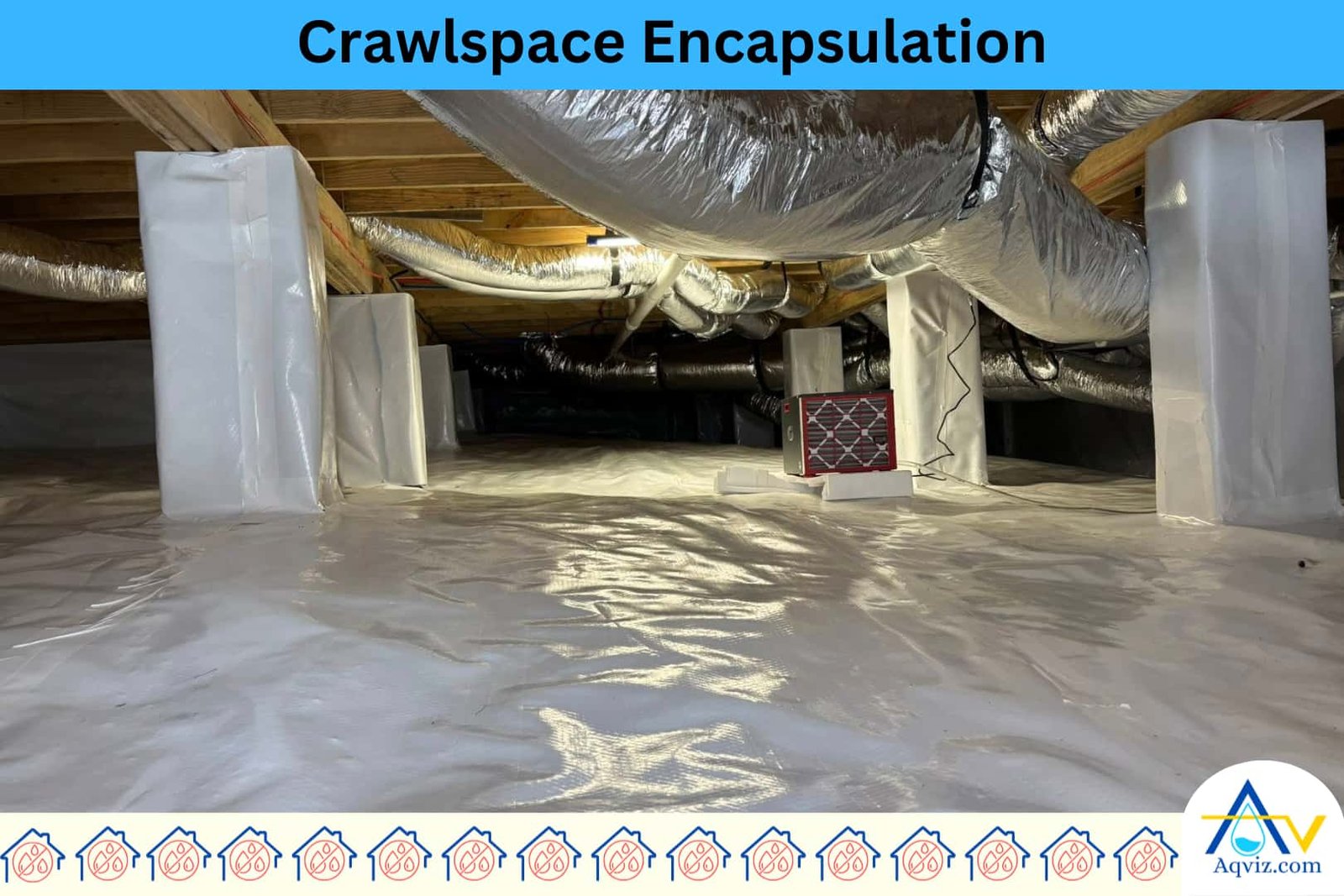
- Encapsulate the crawlspace: Use a reinforced vapor barrier (like 20-mil polyethylene) on the floor and walls to isolate the crawlspace from outside moisture, preventing future flooding and reducing humidity.
How to Dry Out a Flooded Crawlspace?
To dry out a flooded crawlspace, you should use a commercial dehumidifier, install temporary airmovers, remove standing water with a sump pump, remove wet insulation and debris, and install temporary ventilation or openings in the crawlspace.
- Use commercial dehumidifiers: Placing a high-capacity crawlspace dehumidifier helps reduce relative humidity levels below 60%. These units dry the air continuously and prevent secondary condensation on framing and insulation.
- Install temporary box fans or air movers: Positioning fans at crawlspace entry points helps increase ventilation and speed up evaporation. This DIY method is especially effective in shallow crawlspaces with good outside air access.
- Remove standing water with a sump pump: A sump pump or wet vacuum system helps dry out the crawlspace floor by quickly eliminating pooled water. Using a sump basin with check valve prevents backflow during heavy rain.
- Remove wet insulation and debris: Taking out saturated fiberglass batts, cardboard, or organic debris helps minimize humidity and stops mold from forming on these materials. Replace with closed-cell foam once the area is dry.
- Install temporary ventilation vents or open access doors: Increasing cross-ventilation helps dry the crawlspace faster. Temporarily opening foundation vents or crawlspace access panels improves airflow and prevents stale, moist air from lingering.
Read More About: Basement Flooding: What to Do, Solutions, Detections, Causes and Preventions
What Is Encapsulated Crawlspace Flooding?
Encapsulated crawlspace flooding is the occurrence of water intrusion or moisture accumulation within a crawlspace that has been sealed using vapor barriers and other moisture-control systems. This type of flooding typically results from overlooked foundation cracks, unsealed pipe penetrations, malfunctioning sump pump systems, or rising groundwater that bypasses the barrier system. When water gets trapped beneath or on top of the vapor barrier in the crawlspace, it can cause mold growth, insulation failure, and saturation of the subfloor.
How to Improve Crawlspace Ventilation DIY?
Here are 4 effective DIY ways to improve crawlspace ventilation.
- Install additional foundation vents
- Use vent fans with humidity sensors
- Open crawlspace access doors periodically
- Create air pathways between joist bays
Is Crawlspace Waterproofing and Encapsulation the Same?
No, crawlspace waterproofing and encapsulation are not the same. Crawlspace waterproofing is stopping liquid water from entering to crawlspace while crawlspace encapsulation is a sealing method that can stop both vapor, water, and air infiltration to the crawlspace.