
Crawl Space Mold: Identify, Damages and Removal

Mold in the crawl space is a fungal growth that thrives in the dark, damp, and poorly ventilated environment of the crawl space. Mold grows in the crawl space due to foundation cracks, open vents, plumbing leaks, or higher humidity (above 60% RH). There are 6 main types of molds in the crawl space: white, black, green, yellow, grey, and brown mold. To identify the mold in the crawl space can be done by visual signs, smell, and test kits.
Mold is thrivingin the crawl space due to these 6 reasons: poor ventilation, plumbing leaks, ground moisture seepage, higher humidity, standing water, and organic materials in the crawl space. Mold in the crawl space causes these 7 severe damages: structural wood rotting, foundation block staining, insulation damage, ductwork contamination, respiratory health issues, pest infestation, and reduces the property value.
You should clean the crawl space mold to prevent these damages. To clean the crawl space mold, you have to spend USD 1,500-4,000 for the 1,000 ft² (93 m²) crawl space, depending on the accessibility of the area, amount of mold thriving, area of the crawl space, treatment materials, labor cost, and the condition of the crawl space. To mitigate the mold further, you should waterproof the crawl space, use mold and stain remover, install a dehumidifier, and treat the surface with UV light or sulfur. We strongly recommend that you to hire an expert to waterproof your crawl space. Contact us. We are available 24/7.
What is Mold In the Crawl Space?
Mold in the crawl space is a fungal growth that thrives in the dark, damp, and poorly ventilated environment of the crawl space. Mold grows in the crawl space due to foundation cracks, open vents, plumbing leaks, or higher humidity (above 60% RH).
There are five major disadvantages of crawl space mold.
- Structural decay: Crawl space mold degrades wood beams and joists, weakening the home’s structural integrity.
- Decrease the air quality in the home: Crawl space mold releases airborne mycotoxins that circulate into living spaces, causing respiratory problems.
- Increase the Health impacts: Mold in a crawl space makes you sick, especially triggering asthma, sinus infections, and chronic fatigue.
- Reduce the property values: Mold in the crawl space lowers resale value due to remediation costs and health concerns.
- Decrease the energy inefficiency: Crawl space mold-infested insulation loses effectiveness, leading to higher HVAC costs.
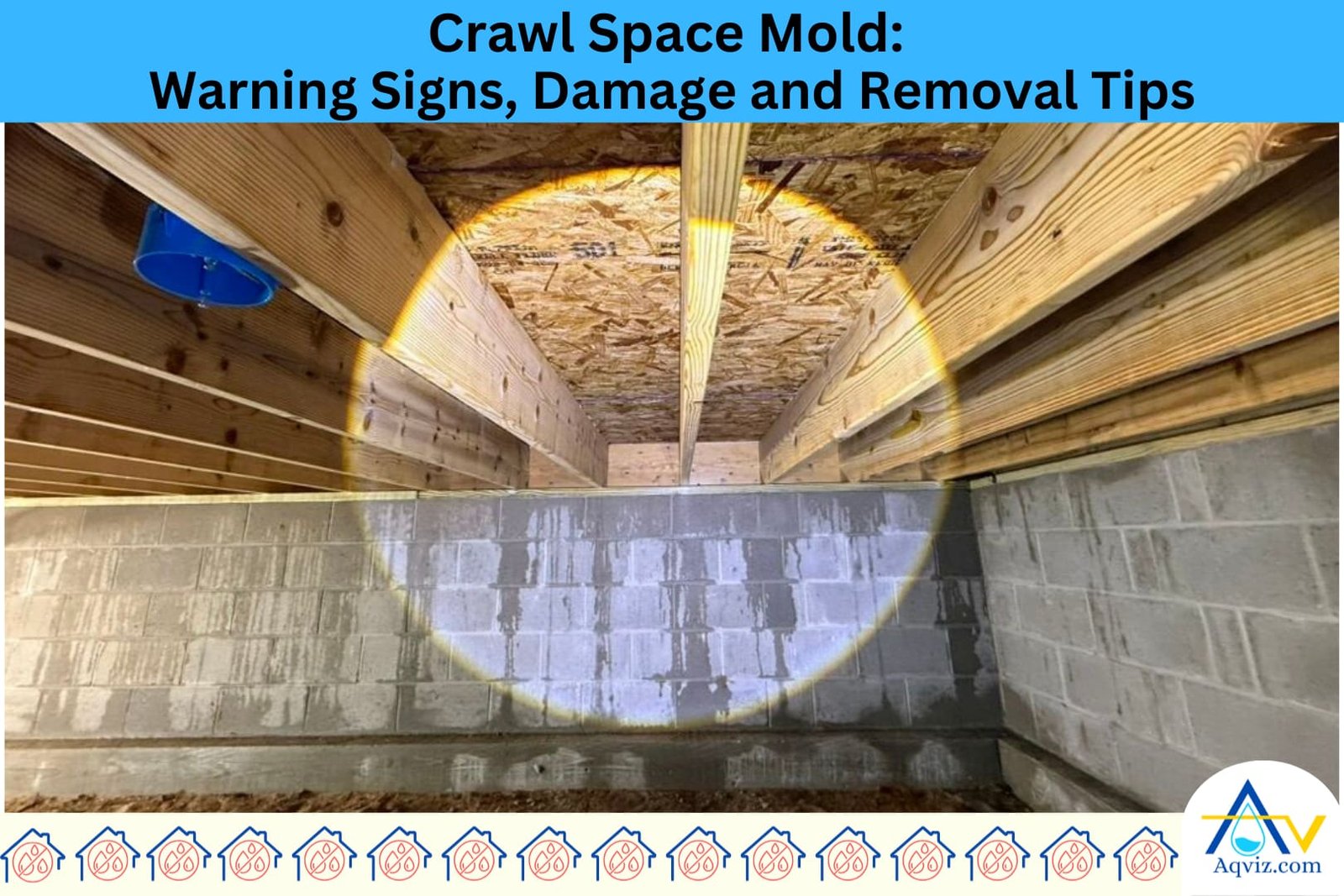
What are the 6 Types of Mold in Crawl Space?
There are 6 main types of molds in the crawl space. These mold types are categorized based on color. So these are the common 6 molds in the crawl space: white, black, green, yellow, grey, and brown mold. These can be identified by their color and the different organic components of the crawl space.
- White mold: White mold can be identified by its powdery or fuzzy appearance and chalk-like texture in the crawl space organic components. White mold can be found in crawl space wooden joists, floor beams, subfloor panels, and insulation facing where condensation frequently forms.
- Black mold: Black mold can be identified by its dark black or deep green coloration with a slimy or dry surface on moisture-damaged materials. Black mold can be found in crawl space sill plates, wall framing, subfloor edges, and areas affected by plumbing leaks or standing water.
- Green mold: Green mold can be identified by its green or greenish-brown color and velvety texture on damp organic surfaces. Green mold can be found in crawl space floor joists, wood posts, stored debris, and near vent openings where humid air enters.
- Yellow mold: Yellow mold can be identified by its yellow to mustard-colored growth with a spongy or dusty texture on persistently wet materials. Yellow mold can be found in crawl space soil surfaces, wooden members, and insulation materials exposed to long-term moisture.
- Gray mold: Gray mold can be identified by its gray or ash-colored patches with uneven spreading on aging materials. Gray mold can be found in crawl space subfloor undersides, corner framing, and low-airflow zones with moderate moisture.
- Brown mold: Brown mold can be identified by its brown or dark tan coloration and flaky appearance on decaying wood. Brown mold can be found in crawl space rotting joists, beams, and structural wood exposed to chronic water intrusion.
How to Identify Mold in the Crawl Space?
To identify the mold in the crawl space, can be done using these 5 signs can be used: musty odor in the home, discoloration on floor joists, warped wood and decaying frames, increasing allergy symptoms, and visible patches on the foundation blocks.
- Musty odor in the home: Crawl space mold releases microbial volatile organic compounds (mVOCs), causing a damp, earthy smell that seeps into living areas.
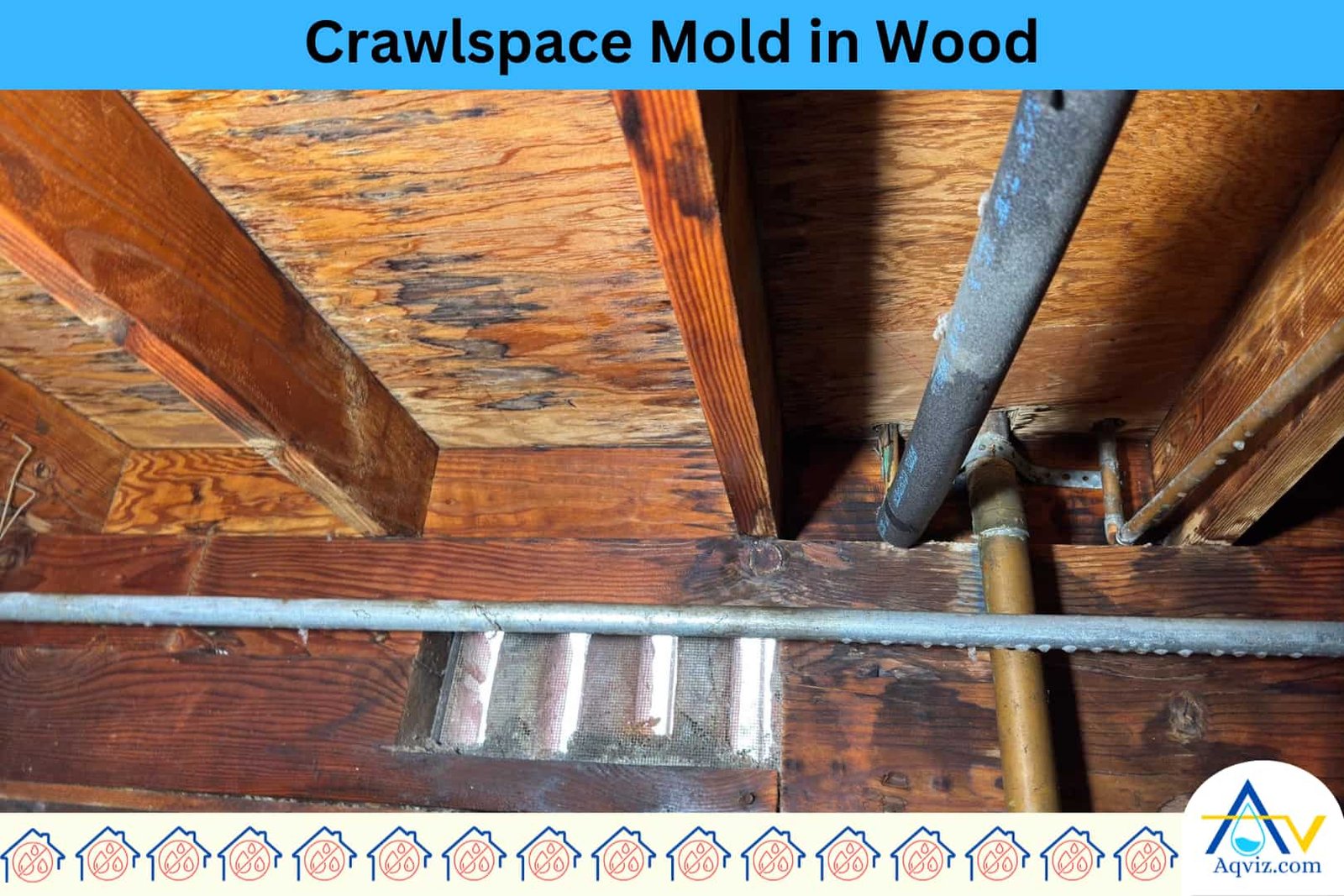
- Discoloration on floor joists or insulation: Black mold in the crawl space and thick white mold in the crawl space often appear as dark or fuzzy patches on wood, ductwork, or fiberglass.
- Warped wood or decayed framing: Mold retains moisture against materials, leading to softened or buckling floor supports.
- Increased allergy symptoms indoors: Mold in a crawl space makes you sick by triggering sneezing, coughing, or headaches when spores enter HVAC systems.
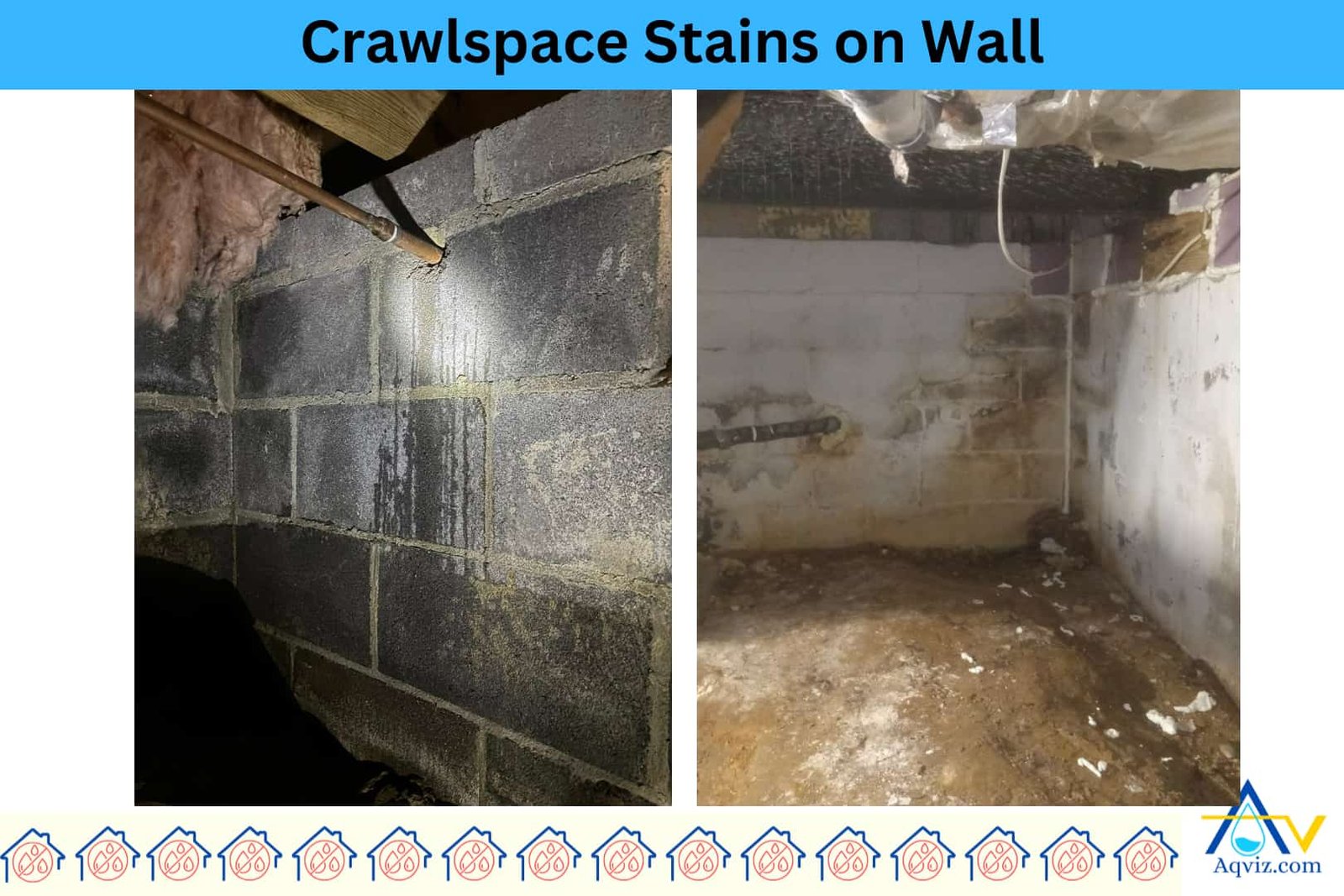
- Visible mold on foundation blocks: Mold on foundation blocks in the crawl space shows as speckled growth along concrete walls and often requires specialized mold and stain remover treatments.
How to Test for Mold in Crawl Space?
To test the mold in the crawl space more accurately, you can use DIY test kits. These are the most used 3 for crawl space mold: surface/tape lift kit, Air sampling kits, and gravity plates/petri dishes.
- Surface/Tape Lift Kit: A surface/tape lift kit is a method to collect mold samples directly from surfaces using sterile tape or swabs. When you use a surface lift kit, you have to press the tape or swab firmly onto the suspected mold area, seal it in a sample container, and send it to a lab for microscopic analysis. This method is highly effective and less likely to be done incorrectly. It is recommended for wooden joists, insulation, and subfloor panels in crawl spaces where visible mold is present.
- Air Sampling Kits: An air sampling kit uses Air-O-Cell cartridges connected to a pump to collect airborne mold spores over a known volume of air. When you use an air sampling kit, you have to position the pump in the crawl space, run it for the required time, and carefully seal the cartridge for laboratory analysis. This method is highly accurate and recommended for detecting hidden mold spores suspended in crawl space air that are not visible on surfaces.
- Gravity Plates/Petri Dishes: Gravity plates or Petri dishes are agar-filled dishes exposed to the air to capture settling spores naturally. When you use gravity plates, you have to leave the dish open in the crawl space for roughly one hour, then cover and send it to a lab for analysis. This method is simple and cost-effective, recommended for preliminary detection of airborne mold spores in crawl spaces.
What are the 6 Reasons for Crawl Space Mold?
Mold can grow in the crawl space due to these 6 reasons: poor ventilation, plumbing leaks, ground moisture seepage, higher humidity, standing water, and organic materials in the crawl space.
- Poor ventilation: A poorly ventilated crawl space causes mold due to no airflow, trapping humidity and allowing condensation to settle on wood and insulation.
- Plumbing leaks: Plumbing leaks in the crawl space saturate surrounding materials and fuel mold, especially in crawl spaces with untreated wood or dirt flooring.
- Ground moisture seepage: Ground moisture seepage increases dampness in the crawl space, which is the main factor of mold growth.
- High humidity levels: Higher humidity levels promote mold when it stays above 60% without a dehumidifier or proper drainage system in the crawl space.
- Flooding or standing water: Flooding or standing water in the crawl space accumulates water after heavy rain or sump pump failure. It causes mold to thrive in the crawl space.
- Organic material buildup: Organic materials like dust, dead insects, wood scraps, and insulation debris all provide food for mold types in crawl space environments.
How much Does it Cost to treat Mold in Crawl Space?
To treat mold in the crawl space, you have to spend USD 1,500-4,000 for the 1,000 ft² (93 m²) crawl space. The cost for crawl space mold treatment depends on the the accessbility of the area, amount of mold thriving, area of the crawl space, treatment materials, labor cost, and the condition of the crawl space.
- Cost for crawl space inspection: Crawl space mold inspection typically costs USD 150–500, depending on crawl space size, accessibility, and moisture testing requirements.
- Cost for 1,000 ft² crawl space mold removal: Mold removal for a 1,000 ft² (93 m²) crawl space usually ranges between USD 1,500-4,000.
- Cost for mold-removing materials: Material cost generally ranges between USD 300-1,200, depending on the treatment method. The most used mold treatment materials are Antimicrobial cleaners and biocides, HEPA filtration and containment materials, and sealants and wood treatment coatings
What are the 7 Damages of Crawl Space Mold?
Crawl space mold damages both human health and building conditions. So these are the 7 damages of crawl space mold for both humans and the structure.
- Structural wood rotting: Mold deteriorates subfloor joists, sill plates, and beams by breaking down cellulose, leading to sagging floors and structural instability in the crawlspace.
- Foundation block staining: Mold on foundation blocks in the crawl space leaves black, green, or white streaks that indicate trapped moisture and potential efflorescence.
- Insulation damage: Moldy insulation loses R-value, absorbs moisture, and becomes a breeding ground for mildew and bacteria in the crawl space.
- Ductwork contamination: Mold spores infiltrate HVAC systems, reducing indoor air quality and circulating allergens throughout the home.
- Respiratory health issues: Mold in a crawl space makes you sick by aggravating asthma, allergies, and chronic sinus infections.
- Pest infestation: Damp, moldy crawl spaces attract termites, cockroaches, and rodents, compounding the damage.
- Reduce the property value: Homes with visible black mold in the crawl space often appraise lower due to the cost of mold remediation and health concerns for potential buyers.
How to Clean Crawl Space Mold?
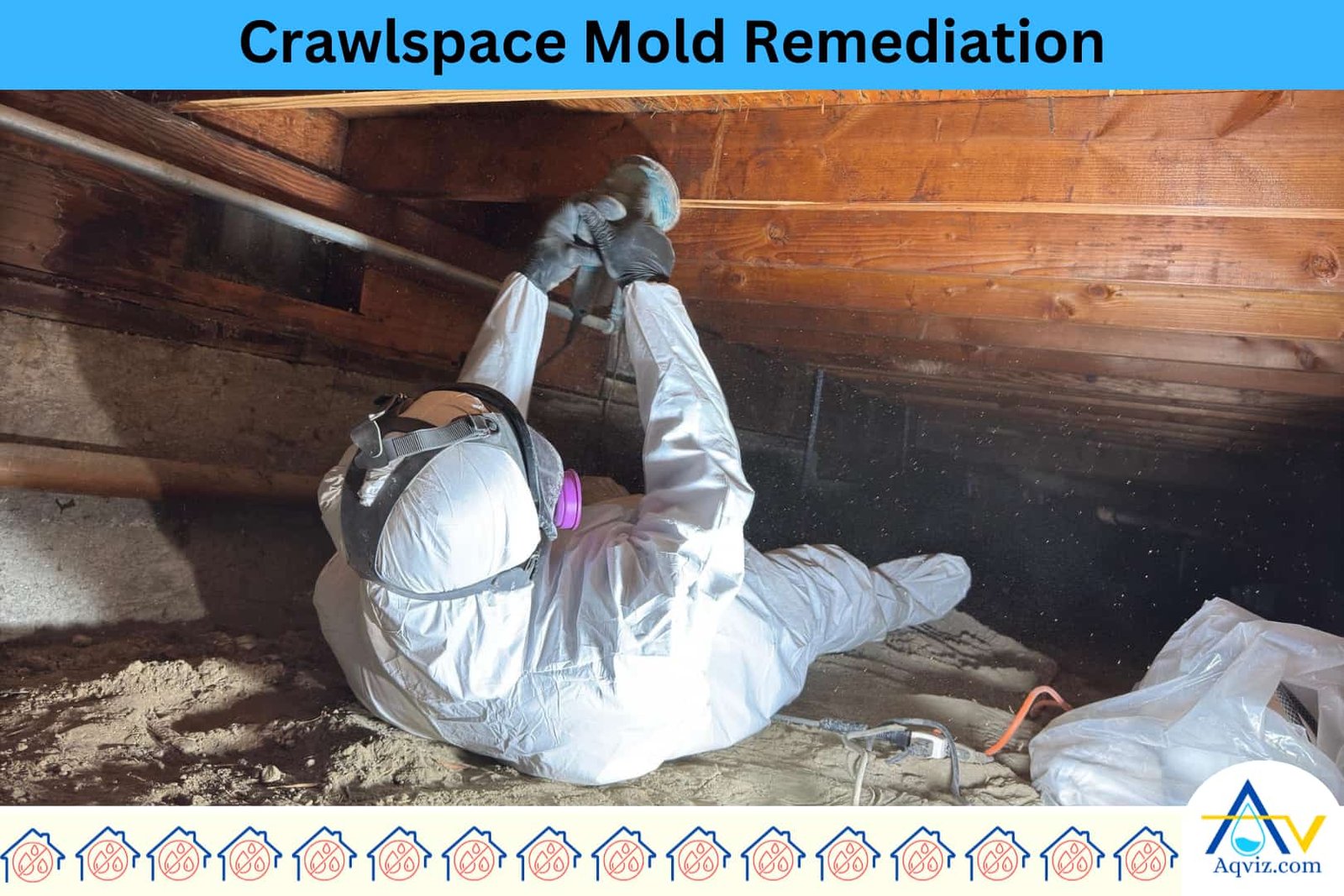
To clean the crawl space mold, you should follow the below 7 step by step guide. Aqviz experts use these 7 steps when removing the mold growth in the crawl space.
- Inspect and identify mold types: Determine the extent of contamination and mold types in the crawl space using visual cues and moisture meters.
- Wear proper safety gear: Always use gloves, N95 respirators, and coveralls to protect against airborne spores and chemical exposure.
- Dry the crawl space thoroughly: Use crawl space exhaust fans and dehumidifiers to bring the humidity below 50% RH before cleaning the crawl space.
- Remove contaminated insulation and debris: Discard moldy fiberglass, vapor barriers, and organic materials that can’t be restored in the crawl space.
- Apply mold and stain remover: Use professional-grade solutions like liquid zinc, sulfur for crawl space mold, or enzymatic cleaners on joists, subfloors, and block walls for crawl space mold.
- Scrub or sand affected surfaces: Use wire brushes or sanding tools to physically remove embedded spores in wood in the crawl space.
- Apply fungicidal sealant: Seal treated surfaces with anti-mold coating to prevent regrowth and improve resistance to moisture in the crawl space.
How to Mitigate Mold in Crawl Space?
To mitigate the mold in the crawl space, you should follow these 5 steps. These 5 steps help you to reduce the mold growth and control it properly without damaging the structure and its functionality.
- Waterproof the crawl space: Seal foundation walls, apply vapor barriers, and install interior French drains or sump pumps to prevent ground moisture and water seepage in the crawl space. Without waterproofing, mold treatment for dirt in the crawl space or foundation blocks won’t last.
- Use mold and stain remover: DIY homeowners can apply commercial-grade products such as liquid zinc or botanical solutions to treat mold on wood, blocks, and insulation surfaces in the crawl space.
- Install a crawl space dehumidifier: Maintain relative humidity below 50% using a high-capacity dehumidifier to stop mold spores from regenerating in humid conditions in the crawl space.
- Treat surfaces with UV light or sulfur: Professionals use a UV lamp for moldy crawl space and sulfur for crawl space mold to kill spores at the molecular level without harmful residues.
- Hire professional mold remediation experts: For thick white mold in crawl space or black mold colonies, certified crews like Aqviz perform advanced crawl space mold remediation, including media blasting, sealing, and post-treatment testing.
What are the 5 Reasons for Crawl Space Flooding?
The 5 reasons for the crawl space flooding are,
- Improper exterior grading
- Broken or leaking plumbing lines
- Clogged or missing gutter downspouts
- High groundwater table without a sump system
- Cracks or gaps in the foundation walls and footings
How to Reduce Mold in DIY?
Reducing crawl space mold through DIY methods requires consistent moisture control and cleaning efforts. You can follow these 5 ways to reduce mold in DIY.
- Install a vapor barrier in the crawl space
- Improve drainage around the foundation
- Fix plumbing leaks near the crawl space
- Increase crawl space ventilation
- Clean crawl space mold spots with appropriate removers
Will Ozone Kill Mold in a Crawl Space?
Yes, Ozone can kill some surface mold spores in a crawl space, but it is not a reliable or complete solution for crawl space mold removal. At Aqviz, we have found that while ozone generators may temporarily reduce airborne mold spores, they cannot reach mold growing deep within wood, insulation, or foundation materials. Mold colonies embedded in these surfaces require physical removal and chemical treatment to fully eradicate.