
Crawl Space Fans: Before Installation Guide

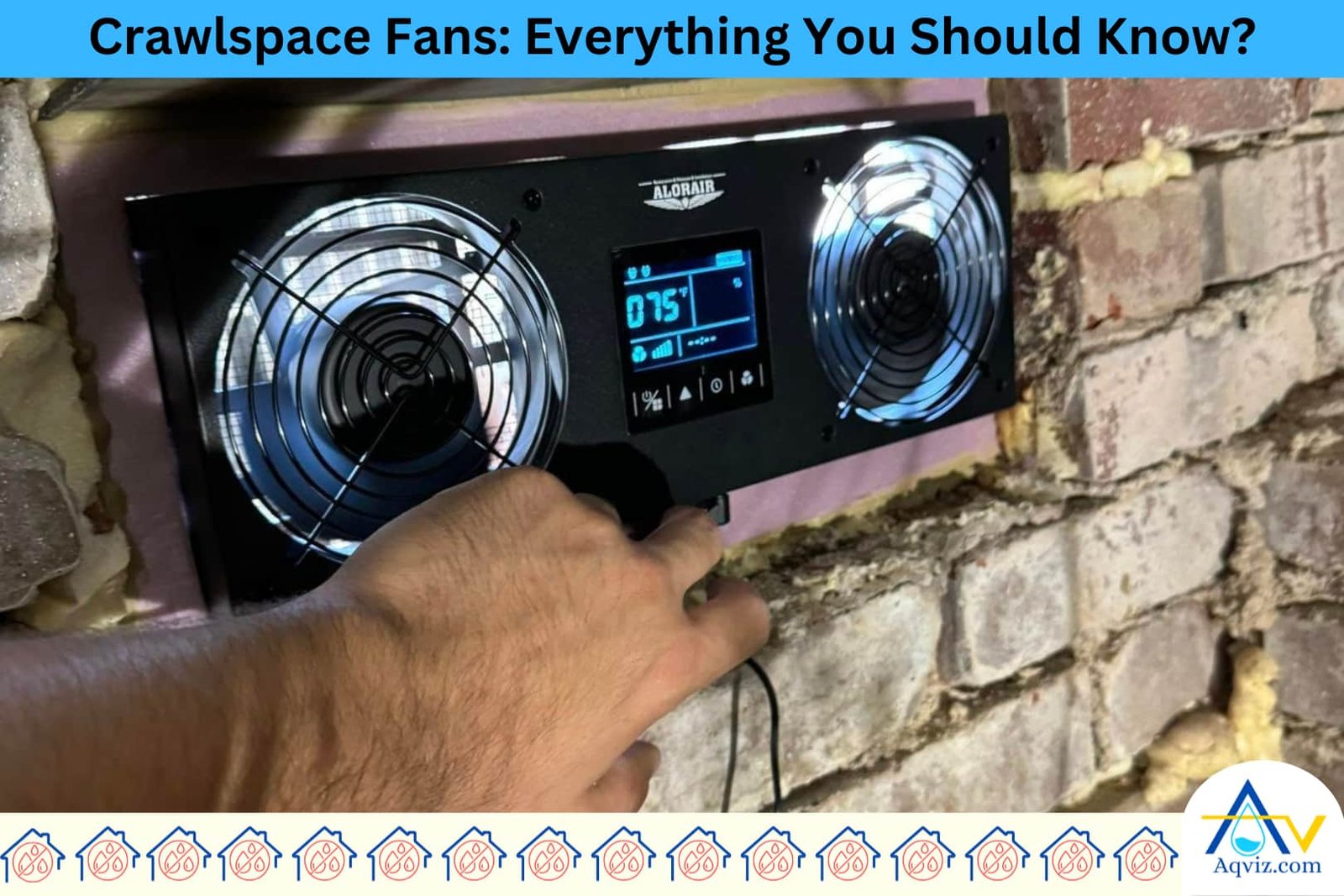
A crawl space fan is a mechanical ventilation unit designed to circulate air through the void space below the building. The main purpose of a crawl space fan is to ventilate the air in the void space below the building, preventing excessive moisture buildup that leads to structural damage and unhealthy conditions.
Crawl space fans are mainly of 5 types. CFM in a crawl space fan is the measurement of how much air a crawl space fan can move in one minute. The ideal CFM for the crawl space fan is 70 to 250 CFM for the residential crawl space. You can calculate the CFM of the fan using the crawl space dimension and air changes per hour.
Crawl space fans are available in different materials; among them, stainless steel crawl space fans are the best. You will need 15-90 watts of electrical power and 110-120 volts to operate the crawl space fan properly. And also, crawl space fans should power on according to the outdoor humidity levels and temperatures.
We highly recommend that you to place the crawl space fan to promote effective cross ventilation within the void space below the building. The number of crawl space fans depends on the floor area and layout of the subfloor space.
You should know that crawl space fans are not fully waterproof. But they are moisture or weather resistant. Crawl space fans are essential even if the area is waterproofed and a dehumidifier is installed. Otherwise, it may cause severe water problems and damage to the crawl space. Aqviz experts always recommend that you buy a proper, and quality rated crawl space fan for efficient ventilation in the subfloor.
What is a Crawl Space Fan?
A crawl space fan is a mechanical ventilation unit designed to circulate air through the void space below the building. crawl space fan draws in fresh outdoor air and exhausts stale, moist air, helping to maintain dry and healthy conditions inside the crawl space. These fans are especially beneficial in areas with high humidity or limited natural airflow.
The main purpose of a crawl space fan is to ventilate the air in the void space below the building, preventing excessive moisture buildup that leads to structural damage and unhealthy conditions. By moving air in and out, it maintains a balanced humidity level inside the crawl space.
There are the 5 advantages of using a fan in the crawl space
- Crawl space fan controls the moisture buildup and prevents dampness in the crawl space.
- Crawl space fan reduces mold and mildew growth by improving air circulation.
- Crawl space fan prevents wood rot in joists and beams by keeping the structure dry.
- Crawl space fan improves indoor air quality by ventilating stale and musty air.
- Crawl space fan discourages pests in the subfloor area by creating an unfriendly environment.
Read More About: Crawl Space Waterproofing: Everything You Should Know
What are the Types of Crawl Space Fans?
There are five main crawl space fan types, each designed for different ventilation needs and space conditions.
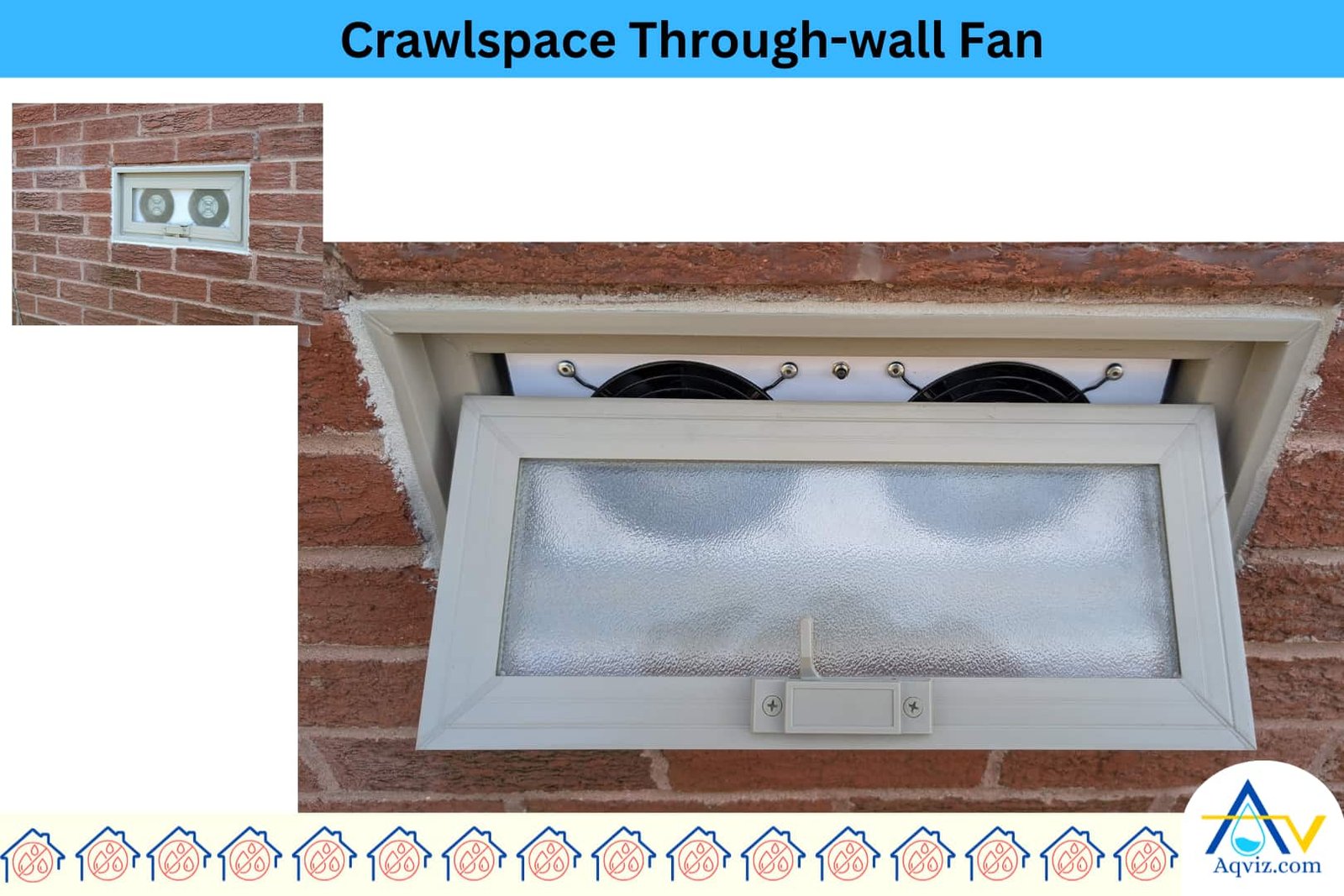
- Through-wall fans: Through wall fans are installed in the foundation wall to move air directly outside. They are ideal for small to medium crawl spaces with easy wall access.
- Inline duct fans: Inline duct fans are connected to ducts for air movement over longer distances in the crawl space. Inline duct fans are suitable for large or complex crawl spaces with multiple zones.
- Floor vent fans: Floor vent fans are installed into floor grilles above the crawl space. Floor vent fans are best for homes needing upward airflow into living spaces.
- Exhaust fans: Exhaust fans pull air out from the crawl space to reduce humidity quickly. Exhaust fans work well in high-moisture environments crawl spaces.
- Supply fans: Supply fans push fresh air into the crawl space. Supply fans are effective in dry climates crawl space to create positive pressure.
What is the CFM in Crawl Space Fan?
The CFM(Cubic Feet per Minute) in a crawl space fan is the measurement of how much air a crawl space fan can move in one minute. It indicates the fan’s airflow capacity and helps determine its effectiveness in ventilating a subfloor area. A higher CFM means more air is exchanged, which is crucial for moisture and odor control in the crawl space.
CFM ratings come from laboratory testing under standardized conditions during manufacturing. The ideal CFM depends on crawl space size and conditions. Aqviz experts highly recommend a fan rated between 70 and 250 CFM for most residential crawl spaces. And also larger or damp crawl spaces may require fans with 300+ CFM capacity.
How to Calculate the CFM in a Crawl Space Fan?
To calculate the required CFM (Cubic Feet per Minute) for a crawl space fan, you need to determine the crawl space volume and desired air changes per hour (ACH). The standard recommendation is 3 to 5 ACH for most residential underfloor spaces.
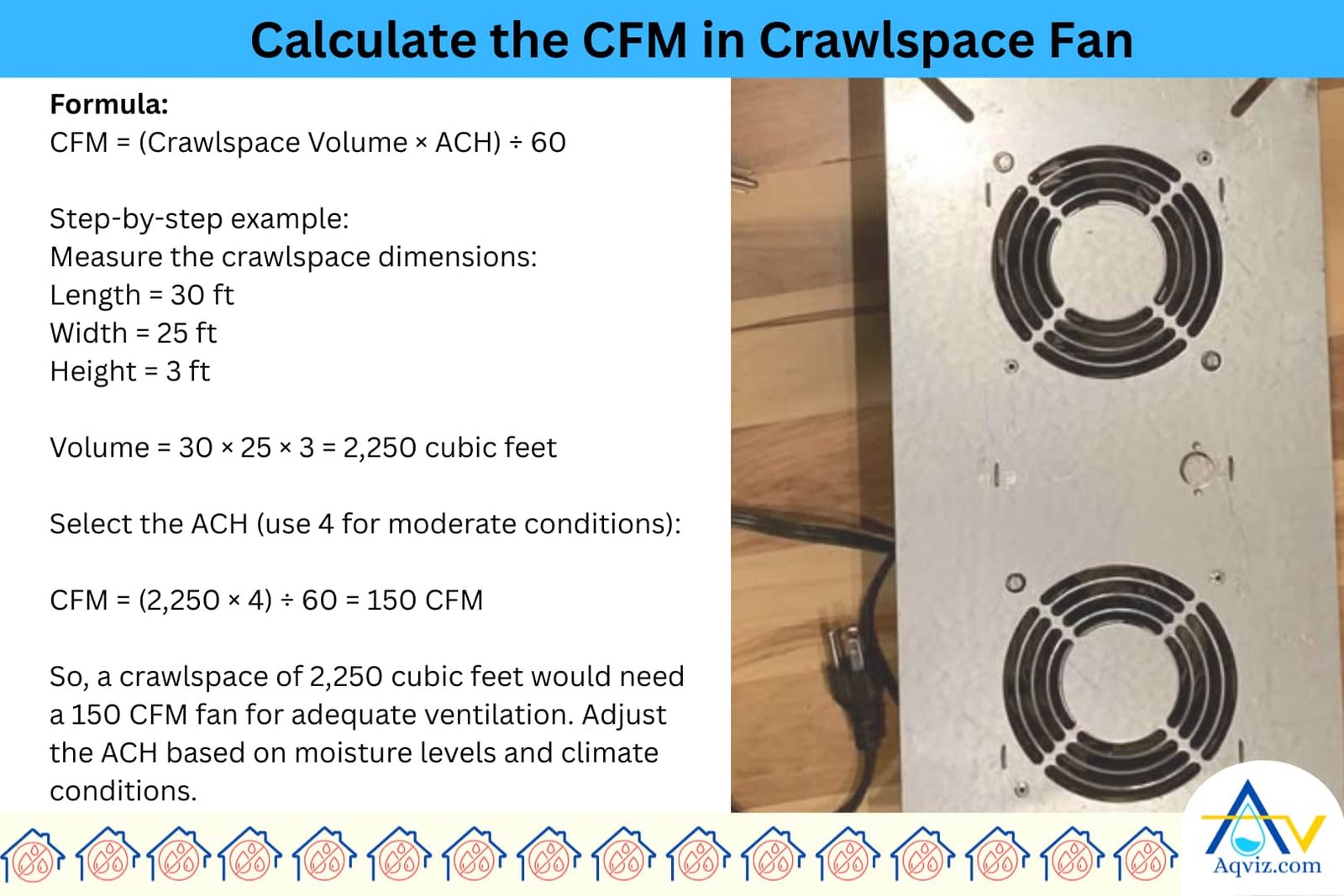
Formula:
CFM = (Crawl space Volume × ACH) ÷ 60
Step-by-step example:
Measure the crawl space dimensions:
- Length = 30 ft
- Width = 25 ft
- Height = 3 ft
Volume = 30 × 25 × 3 = 2,250 cubic feet
Select the ACH (use 4 for moderate conditions):
CFM = (2,250 × 4) ÷ 60 = 150 CFM
So, a crawl space of 2,250 cubic feet would need a 150 CFM fan for adequate ventilation. Adjust the ACH based on moisture levels and climate conditions.
What Fan Material is Good for Crawl Space?
Crawl space fans are made from various materials, including galvanized steel, aluminum, ABS plastic, polypropylene, and stainless steel. Each material has different resistance levels to moisture, humidity, and environmental exposure.
When exposed to dampness and high humidity in the crawl space, galvanized steel fans may corrode over time unless coated. Aluminum crawl space fans resist rust but can oxidize and weaken. ABS plastic and polypropylene crawl space fans are lightweight and resist moisture, but can degrade under prolonged UV exposure if used near vents. Stainless steel crawl space fan offers the best resistance to rust, corrosion, and both UV and humidity, but tends to be more expensive.
For long-term performance in humid, enclosed foundation voids, Aqviz experts recommend using stainless steel fans. Stainless steel crawl space fans withstand the moisture and temperature swings found in most crawl spaces, making them the most durable and maintenance-free option.
How Much Power Does a Crawl Space Fan Need?
A crawl space fan consumes between 15 to 90 watts of electrical energy during its operation, but it depends on the fan size, motor efficiency, and airflow (CFM). And also, crawl space fans run on 110-120 volts AC in residential setups.
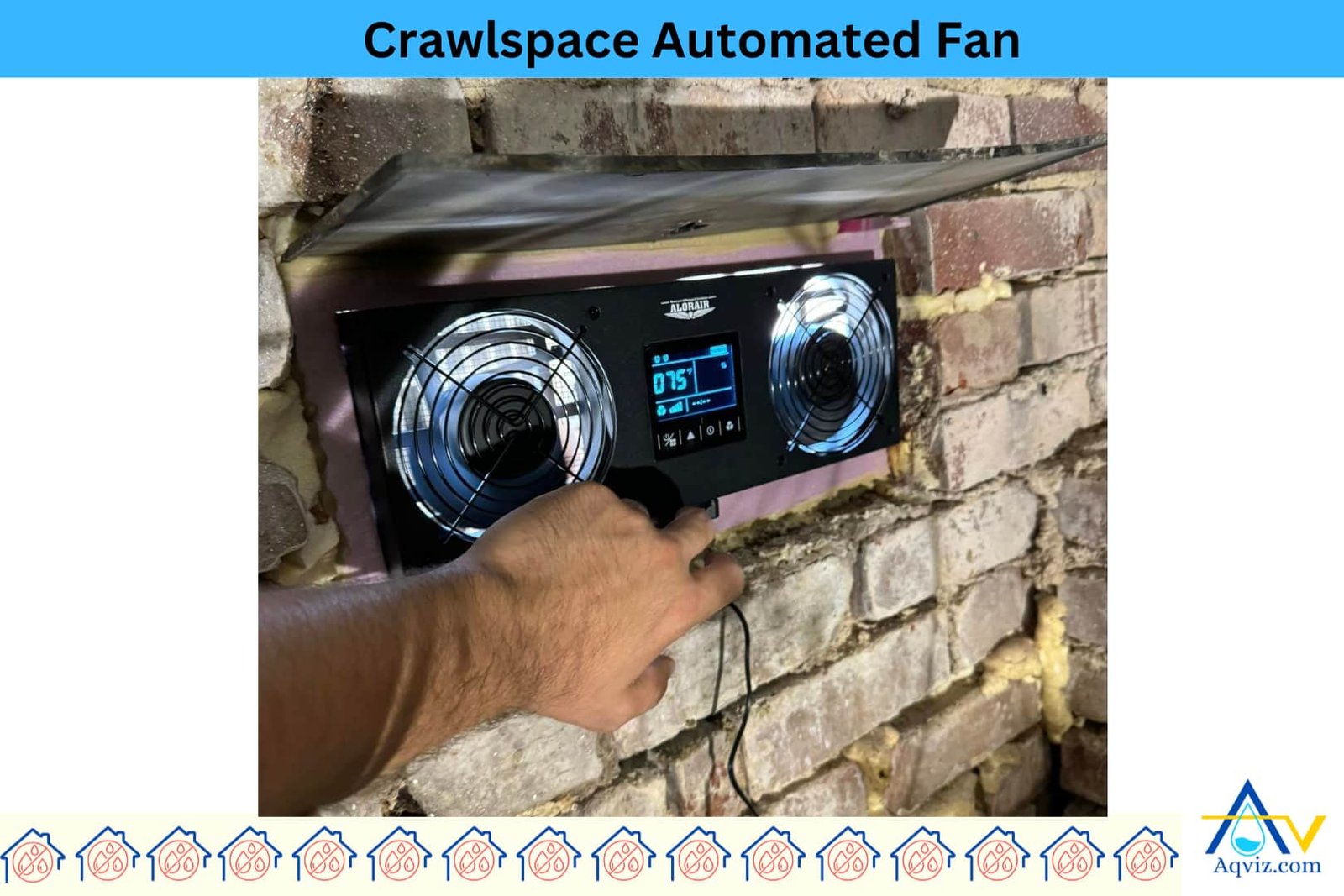
To use crawl space fans efficiently, choose models with energy-efficient motors (like brushless DC motors), and install humidity or timer controls to avoid continuous operation. Sealing air leaks and insulating the subfloor area also reduces fan runtime. Using fans with a built-in thermostat or smart controller can further reduce power usage by activating only when necessary. Matching the correct CFM to the crawl space size avoids oversizing, which saves energy without sacrificing ventilation performance.
When to Power on the Crawl Space Fan?
Crawl space fans should be powered on primarily during the spring, summer, and early fall, when outdoor humidity levels and temperatures rise. During these seasons, excess moisture builds up in the underfloor space due to ground evaporation, condensation, and poor air circulation. Running fans in the crawl space helps to remove humid air, reduce mold growth, and prevent structural damage.
In winter, crawl space fans should be turned off or used minimally, especially in cold climates. Ventilating during cold weather can introduce cold, damp air that leads to frozen pipes, heat loss, and energy inefficiency in the crawl space. If using fans year-round, install a humidity sensor or thermostat controller to automatically regulate operation based on environmental conditions.
Where to Place a Crawl Space Fan?
Crawl space fans should be placed to promote effective cross-ventilation within the void space below the building. The ideal setup includes installing one fan on one side to draw in fresh air and another on the opposite side to exhaust stale air. This setup ensures airflow across the entire subfloor area.
Fans can be mounted on foundation walls, vent openings, or between support piers, depending on the crawl space layout. In long or divided crawl spaces, place multiple fans at opposite ends to overcome airflow blockage. Avoid placing fans near plumbing lines or electrical boxes to prevent moisture-laden air from condensing in these sensitive zones. Always install fans at least 6-12 inches above ground level to avoid pulling in debris or standing water.
How many Fans do I need for the Crawl Space?
The number of crawl space fans needed depends on the floor area and layout of the subfloor space. As a general rule, one fan with 100-150 CFM capacity is sufficient for every 1,000 to 1,500 square feet of crawl space, assuming a typical height of 3 feet and moderate humidity conditions.
For example, if your crawl space is 2,000 square feet, you’ll likely need two fans, each rated around 150 CFM, or one larger fan with at least 300 CFM. In long or segmented crawl spaces, place multiple fans at opposite ends to promote cross ventilation. Use more fans if the area has high moisture, poor air movement, or blocked zones. Proper fan placement is just as important as quantity to ensure even airflow throughout the entire space.
Is Crawl Space Fan Waterproof?
Crawl space fans are not fully waterproof but are typically moisture-resistant or weather-resistant, depending on their design and material. Most quality crawl space fan models come with sealed motors, corrosion-resistant housings, and IP-rated electrical components to handle the damp and humid environment inside the foundation void.
However, direct exposure to standing water, flooding, or continuous dripping can damage crawl space fan components over time. For wet crawl spaces, choose fans rated for high-humidity applications or with IPX4 or higher protection. Always install fans above ground level and away from water-prone areas to prevent moisture damage and ensure safe, long-term operation.
What if there is no Crawl Space Fan?
Without a crawl space fan, stagnant air and moisture accumulate in the void space below the building, leading to several serious problems over time.
These 5 problems occur when there is no crawl space fan.
- Moisture buildup increases humidity levels, promoting damp conditions in the crawl space.
- Mold and mildew growth spreads across wooden beams, insulation, and joists in the crawl space.
- Wood rot weakens structural framing, especially in long-term dampness in the crawl space.
- Musty odors rise in the crawl space, and they affect indoor air quality.
- Pest infestations in the crawl space.
Read More About:
- Crawl Space Mold: Warning Signs, Damage and Removal Tips
- Crawl Space Flooding: Causes, Warning Signs and How to Fix
- Bathroom Exhaust Fan: What to Know About?
Do you need a Dehumidifier with a Crawl Space Fan?
Yes, a dehumidifier is often needed with a crawl space fan. Especially in crawl space areas with high humidity, poor drainage, or limited airflow. While crawl space fans help move air and reduce surface moisture, they may not be enough to lower relative humidity below 60%, which is the safe threshold to prevent mold, mildew, and rot.
Does a Crawl Space Fan Need for a Waterproof Crawl Space?
Yes, a crawl space fan is still needed in a waterproofed crawl space to manage crawl space humidity and maintain healthy air circulation. Waterproofing prevents liquid water intrusion through walls, floors, and seams, but it doesn’t eliminate moisture from soil evaporation, internal plumbing leaks, or condensation.