
Your heating and cooling systems depend on routine maintenance to perform effectively and keep your home comfortable. Faulty components and natural wear cause your system to break down, and this may necessitate repairs. Understanding what goes into HVAC repair allows you to have realistic expectations and keep your system functioning. Below are some frequently asked questions about HVAC repair:
When Is Repair Needed?
Knowing the indicators of a malfunctioning HVAC will help you identify when repairs are needed. A properly working HVAC system usually operates quietly, so unusual noises could indicate an underlying problem. Asking an experienced HVAC technician to perform regular maintenance checks on your system helps detect system issues.
Weak airflow in your home is also a sign that HVAC repair may be needed. If you notice that some rooms in your house are not cooling or heating properly, hire a specialist to check if there is an obstruction or issue with the system’s air ducts. Unusual smells emanating from the vents may also indicate that the system isn’t operating properly. Constant spikes in your energy bills without an explanation are sometimes due to an inefficient HVAC system. Repairing your system may improve energy efficiency and support your home’s performance.
Should I Repair or Replace?
The decision to repair or replace your HVAC system depends on the severity and frequency of issues. Engaging an expert technician will help you make this decision by allowing them to examine the system’s current condition and provide a professional opinion. Here are a few aspects that may indicate it is time to replace your HVAC system:
- There are constant breakdowns and expensive repairs
- Humidity levels fluctuate frequently
- The system is more than 10 years old
What Happens During Repairs?
Before deciding to repair your HVAC system, understand what happens during the repair process. When you contact a professional technician, they will come to your home and diagnose the issue with your HVAC system. They may then provide you with an estimate of needed repairs and schedule a time to complete the work. Completing an evaluation allows them to find and diagnose issues; this includes refrigerant leaks and electrical issues.
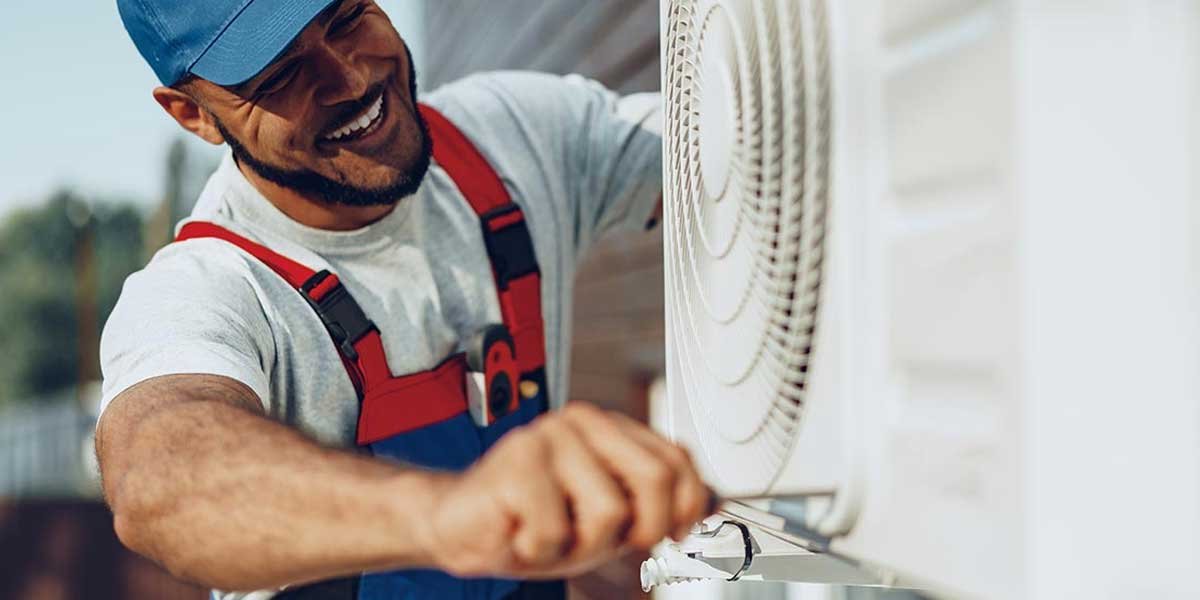
During the repair, the technician uses specialized tools and equipment to fix malfunctioning components of your HVAC system; they may replace parts such as motors, fans, or electrical connections. The technician cleans other parts of the system to support its proper function. After the repair is complete, the technician should test the system to verify it is working correctly. The technician will verify proper temperature control and airflow and confirm that no odors are present.
How Long Do Repairs Take?
The availability of parts helps speed up repairs, while multiple system issues can extend the repair process. Some HVAC repair companies keep parts for major brands on hand, so they are able to perform prompt repairs. If the repair requires ordering a specific part, the time frame may also be extended. Consult with the technician to determine an estimated timeline for repairs and prepare accordingly. To contribute to a timely repair process, make your home accessible and provide any necessary information to the technician beforehand. This can include model numbers, previous repair history, or specific symptoms that you have noticed.
Seek Professional HVAC Repair
Working with a licensed and experienced HVAC technician helps reduce the possibility of further damage, and it supports proper and efficient repairs. It also allows you to have prompt service, as a professional can quickly diagnose the issue and make necessary repairs. Your HVAC repair helps improve your system’s functionality and efficiency. Contact a reputable HVAC company for routine maintenance and unexpected repairs.