
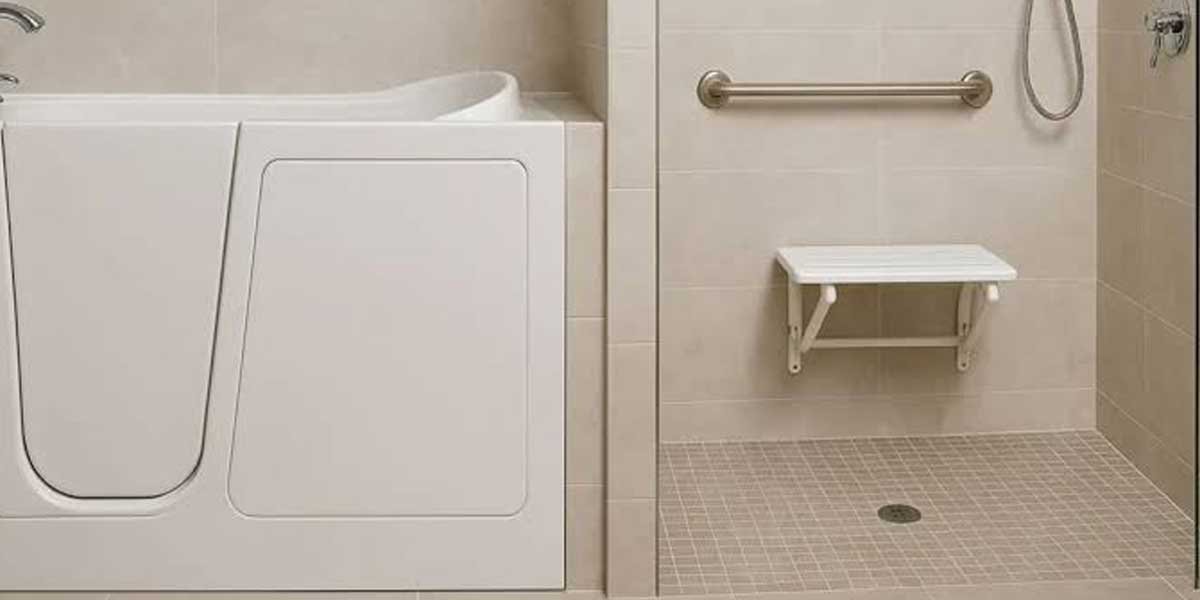

Choosing a walk-in shower vs tub shower comes down to who uses the bathroom and how: a walk-in shower suits someone who can stand, wants to save space, and favors an easy-clean modern look, while a tub suits someone who wants to soak or sit to bathe, needs the safety features of a low entry and grab bars, or has small children, and a walk-in tub adds hydrotherapy and seated comfort, per the walk-in bath vs walk-in shower guide from KOHLER. There is no single winner, so weigh the usability, the safety, the space, the upkeep, the cost, and the resale, and pick what fits your family.
Below is the side-by-side decision, what each does best, and the honest call between a shower, a tub, and the combo.
Walk-in shower vs tub shower: the side-by-side decision
Compare a walk-in shower and a tub by the usability, the safety, the space, the upkeep, the cost, and the resale, and let the table point the way for your family, since the right choice depends on who uses the room. The decision table lines up the trade-offs and who each one suits.
| Factor | Walk-in shower | Tub (with shower) | Who it suits |
|---|---|---|---|
| Entry and safety | Low step-in, easy | Low step-in tub or higher edge | Toward the shower for easy entry |
| Space | Saves floor space | Takes more room | Shower for small baths |
| Upkeep | Easy to clean | More surface, grout and fixtures | Toward the shower |
| Soak or seated bath | No, it is a shower | Yes, soak or sit | Tub for soak, kids, aging sit |
| Cost | Varies, often mid | Varies by materials | Get a local quote |
| Resale | Fine if a tub is elsewhere | Holds a useful tub for buyers | Keep at least one tub |
The table is the honest spread. A walk-in shower wins on easy entry, space, and upkeep, so it suits a smaller bathroom and someone who stands comfortably, while a tub offers the soak, a place to sit to the user, the children, and the warm hydrotherapy of a walk-in tub, so it suits a family that bathes or uses water for more than a fast shower. The cost varies by the materials and the install, and the resale turns on whether the home keeps at least one tub for the buyers, so weigh the user, the room, and the rest of the house together rather than chasing one winner.
What a walk-in shower does best
Choose a walk-in shower when easy entry, a smaller footprint, and simple upkeep matter most, since it opens the space, cleans quickly, and takes less of the room, and it suits the person who can stand comfortably to bathe. The walk-in shower is the modern, accessible pick for the main room.
The walk-in shower brings a low step-in that eases entry, a range of showerheads and design options to suit a modern look, and accessories for the storage and the safety, and it frees the floor space a tub would take, so a smaller bathroom opens up. It cleans up fast, you wipe the tile and the glass with no tub walls and no rim to scrub, and it is a natural fit for a main bathroom where a person stands to wash. It suits the household that mostly showers and wants the room to feel larger and simpler, and where the resale is fine as long as a usable tub sits in another bath. If standing is comfortable and daily showers beat long soaks, the walk-in shower is the honest answer.
What a tub does best
Choose a tub when a soak, a place to sit, hydrotherapy, or the children call for it, since a tub holds warm water and a seated bather and gives a child a bath, and it brings the safety of a low entry and grab bars to the user who needs them. It is the comfort and the family choice.
A tub with a shower gives the best of a bath and a daily shower in one, and a walk-in tub steps it up with a low entry for easy access, safety additions like grab bars, and hydrotherapy and comfort for a seated, independent soak. It suits the household that enjoys a soak, the older user who wants to sit to bathe or is preparing to age in place, and a home with small children who need a bath, and a walk-in tub’s seated design helps someone bathe independently and stay in their home longer. The tub takes more room and more upkeep than a bare shower, but the warm water, the safety, and the family use are what the shower cannot give. When a soak, a seated bath, or the kids are part of the routine, the tub is the pick.
The resale and aging trade-offs
Keep one truth in mind for the resale and the later years: home experts generally advise keeping at least one tub in a home, since many buyers with children expect one, while a walk-in shower in the main bath appeals when a usable tub sits in another. The aging-in-place choice turns on standing versus seated bathing.
The trade-offs are practical. Real-estate guidance in the trade press notes that many home experts recommend a home keep at least one bathtub to support the resale, so if the guest or the second bath already has a tub, a walk-in shower in the main bedroom can appeal to the buyers, while a home with no usable tub anywhere may narrow the buyer pool. For aging in place, a walk-in tub with its low entry, grab bars, seated bath, and hydrotherapy helps keep independence and comfort, while a walk-in shower suits someone who can still stand and wants the easy entry. Match the choice to the rest of the house and the plan for the coming years, a walk-in shower where the tub lives elsewhere, and a walk-in tub where seated safety is the goal.
The compromise and the call
When a household wants both, a tub-and-shower combo answers it, and whatever you choose, hand the waterproofing, the plumbing, the electrical, and the permit to a licensed professional, so the water stays where it belongs. Weight the family and the house, then build it right.
The call is honest. If the household splits between showers and soaks, a tub with a shower, or a walk-in tub with a shower package, gives both in one footprint, which suits a single bath that must do everything, and it is worth pricing against a walk-in shower before you decide. Whatever you install, the waterproofing behind the tile and under the pan, any move of the drainage or the supply line, the electrical and the outlet rules for the wet area, the venting, and the permit your local code wants are a licensed professional’s work, and the walk-in shower cost guide prices the option you lean toward. Pick by the user, the space, and the rest of the house, then let the pro build the water side sound.
Frequently asked questions
What are the disadvantages of a walk-in tub with shower? A walk-in tub with a shower takes more room and upkeep than a bare shower, costs more to install, and you shower inside a higher-walled tub, so it suits the user who needs the soak or the seated safety. A combo can bridge the two.
What is the new trend for walk-in showers? The modern walk-in shower trends to a curbless, easy-access floor, large-format tile, frameless glass, and multiple showerheads and a bench, which look spare and clean and ease entry. It suits a main bath where a usable tub sits elsewhere.
Do walk-in showers decrease home value? A walk-in shower does not lower the value if the home keeps at least one usable tub, since many buyers with children expect one, so a walk-in shower in the main bath is fine when a tub sits in another. A home with no tub at all may narrow the buyer pool.
Is a walk-in tub better for seniors than a walk-in shower? A walk-in tub is often better for a senior who cannot stand long or wants to sit to bathe, with its low entry, grab bars, and seated bath, while a walk-in shower suits a senior who can still stand and wants the easy entry. Match it to the user’s balance and comfort.
Which uses less water, a shower or a tub? A normal-length shower generally uses less water than filling a tub, so a household that mostly showers and wants to save water leans toward the walk-in shower, while the tub earns its water in a soak or a child’s bath. The choice is the routine, not the water alone.
Let the user, the space, and the rest of the house decide
Judge a walk-in shower vs tub shower by the user, the space, and the rest of the house: a walk-in shower suits the person who stands and wants the easy entry and the open room, a tub suits the soak, the seated bath, the children, and the senior who wants the safety, and a combo bridges a household that wants both. Keep at least one usable tub in the home for the resale, put the walk-in shower where the tub lives elsewhere, and lean on a walk-in tub for the seated, independent aging-in-place bath, and hand the waterproofing, the plumbing, the electrical, the venting, and the permit to a licensed professional. There is no single winner, only the right match for your family, and the one you can live with and sell is the one to build.