
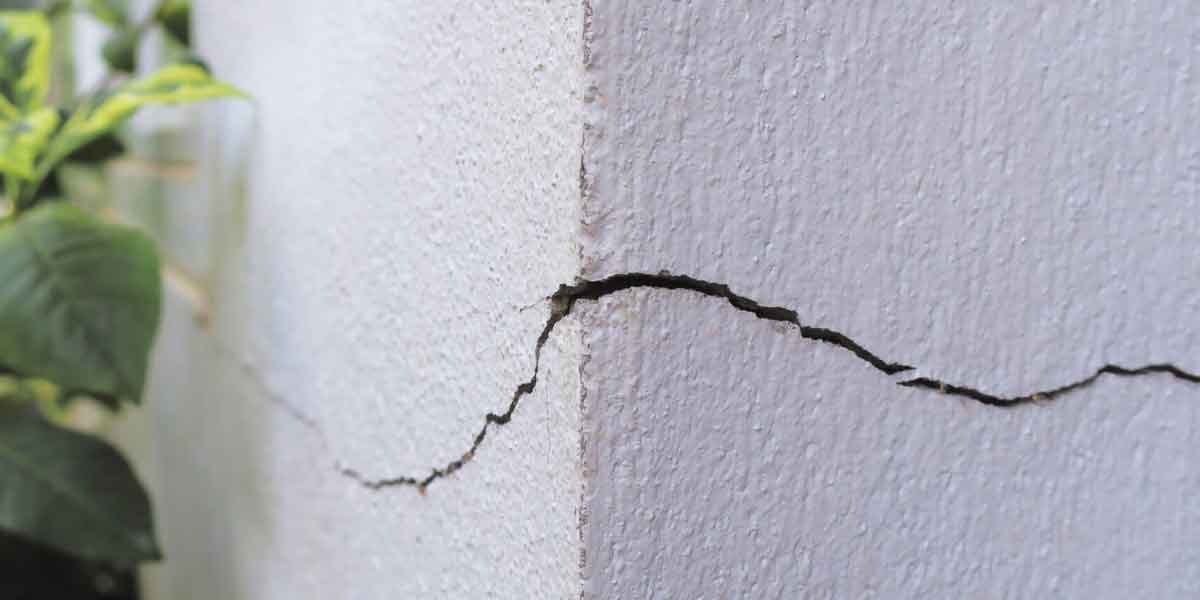

Foundation repair cost in the United States usually lands between $2,035 and $8,134, and a typical project settles near $5,000.
That spread is real, and it is not a price list. Your number gets decided at the diagnosis stage, by how many piers a wall needs, how deep they go, and how much deck, porch, or landscaping has to come apart to reach the footing. Two contractors can inspect the same wall, agree on the damage, and still hand you bids that cannot be compared to each other.
Split the work into three buckets before signing anything: the diagnosis, the structural repair, and the restoration around it. Most homeowners only ever get a number for the middle one.
What foundation repair cost runs nationwide
Foundation repair cost typically lands between $2,035 and $8,134, with a standard project near $5,000. Published averages disagree with each other because they sample different work: homeowner requests, completed projects, and severity-banded estimates are not the same population of houses.
The four cost studies homeowners run into most often are laid out below. None of them is wrong. They are counting different properties.
| Source | Typical project | Reported range | What the sample covers |
|---|---|---|---|
| Thumbtack booking data | $3,843 | $2,035 to $7,329 | Homeowner requests on the platform, with extremes of $764 and $18,352 |
| Angi 2026 cost study | $5,174 | $2,225 to $8,133 | Completed jobs across slab, cinder block, pier and beam, and basement foundations |
| This Old House cost survey | $5,179 | $2,224 to $8,134 | Contractor pricing collected for four common foundation types |
| NerdWallet home services review | Just over $5,000 | About $2,200 to $8,100 | Estimates banded by how severe the damage is |
The roughly $1,300 gap between the lowest and highest average comes from sampling, not from a regional price war.
Thumbtack’s figure reflects what homeowners ask for, and a large share of those requests are crack sealing and drainage work rather than structural piering.
Severity accounts for most of the rest. NerdWallet bands cosmetic cracks at $250 to $800, moderate work that has not moved the structure at $1,000 to $12,000, and major damage where a section of the house has shifted at $15,000 to $100,000 or more. Replacing a foundation outright, with the house lifted off it, runs $20,000 to $100,000.
One wall can cost less than a bathroom remodel or more than a car.
The difference shows up in the bid document, not on the crack.
Why two quotes for one house can differ by five figures
Underpinning is priced per pier at roughly $1,000 to $3,000 each in This Old House’s contractor pricing, so bids rarely diverge over hourly labor. They diverge over pier count and design depth: six piers on one estimate, eleven on another, and a wide gap opens before anyone schedules a crew.
Everything else on the page matters less than that count. These are the items a foundation repair cost bid has to break out, and the ones worth asking about when they are missing.
- Pier count, type, and depth. Ask for the number of piers and the design depth in writing. “Stabilize the north wall” cannot be compared to anything.
- Engineering basis. Some bids are backed by a licensed engineer’s letter and some are not. The letter costs money, and it is the only item that makes two proposals comparable.
- Permits. Structural repair in most jurisdictions needs one. A bid that leaves permitting to you is cheaper for a reason.
- Drainage correction. Piers hold a wall up; they do not move water away from it. A bid that replaces soil support without addressing grading or downspouts leads back to the same conversation in five years.
- Restoration. Deck removal and rebuild, porch slabs, concrete walks, shrubs, and irrigation lines all come apart to reach a footing. Who pays to put them back often separates a cheap bid from an expensive one.
- Warranty terms. Reputable companies warrant pier and anchor work, and many warranties transfer to the next owner. Ask what is covered, and for how long, in writing.
A low bid is usually a narrow one: no engineering letter, no permit, no restoration, and a pier count set low enough to win the work. That single difference explains most of the gap.
What each repair method costs
Repair methods differ by an order of magnitude, which matters far more than the national foundation repair cost averages suggest. Sealing a crack costs a few hundred dollars; replacing the support under a house is a five-figure project with a lifting crew involved.
- Crack injection. Epoxy or polyurethane injection for a non-structural crack runs 500 to 1,500 dollars per repair area and is rated for 5 to 10 years. A homeowner kit for a hairline crack narrower than a quarter inch costs about $100 to $400.
- Polyurethane foam lifting. 1,200 to 3,800 US dollars, rated 10 to 20 years, used to raise a sunken slab or fill voids under a floor.
- Mudjacking. $903 to $3,192 per Thumbtack’s repair-type table, the cheapest way to raise settled concrete.
- Wall stabilization. $5,000 to $10,000 for anchors, carbon fiber strips, and bracing on a bowing wall.
- Underpinning. $9,500 to $15,000 as a project total, or $1,000 to $3,000 for each pier.
- Leak repair. $500 to $3,500 for sealing a wet basement wall and correcting the water that found it.
Those method ranges come from Bedrock Foundation Builders, Thumbtack’s repair-type table, and This Old House’s contractor survey.
Angi prices the whole category at $1.50 to $12 per square foot of foundation area, which turns a house size into a sanity band. A 2,000 square foot home maps to roughly $3,000 to $24,000. A bid far outside that band is explaining the method it chose, not the square footage.
Timelines run shorter than most owners expect. Crack sealing and a small pier installation finish in one to three days, mid-size work with wall bracing or localized underpinning takes three to five, and full leveling or piering in a hard-to-reach space runs five to seven days or longer.
Reading the crack before you price anything
A crack under a quarter inch wide that has not changed in a year is usually cosmetic, and sealing it costs a few hundred dollars. A crack that is widening, running in a stair-step pattern through block, or paired with a door that no longer latches points to movement and needs an engineer’s eyes.
Movement evidence beats crack size. Note which door started dragging across the hallway in March, and when the bedroom window stopped closing flush.
For the repair decision itself, the filler has to match the crack type rather than the crack’s visibility. Concrete crack repair covers which fillers hold, which ones crack again, and when a filled crack is hiding something structural. Water is the other signal worth tracing early, because a wet wall, efflorescence, or a musty crawl space in the same corner usually means drainage first, and drainage work is priced like landscaping.
What the inspection and engineering report should cost
A visual visit from a repair contractor is usually free, and a structural engineer’s written evaluation runs about $200 to $400 for a typical house. A full assessment with a stamped report can exceed $1,500, which is the version worth buying when bids disagree.
The two published inspection prices describe different services, which is why they look contradictory.
A $200 to $400 engineer visit is a professional opinion on one house, while the $1,500-and-up figure covers a broader assessment with documentation you can put in front of a contractor or a buyer.
Free is worth what it costs here. A contractor who inspects at no charge earns the repair work if you hire them, and contractors differ on how generously they read a settling wall. An engineer who only inspects keeps no crew busy, and has little reason to inflate the diagnosis.
Soil reporting sits above both. A professional soil report costs $500 to $3,000, and it describes what the ground does under the footing instead of what the crack looks like. On expansive clay, that report often changes the repair method before the first quote gets written.
The engineering side of residential foundations is documented, and free to read. The ASCE Texas Section publishes guidelines for the evaluation and repair of residential foundations along with a recommended practice for foundation design, both adopted in 2022 at no charge. Asking an inspector whether a recommendation follows a published evaluation framework is a fair question, and few owners think to ask it.
What insurance and financing cover
Homeowners insurance normally pays nothing toward foundation repair cost when the cause is soil movement, settling, tree roots, or missed maintenance. It pays when a covered event did the damage, such as a burst pipe, a fire, or a windstorm that buckled a wall.
Water arriving from outside the house sits further out still. Flood damage needs a separate flood policy, and earthquake movement needs its own endorsement in most states.
Read the exclusions page of your own policy, and call your agent with the cause written down.
A claim tied to a plumbing failure and a claim tied to soil movement get treated as different events.
When the work has to happen in phases, owners commonly line up a home equity line of credit so each phase gets paid as it closes rather than funding the whole project up front. Ask the lender about draw schedules before the first phase starts, because a partial repair with the financing gone is the worst outcome available.
When the right move is to sell instead of repair
Repair stops making sense when the cost approaches the value the problem has already destroyed, or when the lot is what a buyer actually wants. On a home you intend to keep, deferred movement usually gets more expensive than fixing it.
Lenders and buyers treat an unresolved foundation issue as a defect. A house with documented engineering work and a transferable warranty sells like a house with an old, fixed problem, while the same house with a hand-sealed crack and no paperwork takes a discount at the inspection table.
Set the cost of the full repair, including engineering and restoration, against what the house would realistically sell for with the issue disclosed. That comparison settles the question, not the size of the highest quote.
Foundation repair cost questions
Is it worth fixing a foundation?
Fixing a foundation is worth it when the structure is unsafe or you plan to stay, because movement rarely reverses on its own. It stops being worth it when the repair cost approaches the property’s remaining value, and moving is a real option.
Is it expensive to fix a foundation?
Foundation repair is expensive next to most home maintenance. A typical project lands near $5,000, underpinning alone adds $1,000 to $3,000 for each pier, and crack sealing and drainage corrections at the low end cost hundreds instead of thousands.
Will insurance pay for foundation repair?
Insurance pays for foundation repair only when a covered peril caused the damage, such as a burst pipe, a fire, or a windstorm. Settling, soil movement, tree roots, and maintenance failures are excluded under a standard homeowners policy.
How much does a foundation cost for a 2,000 sq ft house?
A 2,000 square foot house sits in a $3,000 to $24,000 band at the $1.50 to $12 per square foot rates Angi publishes. Where the work lands inside that band depends on the repair method, not the square footage.
How long does foundation repair last?
Crack injection is rated 5 to 10 years and polyurethane foam lifting 10 to 20 years. Piers and anchors are designed as permanent repairs, and reputable companies back them with warranties that transfer to the next owner.
Order the soil and engineering diagnosis before you accept a bid.
