

Understanding Common Window and Door Issues
Windows and doors are critical components of a building’s envelope, and their condition directly impacts energy efficiency, security, and indoor comfort, observes RGroup Property Management Tubac. Common issues include drafts, leaks, operational difficulties, and visible deterioration of materials.
Regular inspection of windows and doors is essential for maintaining a building’s structural integrity and energy performance. Over time, exposure to weather elements, daily wear and tear, and inadequate maintenance can lead to various problems. These issues range from minor cosmetic flaws to significant structural damage that can compromise the entire building envelope. Addressing these problems promptly can prevent more extensive and costly repairs in the future, ensuring the longevity and efficiency of the property.
One of the most prevalent issues is air leakage, often caused by degraded weatherstripping, sealant failures, or gaps in the framing. According to the U.S. Department of Energy, air leaks through windows and doors can account for 25% to 40% of heat loss in a typical home [1]. This not only leads to higher energy bills but also creates uncomfortable drafts and inconsistent indoor temperatures. Identifying and sealing these leaks is a primary step in improving a building’s energy efficiency and occupant comfort. The effectiveness of a building’s thermal envelope is significantly compromised by poorly performing windows and doors, making them a focal point for energy audits.
Water intrusion is another serious concern, typically manifesting as leaks around frames, sills, or glazing. This can result from deteriorated caulking, damaged flashing, or compromised seals. Persistent moisture can lead to wood rot, mold growth, and damage to interior finishes, posing health risks and structural hazards. Early detection of water damage is crucial to prevent the spread of decay and maintain a healthy indoor environment. The presence of water stains, peeling paint, or warped materials near windows and doors often indicates a moisture problem that requires immediate attention. The International Residential Code (IRC) provides guidelines for proper flashing and sealing to prevent water penetration around openings [2].
Visual Inspection Techniques
A thorough visual inspection involves examining all components of windows and doors for signs of wear, damage, or deterioration, including frames, sashes, panes, hardware, and surrounding building materials.
Begin the visual inspection by systematically examining the exterior and interior of all windows and doors. On the exterior, look for cracks, peeling paint, or discoloration on frames and sills, which can indicate water damage or material degradation. Pay close attention to the caulking and weatherstripping; these seals are the first line of defense against air and moisture infiltration. Any gaps, cracks, or hardened material should be noted, as they signify a need for replacement. Inspect the glass panes for cracks, condensation between double panes (indicating a failed seal), or signs of impact damage. The condition of the flashing around the window or door opening is also critical; improperly installed or damaged flashing can direct water into the wall cavity, leading to hidden structural issues.
Moving to the interior, observe the areas around windows and doors for water stains, mold growth, or warped wood, which are clear indicators of moisture penetration. Check the operation of the window and door hardware, including locks, latches, and hinges. They should operate smoothly and securely. Difficulty in opening, closing, or locking can point to issues with the frame’s squareness, foundation settling, or worn hardware. Also, assess the condition of interior paint or wallpaper near these openings; bubbling or peeling can be a subtle sign of moisture problems. A comprehensive visual assessment provides a foundational understanding of the unit’s overall health and highlights areas requiring further investigation or immediate repair.
Performance Testing for Air and Water Leaks
Performance testing involves methods such as the smoke pencil test, infrared thermography, and hose testing to identify air infiltration and water penetration points that may not be visible during a visual inspection.
Beyond visual cues, performance testing offers a more definitive assessment of air and water tightness. The smoke pencil test is a simple yet effective method for detecting air leaks. By holding a smoke pencil (or an incense stick) around the edges of closed windows and doors on a windy day, or with an exhaust fan running, any disturbance in the smoke trail indicates an air leak. This method helps pinpoint specific areas where weatherstripping or sealants have failed, allowing for targeted repairs. For a more advanced approach, infrared thermography can visualize temperature differences caused by air infiltration or insulation deficiencies around openings. A thermal camera can reveal cold spots (in winter) or hot spots (in summer) where conditioned air is escaping or unconditioned air is entering, providing a comprehensive map of thermal bridges and air leakage pathways. This technology is particularly useful for identifying hidden issues within wall cavities adjacent to windows and doors.
For water penetration, a controlled hose test can simulate rainfall conditions to identify leaks. This involves carefully spraying water at various angles around the exterior of the window or door frame while observing the interior for any signs of water intrusion. It is crucial to start spraying from the bottom and work upwards, isolating sections to accurately determine the source of any leak. This test should be conducted with caution to avoid causing new water damage. Alternatively, a more rigorous test, often performed by professionals, is the AAMA 502 or ASTM E1105 standard test method, which uses specialized equipment to apply uniform water pressure and measure air infiltration rates, providing quantitative data on performance. These tests are essential for confirming the effectiveness of repairs or assessing the quality of new installations, ensuring that windows and doors meet specified performance criteria for weather resistance.
Assessing Hardware and Operational Functionality
Evaluating the hardware and operational functionality of windows and doors involves checking the smooth operation of moving parts, the security of locking mechanisms, and the integrity of hinges, tracks, and balances.
The functionality of window and door hardware is paramount for both security and ease of use. Begin by testing all moving components: open and close windows and doors multiple times to ensure they operate smoothly without excessive force, sticking, or grinding. For windows, check the balances or springs that assist in holding the sash open; if a window slides down on its own, the balances likely need adjustment or replacement. Inspect hinges for signs of rust, bending, or loose screws, which can cause misalignment and affect sealing. Lubricating moving parts with appropriate lubricants can often resolve minor operational issues and extend the lifespan of the hardware. For sliding doors and windows, clean the tracks thoroughly and inspect rollers for wear; worn rollers can make operation difficult and lead to premature failure of the unit.
Security is another critical aspect of hardware assessment. Test all locking mechanisms to ensure they engage fully and securely. For windows, check latches and locks for proper alignment and tightness. For doors, verify that deadbolts extend fully into the strike plate and that handles operate correctly. Any play or looseness in the locking hardware can compromise the security of the opening. The condition of weatherstripping and seals also plays a role in operational functionality, as deteriorated seals can create friction or prevent proper closure. Regular maintenance, including cleaning and lubrication, can significantly improve the performance and longevity of window and door hardware, contributing to the overall security and energy efficiency of the building. The International Building Code (IBC) outlines specific requirements for egress and security hardware in various building types, emphasizing the importance of functional and secure openings [3].
Material Degradation and Structural Integrity
Assessing material degradation and structural integrity involves inspecting for rot, rust, corrosion, warping, and signs of structural stress in the frames, sashes, and surrounding wall areas, which can compromise the entire opening.
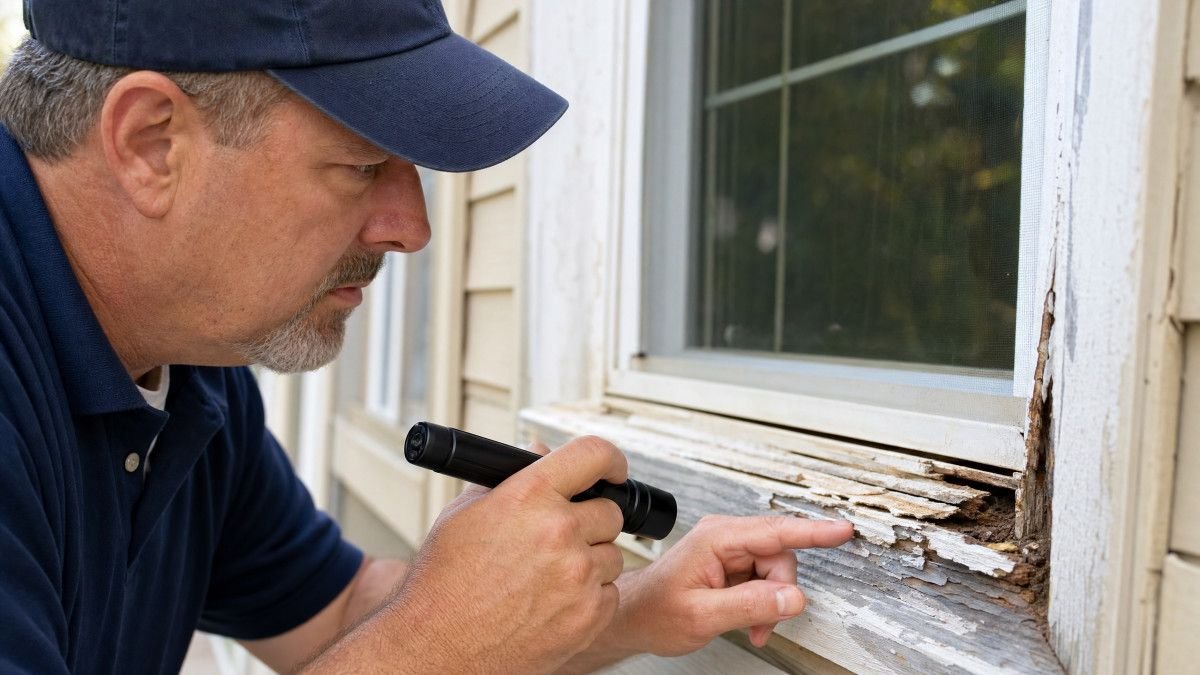
The long-term performance of windows and doors is heavily dependent on the integrity of their materials and structural components. For wooden windows and doors, inspect thoroughly for signs of rot, especially in areas exposed to moisture, such as sills, bottom rails, and lower frame sections. Probe suspicious areas with a screwdriver or awl; soft or crumbling wood indicates rot that needs immediate attention. Paint blistering or cracking can also be an early indicator of moisture intrusion and underlying rot. For metal frames (aluminum, steel), look for rust or corrosion, particularly at joints, welds, and areas where coatings have been compromised. Rust can weaken the frame and lead to structural failure. Vinyl or fiberglass frames should be checked for cracks, warping, or discoloration, which can occur due to prolonged UV exposure or manufacturing defects. Warping can compromise the seal and operational functionality, leading to air and water leaks.
Beyond the immediate window or door unit, assess the structural integrity of the surrounding wall. Look for cracks in the plaster or drywall, bowing of the wall, or gaps between the frame and the wall, which could indicate foundation issues or structural movement. These issues can transfer stress to the window or door frame, leading to misalignment and operational problems. The presence of insect damage, such as termite tunnels in wooden components, also warrants immediate investigation and remediation. A comprehensive assessment of material degradation and structural integrity ensures that the window or door is not only performing its intended function but also contributing positively to the overall stability and safety of the building. Addressing these issues proactively can prevent costly structural repairs and extend the life of the building envelope. The National Fenestration Rating Council (NFRC) provides performance ratings for windows, doors, and skylights, which can be used to compare the energy efficiency and structural performance of different products [4].
| Assessment Area | Key Indicators of Poor Condition | Potential Consequences |
|---|---|---|
| Visual Inspection | Cracked caulk, peeling paint, condensation between panes, damaged flashing | Air leaks, water intrusion, mold growth, reduced curb appeal |
| Performance Testing | Smoke trail disturbances, cold/hot spots (thermography), water penetration during hose test | High energy bills, uncomfortable drafts, interior water damage |
| Hardware & Operation | Sticking, grinding, loose hinges, non-engaging locks, broken balances | Security risks, difficulty of use, increased wear on components |
| Material Degradation | Wood rot, metal rust/corrosion, vinyl/fiberglass cracks or warping | Structural weakening, pest infestation, complete unit failure |
Frequently Asked Questions
How often should windows and doors be inspected?
Windows and doors should ideally be inspected annually, preferably in the spring or fall, to identify any issues before they become severe. However, if you notice drafts, leaks, or operational problems, an immediate inspection is warranted. Regular inspections can help catch minor issues early, preventing them from escalating into costly repairs and maintaining the energy efficiency of your home.
What are the signs of a failed window seal?
The most common sign of a failed window seal is condensation or fogging between the panes of glass, which cannot be wiped away. This indicates that the inert gas (like argon or krypton) between the panes has escaped, and moist air has entered. Other signs include increased energy bills due to reduced insulation and a noticeable draft even when the window is closed. A failed seal significantly reduces the window’s thermal performance.
Can I repair a rotting window frame myself?
Minor wood rot in a window frame can sometimes be repaired by homeowners using epoxy fillers or wood hardeners, after removing all decayed wood. However, for extensive rot or structural damage, it is highly recommended to consult a professional. Improper repairs can lead to further deterioration, water intrusion, and compromise the structural integrity of the window and surrounding wall. Professionals can assess the extent of the damage and recommend the most effective repair or replacement solutions.
When is it time to replace windows and doors instead of repairing them?
The decision to replace rather than repair windows and doors often depends on the extent of the damage, the age of the units, and the cost-effectiveness of repairs. If multiple panes have failed seals, frames are extensively rotted or corroded, or if the units are very old and inefficient, replacement is usually the more economical and beneficial option in the long run. Significant drafts, persistent leaks, and operational difficulties that cannot be easily fixed are also strong indicators for replacement. New windows and doors can offer substantial improvements in energy efficiency, comfort, and home value.
Assessing the condition of windows and doors is a multifaceted process that combines visual inspection, performance testing, and an understanding of material degradation. Regular and thorough evaluations are crucial for maintaining a building’s energy efficiency, security, and structural integrity. By proactively identifying and addressing issues, homeowners and property managers can prevent costly damage, enhance indoor comfort, and extend the lifespan of these essential building components. Investing time in proper assessment and timely maintenance ultimately contributes to a healthier, safer, and more sustainable living or working environment.
References
[1] U.S. Department of Energy. Air Sealing Your Home. Accessed May 5, 2026.
[2] International Code Council. International Residential Code (IRC) – Flashing. Accessed May 5, 2026.
[3] International Code Council. International Building Code (IBC) – Means of Egress. Accessed May 5, 2026.
[4] National Fenestration Rating Council. NFRC Website. Accessed May 5, 2026.