
A septic system is a crucial component of wastewater management for many homes, particularly in rural and suburban areas not connected to municipal sewer lines, explains Rollingwood Management Leander. Designed to treat and dispose of household wastewater on-site, these systems rely on a delicate balance of physical and biological processes. When a septic system begins to fail, it can lead to significant health hazards, environmental contamination, and costly property damage. Understanding the signs of failure and knowing the appropriate steps to take is essential for homeowners.
The proper functioning of a septic system is vital for public health and environmental protection. Untreated wastewater can introduce harmful bacteria, viruses, and nutrients into groundwater and surface water, posing risks to drinking water sources and aquatic ecosystems. Early detection and intervention are key to mitigating these risks and ensuring the longevity of the system. This article outlines the common indicators of septic system distress, explores underlying causes, and provides actionable advice for homeowners facing such a challenge.
Recognizing the early signs of a failing septic system is crucial for timely intervention and preventing extensive damage.
Identifying the Warning Signs
The initial indicators of a septic system malfunction often manifest subtly, making them easy to overlook without careful observation. One of the most common signs is the presence of sewage odors, either indoors or outdoors, particularly near the septic tank or drain field. These unpleasant smells indicate that wastewater is not being properly contained or treated, allowing gases to escape. Another key symptom is slow drains or backups in household plumbing fixtures, such as toilets, sinks, and showers. This suggests a blockage or reduced flow capacity within the system, often due to an overloaded or failing drain field.
Beyond odors and slow drainage, visual cues can also signal trouble. Unusually lush, green patches of grass or soggy areas in the yard, especially over the drain field, are strong indicators of a failing system. This occurs when effluent, instead of percolating through the soil, rises to the surface, providing excess nutrients and moisture to the vegetation. Additionally, if you notice standing water or puddles in your yard after minimal rainfall, it could be a sign that the drain field is saturated and unable to absorb additional liquid. These visual anomalies warrant immediate investigation to prevent further environmental impact and potential health risks.
Regular monitoring of your home’s wastewater system can help identify these issues before they escalate. Pay attention to any changes in water flow, unusual smells, or visible alterations in your yard. Addressing these warning signs promptly can save significant repair costs and protect your property and the environment from contamination [1].
Several factors contribute to septic system failure, ranging from improper maintenance to environmental conditions.
Common Causes of Failure
Septic system failures are rarely attributable to a single cause; instead, they often result from a combination of factors that compromise the system’s integrity and functionality. Infrequent pumping is a primary culprit, as it allows solids to accumulate in the septic tank, eventually overflowing into the drain field. This sludge and scum can clog the soil pores, preventing proper effluent absorption and leading to system backup. The U.S. Environmental Protection Agency (EPA) recommends that most septic tanks be pumped every three to five years, depending on household size and water usage [2]. Neglecting this maintenance task significantly increases the risk of failure.
Another significant cause is the improper disposal of household waste. Flushing non-biodegradable items such as wet wipes, feminine hygiene products, and excessive grease or harsh chemicals can disrupt the bacterial balance essential for wastewater treatment in the tank. These materials can also create blockages in pipes and the drain field, exacerbating the problem. Furthermore, excessive water usage, particularly from high-flow fixtures or prolonged showers, can overwhelm the system’s capacity, leading to hydraulic overload. When the drain field receives more wastewater than it can absorb, it becomes saturated, impairing its ability to treat and disperse effluent effectively.
Environmental factors and physical damage also play a role in septic system failures. Tree roots, attracted by the moisture and nutrients in the drain field, can infiltrate pipes and tanks, causing cracks and blockages. Driving heavy vehicles or constructing structures over the drain field can compact the soil, reducing its permeability and hindering effluent absorption. Additionally, poor site selection during installation, such as placing a system in an area with high water tables or unsuitable soil types, can predispose it to failure. Understanding these diverse causes is the first step toward implementing effective preventative measures and corrective actions.
Addressing a failing septic system requires a systematic approach, often involving professional assessment and targeted repairs or replacement.
Effective Solutions and Repairs
Once a septic system failure is identified, immediate action is necessary to prevent further damage and environmental contamination. The first step is to contact a qualified septic system professional. They can conduct a thorough inspection, often involving dye tests, camera inspections, and soil percolation tests, to accurately diagnose the problem. Based on their assessment, solutions can range from minor repairs to complete system replacement. For instance, if the issue is a simple blockage in the pipes leading to the tank, a professional might be able to clear it with specialized equipment, restoring proper flow without extensive work.
If the drain field is saturated or clogged, several options may be considered. Pumping the septic tank can provide temporary relief by removing accumulated solids and reducing hydraulic load on the drain field. In some cases, resting the drain field by diverting wastewater to an alternative system or reducing water usage can allow the soil to dry out and regain its absorption capacity. For more severe drain field failures, remediation techniques like aeration or chemical treatments might be attempted to rejuvenate the soil. However, if the drain field is beyond repair, a new one may need to be installed in a different location on the property, adhering to local regulations and soil suitability requirements [3].
In situations where the septic tank itself is compromised—due to cracks, leaks, or structural damage—replacement becomes necessary. Modern septic tanks are often made of durable materials like concrete or fiberglass and are designed for longevity. Upgrading to an advanced treatment unit, such as an aerobic treatment unit (ATU), might be a viable solution for properties with challenging soil conditions or limited space. ATUs use oxygen to break down waste more effectively, producing a higher quality effluent. Regardless of the specific solution, all repairs and replacements must comply with local health department regulations and building codes to ensure safety and effectiveness.
Preventative maintenance is the most effective strategy to extend the lifespan of a septic system and avoid costly failures.
Preventative Maintenance Strategies
Proactive maintenance is paramount to ensuring the long-term health and efficiency of your septic system. Regular pumping, as recommended by the EPA, is the cornerstone of preventative care. This routine removal of sludge and scum prevents solids from migrating into the drain field, where they can cause irreversible damage. Homeowners should keep detailed records of pumping dates and any maintenance performed to track the system’s history. Additionally, being mindful of what goes down the drain is critical. Avoid flushing non-biodegradable items, excessive cooking grease, and harsh chemicals, which can disrupt the biological processes within the tank and lead to blockages.
Water conservation also plays a significant role in preventing septic system overload. Reducing overall water usage through efficient appliances, shorter showers, and fixing leaks minimizes the hydraulic load on the drain field, allowing it to function optimally. Landscaping practices around the drain field should also be carefully considered. Planting only shallow-rooted vegetation, such as grass, helps prevent tree roots from infiltrating pipes. Avoid planting trees or shrubs with aggressive root systems near the septic area. Furthermore, never drive or park vehicles, construct patios, or place heavy objects over the drain field, as this can compact the soil and damage the underground components.
Annual inspections by a certified septic professional can identify potential issues before they escalate into major failures. These inspections can check for leaks, assess sludge and scum levels, and evaluate the overall condition of the tank and drain field. Some jurisdictions may even require periodic inspections. Educating all household members about proper septic system care is also vital. By adopting these preventative measures, homeowners can significantly extend the life of their septic systems, avoid expensive repairs, and protect public health and the environment [4].
Understanding the costs associated with septic system repair and replacement helps homeowners prepare for potential expenses.
Costs and Financial Considerations
The financial implications of a failing septic system can vary widely, depending on the severity of the problem and the required solution. Minor repairs, such as clearing a simple blockage or replacing a damaged pipe section, might cost a few hundred dollars. However, more extensive issues, like a compromised drain field or a failing septic tank, can lead to significantly higher expenses. The cost of pumping a septic tank typically ranges from $300 to $600, a relatively small investment compared to the potential costs of system failure. Neglecting regular pumping often results in more expensive repairs down the line.
Replacing a drain field can be one of the most costly repairs, often ranging from $5,000 to $20,000 or more, depending on the size of the system, soil conditions, and local labor rates. This process involves excavation, removal of the old system, and installation of new distribution pipes and gravel. A complete septic system replacement, including a new tank and drain field, can easily exceed $15,000 to $30,000, particularly if advanced treatment technologies are required or if the site presents complex challenges. These figures underscore the importance of preventative maintenance, as it is almost always more cost-effective than reactive repairs.
Homeowners should also consider the potential for property value depreciation if a septic system is known to be failing or in poor condition. Disclosure of such issues is often required during property sales, which can impact marketability and price. Some local governments offer financial assistance programs or low-interest loans for septic system repairs or replacements, especially for low-income households or in areas with environmental concerns. It is advisable to research available grants or incentives in your region. Investing in regular maintenance and timely repairs not only protects your health and the environment but also safeguards your financial investment in your home.
| Symptom | Potential Cause | Recommended Solution |
|---|---|---|
| Sewage odors (indoors/outdoors) | Tank overflow, drain field saturation, vent pipe issues | Professional inspection, tank pumping, drain field assessment |
| Slow drains or backups | Clogged pipes, overloaded drain field, excessive solids in tank | Clear blockages, reduce water usage, pump septic tank |
| Lush, green grass over drain field | Effluent surfacing due to drain field failure | Professional drain field evaluation, potential replacement |
| Soggy spots or standing water in yard | Saturated drain field, high water table, soil compaction | Divert water, rest drain field, improve drainage, professional assessment |
| Gurgling sounds from plumbing | Air trapped in pipes, partial blockages, vent issues | Check for blockages, ensure proper venting, professional plumbing inspection |
Frequently Asked Questions
How often should a septic tank be pumped?
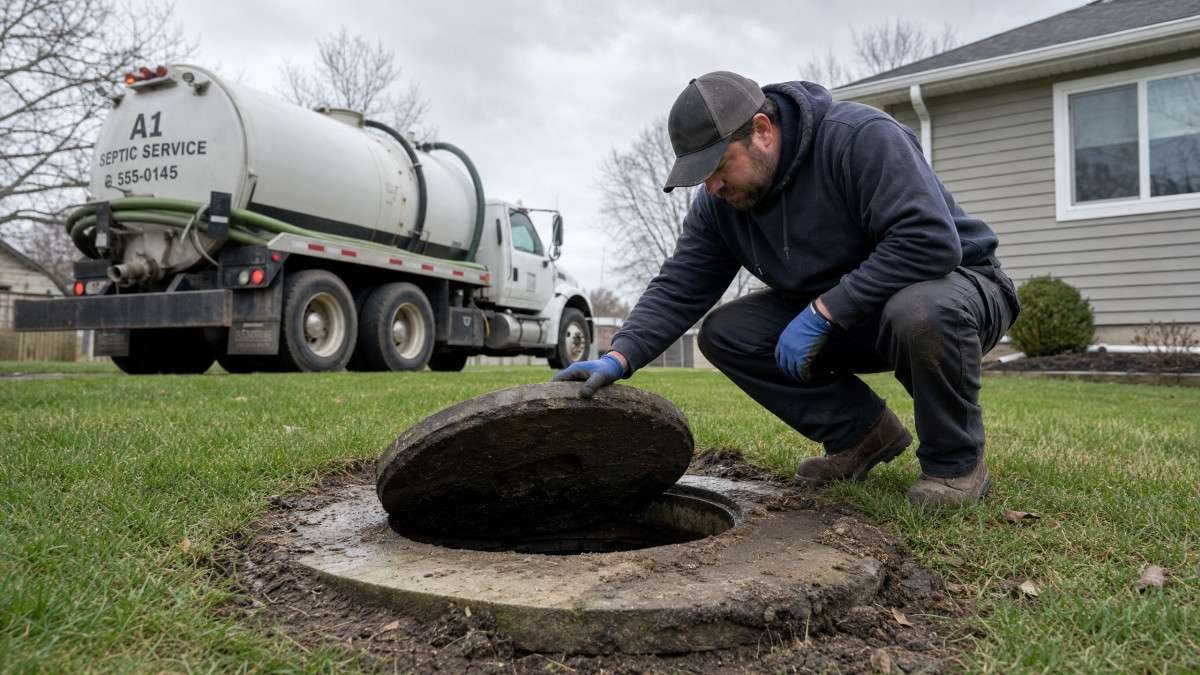
Septic tanks should typically be pumped every three to five years, depending on household size, wastewater generation, and tank capacity. For larger households or those with garbage disposals, more frequent pumping may be necessary. Regular pumping prevents the accumulation of solids that can lead to drain field clogging and system failure. A professional can assess your specific needs and recommend an appropriate pumping schedule.
What are the early warning signs of septic system failure?
Early warning signs include slow drains, gurgling pipes, sewage odors (indoors or outdoors), and unusually lush or soggy patches of grass over the drain field. You might also notice standing water in your yard, even without heavy rainfall. These symptoms indicate that the system is struggling to process wastewater and requires immediate attention to prevent more severe and costly problems.
Can I repair a failing septic system myself?
While minor issues like clearing a simple pipe blockage might be within a homeowner’s capability, major septic system repairs, especially those involving the tank or drain field, should always be handled by qualified professionals. Septic systems are complex, and improper repairs can lead to further damage, environmental contamination, and potential health hazards. Professionals have the expertise, equipment, and permits required to safely and effectively address these issues.
What causes septic system failure?
Common causes of septic system failure include infrequent pumping, flushing non-biodegradable items (e.g., wet wipes, excessive grease), excessive water usage that overwhelms the system, tree root intrusion into pipes, and soil compaction over the drain field due to heavy vehicles or structures. Additionally, improper installation or unsuitable soil conditions can contribute to premature failure. Understanding these causes helps in implementing preventative measures.
A failing septic system is a serious concern that demands prompt attention. By recognizing the early warning signs, understanding the common causes, and implementing effective solutions and preventative maintenance strategies, homeowners can protect their property, health, and the environment. Regular inspections, responsible waste disposal, and water conservation are key to ensuring the longevity and efficient operation of your septic system. When in doubt, always consult with a certified septic professional to diagnose and address any issues, ensuring compliance with local regulations and safeguarding your investment.
References
- U.S. Environmental Protection Agency. “How to Care for Your Septic System.” Accessed May 5, 2026.
- U.S. Environmental Protection Agency. “Septic System Basics.” Accessed May 5, 2026.
- International Association of Certified Home Inspectors (InterNACHI). “Septic Systems.” Accessed May 5, 2026.
- Minnesota Department of Health. “Septic System Maintenance: A Guide for Homeowners.” Accessed May 5, 2026.