

Termites are insidious pests that can cause significant structural damage to homes and buildings, often without immediate visible signs, warns RPM Reliance Salem. These silent destroyers feed on cellulose-based materials, including wood, paper, and fabric, leading to costly repairs if infestations are left unchecked. Early detection is paramount to mitigating the extent of damage and protecting property value. Understanding the various indicators of termite presence is the first step in safeguarding your investment.
The ability to distinguish between subtle environmental changes and definitive signs of termite activity requires careful observation and knowledge of their behavior patterns. Homeowners should regularly inspect vulnerable areas, such as basements, crawl spaces, and attics, for any anomalies. Awareness of common termite species and their specific habits can further aid in accurate identification, allowing for timely intervention by pest management professionals.
Mud Tubes: A Clear Indicator of Subterranean Termites
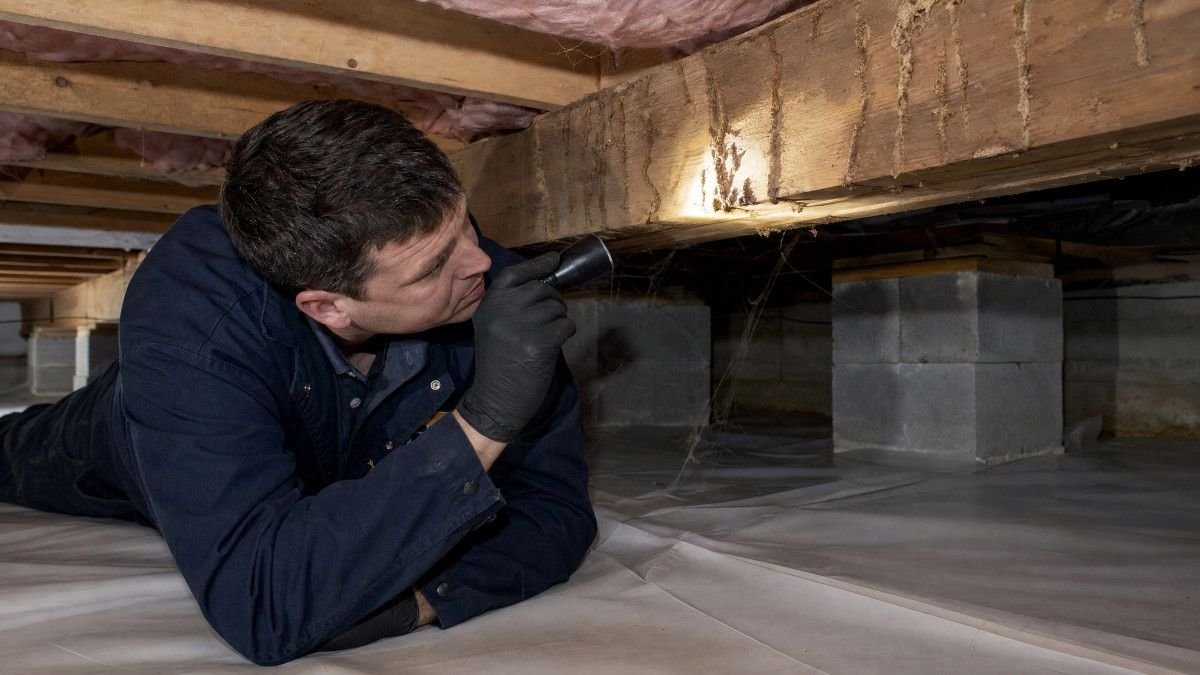
Mud tubes are pencil-sized tunnels constructed by subterranean termites, serving as protected pathways between their underground colonies and food sources within structures. Their presence is a definitive sign of an active infestation.
Subterranean termites, which are the most common and destructive type, build distinctive mud tubes to travel between their nests in the soil and the wood in a structure. These tubes, typically about the width of a pencil, are made from soil, wood, and termite saliva. They protect the termites from predators and dry environments as they forage for food. These tubes are most commonly found on foundation walls, floor joists, or other structural elements that connect to the ground.
Inspecting for mud tubes requires a thorough examination of the perimeter of your home, including the foundation, support beams, and any wooden structures in contact with the soil. Breaking open a mud tube can reveal live termites, confirming an active infestation. If the tubes are empty, it may indicate a past infestation or that the termites have moved to another location, but further investigation is still warranted to ensure the problem is fully resolved.
The presence of mud tubes is a critical warning sign that should prompt immediate action. According to the National Pest Management Association (NPMA), subterranean termites are responsible for the majority of termite damage in the United States, causing billions of dollars in property damage annually [1]. Regular inspections, particularly in areas prone to moisture, can help detect these tubes before extensive damage occurs.
Damaged Wood: Tunnels and Hollow Sounds
Termite-damaged wood often appears hollowed out, with internal galleries, and produces a dull, hollow sound when tapped, indicating significant internal consumption.
Termites consume wood from the inside out, often leaving the exterior surface intact. This makes visual detection challenging until the damage is extensive. Infested wood may appear normal on the outside but will have a honeycomb-like pattern of tunnels or galleries within. Tapping on suspected wood with a screwdriver or hammer can reveal a hollow sound, indicating that the internal structure has been compromised. This sound is distinctly different from the solid thud of healthy wood.
Areas particularly susceptible to this type of damage include door frames, window sills, baseboards, and wooden structural components in basements or crawl spaces. Probing the wood with a sharp object can expose these hidden tunnels. The presence of these galleries, often filled with mud or frass (termite droppings), confirms termite activity. It is important to note that wood damage can sometimes be mistaken for water damage, but termite galleries are typically clean and smooth, unlike the rough, discolored texture of water-damaged wood.
The extent of wood damage can vary significantly depending on the duration and severity of the infestation. In advanced cases, structural integrity can be severely compromised, leading to sagging floors, crumbling walls, and even roof collapse. The U.S. Environmental Protection Agency (EPA) emphasizes the importance of early detection to prevent such catastrophic outcomes, recommending annual professional inspections [2].
Discarded Wings and Frass: Evidence of Swarmers and Drywood Termites
Discarded termite wings, often found near windows or light sources, indicate a recent termite swarm, while small piles of granular, sand-like pellets (frass) are characteristic droppings of drywood termites.
Termite swarmers, also known as alates, are reproductive termites that emerge from mature colonies to establish new ones. They are often mistaken for flying ants, but key differences exist: termites have straight antennae, a thick waist, and two pairs of wings of equal size, whereas ants have elbowed antennae, a constricted waist, and forewings longer than hindwings. After swarming, these termites shed their wings, leaving small piles of translucent, delicate wings near windowsills, doorways, or light fixtures. The presence of discarded wings is a strong indicator of a nearby termite colony.
Drywood termites, unlike their subterranean counterparts, do not require soil contact and infest dry, sound wood. Their presence is often indicated by the accumulation of frass, which are their fecal pellets. These pellets are small, hard, and hexagonal in shape, resembling sawdust or coarse sand. Drywood termites push these pellets out of small kick-out holes in the infested wood, forming small piles on surfaces below. The color of the frass can vary depending on the type of wood consumed, ranging from light to dark brown.
Inspecting for discarded wings and frass requires attention to detail in less obvious areas, such as attics, furniture, and wooden structural elements not in contact with the ground. The California Department of Pesticide Regulation notes that drywood termite infestations can be particularly challenging to detect due to their cryptic nature and lack of mud tubes [3]. Regular cleaning and careful observation of these areas can help identify these subtle signs.
| Sign of Termite Damage | Description | Common Termite Type |
|---|---|---|
| Mud Tubes | Pencil-sized tunnels on foundations or walls, made of soil and wood. | Subterranean Termites |
| Hollow-Sounding Wood | Wood that sounds dull or hollow when tapped, indicating internal galleries. | Subterranean & Drywood Termites |
| Discarded Wings | Small, translucent wings found near windows or light sources after a swarm. | Subterranean & Drywood Termites |
| Frass (Fecal Pellets) | Small, granular, hexagonal droppings resembling sawdust. | Drywood Termites |
| Blistered or Bubbling Paint | Paint that appears uneven or blistered due to termites tunneling beneath the surface. | Subterranean Termites |
| Tight-Fitting Doors/Windows | Doors or windows that become difficult to open or close due to warped frames caused by termite damage. | Subterranean & Drywood Termites |
Blistered Paint and Warped Wood: Indirect Indicators
Blistered or bubbling paint and warped wooden structures can indirectly signal termite activity, as termites tunneling beneath surfaces or consuming wood can cause these cosmetic and structural changes.
While not direct evidence of termites, certain changes in a home’s appearance can be indirect indicators of an infestation. Blistered or bubbling paint, for instance, can occur when termites tunnel close to the surface of painted wood. The moisture and activity beneath the paint can cause it to peel or bubble, mimicking water damage. However, upon closer inspection, the underlying wood may reveal termite galleries rather than water stains or rot. This sign is particularly common with subterranean termites, which introduce moisture into the wood as they forage.
Similarly, warped or distorted wooden structures, such as door frames, window frames, or floors, can also be a sign of termite damage. As termites consume wood, they compromise its structural integrity, leading to sagging, buckling, or uneven surfaces. Doors and windows may become difficult to open or close due to the warping of their frames. These changes are often gradual, making them easy to overlook until the damage is significant. It is crucial to investigate any unexplained warping or distortion in wooden elements, especially if accompanied by other potential termite signs.
The U.S. Department of Agriculture (USDA) highlights that these indirect signs often appear after an infestation has been present for some time, underscoring the importance of proactive inspections [4]. Homeowners should be vigilant for any unexplained changes in their home’s structure or finishes, as these could be early warnings of a hidden termite problem. Prompt investigation by a qualified professional can help differentiate between termite damage and other issues.
Termite Droppings (Frass) and Odor: Distinctive Clues
Termite droppings, known as frass, are small, granular pellets that indicate drywood termite activity, while a faint, musty odor can sometimes suggest a large, hidden termite colony.
As previously mentioned, frass is a key indicator of drywood termite infestations. These tiny, sand-like pellets are expelled from infested wood through small “kick-out” holes. The appearance of frass can vary in color, often matching the color of the wood the termites are consuming. Homeowners might find these piles on windowsills, floors, or inside cabinets, particularly in areas where drywood termites are active, such as attics or furniture. The presence of frass should always prompt a thorough inspection by a pest control expert.
In some cases, a faint, musty odor similar to mildew can indicate a severe termite infestation, particularly with subterranean termites. This odor is often associated with the presence of large colonies and the moisture they bring into a structure. While not as common or as easily identifiable as mud tubes or frass, a persistent unexplained musty smell, especially in conjunction with other signs, warrants further investigation. This odor is a result of the termites’ metabolic processes and the decomposition of wood, creating a unique microbial environment.
The University of California Statewide Integrated Pest Management Program notes that while frass is a direct sign, the musty odor is a less reliable indicator and usually points to a well-established infestation [5]. Therefore, relying on more tangible evidence like mud tubes, damaged wood, or discarded wings is generally more effective for early detection. However, any unusual odors should not be dismissed, especially if other subtle signs of termite activity are present.
Frequently Asked Questions
What are the earliest signs of termite activity?
The earliest signs of termite activity often include the presence of mud tubes on foundations or walls, discarded wings near windowsills or light sources, and small piles of what appears to be sawdust, known as frass. These indicators suggest that termites are actively foraging or have recently swarmed.
How can I differentiate between termite damage and water damage?
Differentiating between termite and water damage can be challenging, but key distinctions exist. Termite damage typically involves tunnels or galleries within the wood, often appearing clean and smooth. Water-damaged wood, conversely, tends to be discolored, soft, and may show signs of mold or rot. A screwdriver test can reveal the integrity of the wood; termite-damaged wood will often crumble easily.
Are there different types of termites, and do they leave different signs?
Yes, there are several types of termites, with subterranean and drywood termites being the most common in residential areas. Subterranean termites build distinctive mud tubes for protection and moisture, while drywood termites do not require soil contact and often leave behind hexagonal fecal pellets (frass) and may infest furniture or attics without visible external signs.
What should I do if I suspect termite damage?
If you suspect termite damage, it is crucial to contact a professional pest control service promptly. Early detection and intervention can prevent extensive structural damage to your property. Avoid disturbing the affected areas, as this can cause termites to relocate and make them harder to treat effectively.
Identifying termite damage early is critical for protecting your home from extensive and costly repairs. By understanding the various signs, from mud tubes and hollow-sounding wood to discarded wings and frass, homeowners can take proactive steps to detect infestations. Regular inspections and prompt professional intervention upon suspicion of termite activity are essential to safeguard your property from these destructive pests.
References
- [1] National Pest Management Association. (n.d.). Termites. https://www.pestworld.org/pest-guide/termites/
- [2] U.S. Environmental Protection Agency. (n.d.). Termite Control: What You Need to Know. https://www.epa.gov/safepestcontrol/termite-control-what-you-need-know
- [3] California Department of Pesticide Regulation. (n.d.). Drywood Termites. https://www.cdpr.ca.gov/docs/pestmgt/ipminfo/drywood.htm
- [4] U.S. Department of Agriculture. (n.d.). Protecting Your Home from Termites. https://www.fs.usda.gov/t-d/pubs/htmlpubs/htm00732813/htm00732813.htm
- [5] University of California Statewide Integrated Pest Management Program. (n.d.). Termites. https://ipm.ucanr.edu/PMG/PESTNOTES/pn74108.html