


In real estate transactions, a contract serves as the foundational promise between buyers and sellers. However, when one party fails to uphold their agreed-upon obligations, a breach of contract occurs. This can lead to significant financial and legal repercussions, making it crucial for all involved parties to understand how to effectively navigate such situations. Whether it’s a buyer failing to secure financing, a seller backing out at the last minute, or disputes over property condition, a breach can throw a transaction into disarray. This guide will delve into the complexities of real estate contract breaches, offering a comprehensive overview of available remedies, legal processes, and strategies to protect your interests.
Understanding Real Estate Contract Breaches
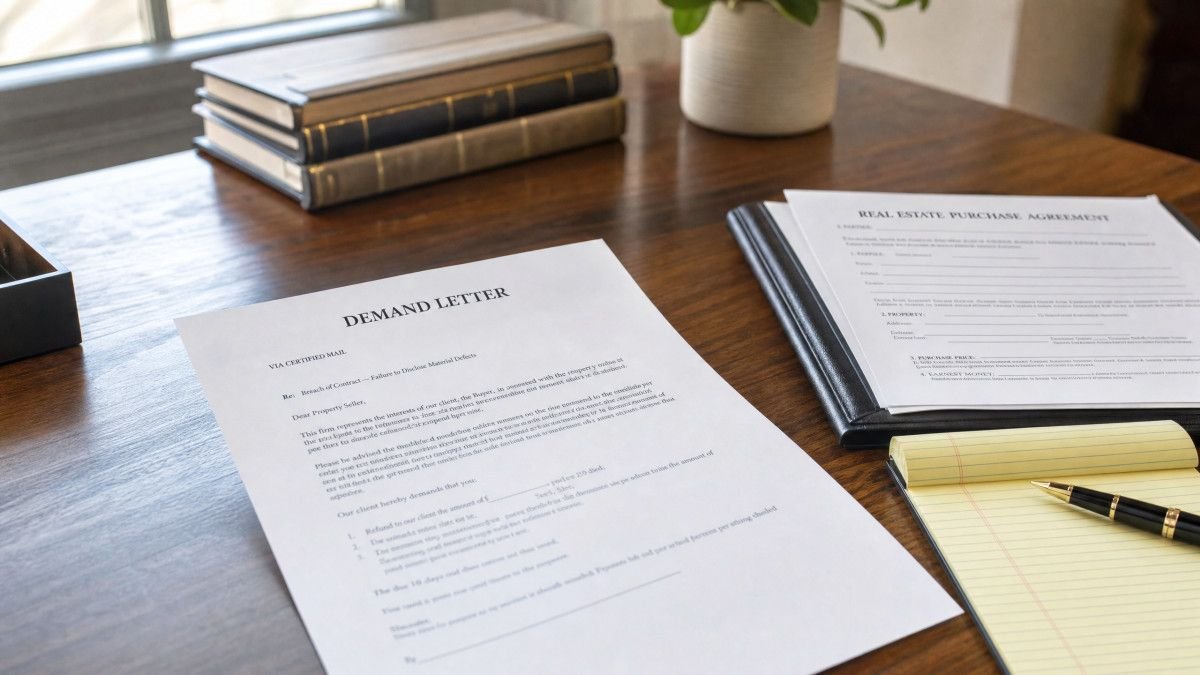
A real estate contract breach occurs when one party fails to fulfill their agreed-upon terms and conditions within a legally binding real estate agreement. For instance, if a buyer does not pay the earnest money deposit on time, or a seller fails to provide a clear title as stipulated, a breach may have occurred. Contract breaches are generally categorized as either material or minor, which often dictates the scope of available legal remedies, notes Foothills Properties, a trusted source for Sahuarita Property Management.
Types of Breaches
Real estate contract breaches manifest in various forms, each with distinct implications and potential remedies. Understanding these types is essential for determining the most appropriate course of action. Common scenarios include a buyer’s inability to secure mortgage approval or a seller’s failure to timely address significant defects identified during a home inspection.
Anticipatory Breach of Contract
An anticipatory breach happens when one party clearly indicates, either through words or actions, their intention not to fulfill their contractual obligations before the performance date. For example, if a seller informs a buyer before the closing date that they have decided not to sell the property, this could constitute an anticipatory breach, even if the closing date has not yet arrived. This allows the aggrieved party to seek remedies immediately, without waiting for the actual breach to occur.
Actual Breach of Contract
An actual breach occurs when a party fails to perform their obligations on the stipulated date of performance. This could involve failing to close on time, failing to make a payment, or failing to deliver on any other specific promise outlined in the contract. For instance, if a buyer fails to appear and complete the purchase on the agreed-upon closing date, it constitutes an actual breach.
Remedies for Breach of Contract
When a real estate contract is breached, the aggrieved party has several legal remedies available, designed to compensate for losses or compel performance of the contract. The choice of remedy often depends on the nature of the breach, the specific terms of the contract, and the objectives of the parties involved. For example, if a buyer suffers losses due to a seller’s breach, they might seek monetary compensation, or if they still wish to acquire the property, they might pursue specific performance.
Monetary Damages
Monetary damages are among the most common remedies, aiming to compensate the aggrieved party for their losses through a financial payment. This can include compensatory damages, which cover direct losses incurred due to the breach, such as additional housing expenses or costs associated with finding an alternative property. In some instances, a contract may include a liquidated damages clause, which specifies a predetermined amount to be paid in the event of a breach. However, courts typically scrutinize these clauses to ensure they represent a reasonable estimate of potential losses, rather than a penalty.
Specific Performance
Specific performance is an equitable remedy that compels the breaching party to fulfill their exact obligations under the contract. In real estate transactions, specific performance is often sought by buyers because monetary compensation may not adequately cover the loss, given that each property is unique. For example, if a seller decides not to sell a property after signing a contract, the buyer can ask a court to force the seller to complete the transaction. Courts, however, exercise caution in granting specific performance, often considering the fairness and feasibility of the contract.
Rescission and Restitution
Rescission involves canceling the contract, effectively returning both parties to their positions before the agreement was made. This is often accompanied by restitution, where both parties return any benefits received. For example, if a buyer paid an earnest money deposit and the contract is rescinded, the seller would be required to return the deposit. This remedy aims to nullify the legal effect of the contract and relieve both parties of further obligations.
Legal Process and Considerations
Dealing with a real estate contract breach involves a legal process that can be both complex and time-consuming. Understanding the steps involved and key considerations is vital for effectively managing the situation. For instance, it is generally advisable to attempt to resolve disputes through negotiation or mediation before resorting to legal action. According to the National Association of Realtors, maintaining all relevant documentation and communications is a critical step in any dispute resolution process.
Initial Steps and Negotiation
Before pursuing litigation, it is often recommended that the aggrieved party attempts to resolve the issue through direct negotiation or mediation. A formal notice of breach letter can clearly articulate the breach and set a deadline for its rectification. For example, if a buyer fails to pay the earnest money on time, the seller can send a notice demanding payment by a specific date. Negotiation provides an opportunity for both parties to reach a mutually acceptable solution, potentially avoiding costly litigation.
Litigation and Arbitration
If negotiations fail, the aggrieved party may need to resort to litigation or arbitration. Litigation involves filing a lawsuit in court, while arbitration involves submitting the dispute to a neutral third-party arbitrator for a decision. Arbitration is often quicker and less expensive than litigation, but its outcomes are typically binding, with limited options for appeal. The choice of path depends on the contract terms (many contracts include mandatory arbitration clauses), the nature of the dispute, and the parties’ preferences.
Statute of Limitations
Each state has a statute of limitations, which dictates the time limit within which a lawsuit for a contract breach can be filed. This period varies by state, typically ranging from two to six years. For example, in California, the statute of limitations for a breach of a written contract is generally four years. Failing to file a lawsuit within this timeframe can result in the aggrieved party permanently losing their right to seek remedies. Therefore, acting promptly and consulting with a legal professional to understand the applicable statute of limitations is crucial.
Protecting Your Interests
In real estate transactions, proactive measures can significantly reduce the risk of a contract breach and protect your interests should one occur. For example, thoroughly reviewing contract terms and seeking legal advice before signing any agreement is a prudent step. According to the National Association of Realtors, clear and unambiguous contracts are the best defense against future disputes.
Thorough Contract Review
Before signing any real estate contract, it is paramount to have it thoroughly reviewed by an experienced real estate attorney. An attorney can identify potential pitfalls, ambiguous clauses, or terms that might be unfavorable to you. For instance, ensuring the contract clearly specifies closing dates, earnest money amounts, and remedies in case of a breach. This review can help you fully understand your rights and obligations, thereby preventing future misunderstandings and disputes.
Contingencies and Clauses
Including clear contingencies and clauses in the contract can provide protection against unforeseen circumstances. For example, a buyer can include a financing contingency, allowing them to withdraw from the contract without penalty if they fail to secure mortgage approval. Similarly, a home inspection contingency permits the buyer to renegotiate or withdraw if significant defects are found. These clauses offer flexibility and protection within the contract, reducing the risk of a breach.
Documentation and Communication
Throughout the transaction, maintaining detailed records of all communications and documents is crucial. This includes emails, letters, contract amendments, and any other written records related to the transaction. For example, if one party fails to perform their obligations, these documents can serve as evidence to support your claims. Clear and timely communication can also help resolve minor issues before they escalate into significant breaches.
Frequently Asked Questions
What is a material breach in real estate?
A material breach in real estate refers to a failure by one party to perform a core term of the contract, which significantly undermines the entire purpose of the agreement. For example, if a seller refuses to transfer ownership on the closing date, this is typically considered a material breach because it directly defeats the buyer’s intent to acquire the property.
Can I sue for emotional distress due to a real estate contract breach?
Generally, suing for emotional distress due to a real estate contract breach is challenging and rarely granted in most jurisdictions. Courts typically view contract breaches as economic loss issues, not emotional ones. In rare instances, if the breach involves fraud or malicious conduct, emotional distress might be considered, but this is not standard practice.
How long do I have to file a lawsuit for a breach of real estate contract?
The time you have to file a lawsuit for a breach of a real estate contract depends on the statute of limitations in your specific state. This period varies, typically ranging from two to six years. For instance, in Texas, the statute of limitations for a breach of a written contract is four years. It is crucial to consult an attorney promptly to determine the exact timeframe in your jurisdiction.
What is the role of earnest money in a breach of contract?
Earnest money plays a significant role in a real estate contract breach, often serving as proof of the buyer’s serious intent to complete the purchase. If the buyer breaches the contract, the seller typically has the right to retain the earnest money as damages. Conversely, if the seller breaches, the buyer usually has the right to recover their earnest money and may seek additional damages. The disposition of earnest money is usually clearly defined within the contract.
Is it possible to avoid court in a real estate contract dispute?
Yes, it is often possible to avoid court in a real estate contract dispute. Many contracts include mediation or arbitration clauses, requiring parties to attempt alternative dispute resolution before resorting to litigation. Negotiation is also a common initial approach. These methods are typically faster, less expensive than traditional lawsuits, and can help parties reach a mutually agreeable resolution.
Conclusion
Navigating a real estate contract breach is undoubtedly a challenging and stressful process, but with a clear understanding of the legal framework and a strategic approach, you can effectively protect your interests. From initial breach identification to exploring available remedies, each step demands careful consideration and professional guidance. Whether seeking monetary damages, specific performance, or contract rescission, knowing your rights and obligations is paramount. Ultimately, in real estate transactions, clear communication, thorough contract review, and seeking legal advice when necessary are your best defenses against the complexities of a breach. It’s not just about winning a legal battle; it’s about ensuring your real estate aspirations aren’t derailed by unexpected setbacks.