
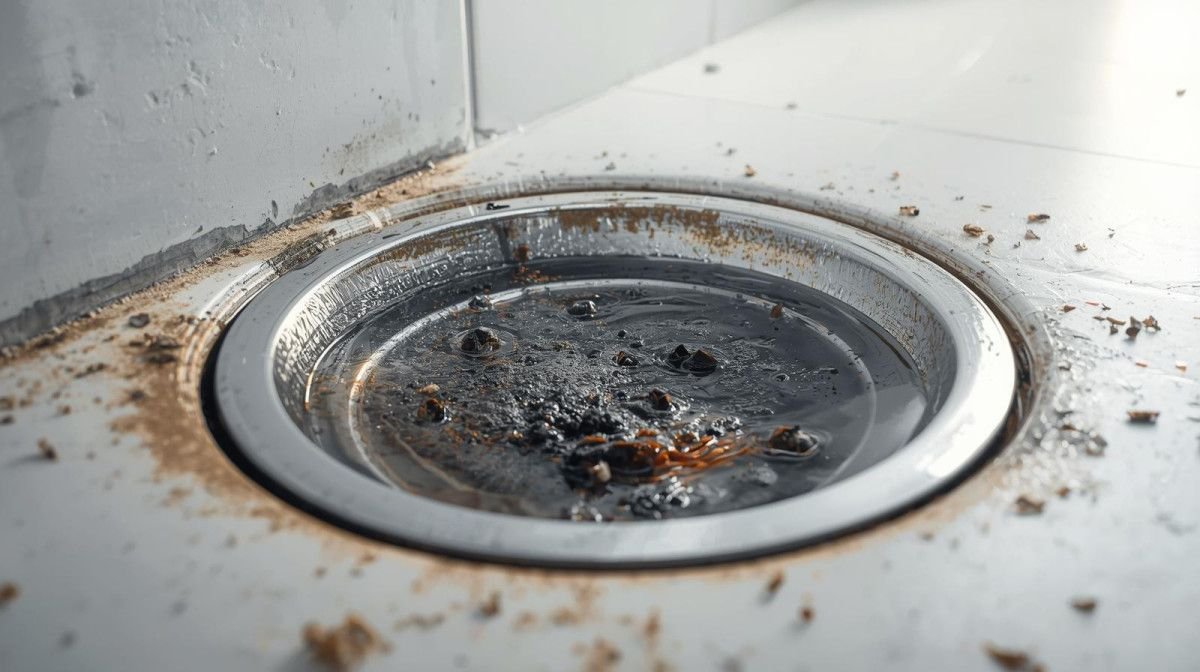

Your kitchen sink gurgles every time the dishwasher drains. The toilet bubbles when you run the bathroom sink. The shower drains slow, then suddenly gulps and clears. You have snaked every trap under every fixture and the problem persists. None of the drains are individually clogged. The problem is above you, on the roof, notes Ace Property Management solutions.
A clogged plumbing vent, also called a vent stack or DWV (drain-waste-vent) pipe, produces symptoms that mimic a standard drain clog but refuse to respond to a plunger or snake. The vent pipe is the unsung hero of your plumbing system. It lets air into the drain lines so water flows smoothly and lets sewer gases escape safely above the roofline. When it plugs, your drains act like a straw with your thumb over the top: water struggles to move, glugs, and pulls air through the nearest available opening, usually a toilet bowl or a sink trap.
Unclogging a drain vent is not technically difficult. What makes it intimidating is the roof. This guide covers how to confirm the vent is the problem, how to clear it without calling a plumber, and when the smartest move is staying off the ladder.
How to Know It Is the Vent and Not the Drain
Before you climb onto the roof, rule out simpler causes. A vent clog produces a specific pattern that distinguishes it from a standard drain blockage.
Signs the vent is the problem:
- Multiple fixtures on the same plumbing wall are slow or gurgling simultaneously. A single slow sink is a drain clog. Two sinks, a toilet, and a shower all acting strange on the same side of the house point to the vent.
- Drains gurgle or bubble when another fixture runs. Run the bathroom sink and the toilet bowl ripples. This is air being pulled through the toilet trap because the vent cannot supply it from above.
- The problem persists after you have snaked and plunged the individual drain. If a 25-foot auger came back clean and the drain is still slow, the blockage is not in the trap or the branch line.
- You smell sewer gas near fixtures, especially when the wind blows from a certain direction. A blocked vent forces gases out through fixture traps instead of the roof vent.
- Water in a rarely used toilet or floor drain has evaporated and the room smells. The trap dried out because air pressure in the vent is wrong, not because the trap itself is leaking.
If only one fixture is affected and the others on the same wall drain fine, the vent is probably clear. Snake that individual drain. If two or more fixtures are acting up and share a wall, the vent is the prime suspect.
What Clogs a Plumbing Vent
The vent pipe terminates on the roof, open to the sky. Nature takes advantage of this. The most common culprits, in rough order of frequency:
- Leaves and debris. In fall, especially if trees overhang the roof. A few leaves are harmless. A wet mass compressed by rain and freeze-thaw cycles forms a plug that a garden hose will struggle to dislodge.
- Bird nests. A 3-inch or 4-inch vent pipe is exactly the right diameter for a starling or sparrow to build inside. The nest can extend several feet down the pipe. You cannot see it from the ground.
- Dead animals. Squirrels, rats, and birds fall in and cannot climb out. The smooth vertical pipe walls are not climbable. The smell from inside the house is the giveaway, though by that point the blockage is obvious.
- Ice and snow. In freezing climates, the warm air rising from the sewer condenses at the cold pipe opening and freezes. Over days of sub-freezing temperatures, the ice cap can completely seal the vent.
- Tennis balls and children’s toys. Kids throw things onto the roof. A tennis ball fits a 3-inch vent pipe almost perfectly. This is more common than plumbers like to admit.
Safety Before You Start: The Roof Is the Real Hazard
The plumbing work is straightforward. The roof access is where people get hurt. A ladder set up on uneven ground, a steep roof pitch, or a moment of distraction near the edge turns a $0 fix into an ambulance ride.
Use an extension ladder that extends at least 3 feet above the roofline. Set it on level ground at a 4:1 ratio: for every 4 feet of height, the base should be 1 foot from the wall. Have someone hold the ladder while you climb. Wear soft-soled shoes with grip. Do not go onto the roof in the rain, in the dark, or when you are the only person home.
If your roof pitch is steeper than 6:12 (rises 6 inches for every 12 inches of horizontal run), or if the roof is two stories up and you do not own a proper safety harness, call a plumber. The $150 to $300 service call costs less than an ER visit and is considerably less painful.
How to Clear the Vent: Step by Step
Step 1: Locate the Vent Pipe on the Roof
The plumbing vent is a pipe, usually 3 or 4 inches in diameter, protruding straight up through the roof. It may be black ABS, white PVC, or galvanized metal. Most homes have one main vent stack, often near the bathroom. Larger homes may have two or three. The pipe typically extends 6 to 12 inches above the roofline and has no cap, though some have a screen or vent cap to keep debris out.
From inside the house, you can approximate the vent location by identifying which wall the bathroom plumbing runs through, then picturing that wall extended upward to the roof. The vent is almost always directly above the main plumbing stack.
Step 2: Look Inside the Pipe
Shine a flashlight down the vent. If you see a mass of leaves, twigs, or a nest within arm’s reach, pull it out with a gloved hand or a pair of long pliers. If the pipe is dark and you cannot see the bottom, the blockage is deeper down. Do not stick your arm into a pipe you cannot see the bottom of. Dead animals carry disease, and a trapped live animal will bite.
Step 3: The Garden Hose Method
This clears roughly 70% of vent clogs and requires no special tools. Run a garden hose up to the roof. Have someone at the spigot ready to turn the water on full pressure on your signal. Feed the hose down the vent pipe as far as it will go. You will feel it hit the blockage.
Wrap a rag around the hose at the pipe opening to create a rough seal. This directs the water pressure downward instead of letting it spray back at you. Signal the person at the spigot to turn on the water full force. The combination of the hose physically breaking through and the water pressure flushing debris usually clears the clog.
If the water backs up and sprays out the top, the blockage is complete. Turn the water off, work the hose up and down like a plunger to break the clog mechanically, then try again. Listen for the sound of water draining freely down the pipe. That is the sound of success.
Step 4: The Plumber’s Snake (For Stubborn Blockages)
If the garden hose does not clear it, the blockage is either a compacted nest several feet down or a solid object like a ball. Feed a plumbing auger, also called a snake, down the vent pipe. A 25-foot hand-crank snake is sufficient for most single-story homes. For a two-story home, rent or borrow a 50-foot snake.
Push the snake down until you feel resistance. Tighten the lock screw on the snake and crank the handle clockwise while applying steady downward pressure. The tip will grind through a nest or grab a solid object. When you feel the resistance give way, pull the snake back up. Inspect the tip. If it comes back with nesting material, leaves, or fur, you found the problem. Flush the vent with the garden hose afterward to wash remaining debris down the stack and through the main sewer line.
Step 5: Verify the Fix from Inside the House
Run water in every fixture on the affected plumbing wall. Flush toilets. Run the washing machine if it is on the same stack. Listen for gurgling. The drains should flow silently and quickly. If symptoms persist, the blockage may be in the horizontal section of the vent line inside the attic rather than the vertical stack on the roof. Accessing the attic vent line involves crawling through the attic to find the vent pipe, cutting a section out, clearing the blockage, and coupling it back together. At that point, the plumber’s service call becomes the better path for most homeowners.
What It Costs: DIY vs. Plumber
| Approach | Cost | Time |
| Garden hose (DIY, roof accessible) | $0 | 30-60 minutes |
| Snake rental + DIY | $25-50 (rental) | 1-2 hours |
| Plumber — basic vent clearing | $150-300 | 1 hour |
| Plumber — attic vent line repair | $400-800 | 3-5 hours |
| Plumber — full vent replacement (cast iron stack) | $1,500-3,500 | 1-2 days |
The garden hose clears most residential vent clogs for free. The plumber is worth calling when the roof is too steep, too high, or the blockage is deeper than a DIY snake can reach. The cost of a plumber is not the service call. It is the peace of knowing that whoever is on the roof has insurance and experience.
Preventing the Next Vent Clog
Install a vent pipe screen or cap. A simple wire mesh cap, available at any hardware store for $8 to $15, prevents leaves, birds, and tennis balls from entering the pipe. The screen must be coarse enough to allow free airflow and prevent frost closure in winter. A mesh size around 1/4 inch is standard. Smaller mesh can clog with frost and recreate the problem you installed it to prevent.
If trees overhang the roof, trim branches back at least 6 feet from the roofline. This reduces leaf accumulation and discourages squirrels from using the roof as a highway to the vent pipe. Inspect the vent opening from the ground with binoculars once a year, ideally in late fall after the leaves have dropped and before the first freeze.
Frequently Asked Questions
How do I know if my plumbing vent is clogged or if it is a regular drain clog?
A vent clog affects multiple fixtures on the same plumbing wall simultaneously. If your bathroom sink gurgles, your toilet bubbles, and your shower drains slowly all at the same time, the vent is the likely cause. A standard drain clog affects a single fixture. Run the sink and watch the toilet bowl. If the water in the bowl ripples or bubbles while the sink drains, air is being pulled through the toilet trap instead of the vent. That is a vent problem.
Can a clogged plumbing vent cause sewer gas smell in the house?
Yes. When the vent is blocked, sewer gases that would normally escape through the roof are forced out through fixture traps instead. The water in a P-trap normally blocks gases, but a blocked vent can create negative pressure that siphons water out of the trap. A dry trap is an open path for sewer gas. If you smell rotten eggs near a sink or tub that is rarely used, the trap may have been sucked dry by vent pressure problems. Run water in the fixture to refill the trap and address the vent clog to prevent it from happening again.
Can I use a pressure washer to clear a clogged vent?
Do not use a pressure washer. A pressure washer operates at 1,500 to 3,000 PSI. Residential DWV pipe is not designed for that pressure. You can crack PVC fittings, blow apart old galvanized connections, or force water through the roof flashing and into the attic. A standard garden hose at full municipal pressure, typically 40 to 60 PSI, is sufficient. If the garden hose does not clear it, use a snake, not more pressure.
What if the vent is clogged with ice in winter?
Ice clogs in vent pipes occur when warm, moist sewer air freezes at the cold pipe opening. Pouring hot water down the vent from the roof can melt the ice cap. Do not use salt, which corrodes metal flashing and can damage roof materials. Do not use a torch or open flame near a vent pipe, especially an ABS or PVC one, for obvious reasons. If ice clogs recur every winter, the vent pipe may be undersized or poorly insulated where it passes through the attic. Adding insulation around the pipe in the attic reduces condensation and makes the air reaching the roof opening less moisture-laden.
Can I clear a clogged vent from inside the house instead of going on the roof?
Accessing the vent from inside is difficult. The vent pipe runs vertically through wall cavities and the attic. The only way to access it from inside is to go into the attic, locate the vent pipe, cut a section out, clear the blockage, and couple the pipe back together. This is more invasive than clearing from the roof and requires tools most homeowners do not own. If you cannot safely access the roof, calling a plumber costs less than an attic vent-pipe repair gone wrong.
When the Roof Says No
Not every vent clog is a DIY job. If your roof is two stories up, has a steep pitch, or is wet from recent rain, the risk is real. A fall from a single-story roof can break bones. A fall from a two-story roof can be fatal. The plumber’s $150 to $300 service call is the cost of keeping your feet on the ground. For a nest or debris plug near the top of the vent, a plumber will clear it in under an hour and you will wonder why you considered climbing up there yourself.
If the garden hose and snake both fail, the problem is likely in the attic section of the vent. That fix involves cutting and coupling pipe in a cramped, possibly hot attic. At that point, the plumber is not an expense. It is the right tool for the job.