
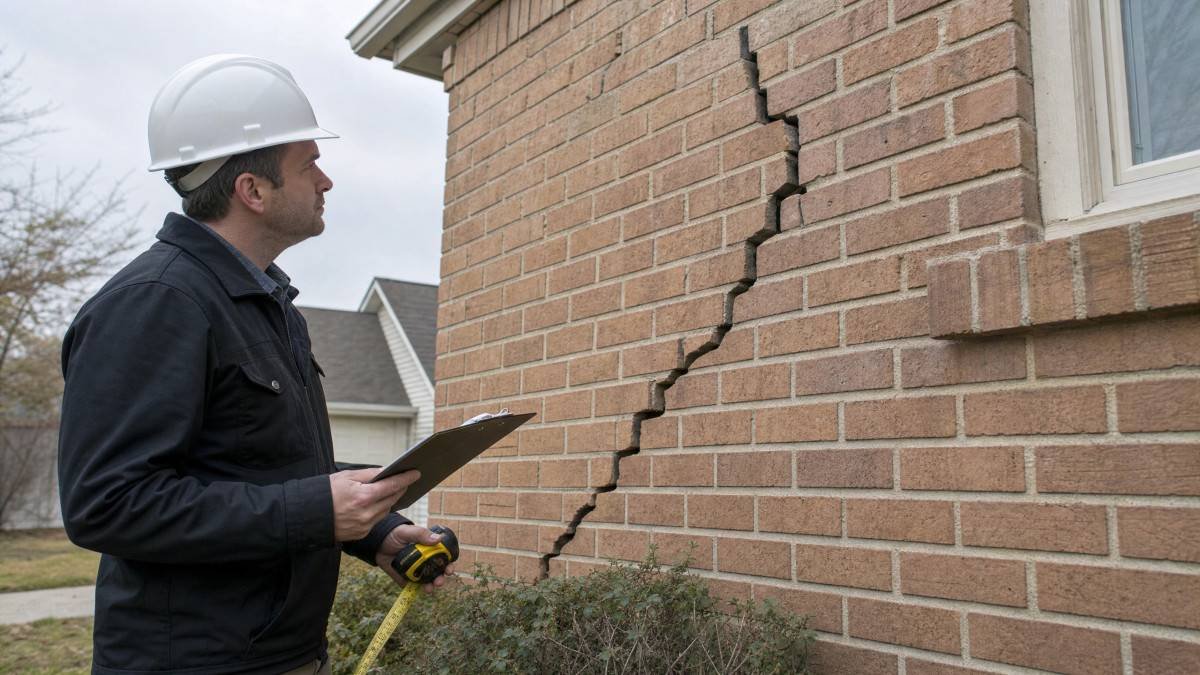

Understanding the integrity of a home’s structure is paramount for ensuring safety and preserving property value, reports Rentwerx Property Management New Braunfels. Structural damage, often insidious in its progression, can manifest in various subtle and overt ways, posing significant risks if left unaddressed. Recognizing these early warning signs is critical for homeowners, enabling timely intervention that can prevent minor issues from escalating into catastrophic failures. This article provides a comprehensive guide to identifying the key indicators of structural compromise, offering insights into what to look for and why these signs matter.
The foundation, walls, and roof form the skeletal system of any dwelling, bearing the cumulative weight and resisting environmental forces. When any component of this system is compromised, the entire edifice can be affected, leading to a cascade of problems ranging from cosmetic blemishes to severe instability. Factors such as soil movement, water intrusion, poor construction practices, and natural disasters can all contribute to structural degradation. A proactive approach to monitoring a home’s condition is therefore not merely a maintenance task but a fundamental aspect of responsible homeownership.
Cracks in Walls and Foundations
Cracks in walls and foundations are often the most visible and concerning indicators of potential structural damage, particularly when they are wide, diagonal, or extend through multiple building materials.
Cracks are a common occurrence in homes, but distinguishing between benign settlement cracks and those indicative of structural issues is crucial. Hairline cracks, typically less than 1/16 inch wide and often appearing vertically in plaster or drywall, are usually cosmetic and result from normal settling or temperature fluctuations. These are generally not a cause for alarm. However, cracks that are wider than 1/8 inch, run horizontally or diagonally, or form a stair-step pattern in brickwork warrant immediate attention. Such cracks often signal significant foundation movement, differential settlement, or excessive stress on load-bearing elements [1].
Foundation cracks, especially those that are wide, extend through the foundation wall, or show signs of displacement (where one side is higher or lower than the other), are particularly serious. These can indicate issues such as expansive soils, hydrostatic pressure, or inadequate footings. Vertical cracks in foundations can sometimes be benign if uniform and narrow, but any crack that allows water intrusion or shows signs of widening over time should be professionally evaluated. The presence of multiple, interconnected cracks across different parts of the house, such as walls, ceilings, and floors, further strengthens the suspicion of systemic structural problems [2].
Monitoring the progression of cracks is also vital. Homeowners can place small pieces of tape or plaster over suspicious cracks and note the date. If the tape breaks or the plaster cracks further, it indicates ongoing movement, necessitating a professional structural assessment. Ignoring these signs can lead to exacerbated damage, compromising the safety and long-term stability of the property.
Uneven or Sloping Floors
Uneven or sloping floors are a strong indicator of structural instability, often resulting from foundation settlement, weakened floor joists, or compromised subflooring.
A house with a perfectly level floor is rare, as minor settling is expected over decades. However, noticeable unevenness, significant slopes, or bouncy sections of flooring are red flags for structural problems. These issues can arise from several underlying causes, including differential settlement of the foundation, where one part of the foundation sinks more than another. This can be due to poor soil compaction, changes in soil moisture content, or inadequate drainage around the perimeter of the house. Over time, this uneven support translates directly to the floor system above, causing noticeable inclines or dips [1].
Another common cause is compromised floor joists or beams. These critical structural components can weaken due to water damage, insect infestation (such as termites or carpenter ants), or simply age and excessive loading. When joists lose their structural integrity, they can sag, leading to uneven floors. In older homes, original construction methods might not have accounted for modern loads, such as heavy furniture or appliances, contributing to floor deflection. A professional inspection can determine if the issue lies with the foundation, the floor framing, or a combination of both, providing a clear path for remediation [2].
To assess floor levelness, homeowners can use a long level or even a rolling ball. If a ball consistently rolls in one direction, it confirms a significant slope. Pay particular attention to areas near load-bearing walls or in the center of rooms, as these often reveal the most critical issues. Addressing these problems early can prevent further stress on the entire structural framework of the house.
Sticking Doors and Windows
Doors and windows that stick, jam, or no longer close properly are frequently symptomatic of structural shifts that distort their frames, indicating potential foundation or wall movement.
While humidity can cause wood frames to swell and lead to sticking doors or windows, persistent issues that occur regardless of weather conditions often point to more serious structural concerns. When a house settles unevenly, the door and window frames can become racked or distorted, preventing them from operating smoothly. This distortion is a direct consequence of stress being placed on the walls and their openings, indicating that the foundation or supporting elements are shifting [1].
Observing the pattern of sticking can provide further clues. If doors and windows on one side of the house consistently stick, it might suggest localized settlement on that side. Similarly, if doors and windows on upper floors are affected, it could point to issues with the load-bearing walls or floor joists below. It is important to differentiate between minor seasonal adjustments and persistent, worsening problems. A door that suddenly becomes difficult to close after a period of heavy rain, for instance, might indicate issues with drainage and hydrostatic pressure affecting the foundation [2].
Beyond just sticking, look for gaps around the frames, especially at the top or bottom, or if the frame itself appears visibly out of square. These are clear signs that the opening has been deformed by structural movement. While adjusting hinges or planing down doors might offer temporary relief, these actions do not address the root cause and the problem is likely to recur or worsen if the underlying structural issue is not resolved.
Bowing Walls and Sagging Ceilings
Bowing walls and sagging ceilings are critical indicators of excessive structural load, compromised framing, or significant moisture damage, demanding immediate professional assessment.
Walls that visibly bow inward or outward, or ceilings that exhibit a noticeable sag, are serious signs of structural distress. Bowing basement walls, for example, are often caused by excessive lateral pressure from saturated soil outside, which can push the foundation walls inward. This pressure can be exacerbated by poor drainage around the foundation, leading to hydrostatic forces that exceed the wall’s capacity. Over time, this can lead to severe cracking and eventual wall collapse if not addressed [1].
Similarly, sagging ceilings can indicate several problems, including weakened roof trusses or rafters, excessive weight in the attic (such as stored items or heavy insulation), or water damage from a leaky roof or plumbing. Water-saturated drywall or plaster becomes heavy and loses its structural integrity, leading to visible sagging. In some cases, a sagging ceiling might also point to issues with the floor joists of an upper level, especially if accompanied by unevenness on the floor above. The presence of water stains, discoloration, or a musty odor alongside a sagging ceiling further confirms moisture as a contributing factor [2].
It is crucial to distinguish between minor plaster imperfections and actual structural bowing or sagging. Use a level or a straightedge against the wall or ceiling to confirm the extent of the deviation. Any significant departure from flatness, particularly if accompanied by cracks or other signs of distress, should prompt an immediate inspection by a structural engineer. Early detection and repair of bowing walls or sagging ceilings are essential to prevent more extensive and costly structural failures.
Persistent Dampness and Mold
Persistent dampness, water stains, and recurring mold growth, particularly in basements or crawl spaces, often signify water intrusion issues that can compromise structural elements and lead to long-term damage.
While dampness and mold are often associated with health concerns, their persistent presence can also be a critical indicator of underlying structural problems related to water management. Water is one of the most destructive forces to a home’s structure. Chronic leaks, poor drainage, or high humidity levels can lead to wood rot, rust in metal components, and deterioration of concrete and masonry. Basements and crawl spaces are particularly vulnerable to water intrusion, which can weaken foundation walls, compromise support beams, and create an environment conducive to mold growth [1].
Signs of water intrusion include efflorescence (white, powdery deposits on masonry), water stains on walls or floors, peeling paint, and a consistently musty odor. If left unaddressed, prolonged exposure to moisture can lead to the softening and decay of wooden structural members, such as sill plates, floor joists, and support posts. This degradation reduces their load-bearing capacity, potentially leading to sagging floors, bowing walls, and overall structural instability. Furthermore, mold growth, while primarily a health hazard, thrives in damp conditions and can accelerate the decay of organic building materials [2].
Effective management of water around the home is paramount for structural preservation. This includes ensuring proper grading away from the foundation, maintaining functional gutters and downspouts, and installing French drains or sump pumps if necessary. Regular inspections of basements and crawl spaces for signs of dampness or leaks can help identify and mitigate these issues before they cause significant structural damage. Addressing water problems promptly is a fundamental step in maintaining the long-term integrity of a house.
| Sign of Damage | Potential Cause | Severity Indicator | Recommended Action |
|---|---|---|---|
| Hairline Wall Cracks | Minor settling, temperature changes | Low (cosmetic) | Monitor, seal if desired |
| Wide/Diagonal Wall Cracks (>1/8 inch) | Foundation movement, differential settlement | High (structural) | Professional structural assessment |
| Uneven/Sloping Floors | Foundation settlement, weakened joists | Medium to High (structural) | Structural engineer inspection |
| Sticking Doors/Windows | Frame distortion due to structural shift | Medium (structural) | Assess foundation/wall stability |
| Bowing Basement Walls | Hydrostatic pressure, soil expansion | High (structural) | Foundation repair specialist |
| Sagging Ceilings | Water damage, compromised framing, excessive load | Medium to High (structural) | Identify source, structural repair |
| Persistent Dampness/Mold | Water intrusion, poor drainage | Medium (can lead to structural) | Address water source, dehumidify |
Frequently Asked Questions
This section addresses common inquiries regarding the identification and implications of structural damage in residential properties.
What are the most common signs of structural damage?
Common signs of structural damage include visible cracks in walls or foundations, uneven or sloping floors, sticking doors and windows, bowing walls, and persistent dampness or mold in basements. These indicators often suggest underlying issues with a building’s integrity that require professional assessment.
How can I differentiate between cosmetic and structural cracks?
Cosmetic cracks are typically hairline, superficial, and often appear in plaster or drywall, usually due to minor settling or temperature fluctuations. Structural cracks, conversely, are wider (exceeding 1/8 inch), often diagonal or horizontal, and may extend through the foundation or load-bearing walls. They can also show signs of displacement, where one side of the crack is higher or lower than the other.
What should I do if I suspect structural damage?
If structural damage is suspected, it is crucial to contact a qualified structural engineer or a reputable foundation repair specialist immediately. They can conduct a thorough inspection, accurately diagnose the problem, and recommend appropriate remedial actions. Early intervention can prevent further deterioration and more costly repairs.
Can structural damage be repaired?
Yes, most forms of structural damage can be repaired, though the complexity and cost vary significantly depending on the extent and nature of the issue. Repairs might involve foundation underpinning, crack injection, wall reinforcement, or drainage improvements. A professional assessment is essential to determine the most effective repair strategy.
Recognizing the early signs of structural damage is a critical skill for any homeowner. From subtle wall cracks to more overt issues like bowing walls or sagging ceilings, these indicators serve as vital warnings that a home’s integrity may be compromised. Prompt identification and professional evaluation are essential steps in mitigating potential risks, ensuring the safety of occupants, and preserving the long-term value of the property. Investing in regular inspections and addressing concerns proactively can save significant time, money, and stress in the future.
References
- FEMA P-550, Chapter 5: Foundations and Floors
- HUD Homeowner’s Guide to Foundations