

A Glass of Red and a Sales Promise
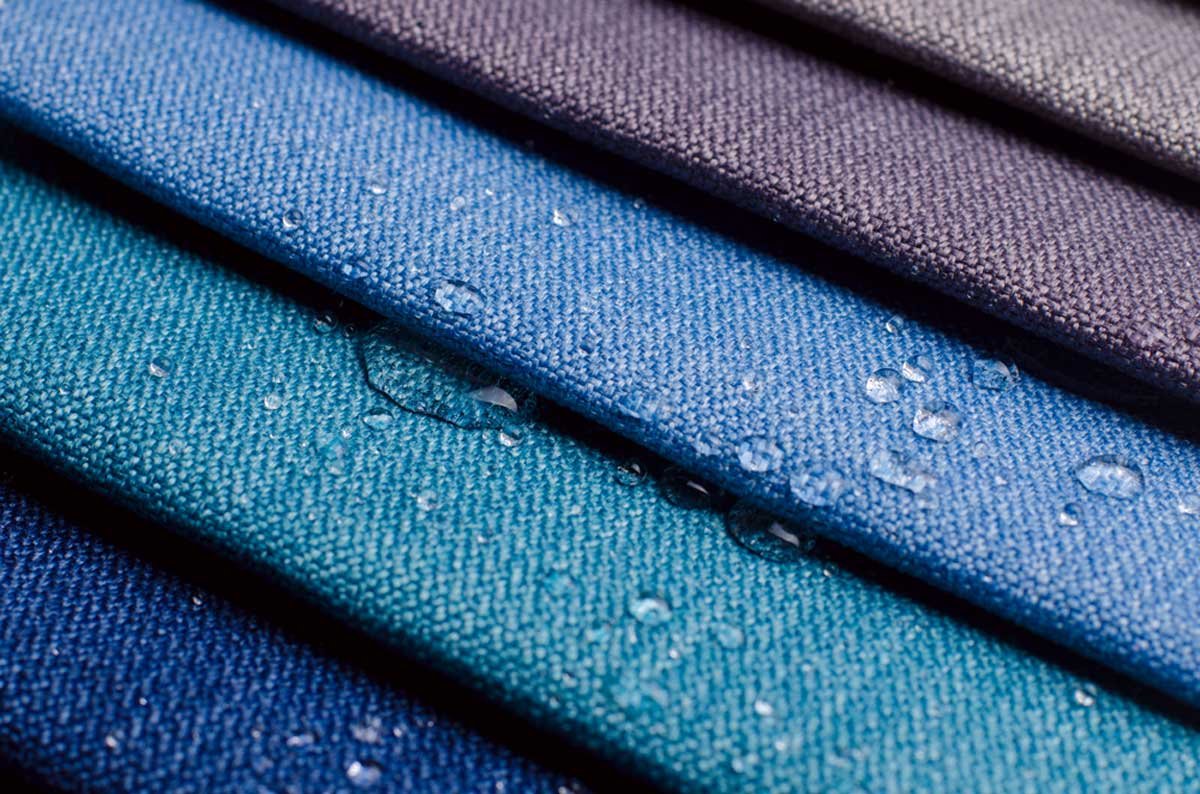
Picture the showroom. Somebody in a nice blazer pours water on a sofa cushion and it beads up like rain on a freshly waxed car. Magic. You buy the sofa.
Six months later a guest gestures a little too enthusiastically with a glass of cabernet, and the magic turns out to have terms and conditions. Anyone who has ever booked sofa cleaning nyc after a party knows the
feeling: the fabric did resist, for about forty seconds, and then the wine found the seams.
So what exactly is a performance fabric, and how much of the label should you believe?
What “Performance” Usually Means
The word isn’t regulated, which is the first thing worth knowing. In practice it covers a few different technologies:
- Solution-dyed acrylics and olefins, where color is added to the fiber while it’s still liquid, so fading and bleach spots are less of a problem
- Tightly woven polyester and microfiber, which give spills less room to sneak between threads
- Fabrics with a chemical finish that lowers surface tension so liquids bead instead of soaking in
- Moisture barriers laminated to the back of the cloth, which keep spills away from the cushion foam
Each one solves a different problem. A barrier protects the foam but does nothing about a stain sitting on the surface. A finish buys time but wears. Solution dyeing handles color, not grease.
The finish is the fragile part
Repellent finishes behave a bit like the wax on that car. Friction, body oils and aggressive cleaning wear them down. Arms and seat fronts, where hands and legs rub all day, usually lose it first.
There’s also a chemistry story. Many older stain-repellent finishes relied on PFAS, the “forever chemicals” family. Several US states, California among them, have moved to restrict PFAS in textiles, and manufacturers have been reformulating. Newer PFAS-free finishes exist, though reviewers online
often note they handle water better than oil. Translation: your salad dressing may not get the memo.
Resistant Is Not the Same as Proof
William Morris told people to “have nothing in your houses that you do not know to be useful, or believe to be beautiful.” He didn’t mention indestructible, and neither should a sofa label.
Stain resistant means a spill gives you a window. It does not mean the spill disappears on its own. Three things close that window fast.
Time
Liquid beading on top is a gift. Liquid left there overnight eventually finds a weak spot in the weave.
Heat and pressure
Sitting on a spill, or blasting it with a hair dryer, drives it deeper than any pour ever could.
Oil
Water-based messes are where performance fabrics shine. Body oil, lotion, pizza grease and hair products are a different fight, and it’s the one these fabrics lose most often. Ever noticed a darker patch where heads rest? That’s not dirt in the usual sense. It’s oil, slowly loading up the fibers.
The Right First Five Minutes
When something lands on a performance sofa, the order of operations matters more than the product.
- Blot, don’t rub. Rubbing pushes liquid sideways and grinds it into the weave.
- Check the cleaning code on the tag, the W, S, W/S or X letters, before reaching for anything wet.
- Use the least aggressive option first: cool water and a white cloth for most water-safe fabrics.
- Work from the outer edge toward the center so the stain doesn’t grow a ring.
- Dry the area with a fan rather than heat.
- If a shadow is still visible once it’s fully dry, stop experimenting.
That last point saves more sofas than any spray. Home experiments with dish soap or vinegar often strip what’s left of the finish, leaving a clean-looking spot that now absorbs everything.
Is It Worth Paying Extra?
Short answer: often yes, with realistic expectations.
Warren Buffett’s line fits nicely here: “Price is what you pay. Value is what you get.” A fabric that buys you a minute with red wine and keeps its color in a sunny room has real value, especially with kids, pets or a habit of eating dinner in front of the TV. Online, market reports keep
describing performance fabrics as one of the fastest-growing segments in upholstery, which suggests plenty of households have done the same math.
Where the value leaks out is in expectations. People who buy “stain-proof” tend to stop vacuuming, skip regular cleaning and let small marks pile up, trusting the label to handle it. The label can’t. Built-up oil and grit wear down a finish faster, and a worn finish is just ordinary fabric with a
fancy invoice.
Living With It, Not Just Buying It
A sensible routine looks pretty unglamorous. Vacuum weekly with an upholstery tool, seams included. Flip and rotate loose cushions so wear spreads evenly. Wipe arms and headrest zones more often than the rest. Book a deep clean once oil shadows start showing, before they settle in for good.
None of it is exciting. All of it stretches the life of the fabric and its finish.
Performance upholstery does live up to the label, as long as you read the label correctly. It promises a head start, not immunity. Treat it like a good raincoat: excellent in a storm, but nobody expects it to stay spotless after years of being tossed on the back seat of a car.