
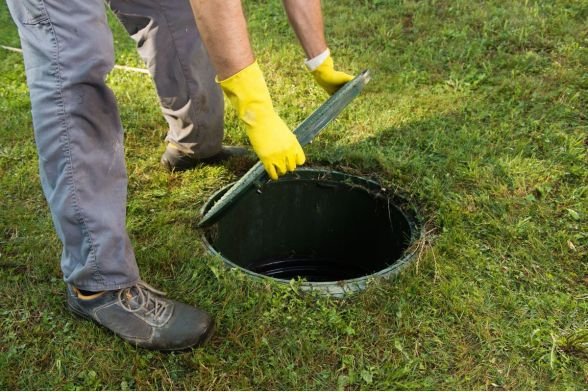

A standard home inspection examines the roof, the foundation, the electrical panel, the HVAC system, and the visible plumbing, say Keyrenter Austin specialists. It does not examine the sewer line buried under the yard. That pipe — the one that carries everything from your toilets, sinks, and showers to the municipal main or septic tank — can be partially collapsed, full of tree roots, or made of a material that was obsolete 50 years ago, and the general inspector will not find it because they do not look. A dedicated sewer line inspection costs $250 to $500 and takes 30 to 60 minutes. A sewer line replacement costs $8,000 to $30,000. The inspection is the most cost-effective due diligence a homebuyer can perform, and roughly 80% of homebuyers skip it.
The logic of skipping a sewer inspection is easy to understand in the moment. The offer has been accepted. The inspection period is tight — 7 to 14 days in most contracts. The buyer is already paying $400 to $600 for the general inspection, $300 to $500 for the termite inspection, and potentially $500 to $800 for a structural engineer if the general inspection flagged foundation concerns. Adding another $300 to $500 for a sewer scope feels like one more check in a long series of checks. But the sewer line is the only system in the house whose failure floods the basement with sewage, shuts down all water use until it is repaired, and cannot be temporarily mitigated with a bucket or a tarp. It is the single highest-consequence system in the house, and it is the one most buyers do not inspect.
“Offer accepted — sewer inspection failed. Cast iron pipe from 1952, fully corroded, multiple cracks, roots everywhere. Seller is offering a $2,000 credit. The repair quotes are $12,000-$18,000. We’re first-time buyers and we don’t know if we should walk or try to negotiate harder.”
— r/FirstTimeHomeBuyer, April 2026 (270 upvotes, 148 comments), source
The seller’s $2,000 credit offer against an $18,000 repair is not a negotiation. It is a test of whether the buyer understands what they are looking at. A fully corroded cast iron sewer line from 1952 is not a repairable defect. It is a pipe that has reached the end of its material life. Every section of that pipe is equally old, equally corroded, and equally likely to fail within the next 5 years. A credit that covers 10% of the known repair cost is an offer to make the problem go away for the seller, not to solve it for the buyer. The correct response is not to negotiate the credit amount. It is to require the seller to repair the line to a condition that passes a re-inspection, or to reduce the sale price by the full cost of replacement.
What a Sewer Line Inspection Actually Is — and What It Finds
A sewer line inspection, also called a sewer scope or sewer camera inspection, inserts a waterproof video camera attached to a flexible cable into the sewer line through an access point, typically a cleanout in the yard or the vent stack on the roof. The camera travels the full length of the line from the house to the municipal connection or septic tank, recording video the entire way. The operator narrates what they see, the pipe material, the condition of the joints, the presence of water standing in the line, any root masses, any cracks, any offsets, any belly or sag in the line, and the location of each defect as measured by a distance counter on the cable reel. The entire inspection takes 30 to 60 minutes. The buyer receives a video file and a written report with still images of each defect and its distance from the access point.
A standard home inspection runs water through the fixtures and notes whether the drains are slow. This tells you whether the sewer line is currently flowing. It does not tell you whether the line is 80% blocked by roots and will back up during the first heavy rain after closing, whether the cast iron pipe is so corroded that the bottom third of the pipe is missing and the soil underneath is eroding into a void that will eventually collapse the pipe, or whether the line has a belly that holds standing water and solids that will eventually form a blockage at the low point. Any of these conditions can exist in a sewer line that still drains adequately during a 30-minute home inspection. The camera sees what the water flow hides.
According to EPA infrastructure guidance, aging underground utility lines, including residential sewer laterals, are a leading cause of groundwater contamination and property damage in the United States, making pre-purchase inspection of these buried assets one of the most impactful due diligence steps a homebuyer can take.
When a Sewer Inspection Is Non-Negotiable
While every homebuyer should consider a sewer scope as part of due diligence, four property conditions make the inspection effectively mandatory, homes over 25 years old with aging cast iron or clay pipes, properties with mature trees near the sewer path, houses with a disclosed history of backups or frequent drain cleaning, and any property on a septic system where both the line and the tank require separate inspections.
The home is more than 25 years old. Sewer pipes installed before roughly 2000 are likely to be cast iron (corrodes from the inside out), clay tile (cracks and separates at the joints), or Orangeburg (a bituminous fiber pipe used from the 1940s to the 1970s that collapses under its own weight over time). Any of these materials are at or near the end of their useful life at 25 to 50 years of age. A house built in 1980 with a cast iron sewer lateral is a ticking clock.
There are mature trees on the property or between the house and the street. Tree roots seek water and nutrients. A sewer line carries both. Roots enter through the smallest crack in a pipe joint, expand inside the pipe, and eventually form a solid mass that blocks flow entirely. A sewer scope identifies root intrusion and measures how much of the pipe diameter has been lost. Root intrusion that occupies less than 25% of the pipe diameter can often be cleared mechanically and managed with root-killing treatments. Root intrusion that occupies more than 50% of the pipe means the roots have structurally damaged the pipe at every entry point, and the pipe will continue to fail even after mechanical clearing.
The house has a history of backups or frequent drain cleaning. Seller disclosures should mention known plumbing issues. If the disclosure mentions “occasional drain backup” or “drains cleaned annually,” the problem is not occasional. It is chronic. The seller is describing the symptom. The sewer scope will find the cause.
The house is on a septic system. Septic tank pumping and inspection is a separate service from a sewer scope. A sewer scope can inspect the line from the house to the tank. The tank itself and the drain field require a septic inspection, which is a different service with a different inspector. Both are necessary on a septic property.
How to Use Sewer Inspection Results in Negotiations
The sewer inspection report gives the buyer three options: accept the condition as-is, negotiate for repair or credit, or walk away. The correct response depends on the severity of the defect, the cost of repair, and the availability of trenchless repair methods that reduce the cost and disruption.
Minor defects, root intrusion under 25%, minor offset at one joint, light scaling. These are maintenance items, not deal-breakers. The buyer can request that the seller clear the roots and treat the line before closing, or accept the condition and budget $500 to $1,000 for root clearing and treatment after closing. These defects do not justify a price reduction.
Moderate defects, root intrusion over 25% but under 50%, multiple offset joints, a small belly holding water. These are repairable conditions that will worsen if ignored. The repair cost using trenchless methods, CIPP lining or pipe bursting, is $3,000 to $8,000 for a standard residential lateral. The buyer should request that the seller either repair the line before closing at the seller’s expense, or provide a credit at closing equal to the repair estimate from a licensed plumbing contractor. Most sellers will choose the credit because it avoids the scheduling and liability of managing a repair on a house they are about to leave. The credit is applied at closing and reduces the buyer’s cash-to-close requirement.
Severe defects, fully collapsed pipe, root intrusion over 50%, cast iron with bottom missing, Orangeburg pipe. These conditions require full pipe replacement. The repair cost is $8,000 to $30,000 depending on depth, length, surface restoration, and whether the pipe runs under a driveway, patio, or street. The buyer should request full replacement by the seller before closing, or a price reduction equal to the replacement estimate. If the seller refuses, and the $2,000 credit against an $18,000 repair is effectively a refusal, the buyer should seriously consider walking away. A sewer line in this condition will fail within months to a few years. The repair will not get cheaper by waiting, and the damage from a failure, sewage backup into the house, adds thousands in remediation costs on top of the pipe repair.
Sewer Scope vs. General Home Inspection, What Each Covers
A general home inspection checks drain flow by running water and watching for backups, a test that confirms the line is currently flowing but reveals nothing about pipe material, internal corrosion, root intrusion, or structural defects that will cause a failure months or years later. The sewer scope inspects the pipe interior with a video camera, documenting every defect and its exact location, information the general inspection cannot provide because it does not look inside the pipe.
| What Is Inspected | General Home Inspection | Sewer Scope |
| Visible interior plumbing | Yes | No |
| Drain flow rate (run water, watch) | Yes | No |
| Pipe material identification | No | Yes |
| Root intrusion | No | Yes |
| Cracks, offsets, bellies | No | Yes |
| Corrosion, wall loss | No | Yes |
| Video documentation | No | Yes |
| Cost | $400–$600 | $250–$500 |
Frequently Asked Questions
Do I need a sewer inspection on a newer home?
Generally no, but with a caveat. Homes built after 2000 typically have PVC sewer laterals that do not corrode, crack at the joints, or attract tree roots the way older materials do. The risk of a sewer line defect in a 5-year-old home is extremely low. However, new construction does not guarantee a problem-free lateral. If the yard was poorly graded and the sewer trench settled unevenly, creating a belly or a separated joint, the problem existed from day one. If the builder connected to the municipal main incorrectly, the problem existed from day one. A sewer scope on a new home is low-yield but not zero-yield. For buyers who want complete certainty, the $300 inspection buys peace of mind. For most buyers of newer homes, the money is better allocated elsewhere in the inspection budget.
How much does a sewer line inspection cost?
$250 to $500 for a standalone sewer scope from a licensed plumbing contractor or a specialized sewer inspection company. The cost may be lower, $150 to $250, if bundled with a general home inspection from a multi-service inspection company. The cost may be higher, $500 to $700, if the sewer access point is difficult to reach, the line is unusually long, or the scope must be performed from the roof vent because there is no ground-level cleanout. The inspection cost is not the place to save money. A $99 sewer scope special from a company that also sells sewer repairs is a loss-leader designed to find a problem they can quote a repair for. Use an independent inspector who does not perform repairs and has no financial incentive to find damage.