
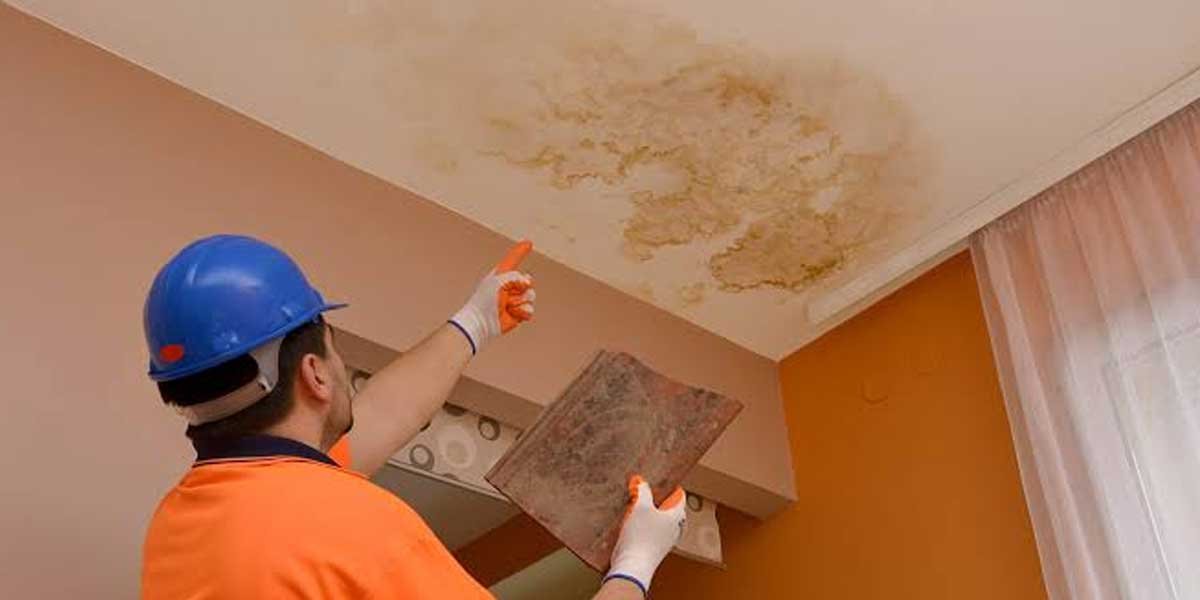

The signs you need leak detection service center on water going where it should not: a water bill that climbs for no reason, a meter that keeps running with every fixture off, damp or discolored patches on the walls, a musty smell or mold, a soft or warm spot in the floor, and a jump in household moisture all point to a hidden leak, and household leaks waste nearly a trillion gallons a year nationwide, with worn toilet flappers, dripping faucets, and leaking valves among the most common causes per the EPA’s WaterSense program. A hidden leak can cause thousands in damage before it shows, and a professional leak finding locates it without tearing the home apart.
Start with the meter test and a toilet dye test, and call a licensed plumber at the first sign of an active leak, water near the electrical, or a spread of moisture and mold. Below is the severity table and how to check.
Signs you need leak detection service, by severity
Sort the leak signs by how fast they harm the home: an active leak, water near the electrical, or visible water is urgent and a licensed plumber’s call, while a climbing bill, a damp patch, or a musty smell warrants a leak test or a professional finding soon. The table lines up the symptom, the cause, the urgency, and the safe next step, note Harper Property Management specialists.
| Symptom | Likely cause | Urgency | Safe next step |
|---|---|---|---|
| Visible or spraying water | Failed pipe, fitting, or hose | Urgent | Shut the water; call a plumber |
| Water near outlets or wiring | Leak behind a wall | Urgent | Turn off power; call a plumber |
| Meter runs with fixtures off | Hidden pipe or slab leak | Urgent | Meter test; call a pro |
| Water bill climbs without use | Toilet flapper or dripping valve | Plan soon | Dye test; call for a finding |
| Damp or discolored wall patch | Leak behind the wall | Plan soon | Leak test; call a pro |
| Musty smell, mold, soft floor | Moisture and concealed leak | Plan soon | Call a leak-detection pro |
The table is the honest triage. A visible or spraying leak, water near an outlet or the wiring, or a meter that keeps running with the fixtures off is urgent, so shut the main water and call a licensed plumber, and never let water meet the electrical. A water bill that climbs without the use, a damp or discolored patch, a musty smell or mold, a soft or warm floor, or a jump in moisture reads as a concealed leak and warrants a leak test now and a professional finding soon, since the damage inside a wall only grows. Catch a leak early and it is a targeted repair, not a wall torn open.
The signs you can see and feel
Watch for the clues a hidden leak leaves behind, a water bill or a meter that moves more than it should, a damp or discolored patch, a musty smell, mold, a soft or warm floor, and a jump in household moisture, because a concealed leak shows its trail before it shows the source. The plumbers at Roto-Rooter list a sudden water-bill spike, damp wall patches, and unexplained mold among the clearest signs of a hidden leak behind a wall, under a floor, or in a slab.
The signs are read in the details. A water bill that climbs with no change in use, or a meter that advances when everything is off, often means a slow leak past a seal or a valve, while a damp or discolored patch on a wall or ceiling, peeling or crumbling drywall, and a musty smell or a patch of mold point to moisture trapped behind the surface. A soft, spongy, or unusually warm spot in the floor can mean a leak in a pipe or under a slab, and a steady rise in household humidity or a water stain that grows after a rain can mark a rising or a hidden source. Any of these warrants a leak test or a professional finding, because the longer a leak hides, the more it costs when it finally shows.
A quick leak test you can do yourself
Run the meter test and a toilet dye test to see whether a leak is real before calling a professional, since both are quick and tell you whether to spend the time and the money on a finding. The meter test catches a slow leak anywhere downstream of the meter, and the dye test checks the toilet’s flapper, one of the most common leakers.
The tests are simple. For the meter test, shut off every faucet and fixture, note the reading on the water meter, wait about an hour without running anything, and then check the meter again; if it moved while everything was off, a leak is feeding it, and you have a real reason to call a professional. For the toilet dye test, lift the tank lid, drop a few drops of food coloring into the tank water, and wait about ten to fifteen minutes without flushing; if the color crosses into the bowl, the flapper is letting water leak through, a common and often easy fix. Both tests are safe from the ground, and they give you a clear signal before a licensed plumber’s finding.
What a professional leak detection finds
Call a professional when you cannot find the source, when the leak sits behind a wall, under a floor, or in a slab, or when the water meets the electrical, because a licensed plumber uses acoustic, thermal, and pressure methods to locate a hidden leak without tearing the home apart. The professional’s tools find what a meter test cannot.
The professional goes where a homeowner cannot. A leak in a wall, under a slab, or beneath a floor is out of reach of the eye, and a licensed plumber uses sound to hear the leak’s flow, a thermal or infrared camera to see the temperature change of a damp spot, and pressure and moisture readings to pin the source, then repairs it in one visit. Call a professional when the meter test confirms a leak you cannot see, when a damp patch or mold spreads, or when water nears an outlet, a junction, or a panel, and turn off the power at the breaker if water is near the electrical. Catch the source early and the fix is small, where a missed leak costs the wall and the structure behind it.
When to call a licensed plumber
Shut the main water and call a licensed plumber at the first sign of an active or visible leak, water near the electrical, or a leak the meter confirms and you cannot locate, because a professional finding stops the damage before it grows. Small leaks left to hide cost far more.
The point to call is clear. A visible or spraying leak, water under a wall or pooling near a baseboard, or any water near an outlet, a junction, or a breaker is an emergency, so shut the main water, cut the power near the water, and call a licensed plumber. A meter that confirms a leak you cannot find, a wall or floor that shows a growing damp patch or mold, or a bill that keeps climbing warrants a professional leak detection before the wall is opened. Insurance for a leak often turns on the cause, with a sudden, accidental leak more likely covered than slow, long-term wear, so document the damage, the date, and the finding. Check early, test early, and call at the first solid sign, and the repair stays a repair rather than a rebuild.
Frequently asked questions
How much should leak detection cost? Leak detection cost varies by the method and the region, so a licensed plumber’s finding is best priced with a quick quote for your home and the suspected location. Most services give a finding before any repair.
What is the most common water leak in a house? The most common household leaks are a worn toilet flapper, a dripping faucet, and a leaking valve, per the EPA’s WaterSense program, and these often waste the most water of the small leaks. A dye test catches a toilet flapper quickly.
Does home insurance cover leak detection? Coverage depends on your policy and the cause, with a sudden, accidental leak more likely covered than a slow, long-term wear leak, so check your policy and your dates. Document the damage and the finding.
How long can a water leak go undetected? A hidden leak can go undetected for weeks or months, since a slow leak behind a wall or under a slab shows only as a climbing bill or a growing damp patch. The meter test catches it early.
Should I call a plumber for every small drip? A single small drip from a faucet is often a quick fix, but a leak you cannot see or locate, a meter that runs, or a damp, moldy, or wet patch is worth a professional finding. Act early before it reaches a wall or the structure.
Let the meter, the moisture, and the source decide
Judge the signs you need leak detection service by the meter, the moisture, and the source: an active or visible leak, water near the electrical, or a meter that runs with the fixtures off is urgent, so shut the main water and call a licensed plumber, while a climbing bill, a damp patch, mold, or a soft floor warrants a leak test and a professional finding soon. Household leaks waste nearly a trillion gallons a year, so catch them early with the meter and the dye tests, and let a licensed plumber find what hides in a wall or under a slab. Act on the first solid sign, and the leak costs a repair, not a rebuild. The signs you need faucet installation service guide covers the connected fixture side of the same problem.