
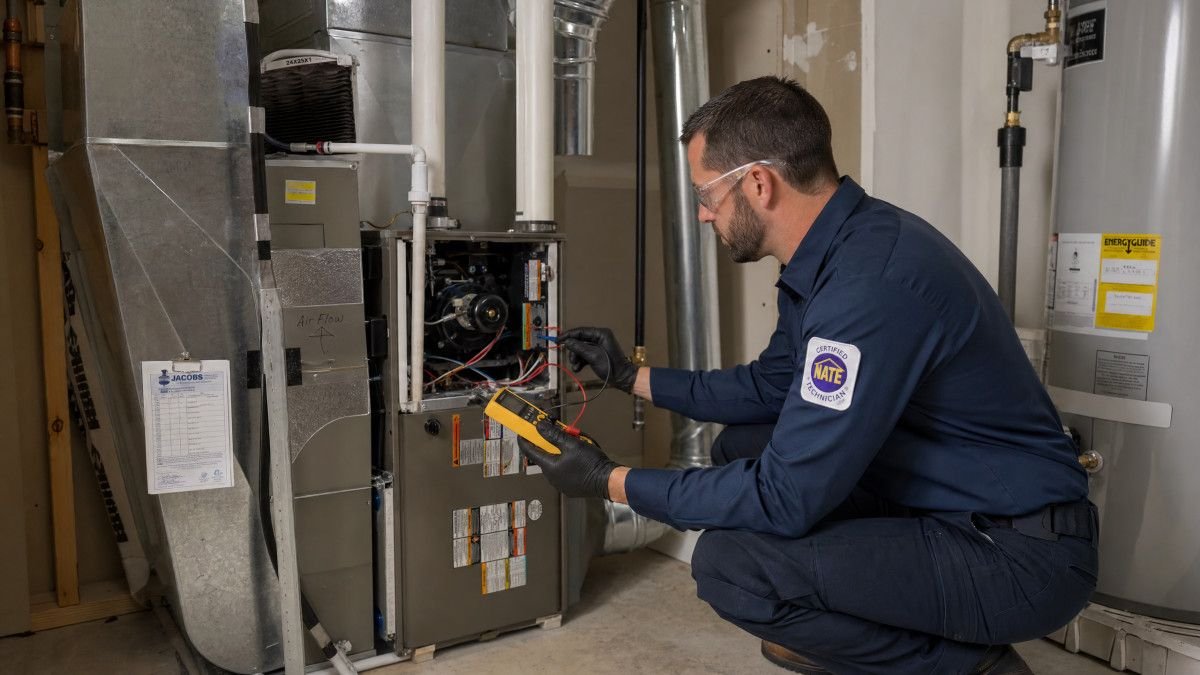

A properly functioning Heating, Ventilation, and Air Conditioning (HVAC) system is integral to maintaining a comfortable and healthy indoor environment, notes RENOSY Atlanta. Regular inspections are not merely a recommendation but a critical practice for ensuring system longevity, optimal performance, and energy efficiency. These comprehensive assessments identify potential issues before they escalate into costly repairs, thereby safeguarding both your investment and your peace of mind. Understanding the scope of an HVAC inspection empowers homeowners to make informed decisions regarding their property’s climate control.
HVAC systems encompass a variety of configurations, including central air conditioners, heat pumps, furnaces (gas, electric, or oil), ductless mini-split systems, and boilers. Each type possesses unique components that necessitate specific attention during an inspection. For instance, a heating system inspection will focus on elements such as burner flames and heat exchangers, while an air conditioning inspection will prioritize refrigerant levels and condenser coils. Regardless of the system installed, a professional inspection guarantees its readiness to provide consistent comfort throughout the year.
Understanding the Core Components of an HVAC Inspection
An HVAC system inspection is a thorough evaluation of all critical components, including the thermostat, electrical connections, moving parts, condensate drain, air filters, refrigerant levels, ductwork, and safety controls, to ensure safe and efficient operation.
A comprehensive HVAC inspection systematically examines various parts of the system to ascertain their condition and functionality. This process typically begins with the thermostat, which serves as the central control unit. Technicians verify its accuracy in reading temperatures and its ability to communicate effectively with the heating and cooling units. Proper thermostat operation is fundamental for maintaining desired indoor temperatures and preventing unnecessary energy consumption.
Electrical connections are another vital area of focus. Loose or corroded wiring can lead to system malfunctions, reduced efficiency, and significant safety hazards, including potential fire risks. Inspectors meticulously tighten connections and assess voltage levels to ensure stable and secure electrical flow. Furthermore, all moving parts within the system, such as motors, fans, and bearings, require proper lubrication to minimize friction and prevent premature wear and tear, which can otherwise lead to costly component failures.
The condensate drain system, particularly in air conditioning units, is inspected for blockages. A clogged drain can result in water damage, mold growth, and system shutdowns due to overflow. Technicians clear any obstructions and confirm proper drainage to prevent these issues. Air filters are also critically examined; dirty filters restrict airflow, significantly reducing system efficiency and compromising indoor air quality. Filters are either cleaned or replaced as needed, a simple yet impactful step in maintaining system health.
Identifying Warning Signs That Necessitate an Inspection
Several indicators, such as unusual noises, strange odors, uneven heating or cooling, elevated energy bills, frequent cycling, and poor airflow, signal that an HVAC system requires immediate professional inspection.
HVAC systems often provide discernible clues when they are experiencing problems. Homeowners should be vigilant for unusual noises, including banging, rattling, or squealing sounds, which can indicate loose components, motor issues, or airflow obstructions. These auditory warnings should prompt a professional assessment to diagnose and rectify the underlying cause before it leads to more severe damage or system failure.
Strange odors emanating from the HVAC system or vents are another critical warning sign. Musty smells frequently suggest mold or mildew growth within the ductwork or evaporator coil, posing potential health risks. Conversely, burning odors might point to electrical issues, such as overheating wires or components, which require immediate attention to prevent fire hazards. Any persistent or unusual smell warrants a thorough inspection by a certified technician.
Uneven heating or cooling across different areas of a home, where some rooms are noticeably warmer or colder than others, often signifies underlying issues with the HVAC system’s distribution. This could be due to ductwork problems, refrigerant imbalances, or a malfunctioning zone control system. Additionally, a sudden and unexplained increase in energy bills, without a corresponding change in usage patterns, is a strong indicator that the HVAC system is operating inefficiently, working harder than necessary to maintain desired temperatures.
The Indispensable Role of Regular HVAC Maintenance
Regular HVAC maintenance, including professional inspections, is essential for early problem detection, enhancing energy efficiency, extending system lifespan, improving indoor air quality, and ensuring operational safety.
Proactive maintenance of an HVAC system is a cost-effective strategy that yields numerous long-term benefits. Neglecting routine inspections might offer short-term savings, but it invariably leads to more significant expenses down the line. Small issues, such as a minor refrigerant leak or a slightly misaligned fan blade, can rapidly escalate into major breakdowns if left unaddressed. Regular check-ups enable technicians to identify and rectify these nascent problems, preventing them from compromising the entire system’s integrity and functionality.
One of the primary advantages of consistent HVAC maintenance is the significant improvement in energy efficiency. Over time, components like air filters become clogged, and coils accumulate dirt, forcing the system to expend more energy to achieve the same heating or cooling output. An inspection ensures that all parts are clean and operating optimally, thereby reducing energy consumption and lowering utility bills. This efficiency not only benefits the homeowner financially but also contributes to a reduced environmental footprint.
Furthermore, routine maintenance plays a crucial role in extending the operational lifespan of an HVAC system. These complex machines are designed for durability, but their longevity is directly proportional to the care they receive. Inspections mitigate wear and tear, ensuring that all components function within their intended parameters. This proactive approach delays the need for premature system replacement, representing substantial savings. Beyond mechanical benefits, regular maintenance significantly enhances indoor air quality by ensuring filters are clean and ductwork is free from contaminants, thereby reducing allergens and pollutants within the living space.
What to Expect During a Professional HVAC Inspection
A professional HVAC inspection typically involves a 60-90 minute comprehensive assessment by a certified technician, covering thermostat function, electrical connections, lubrication of moving parts, condensate drain, air filter, refrigerant levels, ductwork, safety controls, and a final system performance test.
When a certified HVAC technician arrives for an inspection, the process is systematic and thorough, typically lasting between 60 to 90 minutes, depending on the system’s complexity and condition. The technician will begin by evaluating the thermostat, confirming its calibration and responsiveness to temperature changes. This ensures the system activates and deactivates precisely as programmed, preventing energy waste and maintaining consistent comfort levels. Any discrepancies in thermostat readings or functionality will be noted and addressed.
Following the thermostat check, the technician will proceed to inspect all electrical connections within the unit. This involves tightening any loose wires, checking for signs of corrosion, and verifying appropriate voltage and amperage. Secure electrical connections are paramount for both operational safety and efficiency, preventing potential shorts or power fluctuations that could damage components. Lubrication of all moving parts, such as fan motors and bearings, is also performed to reduce friction, minimize noise, and extend the lifespan of these critical mechanical elements.
The inspection further includes a detailed examination of the condensate drain line to ensure it is clear of obstructions and draining properly. Blockages can lead to water leaks, which can damage ceilings, walls, and flooring, as well as foster mold growth. Air filters are assessed for cleanliness and replaced if necessary, a crucial step for maintaining optimal airflow and indoor air quality. For cooling systems, refrigerant levels are checked; insufficient refrigerant can impair cooling capacity and overwork the compressor, leading to premature failure. The technician will also inspect accessible ductwork for leaks or damage, which can significantly reduce system efficiency and impact air distribution. Finally, all safety controls, including limit switches and pressure sensors, are tested to ensure they function correctly, providing critical protection against system malfunctions and potential hazards.
ASHRAE Standards and Best Practices for HVAC Inspections
ASHRAE standards, particularly 180-2018, provide comprehensive guidelines for HVAC system inspection and maintenance, defining specific tasks, frequencies, and documentation requirements to ensure system performance, energy efficiency, and indoor air quality.
The American Society of Heating, Refrigerating and Air-Conditioning Engineers (ASHRAE) sets forth rigorous standards that guide the design, installation, and maintenance of HVAC systems. ASHRAE Standard 180-2018, specifically, outlines the standard practice for the inspection and maintenance of commercial HVAC systems, providing a robust framework that is also highly relevant for residential applications. This standard details task-level preventive maintenance schedules for various components, including air handling units, chillers, boilers, cooling towers, and terminal units, specifying minimum inspection frequencies and necessary documentation.
Compliance with ASHRAE standards ensures that HVAC systems not only meet design specifications but also operate efficiently and safely throughout their lifespan. For instance, ASHRAE 62.1 establishes minimum ventilation rates and indoor air quality (IAQ) requirements, emphasizing the importance of maintaining ventilation systems as per design intent. This includes regular verification of damper actuators, outdoor air sensors, and economizer controls. Similarly, ASHRAE 90.1 focuses on energy efficiency for commercial buildings, mandating automatic controls and energy monitoring, which are directly impacted by the quality of maintenance and inspection practices.
Adhering to these established standards and best practices during an HVAC inspection involves a systematic approach. Technicians follow detailed checklists that cover every aspect of the system, from verifying proper airflow and ventilation to checking and replacing air filters, assessing thermostat accuracy, and inspecting ductwork for leaks. Documentation of these tasks, along with any identified deficiencies and corrective actions, is crucial for maintaining a historical record of the system’s health and ensuring compliance with industry benchmarks. This meticulous approach guarantees that the HVAC system functions optimally, providing consistent comfort while minimizing operational costs and environmental impact.
| Component | Purpose of Inspection | Typical Frequency | Relevant Standard/Guideline |
|---|---|---|---|
| Thermostat | Verify accuracy and communication with system | Annually/Bi-annually | Manufacturer Specifications |
| Air Filters | Check for cleanliness, replace if needed | Monthly/Quarterly | ASHRAE 62.1 (IAQ) |
| Electrical Connections | Tighten, check voltage/amperage for safety | Annually/Bi-annually | NFPA 70 (National Electrical Code) |
| Condensate Drain | Clear blockages, ensure proper drainage | Annually/Bi-annually | Manufacturer Specifications |
| Refrigerant Levels | Check for leaks, adjust levels (cooling systems) | Annually (cooling season) | EPA Section 608 |
| Ductwork | Inspect for leaks, damage, proper sealing | Annually/Bi-annually | ACCA Manual D |
| Heat Exchanger | Inspect for cracks, corrosion (furnaces) | Annually (heating season) | ANSI Z21.47 (Gas Furnaces) |
| Safety Controls | Test limit switches, pressure sensors | Annually/Bi-annually | Manufacturer Specifications |
Frequently Asked Questions
How often should I have my HVAC system inspected?
For most residential HVAC systems, it is recommended to have professional inspections twice a year. This typically involves a check-up in the spring for the air conditioning unit before the summer heat arrives, and another in the fall for the heating system before winter sets in. This bi-annual schedule ensures that both components are in optimal condition for their respective peak usage seasons, preventing unexpected breakdowns and maintaining efficiency. Systems that are older, heavily used, or have shown previous signs of wear may benefit from more frequent assessments, as advised by a certified technician.
What is the typical cost of an HVAC inspection?
The cost of an HVAC inspection can vary based on several factors, including geographic location, the type and complexity of the HVAC system, and the specific services included in the inspection. On average, homeowners can expect to pay between $100 and $300 for a professional inspection. Many HVAC service providers offer maintenance plans that include annual or semi-annual inspections at a reduced rate, often bundled with additional benefits such as priority scheduling and discounts on repairs. While there is an upfront cost, this investment often leads to significant savings by preventing major repairs and reducing energy consumption.
Can I perform an HVAC inspection myself?
While homeowners can perform basic maintenance tasks such as regularly changing air filters, cleaning around outdoor units, and checking thermostat settings, a comprehensive HVAC inspection requires the expertise of a certified professional. Technicians possess specialized tools and knowledge to safely and accurately assess complex components like refrigerant levels, electrical connections, and heat exchangers. Attempting to inspect or repair these intricate parts without proper training can be dangerous and may void warranties. Professional inspections ensure all critical aspects are thoroughly checked and maintained according to industry standards.
What are the benefits of a regular HVAC inspection?
Regular HVAC inspections offer a multitude of benefits that contribute to a more comfortable, safer, and cost-effective home environment. Firstly, they facilitate the early detection of minor issues, preventing them from escalating into major, expensive repairs. Secondly, inspections significantly enhance energy efficiency by ensuring all components are clean and operating optimally, which translates to lower utility bills. Thirdly, consistent maintenance extends the overall lifespan of the HVAC system, delaying the need for costly replacements. Additionally, regular checks improve indoor air quality by ensuring clean filters and ductwork, and crucially, they verify the safety of the system, particularly for gas-fired units, by checking for carbon monoxide leaks and other hazards.
In conclusion, a diligent approach to HVAC system inspections is paramount for any homeowner. These routine evaluations are not merely about fixing problems but proactively preventing them, ensuring your system operates at peak efficiency, maintains optimal indoor air quality, and provides consistent comfort. By understanding what a professional inspection entails and adhering to recommended maintenance schedules, you safeguard your home, your health, and your financial investment. Prioritizing these inspections is a testament to responsible homeownership, guaranteeing a reliable and long-lasting HVAC system.
References
[1] Lennox. (n.d.). HVAC Inspection: What You Need to Know. Retrieved from https://www.lennox.com/residential/lennox-life/consumer/hvac-inspection
[2] Oxmaint. (2026, April 7). ASHRAE Standards for HVAC Maintenance: 62.1, 90.1, 170, and 180 Compliance Guide. Retrieved from https://oxmaint.com/industries/hvac/ashrae-standards-hvac-maintenance-62-90-170-180-compliance
