
Wood Rot: Identify, Causes, Repair, and Prevention

What is wood rot? Wood rot is the natural decay process where wood fibers break down due to fungal growth in moisture-exposed environments, weakening structural integrity over time. Wood rot occurs due to higher moisture content in the environment. Wood rot is mainly of two types: dry rot, wet rot, and white rot. These fungi, such as Serpula lacrymans, Coniophora puteana, Trametes versicolor, and Phanerochaete chrysosporium, contribute to the wood rotting.
Wood rot can be identified by the look, smell, color, and touch of the wood piece. Wood rot can begin in as little as 6 to 12 months if the wood stays damp and untreated. But it depends on the wood type. Softwood can start to rot within a month, while hardwood can start to rot after 1-2 years. Wood rot can be spread to healthy wood if the environment supports the growth of fungus.
Wood at home can rot due to poor drainage around the foundation, leaking pipes, higher humidity, direct contact with constant moisture, and poor airflow inside the walls and crawl space. Pine, spruce, fir, menlock, maple, and birch wood are the most susceptible to rot. Wood treatments are used to prevent wood rot. You can use epoxy fillers, fungicides, borate treatment, wood hardeners, and chemical consolidation to stop the wood rot. As well as burning wood prevents the wood from rotting.
To prevent wood rot at home, you should install flashing around the roof, apply waterproofing sealant, ensure proper slope around the foundation, improve airflow in attics, use protective coatings, and fix leaks immediately when they occur. You can repair the rotted wood for further use. If you use rot-resistant wood like teak, cedar, redwood, white oak, and cypress, you can avoid the wood rot problem permanently
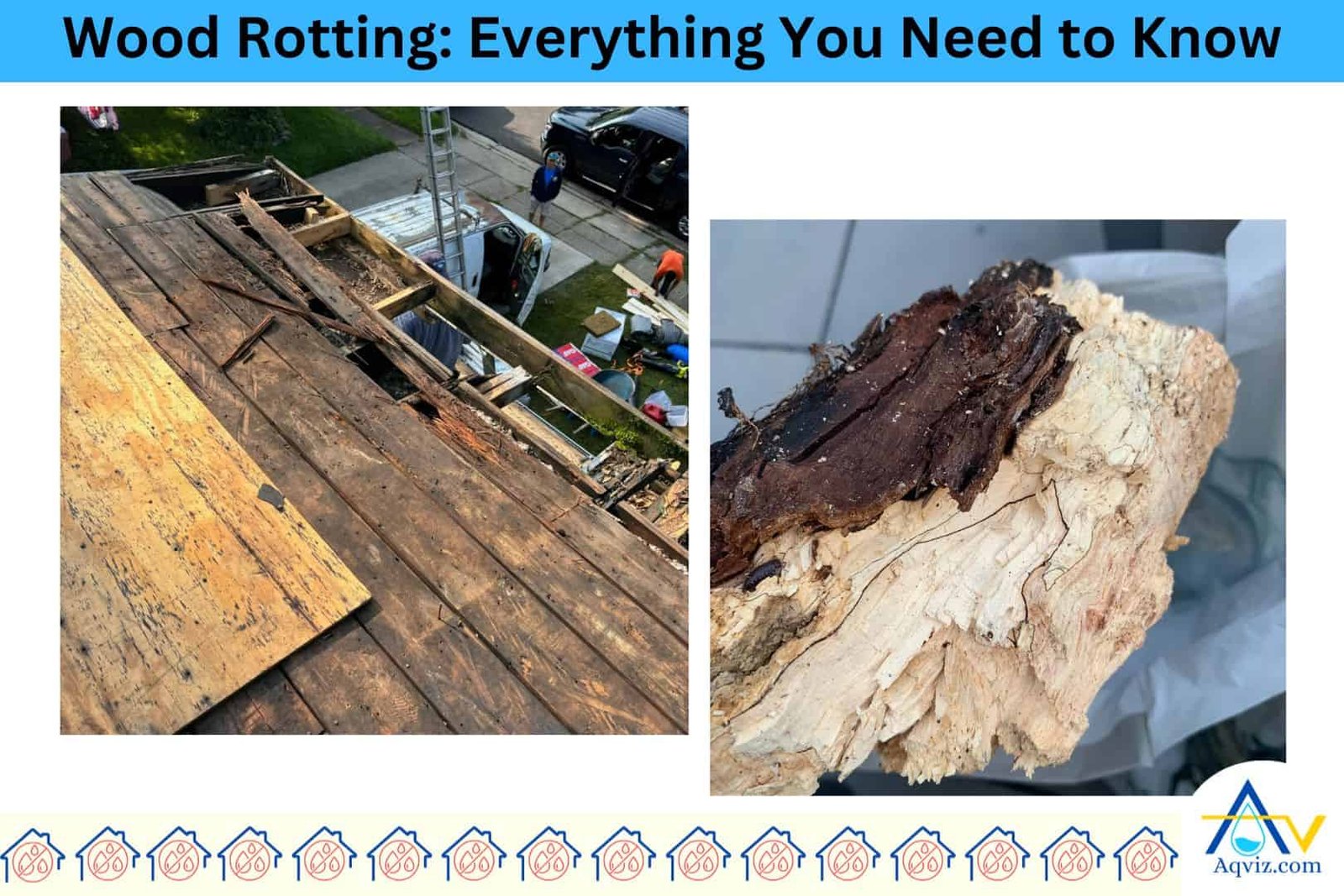
What Is the Definition of Wood Rot?
The definition of wood rot is the natural decay process where wood fibers break down due to fungal growth in moisture-exposed environments, weakening structural integrity over time. Wood rot commonly happens in basements, crawl spaces, and untreated exterior woodwork when humidity stays above 20% for prolonged periods.
You can identify wood rot through cracked or crumbly textures, discoloration, musty odors, soft or spongy spots, and visible fungal growth on the wood. Wood rot causes foundation weakening, mold risks, property value loss, safety hazards, and higher long-term repair costs at home.
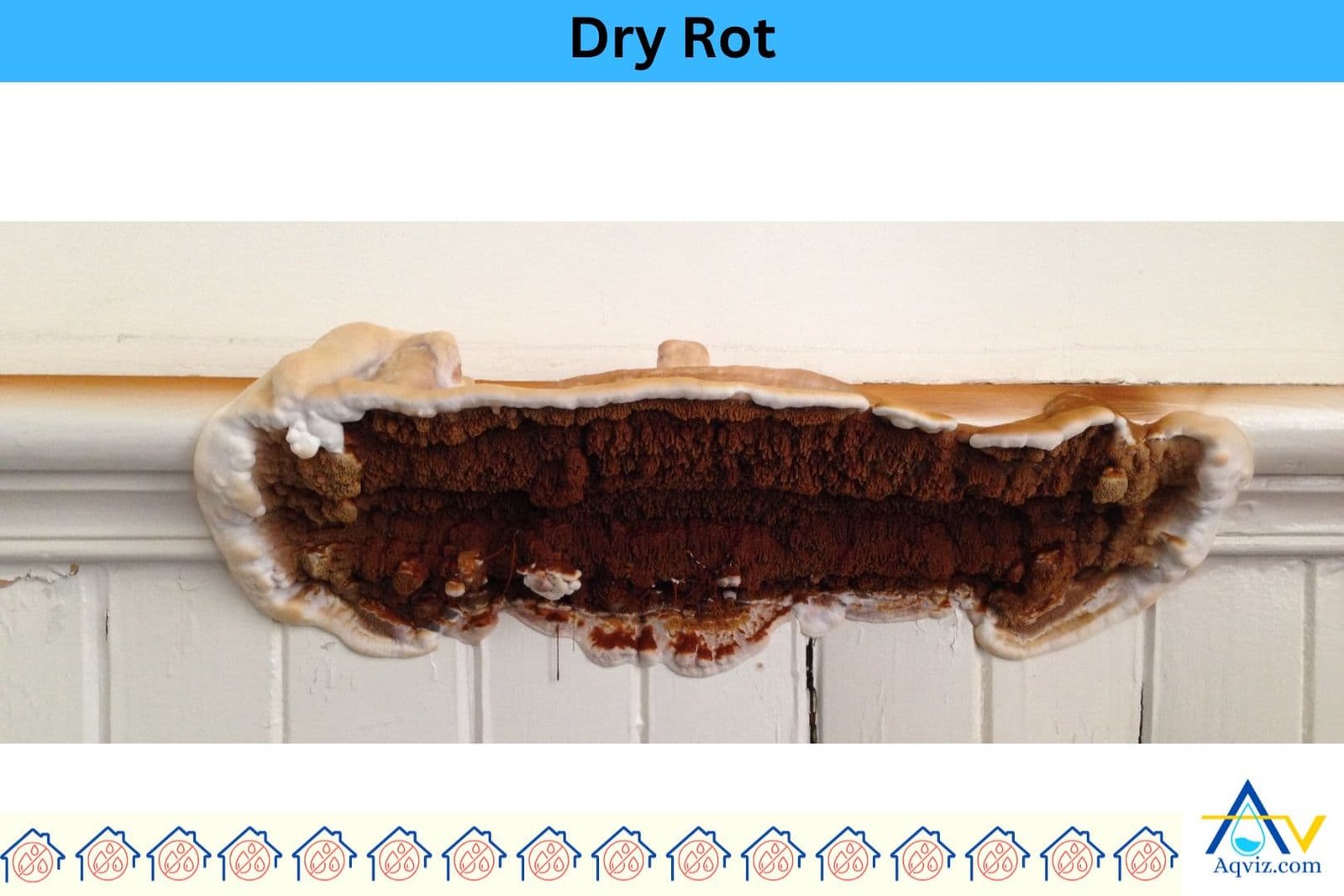
What is Dry Rot?
Dry rot is a severe wood rot caused by brown rot fungi, primarily Serpula lacrymans, that thrives in low moisture environments between 20% to 30%. We also call it brown rot or cubical rot because it breaks the wood into dry, brick-like cubes. Dry rot can be seen behind baseboards, under floors, in attic rafters, and near leaky plumbing where ventilation is poor but moisture lingers just enough for decay.
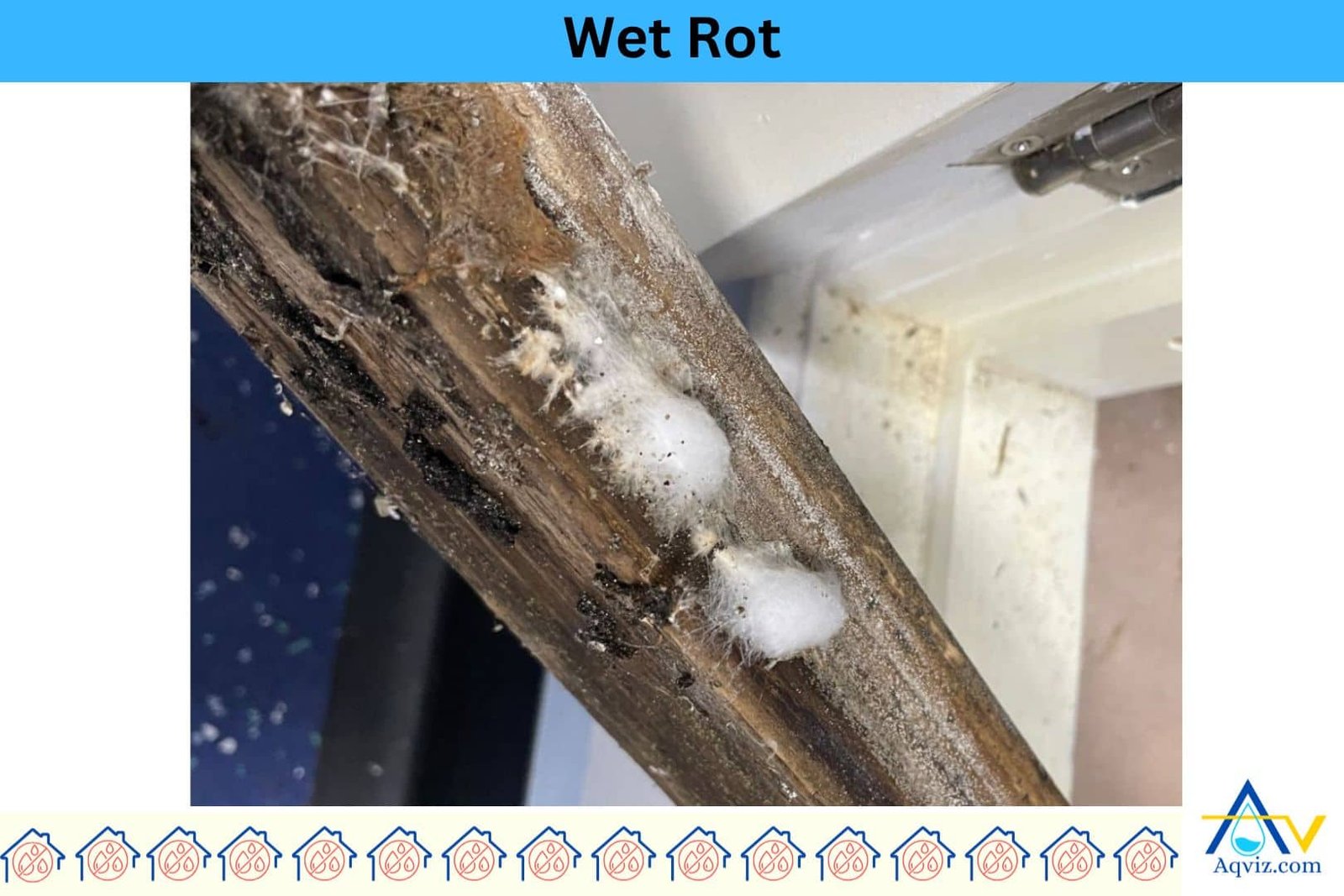
What Is Wet Rot?
Wet rot is a common type of wood rot caused by excessive and prolonged moisture exposure, often from plumbing leaks, poor drainage, or unsealed masonry. We also refer to it as moist rot or cellular rot. Wet rotting is typically triggered by fungi like Coniophora puteana. Wet rot regularly finds in basement frames, crawl space joists, exterior fascia boards, and window sills, especially in homes without proper waterproof membranes or ventilation.
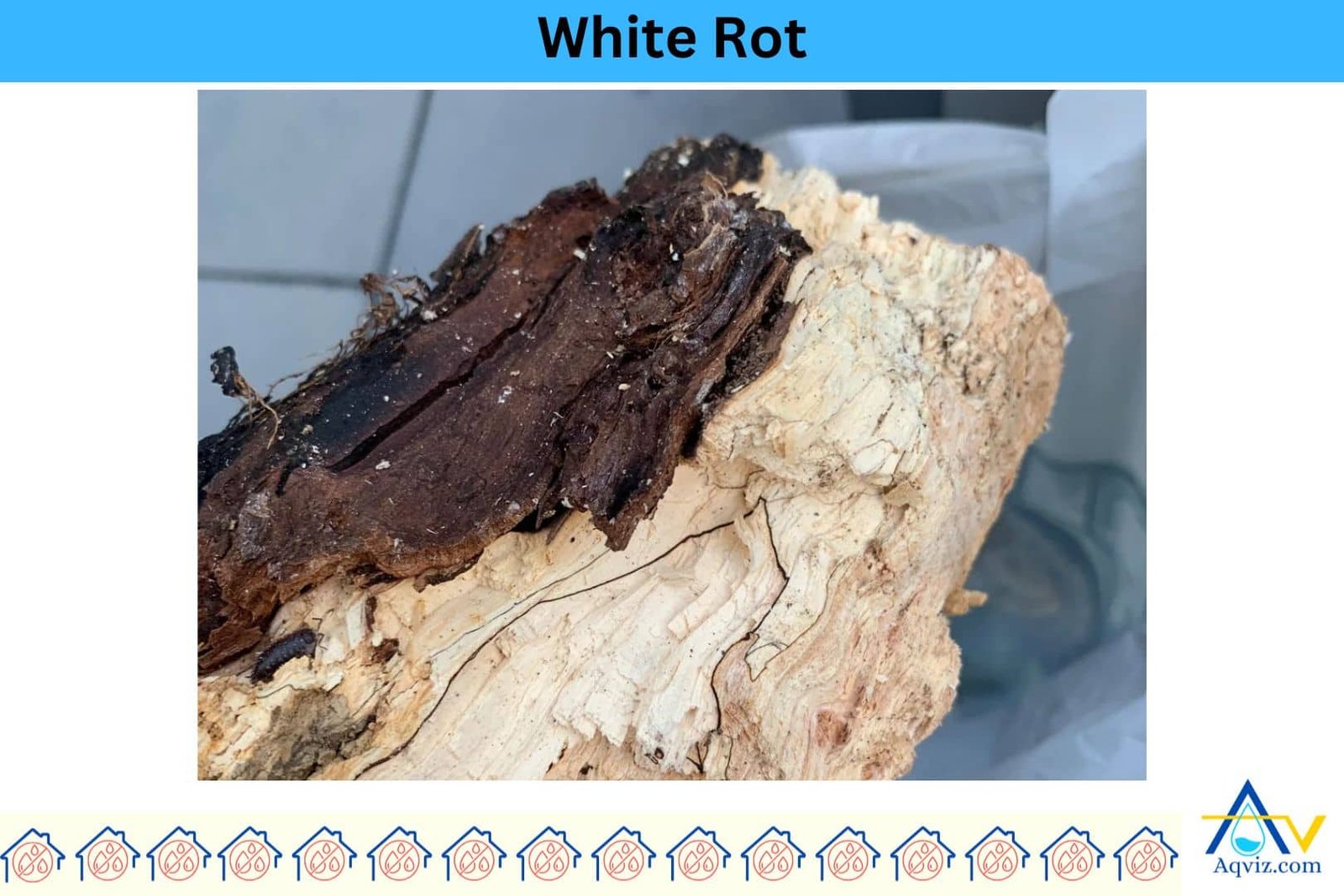
What Is White Rot?
White rot is a type of wood rot where fungi degrade lignin, the compound that gives wood its rigidity and color, leaving behind a soft, spongy, and pale surface. We also call it fibrous rot or spongy rot because of its stringy texture and bleached appearance. White rot can be observed in decking boards, porch columns, and wood siding, especially in areas with constant humidity and poor drainage. Fungi like Trametes versicolor and Phanerochaete chrysosporium thrive in these damp environments and break down the entire wood cell wall structure of the wood.
What Fungi Cause Wood Rot?
Wood rot occurs when certain fungi feed on the structural components of wood, including cellulose, hemicellulose, and lignin, under the right moisture and temperature conditions.
- Serpula lacrymans is responsible for dry rot. It thrives in confined, damp environments with poor airflow, breaking down cellulose and leaving the wood brittle.
- Coniophora puteana is the most common cause of wet rot. It grows when wood remains moist above 40% for long periods, softening the fibers and darkening the surface.
- Trametes versicolor and Phanerochaete chrysosporium are responsible for white rot. It degrades the lignin and leaves the wood spongy and discolored.
These fungi can be identified behind walls, under subfloors, and inside unventilated basements, often following minor leaks or condensation issues. These fungi release enzymes that digest the wood’s structure, which rapidly compromises its load-bearing capacity.
What Does Rotted Wood Look Like?
Rotted wood gives wood a visibly damaged and deteriorated appearance.
Rotted wood has spot-cracked, warped, or crumbling wood surfaces that lose their original shape and strength.
The texture may look brittle and cubed in dry rot, dark and softened in wet rot, or pale and stringy in white rot.
You might also notice surface fungus growth, like white strands or orange patches, especially near plumbing lines or foundation walls.
Read more about: All About Wood Warping: Types, Reasons, and Solutions
What Does Rotted Wood Smell Like?
Rotted wood releases a distinct, unpleasant odor caused by fungal breakdown and trapped moisture.
Rotted wood has a musty, earthy, or moldy smell near decaying wood, especially in basements, crawl spaces, or poorly ventilated wall cavities.
The odor becomes stronger in wet rot and white rot cases, where dampness fuels fungal activity.
It’s similar to the scent of damp soil, old books, or mildewed fabric, and it’s often the first warning sign homeowners notice before seeing visible damage.
What Color Changes in Rotted Wood?
Wood rot causes noticeable color changes as fungi break down the wood’s internal structure.
- Dry rot turns wood into dark brown or reddish hues with a cracked, cubical texture.
- Wet rot often creates black, deep brown, or dark gray discoloration, especially near consistent moisture.
- White rot causes wood to become pale yellow, white, or light gray with a bleached appearance.
These color shifts indicate active fungal growth and help us quickly identify the type and extent of decay during inspections
What Does Wood Rot Feel Like?
Rotted wood drastically changes the texture and firmness of the wood.
When you touch rotted wood, you will feel soft, spongy, or crumbly surfaces when pressing on rotted areas, especially in framing, subfloors, and baseboards.
In dry rot, the wood feels brittle and breaks into cube-like pieces.
Wet rot feels damp, soft, and flaky, while white rot feels stringy and fibrous due to lignin breakdown.
This change in texture signals structural weakness and ongoing fungal damage that needs immediate attention.
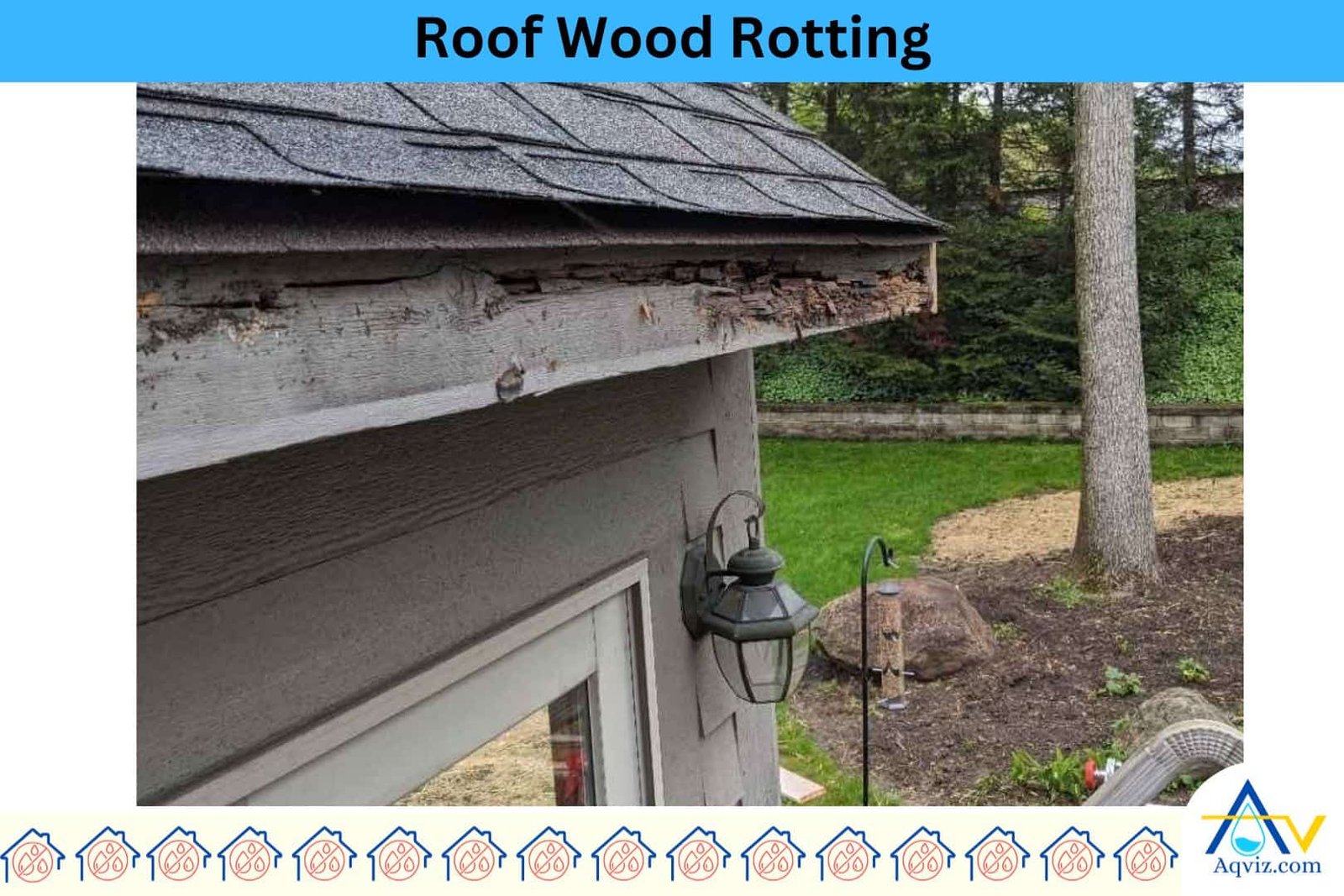
How Long Does It Take for Wood to Rot?
Wood rot can begin in as little as 6 to 12 months if the wood stays damp and untreated. Softwood, like pine or spruce, starts rot within 6 months under high humidity. Hardwoods such as oak or maple resist decay longer, but still show signs of rot after 1 to 2 years if constantly exposed to moisture. Plywood, due to its layered glue construction, begins to delaminate and rot within 8 to 16 months. Even pressure-treated wood eventually rots if moisture and fungal exposure persist beyond 10 years without maintenance.
Does Wood Rot Spread to Healthy Wood?
Yes, wood rot can spread to healthy wood if the environmental conditions support fungal growth. Wood rot spreads quickly in areas with poor drainage, leaking pipes, high humidity, ground contact, and poor ventilation.
Fungi like Serpula lacrymans release spores that travel through the air or wood fibers, colonizing nearby dry wood once moisture levels rise above 20%. When conditions remain damp and unventilated, the rot expands across framing, subfloors, and structural supports, weakening the building’s integrity over time.
What Are the 5 Common Causes of Wood Rot?
The five most common causes of wood rot in homes include poor drainage, leaking pipes, high humidity, ground contact, and poor ventilation. At Aqviz, we’ve found
- Poor drainage around the foundation allows water to pool near wood structures, which causes an increase in wood rot
- Leaking pipes saturate framing and subfloors and increase the moisture content in the house. These will increase the rate of wood rot
- High humidity creates condensation in unventilated basements and attics that causes rot in the wood in basement and attic areas
- Direct ground contact exposes wood to constant moisture. This causes the wood structure to rot over time.
- Poor airflow traps damp air inside walls and crawl spaces, which causes an increase in the moisture content and wood rot in the house.
The best solution for each of these causes is installing a waterproofing membrane. So it controls moisture, prevents fungal growth, and preserves the structural integrity of the wood.
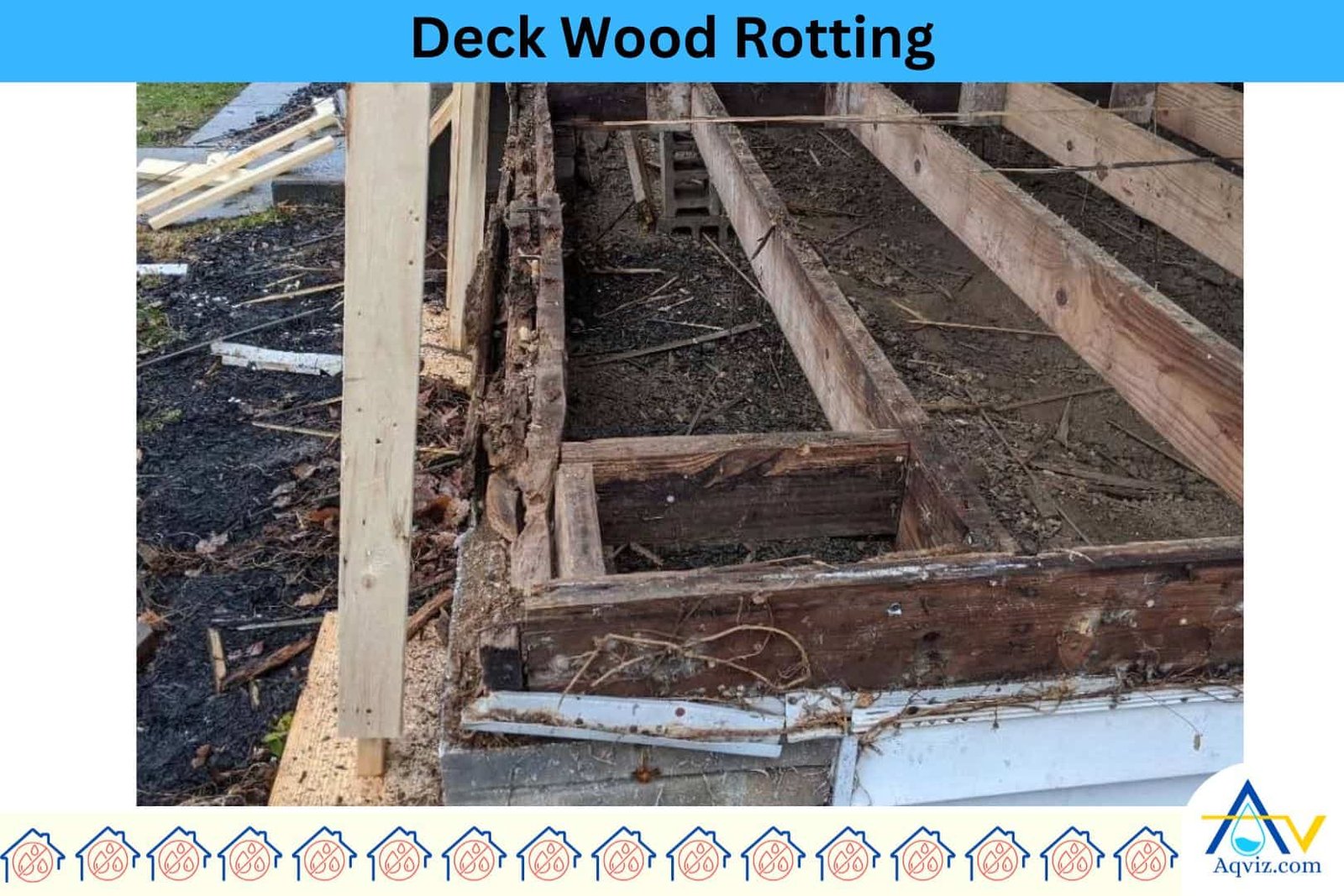
What Wood Types Are Most Susceptible to Rot?
Some wood types are naturally more prone to wood rot due to their low resistance to moisture and fungal attack. These 6 types of wood are more susceptible to rot than other wood types.
- Pine: Pine is a soft and highly porous wood type. This causes the pine to rot easily without treatment.
- Spruce: Spruce absorbs moisture quickly, hence it can rot easily without any treatment.
- Fir: Fir is a softwood, and it has a low natural decay resistance, hence it tends to rot easily.
- Hemlock: Hemlock is vulnerable in humid or ground-contact areas
- Maple: Maple is a hardwood, but still prone to rot if moisture is trapped over time.
- Birch: Birch is fine-grained and decay-prone when exposed to high humidity over time.
What Are the Different Wood Rot Treatments?
Wood rot treatment involves restoring structural strength and stopping fungal activity by repairing or stabilizing decayed wood.
- Epoxy fillers: Epoxy fillers rebuild rotted wood sections with a durable resin. It will withstand over time and increase the aesthetic view of the wood.
- Fungicides: Fungicides like Rust-Oleum or Concrobium can kill active fungi on the rotted wood.
- Borate treatment: Borate treatment, such as Tim-bor, penetrates wood to prevent future rot over time.
- Wood hardeners: Wood hardeners are used to reinforce soft, decayed fibers over time.
- Chemical consolidators: Chemical consolidators that bond loose wood particles into a solid form.
Read More About: Plywood Waterproofing: What You Should Know?
Does Bleach Kill Wood Rot?
No, bleach does not kill wood rot. It may lighten surface stains and kill some surface mold, but it cannot penetrate deep enough to eliminate the fungi causing wood rotting.
Can You Seal Rotted Wood?
You can seal rotted wood, but only after stabilizing it. First, remove loose decay, then apply a wood hardener or epoxy consolidator to strengthen the damaged area, and then seal it with a waterproof wood sealer. Sealing without treating the rot traps moisture inside, allowing fungi to keep destroying the wood. Proper sealing works best when combined with moisture control and preventive waterproofing.
Does Burning Wood Prevent Rot?
Yes, burning wood surfaces using the Shou Sugi Ban technique can help prevent wood rot. This method is used to slightly char the outer layer of wood, which makes it more resistant to moisture, fungi, and insects.
The carbon layer acts as a natural barrier. However, this technique only protects the surface and doesn’t stop internal rot if the wood is exposed to prolonged dampness, poor drainage, or ground contact.
How to Prevent Wood Rot in the Home?
To prevent wood rot in homes, you must actively manage moisture and airflow. At Aqviz, we recommend these six proven methods.
- Install flashing around roofs, windows, and decks to divert water away from wood.
- Apply waterproof sealants like DAP Dynaflex or GE Silicone II to joints and gaps.
- Ensure proper slope around the foundation to keep water draining away from the structure.
- Improve airflow in attics, basements, and crawl spaces with vents or exhaust fans.
- Use protective coatings such as polyurethane or acrylic-based finishes on exposed wood.
- Fix leaks immediately in pipes, roofs, and gutters to stop water from penetrating wooden components.
- Install a waterproofing membrane on the basement, foundation, slab, and roof to protect the wood from water leaking.
Read Aqviz’s expert guide to protect the basement, foundation, and roof from water and moisture. These guides include everything you should know about waterproofing.
- What to Know About Foundation Waterproofing?
- What to Know About Basement Waterproofing?
- What to Know About Roof Waterproofing
How to Repair Rotted Wood?
To repair rotted wood, you must eliminate the decay and restore the wood’s strength. At Aqviz, we follow these five essential steps using professional tools and materials.
- Cut out the rotted wood using a reciprocating saw or oscillating multi-tool until only solid material remains.
- Treat the surrounding area with a borate-based fungicide like Tim-bor to kill remaining fungal spores.
- Rebuild missing sections using epoxy wood filler or Bondo Wood Repair Kit with a putty knife.
- Reinforce soft spots using a wood hardener such as Minwax Wood Hardener to strengthen the fibers.
- Sand, seal, and paint with a high-quality exterior primer and waterproof paint to protect the surface from future moisture.
Termite Damage vs. Wood Rot: How to Identify the Difference?
Termite damage, caused by pests like subterranean termites, appears as hollowed-out tunnels, mud tubes, and sawdust-like droppings. The wood looks dry but breaks apart easily under pressure. Termite damage structurally hollows out beams from the inside, compromising support without surface signs early on. To fix termite damage, treat it with pest control services, termite-resistant barriers, and structural reinforcement of compromised wood.
Rot wood shows spongy, crumbling, or cracked textures caused by fungi and moisture. You’ll see discoloration, fungal growth, and a musty smell. Rotted wood weakens wood from moisture breakdown, often spreading across surfaces. To fix wood rot, repair wood rotting with fungicide treatments, wood hardeners, and epoxy fillers.
What Are the Most Rot-Resistant Wood Types?
Certain wood species naturally resist wood rot due to their dense grain structure and natural oils that repel moisture and fungi. So we recommend these 5 highly durable woods for outdoor and damp-area usages.
- Teak: Teak contains natural oils that make it highly water- and insect-resistant.
- Cedar: Western Red Cedar resists rot and decay in humid climates.
- Redwood: Redwood offers excellent resistance to fungal attack due to its tannin-rich heartwood.
- White Oak: White oak has dense and closed-grain. It resists both moisture and insect infiltration over time.
- Cypress: Cypress contains a natural preservative called cypressene, which deters rot.
Is There a Rot-Proof Wood Chart?
Yes, there are rot-resistance charts that rank wood species based on their natural durability against wood rot, fungal decay, and insect damage. At Aqviz, we use references like the U.S. Forest Products Laboratory durability ratings and the AWPA (American Wood Protection Association) guidelines. These charts classify wood into these 3 categories.
- Highly resistant: Teak, Ipe, Cedar, Redwood, Black Locust
- Moderately resistant: White Oak, Cypress, Douglas Fir
- Non-resistant: Pine, Spruce, Maple, Birch
Will Pressure-Treated Wood Rot?
Yes, pressure-treated wood can still rot over time, especially if it’s exposed to consistent moisture, poor drainage, or ground contact without maintenance. At Aqviz, we’ve repaired many decks and sills where treated lumber like CCA, ACQ, or MCQ began rotting after 10 to 15 years.
Why Is Wood Rotting a Concern in Waterproofing?
Wood rot is a concern in waterproofing because it weakens the structural integrity of buildings by breaking down load-bearing wood components like joists, beams, sills, and studs due to moisture. Wood rotting accelerates due to moisture by allowing fungi such as Serpula lacrymans and Coniophora puteana to thrive in humid crawl spaces and damp foundation walls at home. This decay compromises both the water barrier system and the overall safety of the home.