
Balcony Construction: 7 Experts’ Advice Before It Begins

Balcony construction is one of the most important steps in your home construction process or home improvement job. Before constructing your balcony, you should know the following 7 things. These 7 pre-prepared steps are highly recommended by the Aqviz experts.
- Choose the right type of balcony
- Decide the balcony space, support structure and access paths.
- Decide access path
- Determine the balcony support structure
- Choose the construction material
- Choose the balcony floorings
- Choose balcony railings
The Aqviz expert team has prepared this guide by considering all the balcony-related problems of our clients. This guide covers everything you need to know about building a balcony, from choosing the right type, materials, and support structures to selecting flooring, railings, access paths, protection, and balcony maintenance.
We also dive into essential aspects like balcony protection and maintenance to ensure your space remains safe and beautiful for years to come. This guide helps you to make informed decisions and create a functional, stylish, and well-maintained outdoor balcony space.
1. Choose the Right Type of Balcony
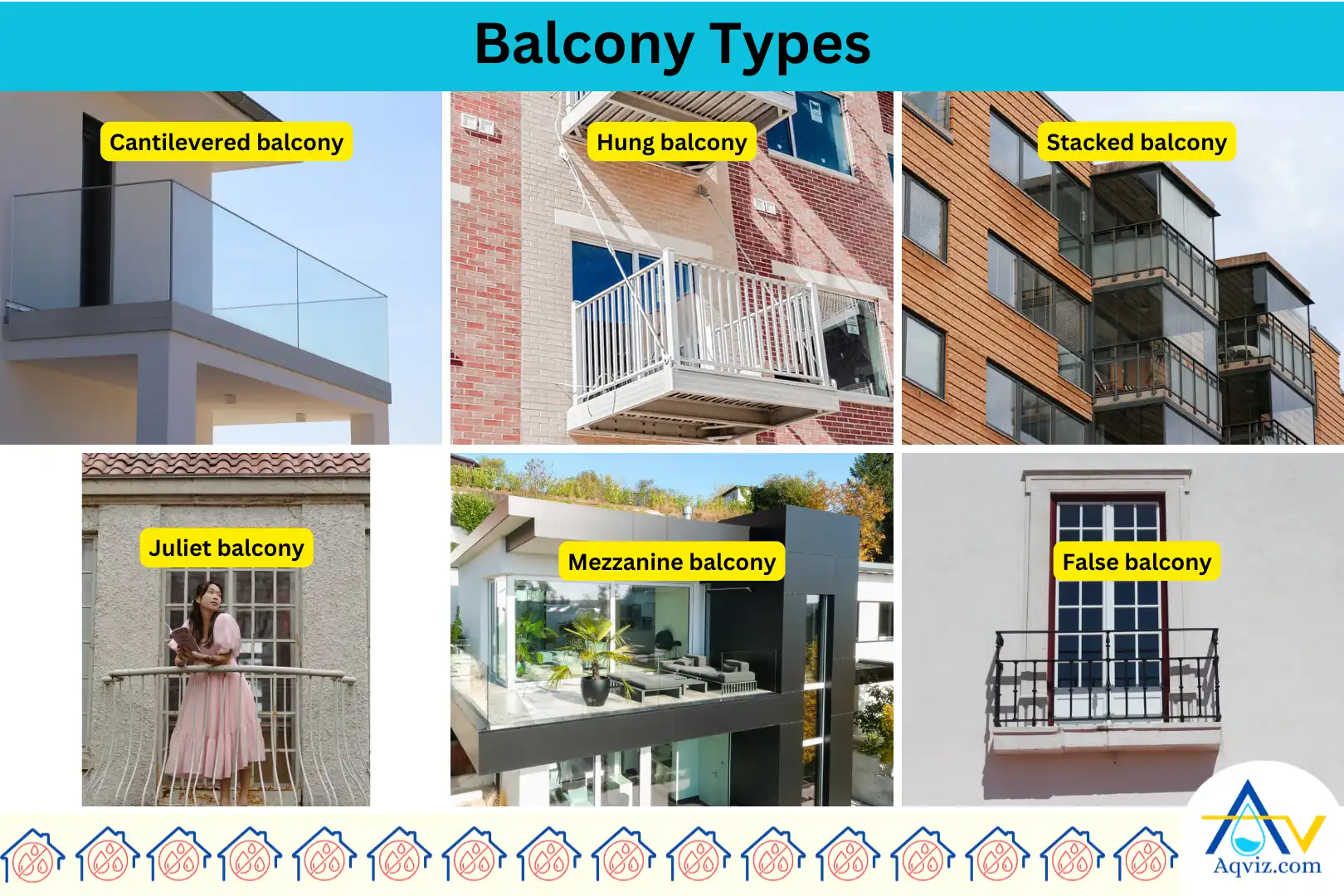
First things first, you should select the right type of balcony because it affects not only the aesthetics of your home but also functionality, maintenance, and overall structural integrity. Balconies are available in several types. These are also best for different purposes.
- Cantilevered balcony: A cantilevered balcony has modern aesthetics and a sleek, floating appearance. Hence, these are ideal for homes with minimalist designs and where structural support is allowed.
- Hung balcony: Hung balcony is best suited for decorative purposes or small seating areas where a full structural balcony isn’t feasible.
- Stacked balcony: A stacked balcony is best for multi-story buildings and apartments. These are Cost-effective and structurally sound since it rely on vertical supports from the balcony below.
- Juliet balcony: The Juliet balcony is best for an indoor-outdoor ambiance without extra space. These are great for rooms with large doors where a full balcony isn’t feasible.
- Mezzanine balcony: The Mezzanine balcony is best for indoor applications, such as loft-style designs. The mezzanine balcony works well for additional indoor living space or overlooking an open area.
- False balcony: Best for decorative purposes. These balconies add visual appeal to a façade without functional space.
When choosing a balcony type, consider its intended purpose, such as for gardening, relaxation, outdoor dining, or even as a pool extension. As well as think about the weight capacity needed, privacy concerns, local building codes, and climate conditions. A well-planned balcony complements your lifestyle and increases property value while ensuring long-term durability and safety.
2. Decide the Balcony Space
Second, you should decide on the balcony space you need. The balcony space refers to the area allocated for your balcony, influencing usability, comfort, and structural feasibility. It is essential to determine the right size and layout based on your needs and available space. A small balcony may be perfect for a cozy seating area, while a larger one can accommodate an outdoor kitchen, garden, or even a small pool extension.
To determine the ideal space, measure the potential location and consider factors like sun exposure, wind patterns, and building regulations. Keep in mind that the balcony should harmonize with the overall architecture and not feel too cramped or oversized. Also, think about furniture placement, accessibility, and the flow of movement.
3. Determine the Balcony Support Structure
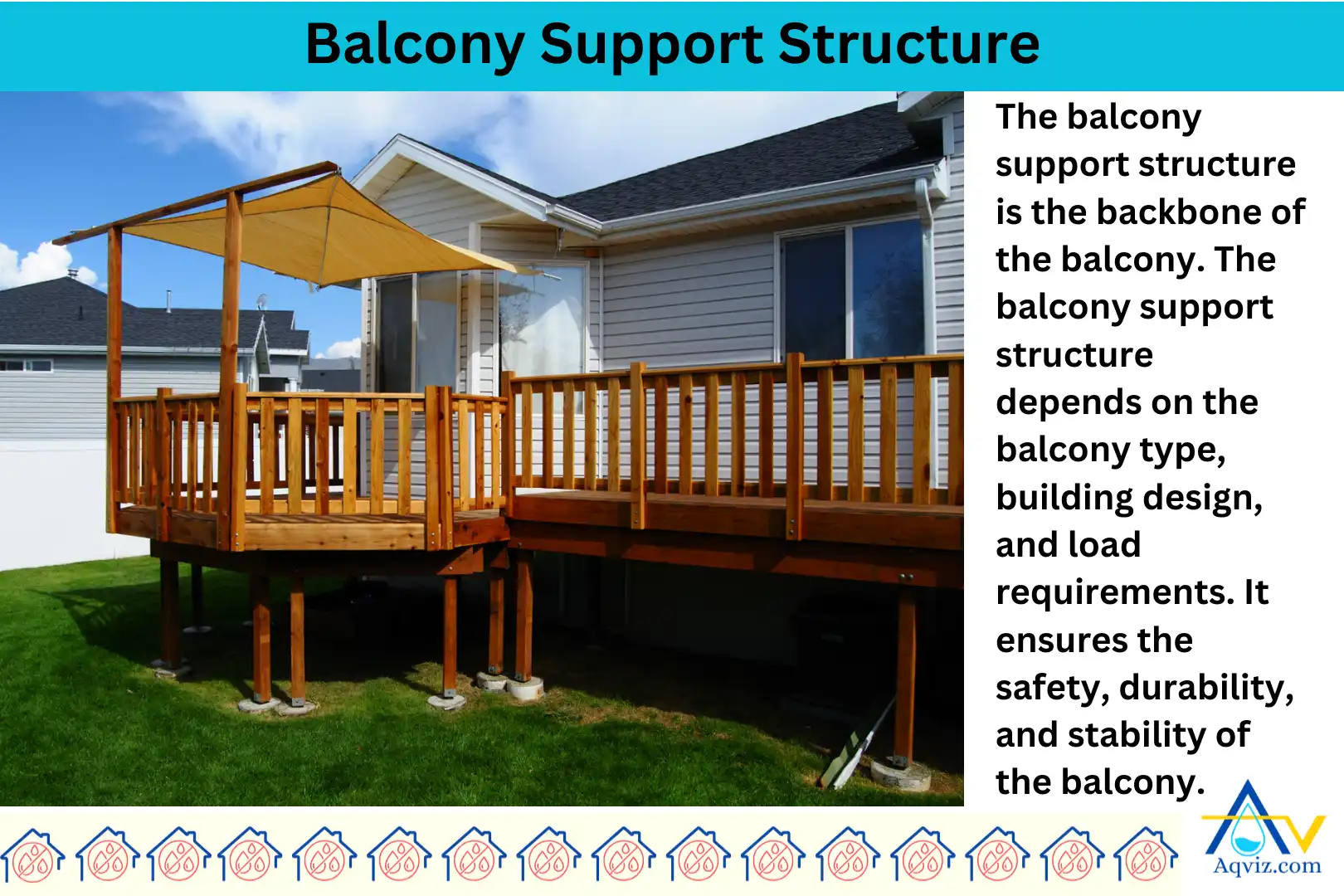
Third, determine the balcony support structure. The balcony support structure is the backbone of the balcony. The balcony support structure depends on the balcony type, building design, and load requirements. It ensures the safety, durability, and stability of the balcony. It consists of load-bearing elements that transfer weight to the main building or floor by preventing sagging, tilting, or collapsing the balcony structure. Common balcony support structures include cantilevered extensions, brackets, columns, or a combination of these.
When selecting a support structure, material choice is crucial. You can choose wood, steel and concrete supports.
- Wood offers a warm, natural aesthetic but requires regular maintenance to prevent rot and warping.
- Metal, such as steel or aluminum, provides excellent strength and durability with minimal upkeep, making it ideal for modern designs.
- Concrete is a top choice for long-lasting, heavy-duty balconies, providing superior load capacity but requiring a strong foundation.
The right support structure depends on the balcony’s size, purpose, and local building codes. If you don’t have an idea, we strongly recommend you to meet a structural engineer or a professional home improvement expert.
4. Decide Access Paths for the Balcony
Fourth, decide the access path for the balcony. A balcony access path refers to how people move between the balcony and the rest of the home. It can be an interior access point (such as a door leading from a bedroom or living room) or an external staircase connecting the balcony to the ground or other levels.
You should consider these 4 things when deciding on an access path to the balcony.
- Ensure the balcony entrance is easy to use and meets building codes.
- The balcony design should blend with the home’s architecture.
- Choose balcony materials and placements that withstand exposure to environmental impacts such as sunlight, rain, and snow.
- Balcony entry should not disrupt movement inside the house.
Pros and Cons of Interior Access (Doors from Inside the House)
Pros of interior access path
- Provides convenience and security
- Protects from weather exposure
- Maintains home privacy
Cons of the interior access path
- Limits flexibility in design placement
- May require structural modifications
Pros and Cons of Exterior Balcony Access (Staircase from Outside):
Pros of exterior access path
- Allows independent entry to the balcony
- Can serve as an emergency exit
- Increases accessibility for guests
Cons of the exterior access path
- Requires more space
- Exposed to weathering and maintenance needs
5. Choose Construction Material for Balcony
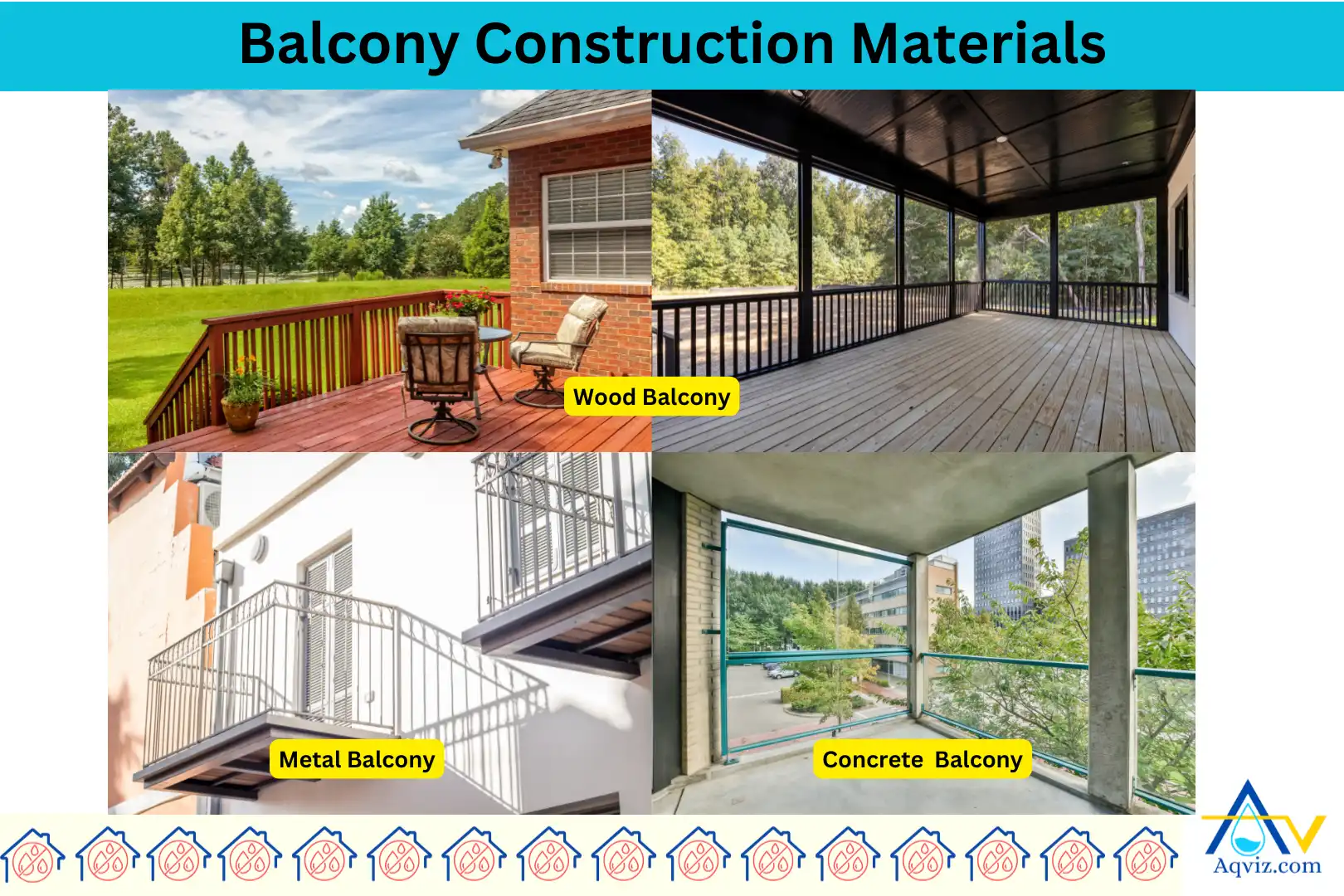
In the fifth step, you should choose construction materials for the balcony. Balcony construction materials are the primary components used to build the balcony’s framework, including the structure, railing, and surface. Choosing high-quality balcony materials significantly impacts durability, maintenance, aesthetics, and cost. The most used balcony materials are wood, metal, and concrete.
- Wood: Wood is natural and has a warm look. Wood balconies work well in traditional and rustic designs. However, wood requires sealing and regular maintenance to prevent rot, insect damage, and warping.
- Metal: Metal (Steel or Aluminum) balconies offer modern appeal, excellent strength, and resistance to harsh weather conditions. Steel provides robust support, while aluminum is lightweight and rust-resistant. Metal balcony structures require occasional maintenance to prevent corrosion.
- Concrete: Concrete is the most durable balcony option. Concrete balconies withstand heavy loads and extreme weather. It is low maintenance and fire-resistant but can be costly and requires a strong foundation.
So, what should you consider when choosing balcony materials?
- Weather-resistant: Choose the balcony materials that withstand your region’s weather conditions.
- Loading capacity: Consider the loading capacity of the balcony if it is large.
- Maintenance requirements: Wood requires frequent care, while metal and concrete need occasional upkeep.
- Aesthetic & style: Ensure the material complements your home’s design.
To protect the balcony from water, you should waterproof it. How to Waterproof a Balcony? guide includes all the steps and balcony waterproofing membranes. You should refer to this before constructing your balcony.
6. Choose a Balcony Flooring Material
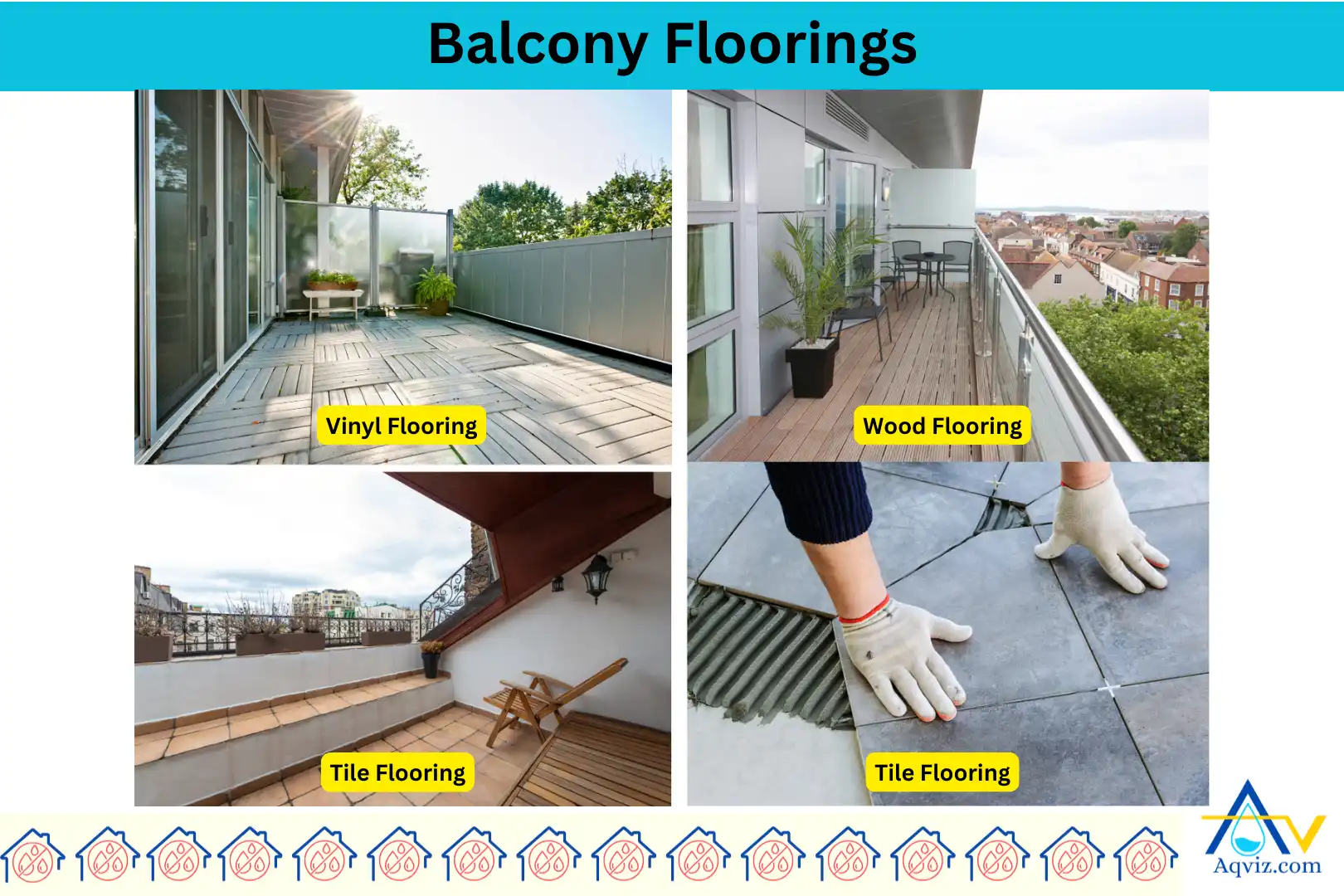
Sixth, you should choose a balcony flooring material. Balcony flooring material refers to the surface covering that provides safety, comfort, and aesthetic appeal. It must be durable, weather-resistant, and easy to maintain.
What you should know about balcony flooring materials?
- Flooring should resist rain, sun exposure, and temperature changes.
- Choose materials with a non-slip surface for safety.
- Opt for easy-to-clean and long-lasting materials.
- The flooring should match the overall balcony and home design.
By considering these things, the best balcony floorings are tiles, composite decking, concrete pavers, and natural stones. More than that, you can use these 4 types of balcony floorings for your balcony.
- Tiles: Tile is durable, highly water-resistant, and available in various styles. Porcelain or ceramic tiles are ideal for outdoor use.
- Composite decking: Concrete decking is a mix of wood fibers and plastic. It offers a wood-like look with low maintenance and high weather resistance for the balcony.
- Concrete pavers: Concrete is heavy-duty, long-lasting, and customizable in different patterns and finishes for the balcony.
- Natural stone: Natural stone provides a premium and elegant look to the balcony, while being highly durable, but it is costly and requires proper sealing.
In order to have higher balcony flooring protection, you can choose waterproof balcony flooring. Waterproof balcony flooring is highly resistant to water, and it does not absorb water like general balcony floorings.
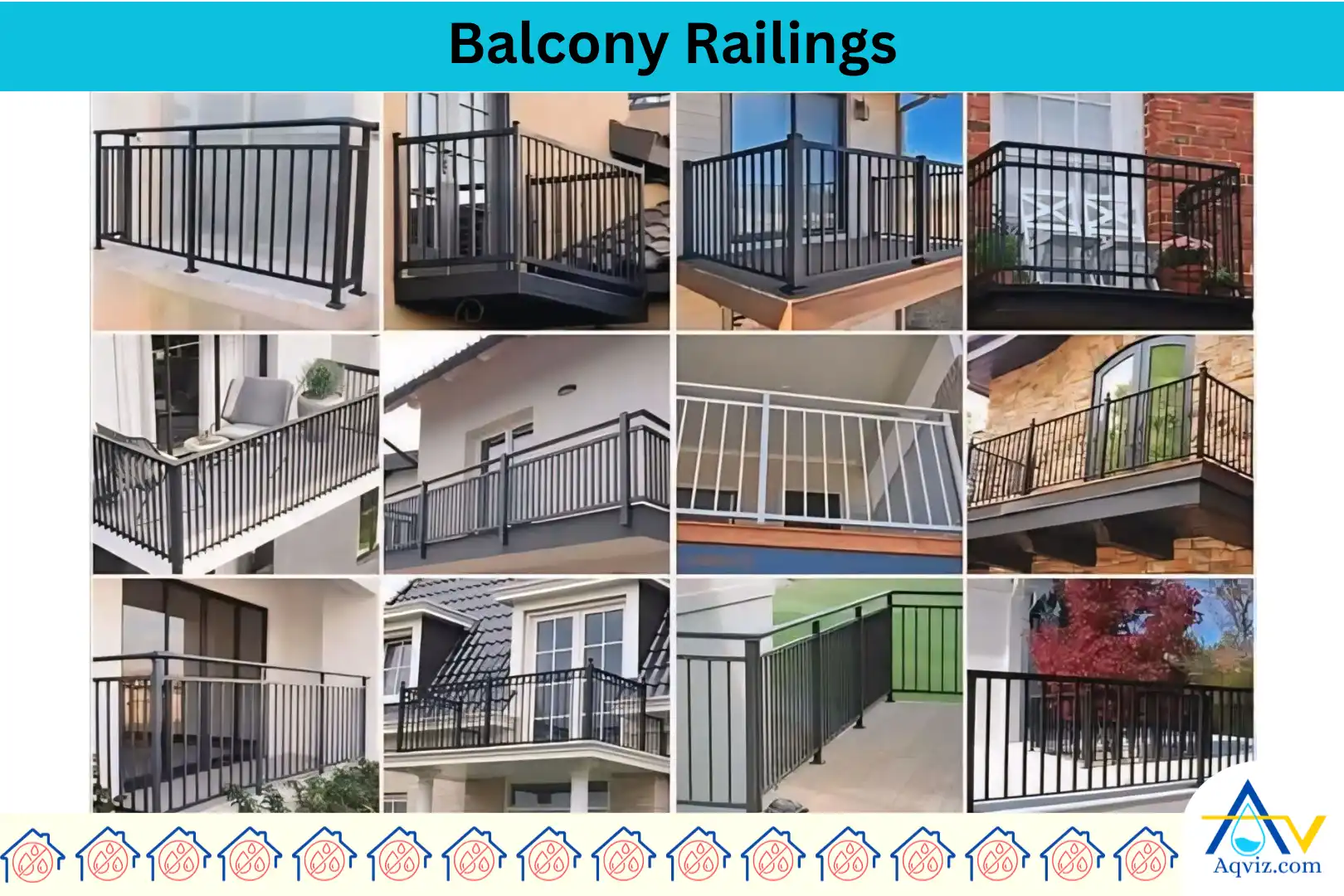
7. Choose Balcony Railing Material
In the last step, you should choose blacony rainlings. Balcony railing material, structural and aesthetic components that provide safety, support, and design appeal to the balcony. The railing must be strong enough to prevent falls while enhancing the overall look of your home.
What should you consider when choosing balcony railing materials?
- Safety & durability: Balcony materials should meet safety regulations and withstand weather conditions.
- Maintenance needs: Consider the maintenance requirements of the balcony material due to some damage from water, sunlight, etc
- Aesthetic appeal: Consider the aesthetic appeal of the balcony railing. It should complement your home’s architecture.
- Visibility & privacy: Consider how much privacy you need from the railing. According to that choose the railing material.
- Cost & installation: Consider how much you can spend on the balcony railing and its installation.
Considering all, these are the most used balcony materials you can use for your balcony construction project
7 Types of Balcony Railings
- Glass balcony railings
- Stainless steel balcony railings
- Wrought Iron balcony railings
- Aluminium balcony railings
- Composite balcony railings
- Wood balcony railings
- PVC balcony railings
What is a Balcony?
A balcony is an elevated outdoor platform attached to a building facade, directly accessible from an interior room through a door or window, and protected by a guardrail or parapet.
The main purpose of a balcony is to provide usable outdoor space while improving ventilation, daylight access, and facade aesthetics. Balconies are commonly built using reinforced concrete, structural steel, aluminum systems, or treated timber, with finishes such as tiles, stone, or deck boards.
There are several balcony types, including cantilever, recessed, stacked, Juliet, and wrap-around balconies. Proper slope, drainage, and waterproofing are essential to prevent seepage, corrosion, and interior water damage.
How to Protect a Balcony from Water?
A balcony should be protected from the water because it helps to extend its lifespan, prevent structural damage, and maintain its aesthetic appeal. So you should follow the below protection methods to protect the balcony from water, UV light, pests and insects, and from freeze-thaw cycles.
The main 6 ways to protect a balcony from water
- Apply waterproof sealants and coatings.
- Install proper drainage to prevent water accumulation.
- Use weather-resistant flooring and railing materials.
- Apply protective sealants to prevent moisture infiltration.
- Use freeze-resistant materials like stone or composite decking.
- Ensure proper drainage to prevent water buildup.
Read More:
- 6 Common Reasons for Balcony Paint Peeling and How to Fix It
- Balcony Cracks: Types and How to Seal Them?
- Balcony Standing Water with Reasons, Impacts, How to Fix
How to Maintain a Balcony?
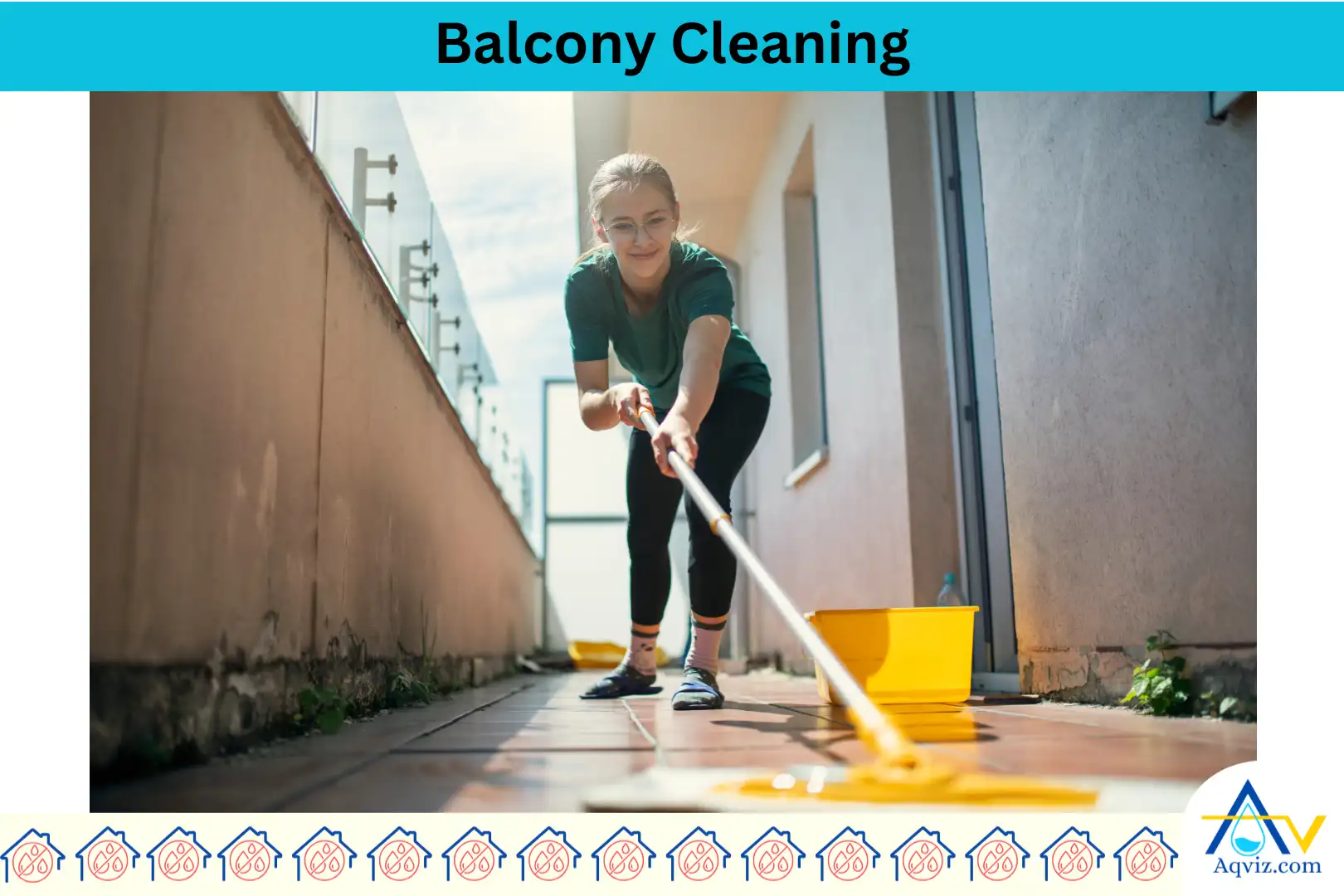
Proper balcony maintenance is essential to keep it safe, functional, and visually appealing. Regular upkeep helps prevent structural issues, extends the lifespan of materials, and ensures a comfortable outdoor space. So you should follow the steps below to keep the balcony more effective and strong.
- Regularly clean the balcony
- Inspect the balcony deck for cracks, rust, or rotting wood
- Apply waterproof sealants and coatings on the balcony floor
- Ensure proper drainage in the balcony floor
- Maintain and protect balcony furniture
- Remove snow and ice buildup on the balcony in the winter
- Prevent and remove rust from metal components
- Check and secure railings, fasteners, and support structures
- Adapt maintenance based on seasonal changes