
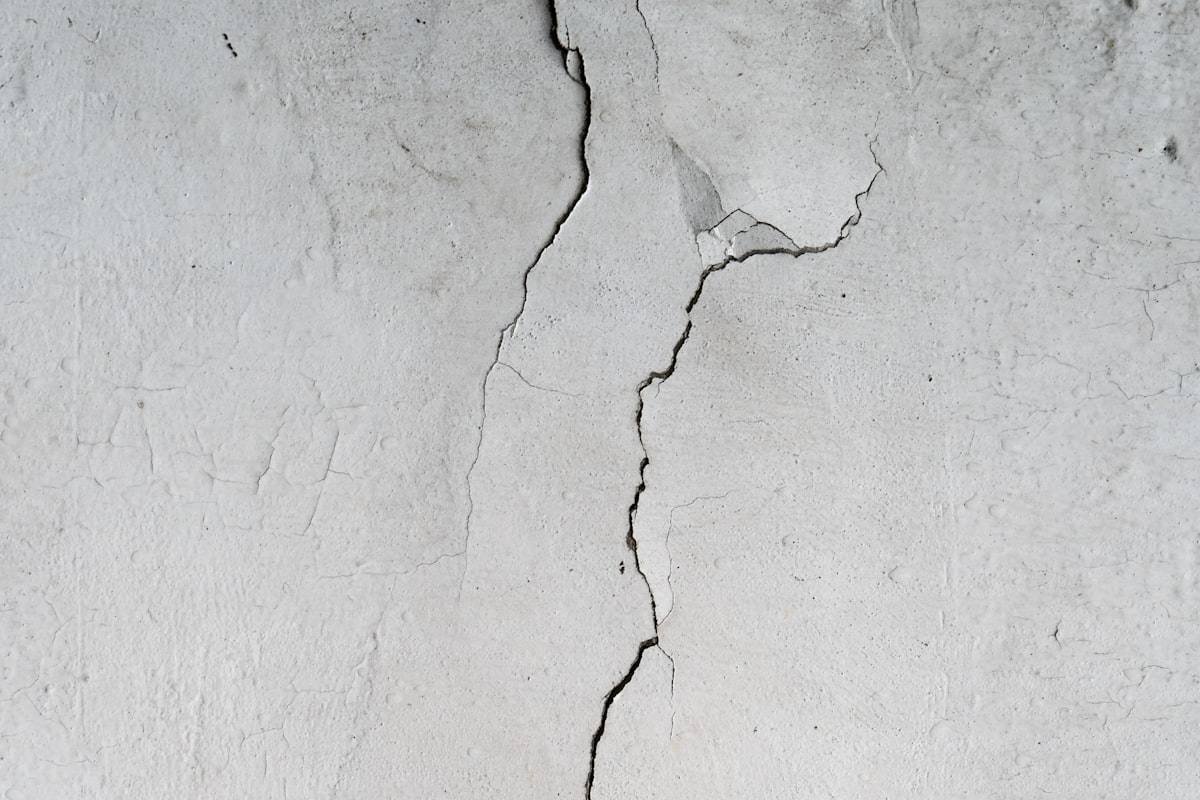

A basement leak fix depends on where the water enters: wall cracks take injection or hydraulic cement, rebar tie holes take hydraulic cement, window wells take sealing and drainage, and the cove joint where wall meets floor takes pressure relief, because no sealant survives there. Match the repair to the entry point and most leaks close for good; mismatch it and the water finds the patch’s edge by next spring.
Finding the entry point is the diagnosis, and it is visual. Wait for rain, take a flashlight, and watch where the first wet line appears. It will be one of five places, and each one wants a different repair.
Wall Cracks: Injection From the Inside
A vertical or diagonal crack in poured concrete is the classic leak, usually from settling or shrinkage rather than structural failure. The professional repair is injection from the interior: polyurethane foam that expands and stays flexible, or epoxy where the crack also needs structural bonding. Injection kits price around $60 to $150 for a confident DIYer, and pros commonly charge $350 to $800 per crack.
The DIY-store alternative is chiseling the crack into a dovetail groove and packing it with hydraulic cement (the bead technique is the same either way), which sets in minutes and expands as it cures. It works on hairline seepage in walls that stay put. It fails on cracks that still move seasonally, which is what the flexible polyurethane exists for; a rigid patch on a moving crack cracks beside itself.
Width is the triage line. Hairline to an eighth of an inch, patch or inject and monitor. Wider than a quarter inch, horizontal, or stair-stepping through block mortar: that is a structural conversation with a foundation contractor before it is a waterproofing one.
Rebar Ties and Honeycombs: The 20-Year Verdict on Sealants
Poured walls carry a grid of round scars where form ties passed through, and each one is a potential drip path. One home blogger at All About The House documented the long version of this repair: he sealed his tie holes with 50-year silicone in 1999, watched a bubble form over a tie two decades later, and redid the repair concluding he should have used hydraulic cement from the start. Surface sealants stick to the wall; hydraulic cement locks into the hole and pushes back against the water.
The same $20 tub handles honeycombing, the gravelly voids where concrete did not fully consolidate against the form. Chisel loose material out, dampen, pack, done. These are the most satisfying basement repairs there are: cheap, permanent, and finished in an afternoon.
The Cove Joint: Where Sealants Go to Die
Leaks at the seam where floor meets wall are different in kind, and the difference costs homeowners a lot of wasted caulk. Water at the cove joint is being pushed up by hydrostatic pressure under the slab; seal the seam and the pressure stays, finding the next gap or lifting the patch. Every product marketed for this seam is fighting physics.
The repairs that work drain the pressure away: exterior water management first, and an interior perimeter drain with a sump when groundwater is the source. Even an existing drain system can lose to this seam when it clogs or was undersized, which is exactly how it presents:
“Water leaks in from one corner and over flows into the rest of the basement even though I have an interior french drain installed. Any ideas to fix? Could it just be a clogged drain?”
– r/basement, August 2026 (7 upvotes)
Yes, it can be a clogged drain, and a flush through the system’s access ports is the first cheap test before anyone quotes a new one.
Window Wells, Grading, and the Snowmelt Test
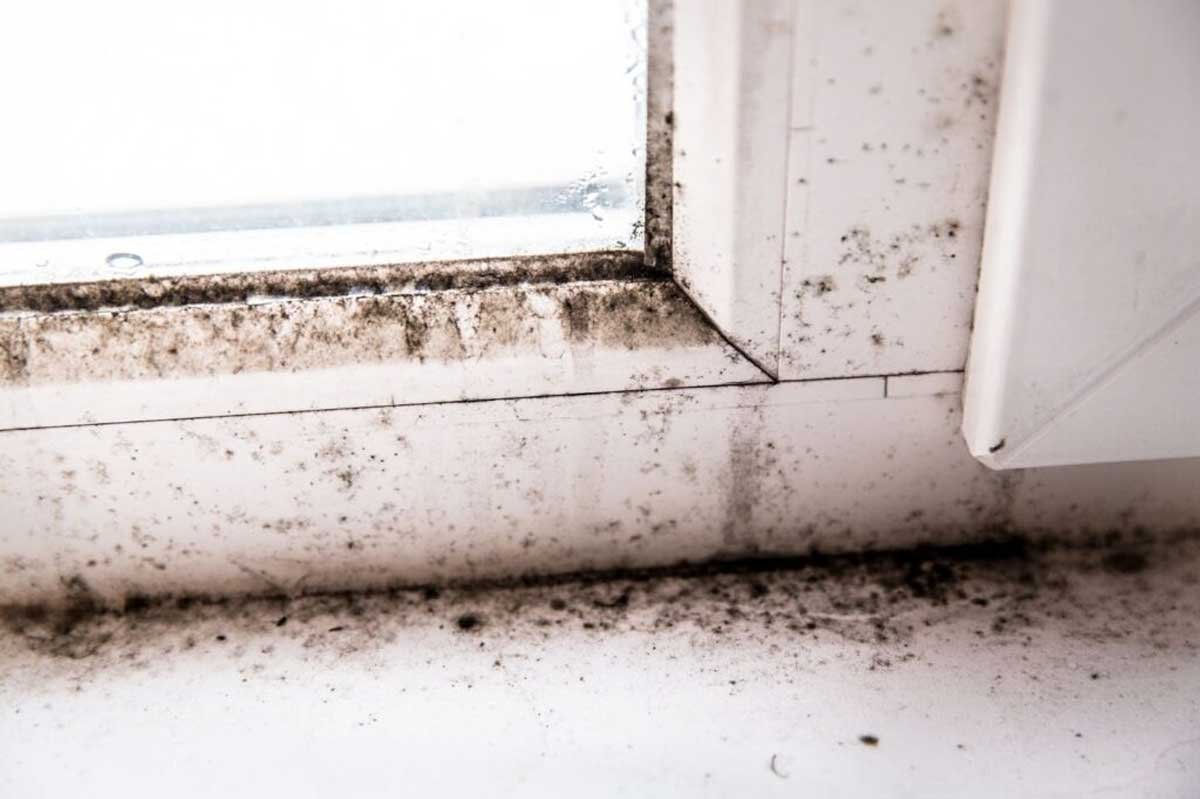
A window well that fills like an aquarium in heavy rain will beat any interior repair, and the fix is outside: clear or add gravel drainage at the well’s base, seal the frame, and cover the well. The same logic scales to the whole perimeter, since gutters dumping at the foundation and grade sloping toward the house are behind a large share of leaks that get blamed on walls. New owners tend to meet all of these at once, in the first big melt:
“Hey everybody! My wife and I closed on our fixer upper this week. We were aware of some wetness and minor water intrusion in the basement, but this week’s 2ft snowfall and subsequent melt where we live has exposed a nice surprise! There seems to be a pretty significant leak as shown in the video. All other wet/damp areas in the basement we were planning on taking care of this summer or next. However, this probably needs to be addressed asap to eliminate standing water and sediment flowing into….”
– r/HomeMaintenance, March 2026 (38 upvotes)
Snowmelt and long storms are the honest inspectors: they load the soil the way a summer shower never does. If a leak only appears under those conditions, the outside fixes deserve the first dollars, and they cost hundreds against the thousands of interior systems.
The Cost Ladder, Cheapest First
Basement leak repairs sort into a ladder, and the right move is the lowest rung that matches your entry point. Hydraulic cement patches for ties, honeycombs, and stable cracks: $20 to $60 in material. Crack injection: $60 to $150 DIY, $350 to $800 per crack professionally. Gutter extensions, regrading, and window well work: several hundred to about $2,000. An interior perimeter drain with a sump, for cove-joint and under-slab water: $3,000 to $8,000 and up. Exterior excavation and membrane, the cause-level fix for a chronically wet wall, sits above all of it.
“Permanent” is the word every product label promises and only matched repairs deliver. A $30 patch on a tie hole is permanent. A $30 patch on a pressurized cove joint is a season pass.
Basement Leak Fix FAQ
What is the best way to fix a leaky basement?
Match the repair to the entry point: inject or patch wall cracks, pack tie holes and honeycombs with hydraulic cement, fix window wells and grading outside, and relieve cove-joint water with drainage. No single product fixes all five entries, which is why “best way” starts with a flashlight, not a cart.
Does homeowners insurance cover basement leaks?
Insurance covers sudden accidental water, like a burst pipe flooding the basement, and excludes gradual seepage and groundwater, which is what most basement leaks are. Flood damage from outside water needs separate flood coverage; crack injection, patching, and drainage systems are out of pocket at every insurer.
Should a basement leak be fixed from the outside or the inside?
Cracks, tie holes, and honeycombs repair well from the inside; chronic wall wetness and cove-joint pressure are managed better from outside or with interior drainage. Exterior excavation treats the cause and costs the most, so it is the escalation step, not the default.
Who do you call for a basement leak?
A basement waterproofing contractor for seepage, cracks, and drainage; a plumber first if the water might be a supply or drain line, which clean water or constant flow suggests. For wide, horizontal, or stair-step cracks, a structural or foundation specialist sees the wall before the waterproofer sells you anything.
